Imaging Procedure in Surgery Camera Oem: Procedure, Recovery and Results

Camera-guided surgery includes laparoscopic, thoracoscopic, arthroscopic, endoscopic and many robotic-assisted procedures. The camera is a viewing tool; the surgeon remains responsible for every clinical decision and surgical movement.
Key Takeaways
- Camera-guided surgery includes laparoscopic, thoracoscopic, arthroscopic, endoscopic and many robotic-assisted procedures.
- The camera is a viewing tool; the surgeon remains responsible for every clinical decision and surgical movement.
- Many camera-guided operations use smaller incisions and may support a shorter recovery, but this depends on the procedure and individual health.
- Most operations involving a camera are performed under anesthesia, so patients are usually asleep during the surgery.
- The appropriate approach depends on the diagnosis, anatomy, prior operations, overall health and the surgeon's assessment.
- Patients should follow their own surgical team's instructions for preparation, wound care, activity and follow-up.
An imaging procedure in surgery camera OEM generally describes camera-guided surgical technology used in minimally invasive and robotic operations. A small camera sends magnified images to a monitor, helping the surgical team view internal structures through small incisions while tailoring care to the person and procedure.
Overview: What Does Imaging Procedure in Surgery Camera OEM Mean?
An imaging procedure in surgery camera OEM usually refers to camera-guided surgical systems and components supplied for use in operating rooms. In patient care, the important point is that a thin camera provides a real-time image from inside the body, allowing the surgeon to perform an operation through small openings or natural body openings when appropriate. The term “OEM” means original equipment manufacturer and describes the source of the technology, rather than a separate type of operation.
Camera-guided surgery is used across several specialties. Examples include laparoscopy in the abdomen or pelvis, thoracoscopy in the chest, arthroscopy in joints, and robotic-assisted surgery. The camera may have a light source and may display high-definition or three-dimensional images on a monitor. It supports visibility, but does not replace the surgeon’s expertise, judgment or safety checks.
Not every operation can or should be performed with a camera. Some conditions require an open approach, and an operation that begins minimally invasively may occasionally need to be converted to an open procedure if that is the safest choice. The surgical team discusses the planned approach, possible alternatives and likely recovery before obtaining informed consent.
How Camera-Guided Surgery Works
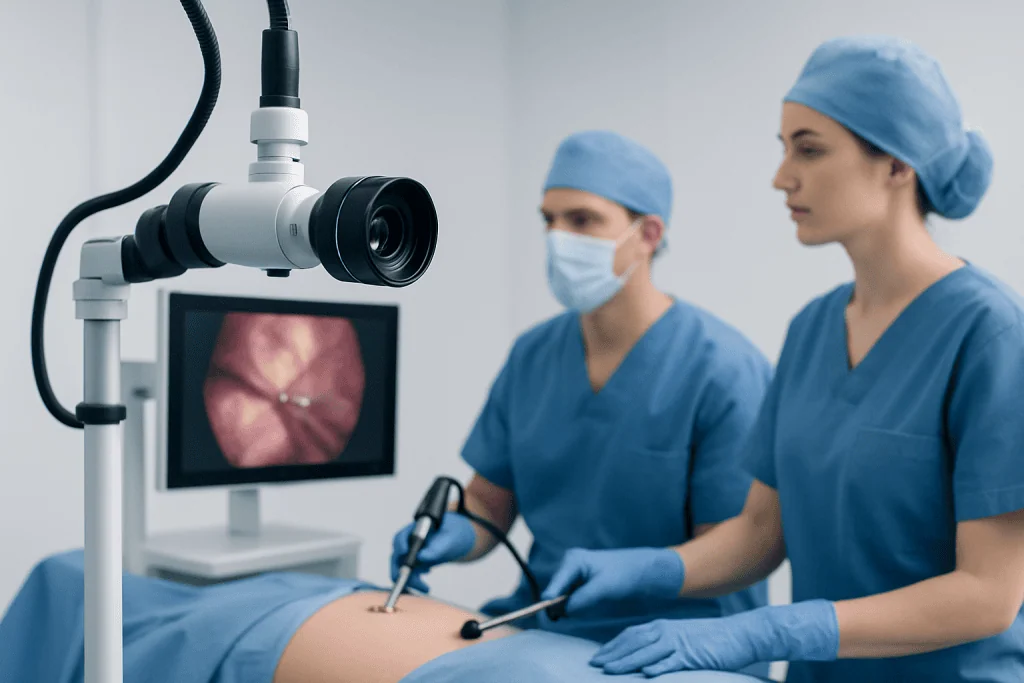
For many minimally invasive operations, the surgeon makes one small incision for a camera and additional small incisions for surgical instruments. In abdominal procedures, carbon dioxide gas may be used to gently create working space and improve the view. The camera transmits images to a screen, where the surgeon can identify anatomy, guide instruments and check the surgical area throughout the procedure.
In robotic-assisted surgery, the surgeon controls specialized instruments from a console while viewing a detailed operative image. The system can translate the surgeon’s hand movements into small, precise instrument movements and may filter natural hand tremor. It does not operate independently: the surgeon directs the procedure at all times.
These techniques may be considered for procedures involving the gallbladder, hernia, bowel, gynecologic organs, prostate, kidneys, chest, joints and other areas. The exact equipment and imaging method vary by specialty and operation. Preoperative imaging, such as ultrasound, CT or MRI, may also be used to plan surgery, but it is different from the live camera view used during an operation.
Who May Be a Candidate?
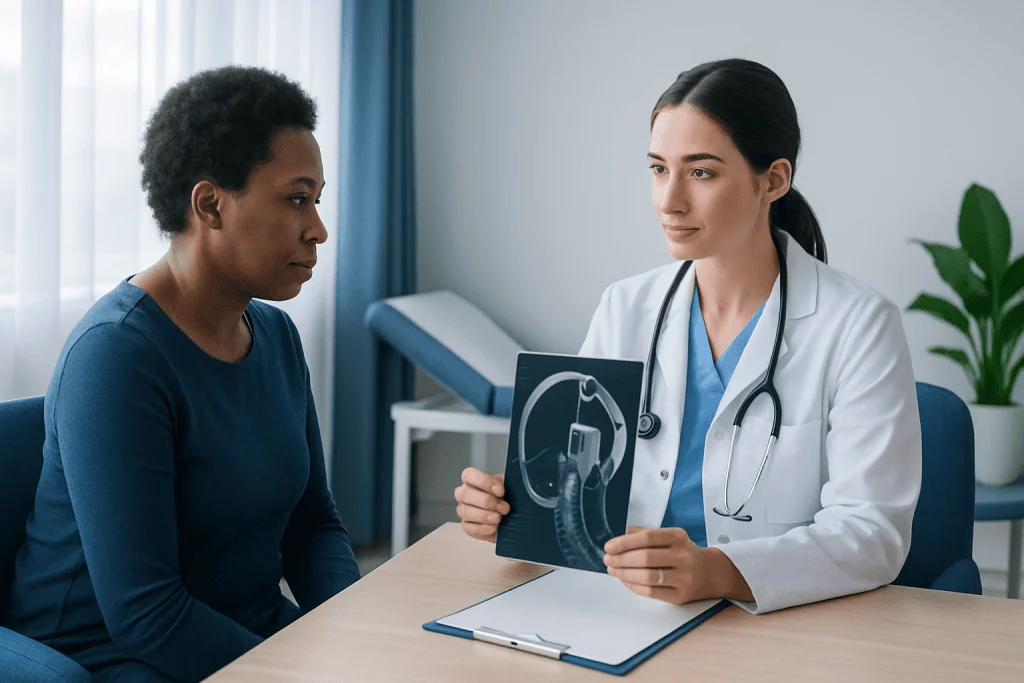
Candidacy for a camera-guided procedure is based on the condition being treated and the person’s overall health. The surgeon considers symptoms, examination findings, laboratory results, prior imaging, previous operations, medication use, anesthesia risks and the expected complexity of the procedure. A minimally invasive approach may be suitable for many people, but it is never selected solely because it uses smaller incisions.
Factors that can affect the choice include extensive scar tissue from earlier surgery, severe inflammation or infection, uncontrolled bleeding risk, certain heart or lung conditions, tumor location, body anatomy and the need to remove or reconstruct tissue. These factors do not automatically rule out camera-guided surgery; instead, they help the team plan the safest approach.
Before surgery, patients commonly meet with the surgeon and anesthesia team. They may need blood tests, heart or lung assessment, medication adjustments and instructions about fasting. It is important to report allergies, blood thinners, diabetes medicines, supplements, pregnancy or the possibility of pregnancy, and any history of anesthesia-related problems.
Step by Step: What Happens During a Camera-Guided Procedure?
On the day of surgery, the clinical team confirms the planned operation, reviews consent and marks the relevant site when needed. An intravenous line is usually placed, and monitoring equipment tracks breathing, heart rate, blood pressure and oxygen levels. The anesthesia plan depends on the operation, but general anesthesia is common for laparoscopic and robotic surgery.
After anesthesia begins, the skin is cleaned with antiseptic solution and sterile drapes are placed. The surgeon makes the necessary access points, positions the camera and instruments, and performs the planned operation while viewing the surgical field on a monitor. Tissue may be removed, repaired, biopsied or reconstructed depending on the reason for surgery.
At the end, the team checks for bleeding and confirms that the procedure is complete. Instruments and the camera are removed, and incisions are closed with sutures, skin adhesive or dressings. The patient then goes to a recovery area, where staff monitor comfort, breathing, circulation and nausea as anesthesia wears off.
Although many procedures proceed as planned, the surgeon may change the technique if unexpected findings arise or if a different approach offers greater safety. This possibility is part of the consent discussion and is not necessarily a sign that something has gone wrong.
How Long Does a Diagnostic Imaging Take?
The length of diagnostic imaging depends on the test and the body area being examined. A simple X-ray may take only a few minutes, while an ultrasound often takes around 15 to 45 minutes. CT scans are commonly completed quickly once positioning is finished, whereas MRI examinations often take longer because multiple image sequences are needed.
If the question refers to camera-based diagnostic surgery, the timing varies even more. A diagnostic laparoscopy may take less than an hour in some situations, but preparation, anesthesia, recovery and any treatment performed at the same time add to the overall hospital visit. Arthroscopy, endoscopy and other camera-guided procedures also vary according to the reason for the examination and whether a problem is treated during the procedure.
The surgical team can give the most reliable estimate after reviewing the planned procedure. Patients should allow extra time for admission, preoperative preparation and observation after anesthesia rather than focusing only on the time spent in the operating room.
Do They Cover Your Private Parts During Surgery?
Yes. Surgical teams protect privacy and dignity by covering the body with sterile drapes. Only the area required for the operation is uncovered, and exposure is kept as limited as possible. The team may need to prepare or position an area near the pelvis, chest or abdomen depending on the procedure, but this is done for clinical reasons and with privacy safeguards in place.
Appropriate staff are present during preparation and surgery, and healthcare professionals follow protocols for consent, confidentiality and respectful care. Patients can ask before surgery how they will be positioned, which areas may need to be exposed, and whether a chaperone or support person can be available during certain stages of care where permitted.
For procedures involving intimate areas, the team explains why access is necessary and what to expect. Raising questions or concerns before anesthesia is encouraged, as this helps the care team provide informed, respectful support.
What Is Surgery With a Camera Called?
Surgery with a camera is commonly called minimally invasive surgery or keyhole surgery. The specific name depends on the area treated: laparoscopy refers to the abdomen or pelvis, thoracoscopy to the chest, arthroscopy to a joint, and endoscopic procedures use a camera passed through a natural opening or a small incision. Robotic-assisted surgery is another camera-guided approach.
For example, a surgeon may use laparoscopy to assess or treat abdominal conditions, including some gallbladder or hernia problems. Robotic systems may be used for selected urologic, gynecologic, colorectal, thoracic and other operations. The procedure name should always be confirmed with the surgeon because camera use alone does not describe the full operation.
Potential benefits of a minimally invasive approach may include smaller incisions, less disruption of surrounding tissue, shorter hospital stays for some procedures and a faster return to usual activities. However, benefits differ by operation, and an open operation may sometimes provide the most appropriate and safest treatment.
Are You Awake During Robotic Surgery?
Most robotic surgeries are performed under general anesthesia, meaning the patient is asleep and does not feel or remember the operation. This allows the anesthesia team to manage comfort, breathing and body position safely while the surgeon performs the procedure.
There are exceptions in surgery more broadly. Some small procedures may be done with local anesthesia, sedation or regional anesthesia, depending on the body area and clinical circumstances. However, robotic procedures within the abdomen, pelvis or chest generally require general anesthesia because patients need to remain still and comfortable for the duration of surgery.
Before the procedure, an anesthesiologist reviews medical history, medications, previous anesthesia experiences and any concerns. Patients should ask which type of anesthesia is planned and how pain and nausea will be managed afterward.
Recovery, Benefits, Risks and When to Seek Medical Care
Recovery after camera-guided surgery depends on the operation, anesthesia, extent of treatment and individual health. Some people go home the same day, while others need overnight or longer hospital care. Mild incision soreness, fatigue, bruising and temporary nausea can occur. After abdominal laparoscopy, shoulder-tip discomfort from the gas used during surgery can also happen and usually improves over time.
Possible advantages include smaller scars and, for appropriate procedures, less postoperative pain and a quicker return to daily activities. Risks still exist and can include bleeding, infection, blood clots, reactions to anesthesia, injury to nearby structures, wound problems and the need to change to an open operation. The treating surgeon explains risks that are specific to the planned procedure.
Patients should seek urgent medical advice after surgery for worsening or severe pain, fever, increasing redness or drainage from an incision, persistent vomiting, chest pain, shortness of breath, fainting, heavy bleeding, new leg swelling, or inability to pass urine when this is unexpected. They should also contact the surgical team if they are unsure whether a symptom is part of normal recovery.
Acibadem International’s multidisciplinary specialists and JCI-accredited hospitals diagnose and treat conditions that may require minimally invasive or robotic surgery for international patients. A personalized discussion with a qualified surgeon remains the best way to understand whether a camera-guided approach is appropriate.
Frequently asked questions
Is a camera-guided operation always minimally invasive?
Camera guidance is commonly used in minimally invasive procedures, but the exact surgical approach varies. Some operations use a camera alongside larger incisions or may need conversion to open surgery if this is safer. The surgeon chooses the technique based on the condition and operative findings.
Will the camera stay inside the body after surgery?
No. The surgical camera is removed before the procedure ends. It is a reusable or single-use medical device designed to provide a live view during the operation, not an implant.
Can a camera-guided procedure diagnose and treat a problem at the same time?
Often, yes. A diagnostic laparoscopy, arthroscopy or endoscopic procedure may identify the cause of symptoms and allow the surgeon to take a biopsy, remove tissue, repair a problem or perform another planned treatment. Whether treatment can be done at the same time depends on consent, findings and safety.
How soon can someone return to work after laparoscopic or robotic surgery?
Return-to-work timing varies widely according to the operation, physical demands of the job and the person’s recovery. Some people return to light activities within days, while others need several weeks or longer. The surgical team gives individualized guidance about lifting, driving, exercise and work.
Does robotic surgery mean a robot performs the operation alone?
No. Robotic surgery is performed by a trained surgeon who controls the system throughout the procedure. The technology can enhance visualization and instrument movement, but it does not make independent clinical decisions or operate without the surgical team.
What should patients ask before camera-guided surgery?
Helpful questions include why this approach is recommended, what alternatives are available, what anesthesia is planned and what recovery may involve. Patients can also ask about possible conversion to open surgery, expected activity restrictions, follow-up and symptoms that should prompt urgent contact with the care team.
References
- World Health Organization
- American College of Surgeons
- Society of American Gastrointestinal and Endoscopic Surgeons
- American Society of Anesthesiologists
- National Institute of Diabetes and Digestive and Kidney Diseases
This article is for general information only and is not a substitute for professional medical advice. Please consult a qualified doctor about your individual situation.
Persistent digestive symptoms? Get evaluated in Turkey
JCI-accredited · board-certified surgeons · reply within 24h
Add us as a Preferred Source to see more of our trusted health content across Google Search, AI Overviews and Discover.
Check your numbers in seconds
BMI, calories, due date, blood pressure and 30+ more clinical calculators — free, instant, doctor-reviewed ranges.