Implantation Symptoms: Common Causes, Related Conditions, and When to See a Doctor

Implantation symptoms can include light spotting, mild cramping, and temporary body changes, but many people have none. These symptoms often overlap with premenstrual symptoms, so they cannot confirm pregnancy on their own.
Key Takeaways
- Implantation symptoms can include light spotting, mild cramping, and temporary body changes, but many people have none.
- These symptoms often overlap with premenstrual symptoms, so they cannot confirm pregnancy on their own.
- A home pregnancy test or blood test is the best way to find out whether pregnancy has occurred.
- Heavy bleeding, severe pain, dizziness, or one-sided pelvic pain should be evaluated promptly.
- Persistent or unusual symptoms may be related to other gynecologic conditions, not implantation.
Implantation symptoms are possible early signs that a fertilized egg has attached to the lining of the uterus, but they are often subtle and not a reliable way to confirm pregnancy. Light spotting, mild cramping, and temporary breast tenderness can occur, yet many people experience no implantation symptoms at all.
Overview: What implantation symptoms usually mean
Implantation symptoms are mild changes that some people notice when a fertilized egg attaches to the uterine lining. This process happens early in pregnancy, typically several days after ovulation and fertilization. If symptoms occur, they are usually brief and subtle. Common examples include very light spotting, mild cramping, or a temporary sense of bloating or breast tenderness.
It is also very common to have no implantation symptoms at all. For that reason, the absence of symptoms does not mean pregnancy has not happened. Likewise, having spotting or cramps does not automatically mean implantation is taking place, because these symptoms can overlap with the normal hormonal changes that occur before a menstrual period.
The most helpful way to understand implantation symptoms is to see them as possible early clues rather than proof of pregnancy. A missed period, followed by a home pregnancy test at the right time, is a more dependable next step. If there is uncertainty, a doctor may recommend repeat testing or a blood test to clarify what is happening.
Common symptoms and what they can feel like
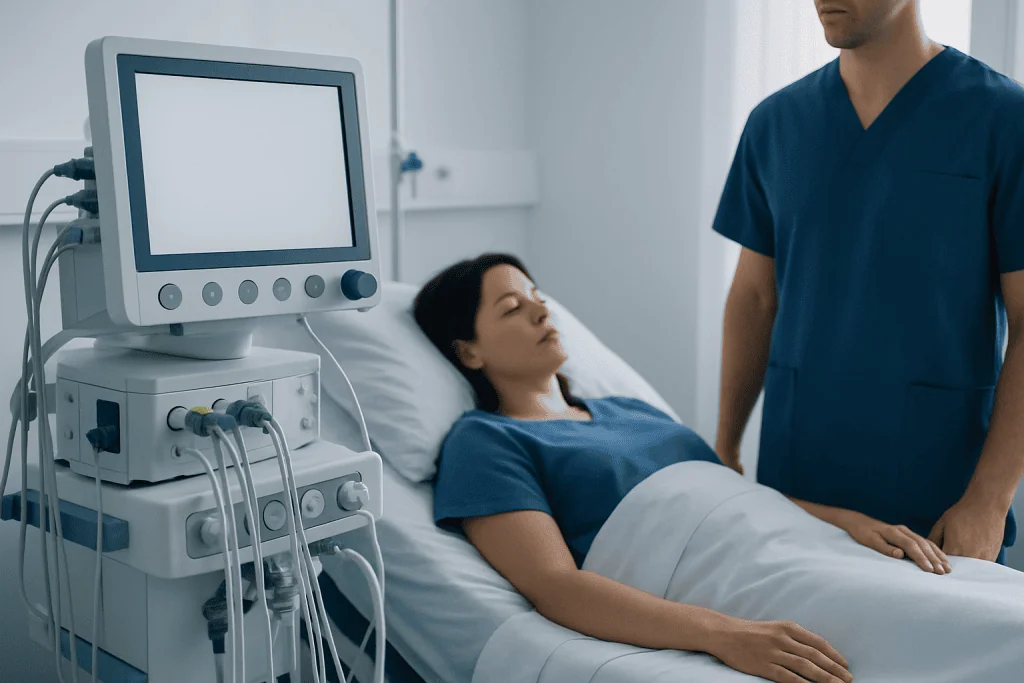
The symptom most often associated with implantation is light spotting, sometimes called implantation bleeding. It is usually much lighter than a typical menstrual period and may appear as a few drops or streaks of pink, light red, or brown blood. It generally lasts a short time rather than continuing and becoming heavier as a normal period often does.
Mild cramping can also occur. People often describe it as a dull, low-level pulling, tingling, or pressure in the lower abdomen rather than intense menstrual-type pain. Some may notice brief bloating, breast sensitivity, fatigue, or a general sense that their body feels different, but these changes are not specific to implantation.
Possible implantation symptoms may include:
- Very light spotting or staining
- Mild lower abdominal cramping
- Breast tenderness
- Bloating
- Fatigue
- Temporary mood changes related to hormone shifts
Because these symptoms can happen for many reasons, timing matters. Implantation-related symptoms tend to occur before an expected period and are often short-lived. If bleeding becomes heavier, pain increases, or symptoms continue, another cause may be more likely and medical advice can help.
Why implantation symptoms are often confused with a period

One reason implantation symptoms cause confusion is that they can feel very similar to premenstrual symptoms. In the second half of the menstrual cycle, rising and falling hormone levels can naturally cause breast tenderness, bloating, mild cramps, mood changes, and fatigue. This overlap makes it difficult to tell whether symptoms are related to early pregnancy or an approaching period.
Implantation bleeding is generally lighter and shorter than menstrual bleeding. It usually does not progress into a steady flow with clots the way a period may. However, there is no single pattern that can diagnose implantation with certainty, and some people have naturally light periods that can seem similar.
It can help to look at the full picture rather than one symptom alone. Questions a doctor may consider include the date of the last menstrual period, whether ovulation is being tracked, the timing of intercourse, whether the bleeding is increasing or fading, and whether there are other concerning symptoms such as one-sided pain or faintness.
If a person is trying to conceive, cycle tracking can sometimes make the timing easier to interpret. Even then, symptoms alone remain imperfect clues. When the timing is appropriate, a home pregnancy test is usually the clearest and simplest next step.
Other common causes of spotting or cramping
Not all light bleeding or cramping around the expected time of a period is caused by implantation. Hormonal fluctuations are a very common explanation, especially in cycles that are shorter, longer, or otherwise different from usual. Stress, travel, changes in weight, intense exercise, and illness can all affect the menstrual cycle and create symptoms that resemble implantation.
Ovulation itself can sometimes cause brief pelvic discomfort or spotting in the middle of the cycle. Cervical irritation after intercourse, vaginal infections, and the use of hormonal contraception may also lead to light bleeding. In some cases, uterine or cervical conditions can be involved, especially if spotting becomes recurrent.
Related conditions that may cause similar symptoms include ovarian cysts and endometriosis, both of which can be associated with pelvic discomfort or irregular bleeding. Another important condition is ectopic pregnancy, which can start with mild spotting but may become serious if it causes increasing pain or internal bleeding.
Because the range of possible causes is broad, persistent, repeated, or unusual symptoms deserve medical attention. This is especially true if cycles suddenly change, bleeding happens after a missed period, or pelvic pain is stronger than expected.
How pregnancy is confirmed and when tests are useful
Implantation symptoms cannot confirm pregnancy on their own. The most practical next step is usually a home urine pregnancy test, ideally taken after a missed period or according to the test instructions. Testing too early can produce a false-negative result because pregnancy hormone levels may not yet be high enough to detect.
If the first home test is negative but pregnancy is still possible, repeating the test in a few days may be helpful. A doctor may also order a blood test to measure human chorionic gonadotropin, often called hCG. Blood testing can sometimes detect pregnancy earlier or provide more precise information when symptoms and timing are unclear.
Imaging is not used to diagnose implantation itself, but ultrasound can be important if there is pain, bleeding, or concern about the location of a pregnancy. For example, a clinician may use ultrasound to evaluate the uterus and ovaries and to look for signs that need prompt attention.
For people who are planning pregnancy or having difficulty conceiving, a fuller evaluation may be considered. Depending on the situation, care can involve cycle review, hormone assessment, and fertility treatment options when appropriate.
Treatment and self-care: what helps and what to avoid
Implantation itself does not require treatment. If symptoms are truly related to implantation, they are usually mild and settle on their own. Gentle self-care may be enough, such as resting, staying hydrated, and monitoring bleeding or cramps without assuming the cause too quickly.
It is generally safer to avoid starting or stopping medications without medical advice, especially when pregnancy is possible. Over-the-counter pain relief may be suitable for some people, but choices can vary depending on overall health, symptoms, and the possibility of pregnancy. A pharmacist or doctor can advise on what is appropriate.
If symptoms are not due to implantation, treatment depends on the cause. Irregular bleeding may be related to hormonal changes, infections, fibroids, ovarian cysts, or other gynecologic concerns. In some cases, further evaluation and gynecologic care may be recommended to identify the reason for persistent spotting, cycle changes, or pelvic pain.
Keeping a simple record of dates, bleeding pattern, pain level, and pregnancy test results can be very helpful. This information often makes it easier for a clinician to decide whether symptoms fit early pregnancy, a menstrual pattern, or another condition that needs attention.
When to seek medical care
Medical care is recommended if there is heavy bleeding, severe or worsening pain, pain focused on one side of the pelvis, dizziness, fainting, shoulder pain, fever, or unusual vaginal discharge. These symptoms are not typical of mild implantation and may point to another condition that needs prompt assessment.
It is also sensible to contact a doctor if spotting continues, returns frequently, or happens together with a positive pregnancy test. Early evaluation can help distinguish a normal early pregnancy from a pregnancy loss or an ectopic pregnancy. Timely assessment is especially important for anyone with a history of ectopic pregnancy, pelvic surgery, fertility treatment, or known tubal disease.
People who are trying to conceive may also want medical advice if home tests remain unclear, cycles are very irregular, or pregnancy has not occurred after a period of trying. Depending on age and medical history, clinicians may discuss fertility evaluation and options such as intrauterine insemination when relevant.
Acibadem International’s multidisciplinary specialists and JCI-accredited hospitals diagnose and treat gynecologic and fertility-related conditions for international patients. Even so, any urgent symptoms should be evaluated promptly by a qualified local emergency or obstetric care team.
Frequently asked questions
How soon can implantation symptoms happen?
If implantation symptoms occur, they usually happen in the days after ovulation and before an expected period. The exact timing varies from person to person and cycle to cycle. Because timing can overlap with normal premenstrual changes, symptoms alone are not a reliable way to date implantation.
What does implantation bleeding look like?
Implantation bleeding is typically very light spotting rather than a full menstrual flow. It may appear pink, light red, or brown and often lasts a short time. If bleeding becomes heavy or continues like a normal period, another cause is more likely.
Can implantation cause cramps?
Yes, some people report mild cramping or a light pulling sensation in the lower abdomen. These cramps are usually not severe and tend to be brief. Strong, worsening, or one-sided pain should be medically assessed.
Can you be pregnant without any implantation symptoms?
Yes. Many people who are pregnant never notice implantation symptoms at all. The absence of spotting or cramping does not rule out pregnancy.
How can someone tell the difference between implantation symptoms and PMS?
It can be difficult because the symptoms overlap considerably. Implantation bleeding tends to be lighter and shorter than a period, but there is no symptom pattern that confirms pregnancy by itself. A home pregnancy test after a missed period is more dependable.
When should a person take a pregnancy test after possible implantation symptoms?
A home pregnancy test is usually most reliable after a missed period or according to the product instructions. Testing too early may give a false-negative result. If the result is negative but pregnancy is still possible, repeating the test in a few days can help.
When are implantation symptoms a reason to worry?
Implantation symptoms should not cause severe pain or heavy bleeding. Urgent medical care is important for one-sided pelvic pain, fainting, dizziness, shoulder pain, fever, or bleeding that becomes heavy. These symptoms may suggest a problem such as ectopic pregnancy or another condition requiring prompt treatment.
This article is for general information only and is not a substitute for professional medical advice. Please consult a qualified doctor about your individual situation.
Explore treatments in Turkey — costs, top hospitals & a free quote
JCI-accredited · board-certified surgeons · reply within 24h
Add us as a Preferred Source to see more of our trusted health content across Google Search, AI Overviews and Discover.
Check your numbers in seconds
BMI, calories, due date, blood pressure and 30+ more clinical calculators — free, instant, doctor-reviewed ranges.

More from the Health Library

When Do Babies Eyes Change Color? Here Is What the Evidence Says

How to Stay Young? Causes, Explanations, and Next Steps

Hydrocephalus Symptoms Explained: Common Triggers and Red Flags

Do Vegans Eat Eggs? A Doctor-Reviewed Answer

How to Stop Sweating So Much? Here Is What the Evidence Says