Incomplete Bowel Movement — Explained by Medical Evidence, Not Myths

Incomplete bowel movement is a symptom, not a diagnosis. Common causes include constipation, pelvic floor dysfunction, irritable bowel syndrome, and rectal inflammation.
Key Takeaways
- Incomplete bowel movement is a symptom, not a diagnosis.
- Common causes include constipation, pelvic floor dysfunction, irritable bowel syndrome, and rectal inflammation.
- Persistent symptoms, bleeding, weight loss, or severe pain should be medically evaluated.
- Treatment may involve diet and fluid changes, bowel habit retraining, medication, or specialist care.
- Frequent straining or repeated laxative use without guidance can sometimes worsen symptoms.
An incomplete bowel movement usually means a person still feels the need to pass stool after using the bathroom, even if some stool has already passed. This sensation can happen for several reasons, from constipation and pelvic floor dysfunction to irritation in the rectum, so treatment depends on finding the actual cause rather than following myths.
What an Incomplete Bowel Movement Usually Means
An incomplete bowel movement refers to a lingering feeling that stool is still left behind after a person has had a bowel movement. Clinicians often describe this as a sensation of incomplete evacuation. In some cases, the rectum may still contain stool; in others, the bowel may actually be empty but the nerves or muscles involved in defecation are sending signals that create an ongoing urge.
This matters because the symptom is often misunderstood. It is not always caused by “toxins,” a slow metabolism, or poor bowel “cleansing.” Medical evidence points instead to specific digestive or pelvic floor issues, including constipation, rectal irritation, muscle coordination problems, and some functional bowel disorders.
The experience can vary. Some people feel they need to return to the toilet soon after finishing. Others strain for a long time, pass only small amounts of stool, or feel pressure in the rectum even when stool frequency seems normal. Looking at the full pattern of symptoms helps doctors narrow down the cause and choose the right treatment.
Symptoms That Can Happen Alongside It
The main symptom is a persistent sensation that the bowel has not emptied completely. This may happen with hard stools, difficulty starting a bowel movement, or repeated trips to the toilet. Some people describe needing to strain more than usual or feeling as if something is blocking stool from passing easily.
Other symptoms depend on the underlying problem. Constipation may bring bloating, abdominal discomfort, and fewer bowel movements than usual. Irritable bowel syndrome may cause alternating constipation and diarrhea, cramping, or relief after defecation that is only partial. Rectal inflammation can lead to urgency, mucus, or a constant need to pass stool.
Symptoms sometimes overlap with related conditions such as constipation or irritable bowel syndrome. Because of this, doctors usually ask about stool consistency, bowel frequency, abdominal pain, bleeding, weight changes, and whether symptoms are new or longstanding.
- Straining during bowel movements
- Hard, lumpy, or small stools
- Rectal pressure or fullness
- Bloating or abdominal discomfort
- Urgency or frequent unsuccessful attempts to pass stool
- Mucus or blood in some cases
Common Causes and Risk Factors

The most common cause is constipation, especially when stool sits in the rectum and becomes difficult to pass. Low fiber intake, dehydration, a sedentary lifestyle, travel, and some medications can all contribute. Medicines that may slow the bowel include certain pain relievers, iron supplements, and some antidepressants, among others.
Another important cause is pelvic floor dysfunction, sometimes called dyssynergic defecation. In this condition, the muscles that should relax during a bowel movement do not coordinate properly. A person may strain strongly but still feel unable to empty the rectum. This is one reason why simply taking more laxatives does not always solve the problem.
Functional bowel disorders can also play a role. People with irritable bowel syndrome may feel incomplete evacuation even when only a small amount of stool remains, because the bowel and rectum can become more sensitive to normal sensations. Inflammation in the rectum, hemorrhoids, anal fissures, rectal prolapse, and less commonly a narrowing or growth in the lower bowel can also create similar symptoms.
Risk factors include older age, reduced physical activity, chronic stress, pregnancy or childbirth-related pelvic floor changes, previous anorectal surgery, and long-term bowel habit suppression. A family or personal history of digestive disease may also affect the evaluation.
How Doctors Find the Cause
Diagnosis starts with a careful medical history. A doctor will ask when the sensation began, how often it happens, what the stool looks like, whether there is pain or bleeding, and which foods, medicines, or habits may be affecting bowel function. This step is important because the same symptom can have very different explanations.
A physical examination may include an abdominal exam and sometimes a rectal exam to check for impacted stool, muscle coordination, hemorrhoids, fissures, or other local causes. Depending on age, symptoms, and medical history, tests may be recommended to rule out structural disease or inflammation.
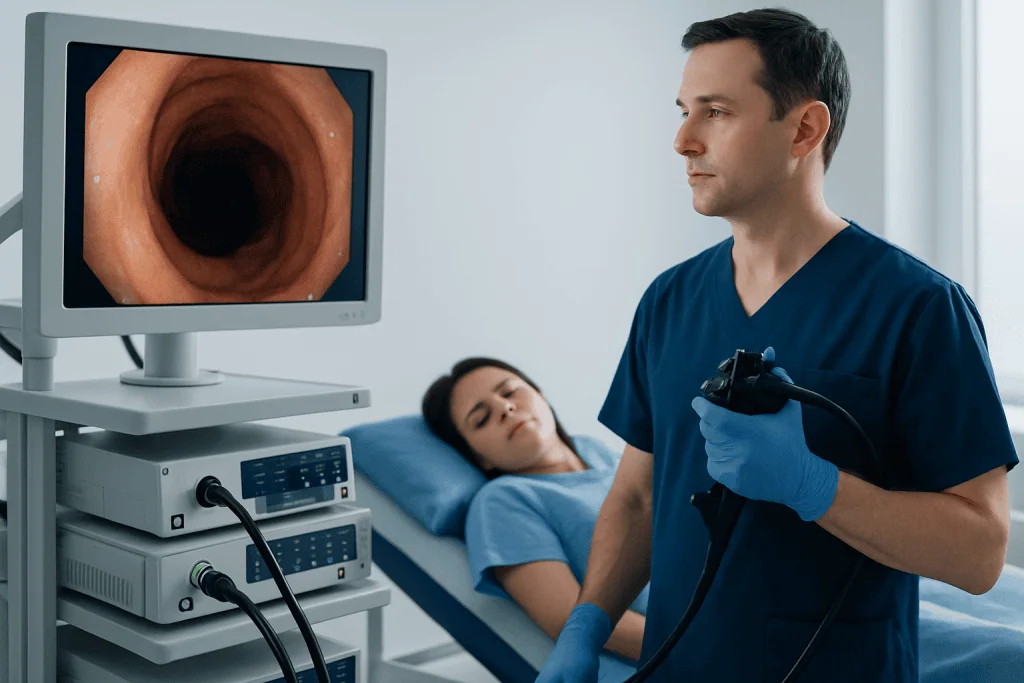
Further evaluation can include blood tests, stool testing, colonoscopy, or imaging when alarm features are present. If pelvic floor dysfunction is suspected, specialized tests such as anorectal manometry, balloon expulsion testing, or defecography may be useful. These studies assess how the rectum and pelvic floor muscles work during attempted bowel movements and can guide management, including biofeedback therapy when appropriate.
Treatment Depends on the Underlying Problem
There is no single best treatment for incomplete bowel movement because the symptom has multiple causes. If constipation is the main issue, care often begins with increasing dietary fiber gradually, improving fluid intake, establishing a regular toilet routine, and using medications when recommended by a doctor. Some people benefit from stool-softening or bowel-regulating medicines, but the choice depends on stool pattern and other health conditions.
When pelvic floor dysfunction is present, the most effective approach is often retraining the muscles rather than simply increasing laxatives. Guided pelvic floor therapy or biofeedback therapy can help a person learn to relax and coordinate the muscles used for defecation. This can reduce straining and improve the feeling of complete emptying.
If symptoms are linked to structural disease, treatment targets that condition. For example, hemorrhoids, fissures, inflammatory bowel disease, or prolapse may need specific medical or procedural care. Some people with longstanding symptoms also benefit from evaluation by specialists in gastroenterology or colorectal care to tailor testing and treatment more precisely.
Surgery is not a routine treatment for this symptom alone. It is considered only when a clear structural cause is identified and conservative treatment has not been enough. A careful diagnosis helps avoid unnecessary procedures.
Self-care, Bowel Habits, and What Usually Helps
Daily habits can make a real difference, especially when symptoms are related to constipation or irregular bowel routines. Helpful measures include eating enough fiber from vegetables, fruit, legumes, and whole grains; drinking enough fluids; being physically active; and responding to the urge to defecate rather than delaying it. These changes are often more effective when they are consistent rather than short-term.
Toilet technique also matters. Sitting with knees slightly higher than hips, leaning forward, and avoiding prolonged straining can make stool passage easier. Many people benefit from setting aside unhurried time after breakfast or another meal, when the body’s natural gastrocolic reflex is active.
It is usually best to avoid repeated self-treatment with harsh laxatives, enemas, or “detox” regimens without medical advice. These approaches may irritate the bowel, create dependence on certain products, or delay the diagnosis of a more specific problem. If symptoms continue despite simple measures, further evaluation is reasonable rather than continuing to guess.
Near the end of the diagnostic process, some patients need coordinated care from more than one specialty. Acibadem International’s multidisciplinary specialists in JCI-accredited hospitals diagnose and treat bowel and pelvic floor conditions for international patients, including assessment through colonoscopy when indicated.
When to Seek Medical Care
A short-lived feeling of incomplete emptying can happen from time to time, especially with temporary constipation. However, medical care is important if the symptom lasts more than a few weeks, keeps returning, or starts to interfere with appetite, sleep, travel, or daily routines. The goal is not only symptom relief but also making sure a more significant cause is not being missed.
A person should seek prompt medical attention if incomplete bowel movement is accompanied by rectal bleeding, black stools, unexplained weight loss, fever, vomiting, severe abdominal pain, new constipation after age 50, or a major change in usual bowel habits. These features do not always mean a serious illness is present, but they deserve timely evaluation.
People with a history of inflammatory bowel disease, colorectal polyps, colorectal cancer in the family, or previous bowel surgery should be especially careful about persistent symptoms. A qualified doctor can decide whether the problem is most likely functional, inflammatory, mechanical, or medication-related and advise the next steps safely.
Frequently asked questions
Is an incomplete bowel movement the same as constipation?
Not always. Constipation is a common cause, but the feeling can also happen with pelvic floor dysfunction, irritable bowel syndrome, hemorrhoids, or rectal inflammation. That is why stool frequency alone does not always explain the symptom.
What is tenesmus, and is it different from incomplete evacuation?
Tenesmus usually refers to a persistent or urgent feeling of needing to pass stool, even when little or none is present. It can overlap with incomplete evacuation, but it often suggests irritation or inflammation in the rectum. A doctor may use both terms depending on the pattern of symptoms.
Can stress cause the feeling of incomplete bowel movement?
Stress can contribute indirectly by affecting bowel habits, muscle tension, and gut sensitivity. It does not mean the symptom is “just psychological,” but stress can make functional bowel symptoms more noticeable. Persistent symptoms still deserve a medical review.
Should a person keep taking laxatives if the feeling does not go away?
Not necessarily. If the problem is due to poor pelvic floor coordination or rectal irritation, more laxatives may not help and may sometimes worsen discomfort. Ongoing symptoms are better evaluated by a doctor so treatment can match the cause.
Can hemorrhoids cause a sensation of incomplete bowel emptying?
Yes, they can. Hemorrhoids may create rectal fullness, irritation, or discomfort that makes a person feel as if stool is still present. However, hemorrhoids are only one possible explanation, so persistent symptoms should not be assumed to be harmless.
When is colonoscopy considered for incomplete bowel movement?
Colonoscopy may be recommended when there are alarm features such as bleeding, anemia, weight loss, or a significant change in bowel habits, or when age and screening history make it appropriate. It is also considered when symptoms persist and another cause has not been identified. The decision depends on the full clinical picture.
This article is for general information only and is not a substitute for professional medical advice. Please consult a qualified doctor about your individual situation.
Persistent digestive symptoms? Get evaluated in Turkey
JCI-accredited · board-certified surgeons · reply within 24h
Add us as a Preferred Source to see more of our trusted health content across Google Search, AI Overviews and Discover.

More from the Health Library

Sugar Substitute for Baking — Explained by Medical Evidence, Not Myths

Broccoli: A Complete Medical Overview

Capillaries — Explained by Medical Evidence, Not Myths

Ozempic Vagina — Explained by Medical Evidence, Not Myths

Shoulder: An Evidence-Based Guide for Patients