

Infectious Disease Doctor: What They Do and When to See One

An infectious disease doctor evaluates complex, recurrent, or hard-to-treat infections. These specialists diagnose infections caused by bacteria, viruses, fungi, and parasites.
Key Takeaways
- An infectious disease doctor evaluates complex, recurrent, or hard-to-treat infections.
- These specialists diagnose infections caused by bacteria, viruses, fungi, and parasites.
- People may be referred for unexplained fever, infections after travel, or infections that do not improve as expected.
- Infectious disease doctors often work with other specialists to guide testing, treatment, and prevention.
- Early specialist input can help clarify a diagnosis and support safer, more targeted treatment.
An infectious disease doctor is a specialist who diagnoses, treats, and helps prevent infections caused by bacteria, viruses, fungi, and parasites. They are often involved when an infection is severe, unusual, persistent, or difficult to manage with routine care.
Overview: What Is an Infectious Disease Doctor?
An infectious disease doctor is a physician with advanced training in diagnosing and treating infections. These infections may be caused by bacteria, viruses, fungi, or parasites. While many common infections can be treated by a primary care doctor, pediatrician, or emergency physician, some cases need the added expertise of a specialist.
This type of doctor often becomes involved when symptoms are unclear, an infection is severe, or standard treatment has not worked as expected. They also help manage infections in people with weakened immune systems, those who have recently traveled, and patients with infections affecting bones, the heart, the brain, or implanted medical devices.
Infectious disease doctors also focus on prevention. They may advise on vaccines, infection control, travel medicine, safe antibiotic use, and steps to reduce the spread of contagious illness. In hospitals, they commonly work as part of a team to guide the care of patients with serious or complicated infections.
What Conditions Do They Diagnose and Treat?
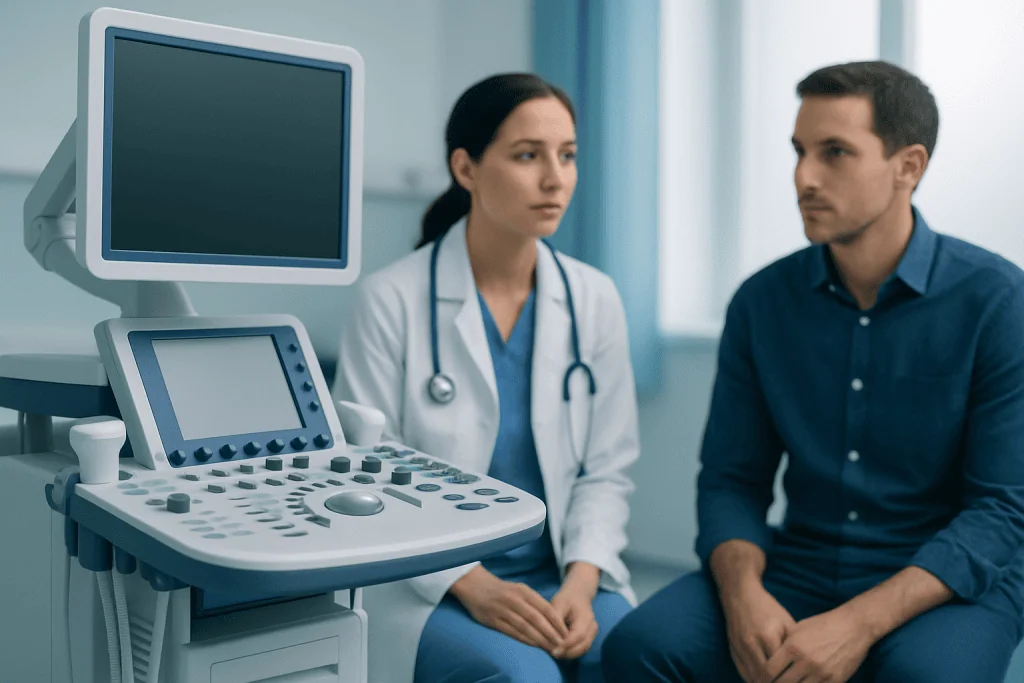
Infectious disease specialists care for a wide range of illnesses. Some are common, such as pneumonia, urinary tract infections, skin infections, or flu-like viral illnesses that become severe or prolonged. Others are more complex, including bloodstream infections, bone infections, meningitis, endocarditis, surgical wound infections, and infections in people receiving chemotherapy or immunosuppressive treatment.
They also evaluate infections linked to travel, animal exposure, food or water contamination, and sexually transmitted infections. In some cases, the main problem is not a confirmed infection but an unexplained fever, ongoing inflammation, or symptoms that resemble infection but may have another cause.
Examples of conditions they may help diagnose or manage include:
- Recurring or persistent fevers
- Pneumonia that is severe or not improving
- Bone, joint, or spinal infections
- Bloodstream infections and sepsis
- Tick-borne, mosquito-borne, or tropical infections
- Hepatitis, HIV, tuberculosis, or fungal infections
- Infections after surgery or around medical implants
Because infectious diseases can affect almost any organ, these doctors often coordinate with specialists in lung care, neurology, cardiology, surgery, pediatrics, and intensive care.
What Does an Infectious Disease Doctor Do During an Evaluation?

The first step is usually a careful review of the person’s symptoms, medical history, and possible exposures. The doctor may ask about travel, recent hospital stays, surgery, antibiotic use, immune system conditions, contact with sick people, pets, insect bites, sexual history, food habits, and workplace or environmental risks. These details can provide important clues.
A physical examination follows, focusing on signs such as fever, rash, swollen lymph nodes, breathing changes, abdominal tenderness, or signs of infection in the skin, joints, or nervous system. The specialist then decides which tests may be helpful. These can include blood tests, cultures, imaging, or more specialized studies depending on the suspected cause.
One of the most important parts of the specialist’s role is deciding whether symptoms truly point to infection. Not every fever, elevated inflammatory marker, or abnormal scan means an infection is present. Infectious disease doctors help avoid unnecessary antibiotics while making sure serious infections are recognized and treated promptly.
When to See an Infectious Disease Specialist
Many people see an infectious disease doctor only after a referral, but there are situations where specialist assessment may be especially useful. A person may be referred if an infection keeps coming back, is not improving with treatment, or has no clear source. Referral may also be recommended when symptoms are unusual or when multiple tests have not explained the illness.
People with weakened immune systems often benefit from specialist input earlier in the course of illness. This includes those with cancer, organ transplants, autoimmune disease, advanced kidney disease, uncontrolled diabetes, or medicines that suppress immunity. In these situations, infections can behave differently and may require tailored testing and treatment.
It may be time to seek specialist care if someone has:
- Repeated infections or infections that return soon after treatment
- Fever lasting more than expected without a clear diagnosis
- Severe infection requiring hospitalization
- Infection after international travel or exposure to untreated food or water
- Suspected infection of the bone, heart valve, brain, or implanted device
- Infection caused by resistant bacteria or unusual organisms
- A need for long-term intravenous antibiotics or close follow-up
Some people are referred for help with related conditions such as tuberculosis or difficult-to-manage hepatitis, while others need assessment because symptoms overlap with noninfectious diseases.
How They Diagnose Infections
Diagnosis begins with matching the person’s history and symptoms to the most likely causes. Infectious disease doctors often use targeted testing rather than broad testing alone. Depending on the case, they may order blood cultures, urine tests, throat or wound swabs, stool studies, or tests of spinal fluid. Modern laboratory methods can help identify the exact organism and show which medicines may work best.
Imaging is also important. Chest X-rays, ultrasound, CT, MRI, and echocardiography can help locate hidden infection, detect complications, or rule out other conditions. If a deep infection is suspected, a biopsy or drainage procedure may be needed so that a sample can be tested directly.
Another key part of diagnosis is reviewing previous treatments and test results. Sometimes the specialist finds that symptoms are due to inflammation, autoimmune disease, cancer, medication side effects, or another noninfectious condition. This careful approach helps guide the next step, whether that is diagnostic imaging, laboratory follow-up, hospital care, or consultation with another specialty.
Treatment Options and Ongoing Care
Treatment depends on the cause, severity, and location of the infection, as well as the person’s overall health. Infectious disease doctors may prescribe or adjust antibiotics, antiviral medicines, antifungal medicines, or antiparasitic treatment. Their aim is to use the most appropriate medicine for the specific infection, for the right length of time, while limiting side effects and resistance.
Some infections need more than medication alone. Abscesses may require drainage, infected tissue may need surgical care, and some device-related infections may need removal or replacement of the affected device. In serious cases, treatment may involve a hospital stay, close monitoring, or a multidisciplinary plan with surgeons, intensivists, or organ-specific specialists.
Follow-up is an important part of care. The doctor may monitor symptoms, repeat blood tests, check culture results, and watch for treatment response or complications. For some people, especially those with severe infection, weakened immunity, or prolonged therapy, care may include infectious diseases care and coordinated support with medical check-up services to review recovery and reduce the risk of recurrence.
Prevention, Self-Care, and Preparing for an Appointment
Not every infection can be prevented, but everyday steps can lower risk. Good hand hygiene, safe food and water habits, up-to-date vaccinations, responsible antibiotic use, and prompt care for wounds all play a role. For travel, preventive advice may include vaccines, insect protection, and guidance on food, water, and region-specific risks.
Self-care matters too. People recovering from infection should follow the treatment plan, complete medicines exactly as prescribed unless a doctor advises otherwise, stay hydrated, rest appropriately, and attend follow-up appointments. It is also important not to share antibiotics or use leftover medicines, since this can make treatment less effective and contribute to antibiotic resistance.
To prepare for an appointment, it helps to bring a list of symptoms, dates, prior illnesses, medicines, allergies, travel history, and any test results already available. Photos of a rash, records of fever patterns, or details about bites, animal contact, or hospital procedures can also be useful. Near the end of the care pathway, some patients may choose centers such as Acibadem International, where multidisciplinary specialists in JCI-accredited hospitals diagnose and treat complex infections for international patients.
When to Seek Urgent Medical Care
Some symptoms need urgent assessment rather than a routine specialist appointment. A person should seek immediate medical care for trouble breathing, confusion, chest pain, severe dehydration, seizure, a rapidly spreading rash, persistent high fever with worsening weakness, or signs of sepsis such as extreme drowsiness, fast breathing, or very low blood pressure.
Urgent care is also important for people with severe infection symptoms after surgery, during cancer treatment, after an organ transplant, or while taking immune-suppressing medicines. New severe headache, neck stiffness, sudden weakness, or signs of infection around a central line, joint replacement, or heart device should not be ignored.
Even when symptoms are not an emergency, early medical review can help prevent complications. If there is uncertainty about whether a specialist is needed, a primary care doctor or emergency clinician can guide the referral and help decide the most appropriate next step.
Frequently asked questions
What is the difference between an infectious disease doctor and a general doctor?
A general doctor treats many common illnesses, including routine infections. An infectious disease doctor has additional training in complex, severe, unusual, or recurring infections and often helps when the diagnosis is uncertain or treatment is not working as expected.
Do people need a referral to see an infectious disease doctor?
In many healthcare systems, people are referred by a primary care doctor, hospital team, or another specialist. However, the process depends on local practice, insurance rules, and whether the visit is in a hospital or outpatient setting.
Can an infectious disease specialist help if tests have not found the cause of a fever?
Yes. Unexplained fever is one of the common reasons for referral. The specialist reviews symptoms, exposure history, prior test results, and possible noninfectious causes to decide what further evaluation may be useful.
Do infectious disease doctors only treat rare tropical illnesses?
No. They do treat travel-related and tropical infections, but they also manage more familiar problems such as severe pneumonia, bloodstream infections, surgical infections, and recurrent urinary or skin infections. Their expertise is useful whenever an infection is complicated or difficult to manage.
Will an infectious disease doctor always prescribe antibiotics?
Not necessarily. If the illness is caused by a virus, fungus, parasite, or a noninfectious condition, antibiotics may not help. One of the specialist’s important roles is choosing the right treatment and avoiding unnecessary antibiotics.
What should someone bring to an infectious disease appointment?
It helps to bring a list of symptoms, medicines, allergies, past infections, travel history, and any recent test results or scans. Details about surgeries, hospital stays, animal or insect exposure, and previous antibiotics can also be very helpful.
References
- World Health Organization
- Centers for Disease Control and Prevention
- European Centre for Disease Prevention and Control
- Infectious Diseases Society of America
- National Health Service
This article is for general information only and is not a substitute for professional medical advice. Please consult a qualified doctor about your individual situation.
Explore treatments in Turkey — costs, top hospitals & a free quote
JCI-accredited · board-certified surgeons · reply within 24h
Add us as a Preferred Source to see more of our trusted health content across Google Search, AI Overviews and Discover.

Infectious Diseases Department
22 specialists in this unitMore from the Health Library



Related Specialists

Prof. Dr. Arzu Ertürk
Pulmonary Medicine
Asst. Prof. Dr. Altuğ Özagar
Otorhinolaryngology
Dr. Burcu Babaoğlu Elkhatroushi
Pulmonology
Prof. Dr. Şükrü Yazar
Aesthetic Plastic & Reconstructive Surgery