Infectious vs Noninfectious Diseases: What Is the Difference?

Infectious diseases are caused by germs such as bacteria, viruses, fungi, or parasites and may spread from person to person, animals, food, water, or the environment. Noninfectious diseases are not caused by germs and do not spread between people; they often relate to genetics, aging, lifestyle, immune problems, or environmental factors.
Key Takeaways
- Infectious diseases are caused by germs such as bacteria, viruses, fungi, or parasites and may spread from person to person, animals, food, water, or the environment.
- Noninfectious diseases are not caused by germs and do not spread between people; they often relate to genetics, aging, lifestyle, immune problems, or environmental factors.
- Symptoms can overlap, so diagnosis often depends on medical history, examination, and tests such as blood work, imaging, or cultures.
- Prevention differs: vaccines, hand hygiene, and food safety help prevent infections, while healthy habits and routine screening help prevent many noninfectious conditions.
- A doctor should evaluate severe, persistent, unusual, or worsening symptoms, especially when there is fever, breathing difficulty, dehydration, chest pain, or confusion.
Infectious and noninfectious diseases are both common, but they have different causes, patterns, and approaches to prevention and treatment. Understanding the difference helps people recognize when an illness may spread, when lifestyle or long-term care matters most, and when medical advice is needed.
Overview
The main difference in infectious vs noninfectious diseases is the cause. Infectious diseases are illnesses caused by microorganisms such as bacteria, viruses, fungi, or parasites. These germs can enter the body, multiply, and trigger symptoms. Some infectious diseases spread easily from one person to another, while others come from contaminated food, water, insect bites, animals, or environmental exposure.
Noninfectious diseases, sometimes called noncommunicable diseases, are not caused by germs and do not spread between people. They include many common health conditions such as heart disease, diabetes, asthma, many cancers, autoimmune disorders, and genetic conditions. These illnesses often develop over time or arise because of inherited traits, immune system problems, environmental exposures, or lifestyle factors.
Although the distinction sounds simple, it is not always obvious in daily life. A cough may be due to a viral infection, but it can also happen with asthma, reflux, or heart conditions. Joint pain may follow an infection or may be related to autoimmune disease. Because symptoms can overlap, a medical assessment is often needed to identify the real cause and guide the right treatment.
What Are Infectious Diseases?
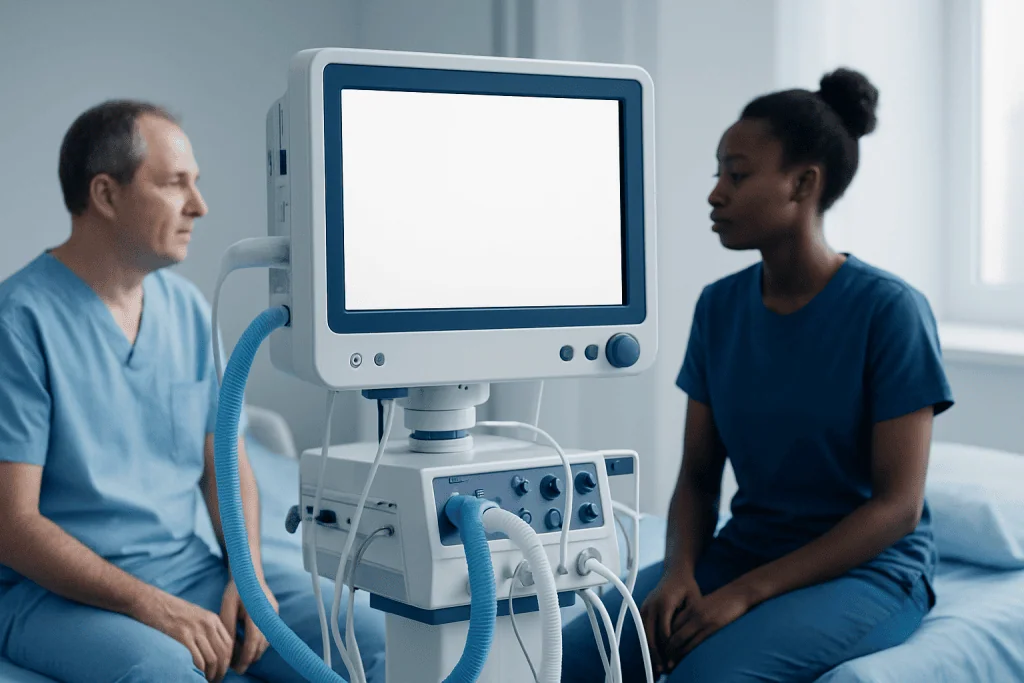
Infectious diseases happen when harmful organisms enter the body and cause illness. Common examples include influenza, COVID-19, tuberculosis, urinary tract infections, food poisoning, and fungal skin infections. Depending on the germ and the person affected, an infection may be mild and short-lived or more serious and prolonged.
These diseases spread in different ways. Respiratory infections may travel through droplets or close contact. Some infections spread through contaminated food or water, blood, sexual contact, insect bites, or touching contaminated surfaces. The ability to spread varies widely, which is why public health measures may differ from one infection to another.
Typical signs of infection can include fever, chills, fatigue, cough, sore throat, vomiting, diarrhea, rash, swollen glands, or pain in a specific area. Not everyone has the same symptoms, and some people, especially older adults, young children, pregnant people, or those with weakened immune systems, may become sicker more quickly.
Doctors diagnose infectious diseases based on symptoms, exposure history, physical examination, and tests. These may include blood tests, swabs, urine tests, stool tests, or imaging. In some situations, specialized care may be needed for conditions such as infectious diseases affecting the lungs, bloodstream, or nervous system.
What Are Noninfectious Diseases?
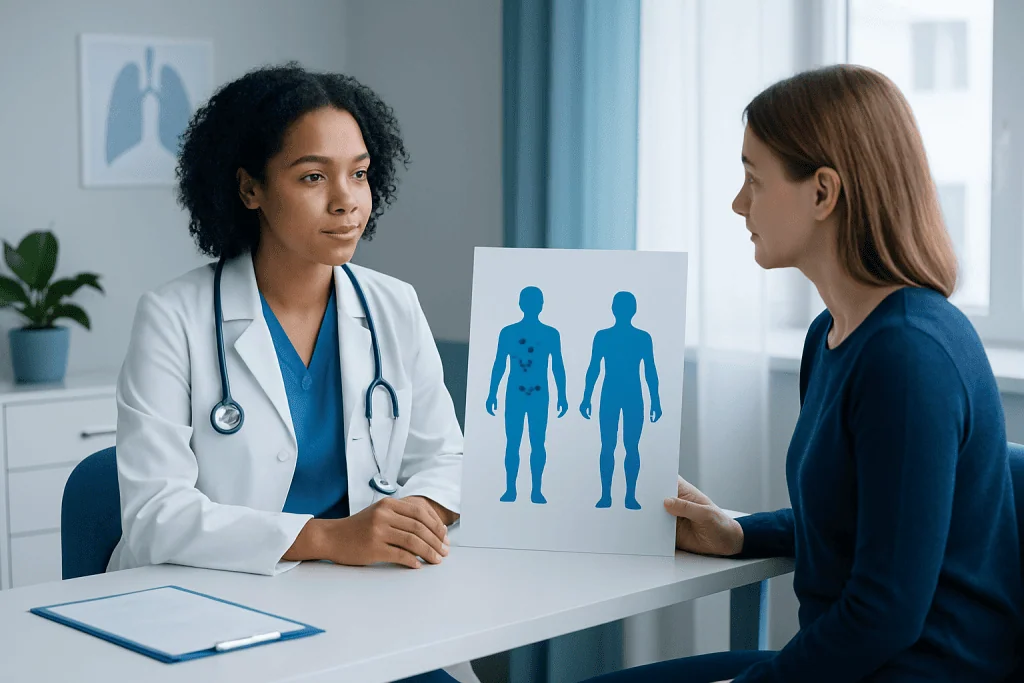
Noninfectious diseases are conditions that do not result from contagious germs. They often develop because of a combination of genetic, metabolic, immune, environmental, and behavioral factors. Some appear suddenly, such as an allergic reaction or stroke, while many others develop gradually over months or years.
Examples include high blood pressure, coronary artery disease, type 2 diabetes, chronic kidney disease, arthritis, chronic lung disease, osteoporosis, depression, and many cancers. Autoimmune disorders are another important group. In these conditions, the immune system mistakenly attacks the body’s own tissues instead of fighting infection.
Symptoms depend on the affected organ system. A noninfectious disease may cause pain, fatigue, shortness of breath, weight changes, poor sleep, weakness, swelling, or changes in mood or concentration. Because these symptoms may be subtle at first, routine checkups and screening can be important for early detection.
Many noninfectious conditions are long-term and need ongoing management rather than a short course of treatment. Care may involve regular follow-up, lifestyle changes, monitoring, and medications or procedures when needed. An accurate diagnosis helps doctors decide whether symptoms point to a chronic condition, a temporary problem, or an illness that needs urgent treatment.
Causes and Risk Factors: How They Differ
The causes of infectious and noninfectious diseases are different, but a person’s overall health can affect both. Infectious diseases are caused by exposure to a germ. Risk rises with close contact with sick people, poor sanitation, contaminated food or water, certain travel exposures, unprotected sex, insect bites, and weakened immunity. Crowded settings and lack of vaccination can also increase the chance of infection.
Noninfectious diseases usually result from a more complex mix of influences. These can include family history, age, smoking, lack of physical activity, poor diet, stress, alcohol use, sleep problems, air pollution, occupational exposures, and other chronic health conditions. Some noninfectious illnesses, such as autoimmune disease, are linked to abnormal immune responses rather than germs.
It is also important to know that the two categories can interact. An infection may trigger complications in someone with diabetes or heart disease. Some infections can lead to long-term consequences, such as liver damage after viral hepatitis or joint problems after certain infections. In other cases, noninfectious conditions and their treatments can weaken the immune system and make infections more likely.
This overlap is one reason self-diagnosis may be misleading. Persistent symptoms are not always “just a virus,” and long-term fatigue is not always caused by stress. Medical evaluation helps separate infectious causes from noninfectious ones and identify whether more than one issue may be present.
Symptoms and Diagnosis
There is no single symptom that perfectly separates infectious from noninfectious disease. Fever often suggests infection, but it can also occur with autoimmune conditions, cancer, or inflammatory disorders. Likewise, chest pain may signal pneumonia, but it can also relate to heart disease, acid reflux, or muscle strain. This is why context matters.
Doctors usually begin with a health history and physical examination. They may ask when symptoms started, whether others nearby are ill, whether there has been recent travel, new foods, insect exposure, medication use, or a personal or family history of chronic disease. They also look for patterns, such as symptoms that come and go, appear after exposure, or worsen over time.
Diagnostic testing depends on the suspected cause. Infectious diseases may require cultures, rapid antigen tests, molecular tests, or blood tests that look for signs of infection. Noninfectious diseases may be evaluated with blood chemistry tests, hormone studies, imaging, lung function tests, heart tests, or biopsy when appropriate.
Sometimes diagnosis takes time, especially when symptoms are broad or involve several body systems. A careful step-by-step approach is often the safest way to avoid unnecessary treatment and to identify conditions that may need prompt care, such as severe infections, heart disease, or inflammatory disorders.
Treatment Options
Treatment depends entirely on the cause. Infectious diseases may be treated with antiviral, antibacterial, antifungal, or antiparasitic medicines when appropriate. Supportive care is also important and may include rest, fluids, fever control, and monitoring for complications. Not every infection needs a specific drug treatment; for example, many viral illnesses improve with supportive care alone.
Noninfectious diseases are managed according to the affected organ system and the underlying mechanism. Treatment may include lifestyle changes, long-term medication, physical therapy, counseling, rehabilitation, or procedures. For some conditions, doctors focus on symptom control and prevention of complications. For others, treatment aims to slow disease progression or correct a structural problem.
Correct diagnosis matters because the wrong treatment may not help and can sometimes cause harm. Antibiotics do not treat noninfectious diseases or most viral infections. In contrast, assuming a persistent illness is noninfectious may delay treatment for an infection that needs prompt care. When advanced assessment is needed, doctors may use tests such as MRI, CT scan, or blood tests to clarify the diagnosis.
For international patients who need coordinated evaluation, Acibadem International’s multidisciplinary specialists and JCI-accredited hospitals diagnose and treat both infectious and noninfectious conditions using individualized care plans.
Prevention and Self-Care
Preventing infectious diseases often centers on reducing exposure to germs and strengthening protection. Helpful steps include handwashing, safe food preparation, clean water, staying up to date with recommended vaccines, covering coughs and sneezes, avoiding close contact when ill, and following travel or workplace health guidance. When prescribed, completing treatment as directed can also reduce complications and spread.
Prevention of noninfectious diseases focuses more on long-term health habits and risk reduction. Regular physical activity, balanced nutrition, not smoking, limiting alcohol, maintaining a healthy weight, managing stress, and getting enough sleep all support overall health. Routine health checks can help identify high blood pressure, high cholesterol, diabetes, and other conditions before symptoms become serious.
Self-care should be practical and safe. Rest and hydration are useful when feeling unwell, but they are not substitutes for medical care if symptoms are severe or persistent. It is also wise to avoid sharing medicines, using leftover antibiotics, or delaying assessment because an illness seems similar to a previous one.
People with chronic diseases, immune suppression, pregnancy, or advanced age may need extra prevention strategies. Their doctors may recommend vaccines, screening, infection precautions, or closer monitoring based on personal health needs.
When to See a Doctor
Medical advice is appropriate whenever symptoms are severe, unusual, or not improving. A person should seek prompt care for difficulty breathing, chest pain, dehydration, confusion, a high or persistent fever, severe weakness, bluish lips, a seizure, or a rapidly spreading rash. These signs can occur with serious infections as well as urgent noninfectious conditions.
It is also important to see a doctor for symptoms that last longer than expected, keep returning, or interfere with daily life. Examples include ongoing cough, unexplained weight loss, repeated fever, persistent diarrhea, lasting fatigue, joint swelling, recurrent pain, or steadily worsening shortness of breath. These symptoms need professional evaluation even when they do not feel like an emergency.
Parents should be especially cautious with infants and young children, and older adults should be evaluated earlier because illness may progress differently in these age groups. People with weakened immune systems or chronic diseases may also need care sooner than others.
In general, the safest approach is not to focus only on whether a disease is infectious or noninfectious, but to pay attention to the pattern and severity of symptoms. A qualified doctor can determine the cause, explain the next steps clearly, and recommend treatment that fits the individual situation.
Frequently asked questions
What is the difference between infectious and noninfectious diseases?
Infectious diseases are caused by germs such as bacteria, viruses, fungi, or parasites. Noninfectious diseases are not caused by germs and do not spread from person to person. They are often related to genetics, lifestyle, aging, immune problems, or environmental factors.
Can infectious and noninfectious diseases have similar symptoms?
Yes. Symptoms such as cough, fatigue, fever, pain, or weight loss can happen in both types of disease. Because symptoms overlap, doctors often use history, examination, and tests to find the exact cause.
Are all infectious diseases contagious?
No. Some infectious diseases spread easily between people, but others do not. Certain infections are acquired from food, water, insects, animals, or the environment rather than direct person-to-person contact.
Can a noninfectious disease increase the risk of infection?
Yes. Conditions such as diabetes, kidney disease, cancer, or immune disorders can make infections more likely or more severe. Some treatments for noninfectious diseases can also weaken the immune system and raise infection risk.
Do antibiotics treat both infectious and noninfectious diseases?
No. Antibiotics treat some bacterial infections, but they do not work for viral illnesses or for noninfectious diseases. Taking antibiotics when they are not needed can lead to side effects and antibiotic resistance.
How can a person help prevent both types of disease?
For infections, useful steps include hand hygiene, vaccines, food safety, and avoiding risky exposures. For noninfectious diseases, prevention often involves not smoking, regular exercise, balanced nutrition, stress management, healthy sleep, and routine health screening.
References
- World Health Organization
- Centers for Disease Control and Prevention
- National Institutes of Health
- MedlinePlus
- Mayo Clinic
This article is for general information only and is not a substitute for professional medical advice. Please consult a qualified doctor about your individual situation.
Explore treatments in Turkey — costs, top hospitals & a free quote
JCI-accredited · board-certified surgeons · reply within 24h
Add us as a Preferred Source to see more of our trusted health content across Google Search, AI Overviews and Discover.
Check your numbers in seconds
BMI, calories, due date, blood pressure and 30+ more clinical calculators — free, instant, doctor-reviewed ranges.