Inflammation of the Prostate Treatment: How It Works, Results and What to Expect

Inflammation of the prostate is not always caused by a bacterial infection, so treatment should be guided by medical assessment. Acute bacterial prostatitis needs prompt medical care because it can cause fever, severe pain and urinary retention.
Key Takeaways
- Inflammation of the prostate is not always caused by a bacterial infection, so treatment should be guided by medical assessment.
- Acute bacterial prostatitis needs prompt medical care because it can cause fever, severe pain and urinary retention.
- Chronic symptoms often improve through a combined plan that addresses urinary, pelvic floor, pain and lifestyle factors.
- Recovery time varies widely, from days to weeks for acute illness to longer-term symptom management for chronic pelvic pain syndrome.
- New fever, inability to urinate, severe pain or worsening symptoms require urgent medical evaluation.
Inflammation of the prostate, often called prostatitis, is treated according to its likely cause, symptom pattern and severity. Care may include antibiotics for bacterial infection, medicines for urinary symptoms and pain, pelvic floor rehabilitation, and practical measures that support recovery.
Overview: how inflammation of the prostate treatment works
Inflammation of the prostate treatment aims to address the underlying cause, relieve urinary and pelvic symptoms, and prevent complications. The prostate is a small gland below the bladder that contributes fluid to semen. When it becomes inflamed or irritated, it may cause pain in the pelvis, perineum or lower back, burning with urination, frequent urination, difficulty emptying the bladder, or discomfort during or after ejaculation.
The medical term for prostate inflammation is prostatitis. It includes acute bacterial prostatitis, chronic bacterial prostatitis, chronic prostatitis/chronic pelvic pain syndrome (CP/CPPS), and asymptomatic inflammatory prostatitis. These forms can feel similar, but they do not respond to the same treatments. A clinician therefore evaluates symptoms, urine findings and possible contributing conditions before recommending care.
Many people improve with individualized, non-surgical treatment. Surgical procedures are not routine for prostatitis itself, but may be considered if a related problem such as a prostate abscess, urinary obstruction or bladder stone is identified. A urologist can also assess related prostate concerns such as benign prostatic hyperplasia.
Symptoms, causes and who may need treatment
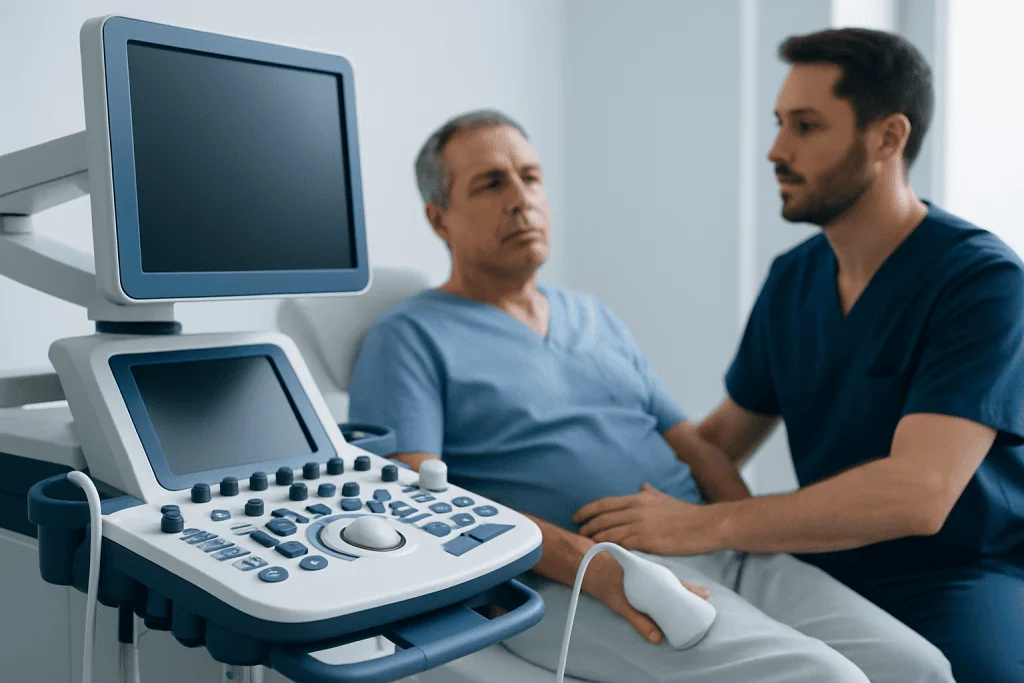
Symptoms can begin suddenly or develop gradually. Acute bacterial prostatitis commonly causes fever, chills, feeling unwell, painful urination, pelvic pain and sometimes difficulty passing urine. Chronic bacterial prostatitis and CP/CPPS may cause recurring or persistent pelvic discomfort, urinary symptoms, sexual discomfort, and symptoms that fluctuate over time.
Bacteria are more likely to be involved when urine testing shows infection or when there are systemic symptoms such as fever. In other cases, no infection is found. CP/CPPS may involve pelvic floor muscle tension, nerve sensitivity, urinary tract irritation, stress-related symptom amplification, or several factors at once. This does not mean symptoms are imagined; it means that treatment often needs to address more than one pathway.
Risk may be higher after a urinary tract infection, urinary catheter use, prostate procedures, incomplete bladder emptying, stones, or certain sexually transmitted infections. However, many people with chronic symptoms have no single clear cause. A careful review helps distinguish prostatitis from urinary tract infection, sexually transmitted infection, bladder conditions and other causes of pelvic pain.
How diagnosis guides the right treatment plan
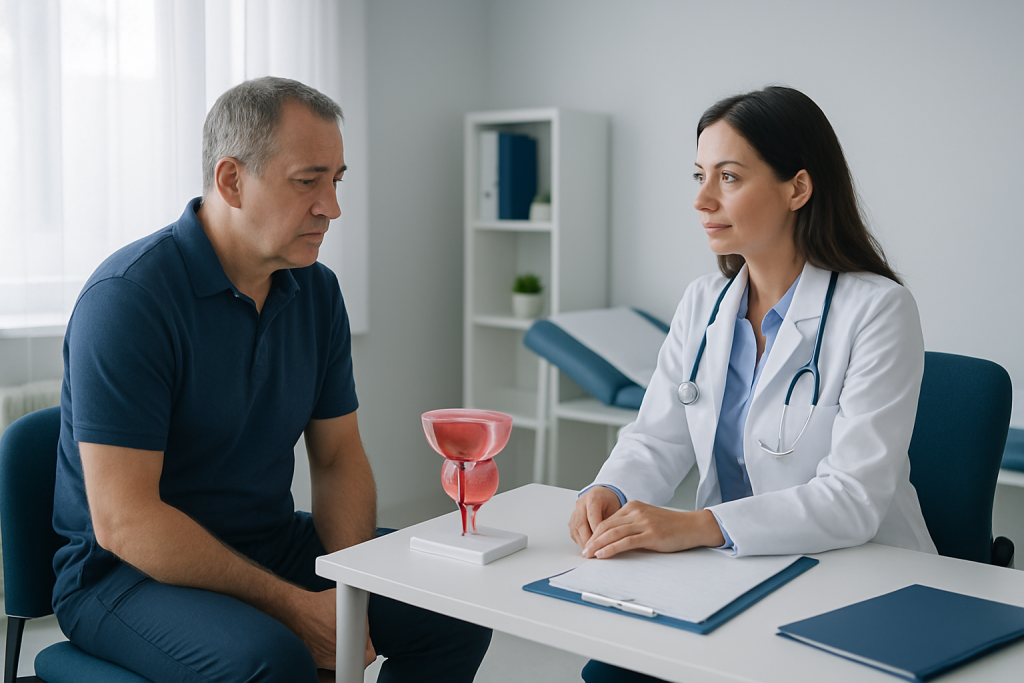
Diagnosis begins with a discussion of symptoms, their duration, recent infections, sexual health, medications and prior urinary problems. A clinician may perform an abdominal and external genital examination and, when appropriate, a gentle digital rectal examination to assess the prostate. In acute illness, the examination is performed cautiously because the prostate can be very tender.
Urinalysis and a urine culture can look for bacteria and help select an appropriate antibiotic if infection is present. Blood tests may be needed when a person has fever or appears unwell. Testing for sexually transmitted infections may be appropriate for some patients. Imaging is not required for everyone, but ultrasound or CT may be used if there is concern about urinary retention, stones, an abscess or another complication.
A prostate-specific antigen (PSA) test is not usually used to diagnose prostatitis. Inflammation can temporarily raise PSA levels, which can make the result harder to interpret. If PSA testing is needed, the clinician may recommend waiting until acute inflammation has settled, depending on the person’s circumstances.
Treatment options and a step-by-step care pathway
Treatment typically starts with confirming whether bacterial infection is likely. For acute or chronic bacterial prostatitis, a clinician may prescribe an antibiotic chosen for the suspected or confirmed organism. The full course should be taken exactly as directed, even if symptoms improve earlier. Antibiotics are not routinely helpful when tests and clinical findings do not suggest a bacterial infection, and unnecessary use can cause side effects and contribute to antibiotic resistance.
Symptom relief may include pain-relieving or anti-inflammatory medicines when medically appropriate, as well as medicines that relax the bladder outlet and prostate area to improve urine flow. Warm baths or heat, regular hydration, avoiding bladder irritants such as alcohol or excess caffeine, and preventing constipation may also reduce discomfort for some people. A clinician can advise which options are safe alongside other health conditions and medicines.
For chronic prostatitis/chronic pelvic pain syndrome, care is often phased. First, the clinician excludes urgent infection or obstruction. Next, treatment may target the dominant symptoms: urinary medicines for troublesome flow symptoms, pain strategies for pelvic discomfort, and pelvic floor rehabilitation when muscle overactivity or tenderness is contributing. Pelvic floor therapy is different from simply strengthening the muscles; treatment may focus on relaxation, breathing, posture and coordinated muscle function.
Follow-up is an important part of the process. If symptoms do not improve, the clinician reviews culture results, medication tolerance, pelvic floor findings, sexual symptoms and possible alternative diagnoses. Acibadem International’s multidisciplinary specialists at JCI-accredited hospitals can assess prostatitis and related urinary symptoms for international patients.
Benefits, risks and what recovery may look like
The main benefit of appropriate treatment is reduced pain, improved urination and a lower risk of complications from bacterial infection. Acute bacterial prostatitis often starts to improve within several days after effective treatment begins, though fatigue and urinary discomfort may take longer to settle. A follow-up plan helps ensure that infection has resolved and that bladder emptying is adequate.
Chronic symptoms can improve gradually rather than all at once. Some people need several weeks or months of combined care, and symptoms may flare during periods of stress, prolonged sitting, constipation or other personal triggers. Improvement is still possible, especially when treatment is adjusted to the individual’s symptom pattern and contributing factors.
Potential treatment risks depend on the approach. Antibiotics can cause nausea, diarrhea, allergic reactions or other adverse effects, and they may not help non-bacterial prostatitis. Medicines for urinary symptoms can cause dizziness or changes in blood pressure in some people. Pelvic floor therapy may cause short-lived tenderness as sensitive muscles are assessed and treated, but it is generally non-invasive when provided by a trained professional.
How long does it take for an inflamed prostate to heal?
Healing time depends on the type of prostatitis and whether infection is present. Acute bacterial prostatitis may begin to improve within a few days of starting effective treatment, but complete recovery can take several weeks. The prescribed medication course may be longer than the period of noticeable symptoms because the aim is to fully treat the infection.
Chronic bacterial prostatitis can take longer to clear and may recur, particularly if bacteria persist in the prostate or there is an underlying urinary tract issue. Chronic pelvic pain syndrome does not always have a fixed healing timeline. Symptoms may improve over weeks to months with a tailored plan that includes pain management, urinary care, pelvic floor treatment and attention to individual triggers.
People should contact their clinician if symptoms are not improving as expected, return after treatment, or change significantly. Persistent symptoms deserve reassessment rather than repeated self-treatment.
How serious is prostate inflammation?
Prostate inflammation is often treatable, but its seriousness depends on the type and severity. Chronic pelvic pain syndrome can significantly affect comfort, sleep, work and sexual wellbeing, even though it is not typically a life-threatening condition. Supportive care and follow-up are appropriate because ongoing symptoms can have a real impact on quality of life.
Acute bacterial prostatitis can become serious if infection spreads or if swelling prevents urine from leaving the bladder. Warning signs include high fever, chills, severe pelvic or lower abdominal pain, confusion, vomiting, or inability to urinate. These symptoms require urgent assessment, and some people may need hospital treatment with fluids, antibiotics given into a vein, or temporary bladder drainage.
A prostate abscess is uncommon but can occur when an infection does not respond as expected. Clinicians may use imaging to investigate this possibility in people with persistent fever or worsening symptoms despite treatment.
Can you reverse prostate inflammation? Does ejaculating help?
In many cases, prostate inflammation can resolve or become much more manageable. Bacterial prostatitis may be cured with the right antibiotic treatment and management of any contributing urinary problem. In chronic pelvic pain syndrome, the goal is often meaningful, sustained symptom control rather than a single immediate cure; many people improve with a combined and regularly reviewed plan.
Ejaculation does not have a proven universal benefit for an inflamed prostate. Some people with chronic symptoms report temporary relief after ejaculation, while others experience more pain during or afterward. During acute bacterial prostatitis, sexual activity may be uncomfortable and is usually best avoided until the person feels better and a clinician has advised that it is safe, particularly if a sexually transmitted infection is being considered.
Rather than following a fixed schedule, individuals should pay attention to whether ejaculation worsens or eases their own symptoms and discuss persistent sexual pain with a clinician. If infection is possible, sexual partners may also need assessment or treatment depending on the cause.
When to seek medical care
Medical assessment is recommended for new pelvic pain, painful urination, frequent urination, blood in the urine, pain with ejaculation, or symptoms that last more than a few days. Evaluation is especially important for people with recurrent urinary infections, a history of urinary obstruction, recent urinary procedures, diabetes, reduced immune function, or symptoms suggestive of a sexually transmitted infection.
Urgent care is needed for fever or chills with urinary symptoms, severe pain, vomiting, inability to pass urine, confusion, or rapidly worsening illness. These signs may indicate acute bacterial prostatitis or urinary retention and should not be managed at home.
Until reviewed, people can stay hydrated unless they have been told to restrict fluids, avoid alcohol and excess caffeine if these worsen symptoms, and avoid taking leftover antibiotics. A qualified clinician can recommend the safest next steps and decide whether specialist urology care is needed.
Frequently asked questions
What is the most effective inflammation of the prostate treatment?
The most effective treatment depends on the type of prostatitis. Bacterial prostatitis is usually treated with clinician-prescribed antibiotics, while chronic pelvic pain syndrome may respond best to a combination of pain relief, urinary symptom treatment, pelvic floor therapy and lifestyle adjustments. A urine test and clinical assessment help guide the right approach.
Can prostatitis go away without antibiotics?
Non-bacterial prostatitis or chronic pelvic pain syndrome may improve without antibiotics because bacteria are not the cause. However, suspected acute bacterial prostatitis needs prompt medical assessment and usually requires antibiotics. A person should not decide this based on symptoms alone, as testing may be needed.
How long does it take for an inflamed prostate to heal?
Acute bacterial prostatitis may start improving within a few days of effective treatment, but recovery can take weeks. Chronic symptoms can improve more gradually over weeks or months. Recovery varies according to the cause, symptom severity and response to treatment.
How serious is prostate inflammation?
Many cases are manageable, but acute bacterial prostatitis can be serious if it causes high fever, spreading infection or inability to urinate. Chronic forms are usually not life-threatening, though they can substantially affect daily comfort and sexual wellbeing. Fever, severe pain or urinary retention require urgent care.
Can you reverse prostate inflammation?
Bacterial inflammation can often resolve with appropriate treatment. Chronic pelvic pain syndrome can frequently be improved, although symptoms may fluctuate and require ongoing management. Finding and treating contributing factors gives the best chance of lasting relief.
Does ejaculating help an inflamed prostate?
Ejaculation may temporarily relieve symptoms for some people, but it can worsen pain for others. There is no proven rule that it treats prostate inflammation. During acute infection or when ejaculation is painful, it is best to discuss sexual activity with a clinician.
References
- National Institute of Diabetes and Digestive and Kidney Diseases
- American Urological Association
- European Association of Urology
- Mayo Clinic
- Merck Manual Consumer Version
This article is for general information only and is not a substitute for professional medical advice. Please consult a qualified doctor about your individual situation.
Explore treatments in Turkey — costs, top hospitals & a free quote
JCI-accredited · board-certified surgeons · reply within 24h
Add us as a Preferred Source to see more of our trusted health content across Google Search, AI Overviews and Discover.