Injection Injection Injection: A Complete Medical Overview

Injections deliver medicines or other substances through a needle into specific body tissues or blood vessels. Common types include intramuscular, subcutaneous, intradermal, and intravenous injections.
Key Takeaways
- Injections deliver medicines or other substances through a needle into specific body tissues or blood vessels.
- Common types include intramuscular, subcutaneous, intradermal, and intravenous injections.
- Most injections cause only brief discomfort and mild short-term reactions such as soreness or redness.
- Safe technique, correct site selection, and trained healthcare staff help reduce complications.
- Medical advice is important if there is severe pain, swelling, trouble breathing, fever, or signs of infection after an injection.
Injection injection injection is a broad way of asking about medical injections: what they are, why they are used, and what patients can expect. In healthcare, injections are a common, controlled method to deliver medicines, vaccines, contrast agents, or fluids into the body when a fast or reliable effect is needed.
Overview: what “injection injection injection” means
Injection injection injection generally refers to medical injections as a group rather than a single disease or procedure. An injection is a method of putting a medicine, vaccine, nutrient, contrast material, or fluid into the body using a needle and syringe or a specialized delivery device. Clinicians choose injections when a substance needs to work quickly, be absorbed reliably, or cannot be taken easily by mouth.
In everyday care, injections are used in many settings. They may be given in a doctor’s office, hospital, emergency department, pharmacy, imaging unit, or at home after proper teaching. Some are one-time treatments, such as a vaccine or local anesthetic, while others are repeated regularly, such as insulin or vitamin therapy prescribed for a specific medical reason.
For most patients, injections are brief and routine. The experience often involves cleaning the skin, placing the needle into a specific tissue layer or vein, delivering the substance, and then watching for a short period if needed. The exact process depends on the type of injection, the medicine being used, and the patient’s age, health, and treatment goals.
Why injections are used in medicine
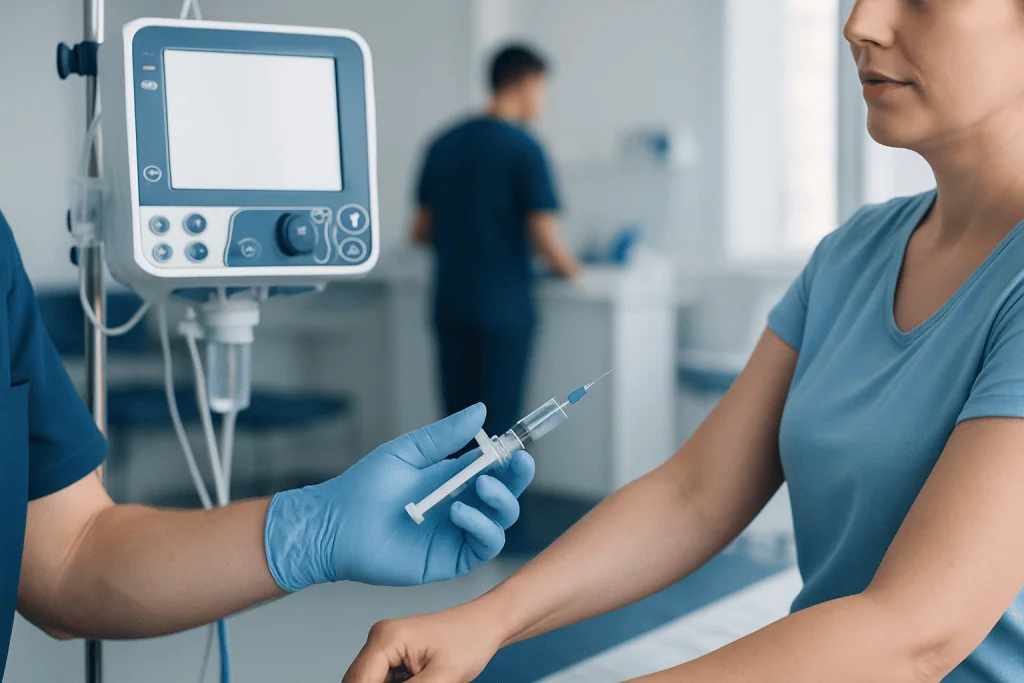
Injections are used because they can deliver treatment directly and predictably. Some medicines are broken down in the stomach or absorbed poorly when taken by mouth, so an injection offers a more dependable effect. In other situations, a fast response is important, such as pain control, emergency medicines, fluids for dehydration, or antibiotics for serious infections.
Vaccination is another major reason injections are used. Vaccines train the immune system to recognize and respond to infections. Injectable vaccines have helped reduce the risk of many serious illnesses across all age groups and remain a key part of preventive healthcare.
Injections also support diagnosis and imaging. Contrast agents may be injected during scans so structures inside the body can be seen more clearly. In some cases, doctors inject medications into joints, around nerves, or into veins to evaluate symptoms and guide further care. For example, imaging-guided care may be part of a broader diagnostic pathway that includes MRI scanning or CT scanning when symptoms need closer evaluation.
- To deliver medicine quickly
- To improve absorption or reliability
- To give vaccines
- To replace fluids or nutrients
- To support imaging or diagnosis
- To target a specific body area, such as a joint or vein
Main types of injections and how they differ

Medical injections are named by where the substance is delivered. Intradermal injections go into the top layer of the skin and are often used for certain tests. Subcutaneous injections go into the fatty layer under the skin and are commonly used for medicines such as insulin or some blood thinners. Intramuscular injections go deeper into muscle, where medicines can be absorbed well. Intravenous injections or infusions go directly into a vein for immediate delivery into the bloodstream.
Some procedures involve more specialized injections. These may include joint injections for inflammation, local anesthetic injections before a procedure, or contrast injections for imaging studies. These are selected based on the condition being assessed and the treatment plan. If a patient’s symptoms suggest a related underlying problem, doctors may also investigate conditions such as diabetes when regular self-injection is needed for long-term care.
The choice of injection type depends on the medicine itself, how fast it should work, how much needs to be given, and which tissues are safest and most effective. The injection site is also important. Common areas include the upper arm, thigh, abdomen, buttock, or a vein in the hand or arm. Trained clinicians choose the route carefully to reduce discomfort and protect nerves, blood vessels, and skin.
What to expect before, during, and after an injection
Before an injection, a healthcare professional usually confirms the medicine, dose, route, and the patient’s identity. They may also ask about allergies, bleeding problems, blood-thinning medicines, pregnancy, previous reactions, or infection at the proposed injection site. This short safety check helps prevent avoidable complications.
During the injection, the skin is cleaned first. The patient may feel a quick pinch, pressure, or brief stinging sensation depending on the medicine and location. Some injections are completed in seconds, while intravenous therapy may take longer if fluid or medication is given through a drip. Children and anxious adults may benefit from calm explanation, distraction, breathing techniques, or numbing strategies when appropriate.
Afterward, mild soreness, redness, or a small bruise can happen and usually settles within a short time. Patients may be advised to move the limb gently, apply a cool compress, or keep the site clean and dry depending on the type of injection. Some injections, such as vaccines or intravenous contrast, may require a short observation period. If imaging or specialist assessment is part of the care plan, doctors may coordinate further evaluation with tests such as ultrasound or other targeted studies.
Possible side effects and risks
Most injection-related side effects are minor and temporary. Common reactions include tenderness, mild swelling, redness, warmth, itching, or a small bruise where the needle entered. Some medicines can also cause expected short-lived effects such as fatigue, mild fever, or nausea, depending on what was injected.
Less commonly, injections can lead to bleeding, infection, damage to nearby tissues, fainting, or an allergic reaction. Intravenous injections may sometimes irritate the vein, and repeated injections into the same area can affect skin or soft tissue. Technique matters: using the correct needle, site, depth, and sterile precautions greatly lowers risk.
Rare but urgent reactions can include severe swelling, difficulty breathing, wheezing, widespread rash, chest tightness, or collapse shortly after an injection. These symptoms need immediate medical attention. A delayed increase in pain, spreading redness, pus, or fever may suggest infection and should also be assessed promptly. When injections are being used as part of treatment for a known condition, clinicians may also review related disorders such as anemia or other causes of fatigue or weakness if follow-up injections are being considered.
Safe use, self-care, and prevention of problems
Safe injection practice starts with the person giving the injection. Needles and syringes should be single-use unless a specific approved device is designed otherwise. Hand hygiene, skin cleaning, proper disposal of sharps, and correct storage of medicines all help prevent contamination and injury. Patients who give themselves injections at home should receive hands-on instruction and written guidance.
Rotating injection sites is often important for medicines that are used regularly. Repeatedly using the exact same area can increase soreness and may change the skin or underlying fat. Keeping a simple rotation pattern can help. Patients should also tell their clinician if they have thin skin, poor circulation, bleeding disorders, or numbness in an area, because this may affect site selection.
General self-care after an injection is usually straightforward. A cool pack may ease mild soreness, and rest or hydration may help after vaccines or medicines that cause temporary fatigue. However, patients should avoid massaging the site unless a clinician specifically advises it, because this is not appropriate for every injection. Any home injection plan should include clear instructions about storage, timing, missed doses, and who to contact with questions.
For people receiving ongoing care, injection treatment may be one part of a larger plan that includes laboratory tests, imaging, and specialist review. Near the end of this pathway, some patients may seek care at centers such as Acibadem International, where multidisciplinary specialists in JCI-accredited hospitals diagnose and treat conditions that may require injectable therapies for international patients.
When to seek medical care
Medical advice is appropriate if pain, redness, swelling, or bruising is more severe than expected or does not improve. A clinician should also be contacted if the injection site becomes hot, drains fluid, or develops increasing firmness or discoloration. These changes do not always mean a serious problem, but they deserve proper assessment.
Urgent care is needed right away if there is trouble breathing, fainting, swelling of the face or throat, a widespread rash, severe dizziness, chest pain, or confusion after an injection. These symptoms can suggest a serious allergic reaction or another acute complication. High fever, worsening weakness, or severe pain after an injection should also be evaluated promptly.
Patients should not hesitate to ask for review if they are unsure whether a reaction is normal. It is especially important to seek help for infants, older adults, people with weakened immune systems, or anyone receiving injections for a complex medical condition. A qualified doctor can determine whether the reaction is expected, whether treatment should continue, and whether another route or medicine would be safer.
Frequently asked questions
Are injections always better than pills?
No. Injections are useful when fast action, reliable absorption, or a specific route is needed, but many conditions can be treated effectively with oral medicines. The best option depends on the drug, the condition, and the patient’s overall health.
Do injections usually hurt?
Most injections cause only brief discomfort, often described as a quick pinch or sting. The amount of discomfort varies by the needle size, the medicine, the injection site, and individual sensitivity.
What is a normal reaction after an injection?
Mild soreness, slight redness, a small bruise, or temporary tenderness at the site can be normal. Some injections, especially vaccines, may also cause short-lived fatigue or a low-grade fever depending on the product used.
How can a person reduce soreness after an injection?
A cool compress, gentle movement of the limb, and following the clinician’s aftercare instructions may help. People should not massage the area unless they have been specifically told that it is safe for that type of injection.
When should an injection site be checked by a doctor?
A doctor should assess an injection site if redness spreads, pain worsens, swelling becomes significant, or there is pus, heat, or fever. Medical review is also important if symptoms do not improve as expected.
Can patients give injections to themselves at home?
Yes, some injections can be self-administered safely after proper training. Patients should be taught the correct technique, storage, dosing schedule, site rotation, and safe disposal of needles and syringes.
References
- World Health Organization
- Centers for Disease Control and Prevention
- MedlinePlus
- Mayo Clinic
- National Institute of Diabetes and Digestive and Kidney Diseases
This article is for general information only and is not a substitute for professional medical advice. Please consult a qualified doctor about your individual situation.
Explore treatments in Turkey — costs, top hospitals & a free quote
JCI-accredited · board-certified surgeons · reply within 24h
Add us as a Preferred Source to see more of our trusted health content across Google Search, AI Overviews and Discover.

More from the Health Library



Related Specialists

Dr. Yusuf Hakan Abacı
Orthopedic Surgery & Traumatology
Prof. Dr. Güralp Onur Ceyhan
General Surgery
Prof. Dr. Tunç Ovali
Ophthalmology
Prof. Dr. Ahmet Tayyar
Gynecology & Obstetrics