Injection Shingles: How It Works, Results and What to Expect
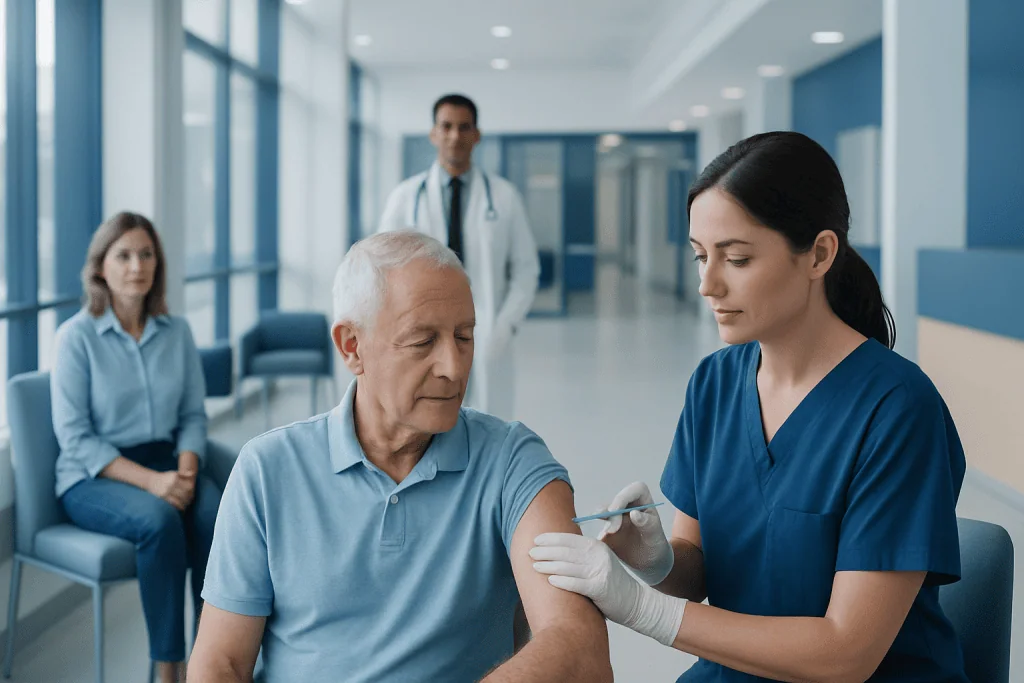
The recombinant shingles vaccine is given as two injections and is highly effective at lowering the risk of shingles and postherpetic neuralgia. Most adults aged 50 years and older should discuss vaccination with a clinician, including those who have had shingles before.
Key Takeaways
- The recombinant shingles vaccine is given as two injections and is highly effective at lowering the risk of shingles and postherpetic neuralgia.
- Most adults aged 50 years and older should discuss vaccination with a clinician, including those who have had shingles before.
- Adults aged 19 years and older with a weakened immune system may also be advised to receive the vaccine.
- Arm pain, redness, swelling, fatigue, headache and muscle aches commonly improve within a few days.
- The second dose may cause similar or occasionally stronger temporary side effects, but it is important for full protection.
- The vaccine does not treat an active shingles episode and is not a substitute for prompt medical care if a painful blistering rash develops.
An injection for shingles usually refers to the shingles vaccine, which helps prevent shingles and its complications rather than treating an active rash. It is generally given in two doses, and short-lived arm soreness, tiredness or flu-like symptoms are common signs of the immune system responding.
What Is an Injection for Shingles?
An injection for shingles, often called a shingles shot, is a vaccine designed to reduce the chance of developing shingles. Shingles is caused by reactivation of the varicella-zoster virus, the virus responsible for chickenpox. After chickenpox, the virus can remain inactive in nerve tissue for many years and may reactivate later in life.
The vaccine used in many countries is a recombinant, non-live vaccine. It contains a laboratory-made component of the virus together with an ingredient that strengthens the immune response. It cannot cause shingles because it does not contain a live virus capable of reproducing in the body.
Vaccination is intended to prevent disease and reduce complications, especially long-lasting nerve pain known as postherpetic neuralgia. It does not cure shingles once a rash has started. People seeking information about symptoms and complications can also read shingles.
How the Shingles Vaccine Works and Its Expected Benefits
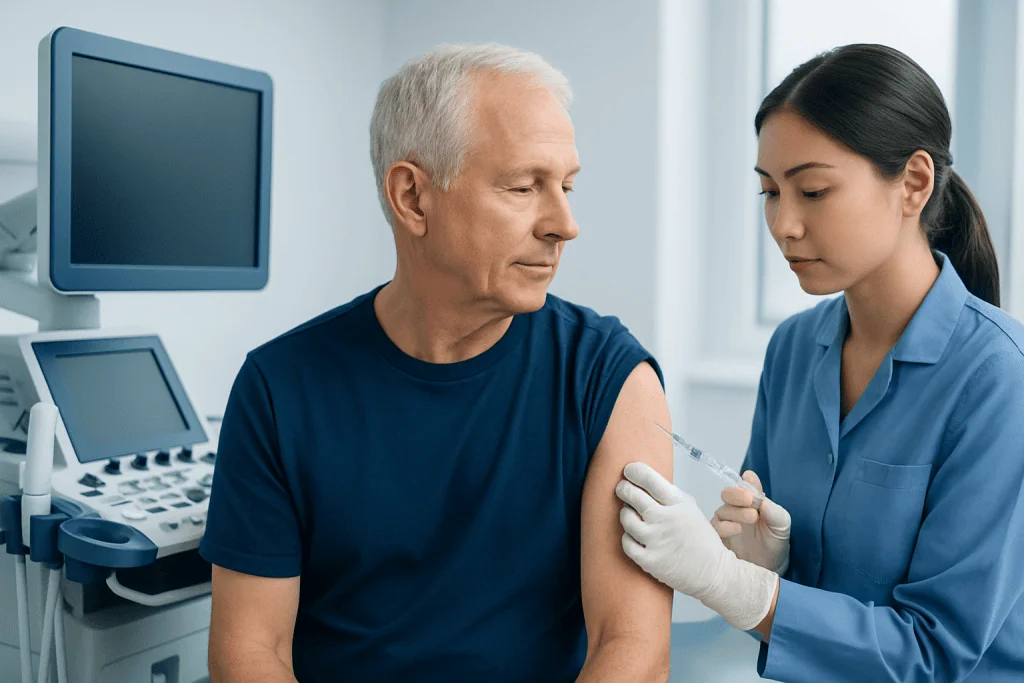
The vaccine trains the immune system to recognize an important protein from the varicella-zoster virus. This immune memory helps the body respond more effectively if the inactive virus reactivates in the future. Protection is strongest after the recommended two-dose series has been completed.
The main benefit is a lower likelihood of shingles. Vaccination also lowers the risk of postherpetic neuralgia, a potentially persistent burning, stabbing or sensitive pain that can continue after the skin rash heals. The protection is particularly valuable because shingles becomes more common with increasing age and can be more severe in people with immune suppression.
In a shingles injection review, it is helpful to distinguish expected short-term vaccine reactions from the illness the vaccine is designed to prevent. Temporary soreness and fatigue may be inconvenient, but they are not shingles and typically settle without specific treatment.
Who Is a Candidate for a Shingles Shot?
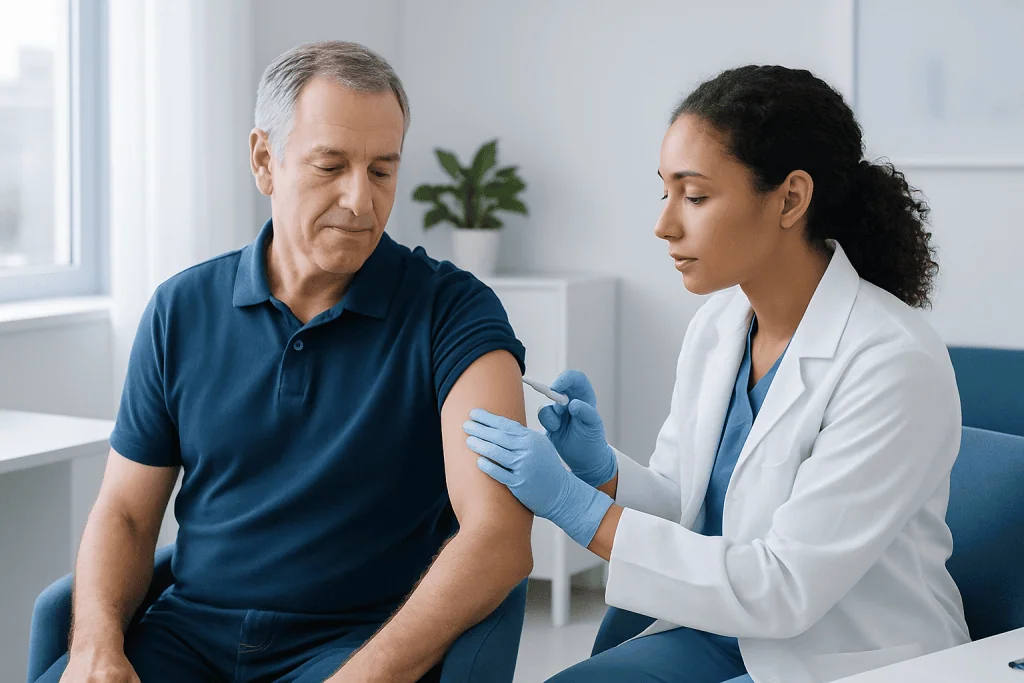
In general, adults aged 50 years and older are recommended to receive the recombinant shingles vaccine, even if they remember having chickenpox, have had shingles before, or previously received an older shingles vaccine. National recommendations can vary, so a clinician or vaccination provider should confirm the schedule appropriate for the individual and country.
Adults aged 19 years and older who have, or will have, a weakened immune system because of a disease or treatment may also be candidates. This can include people receiving certain cancer treatments, medicines that suppress immunity, or treatment after an organ transplant. The timing of vaccination may need to be coordinated with the medical team.
Vaccination is usually postponed during a current shingles episode or a moderate to severe acute illness. A person who has experienced a severe allergic reaction to a previous dose or to a vaccine component should not receive another dose unless assessed by an allergy or immunization specialist.
Pregnant people should ask their obstetric clinician about the most suitable timing. A clinician can also advise people who are uncertain whether they had chickenpox, have allergies, take regular medicines, or are planning immune-suppressing treatment.
What Happens During the Two-Dose Procedure?
The shingles vaccine is usually given as an injection into the muscle of the upper arm. A trained healthcare professional reviews relevant medical history, allergy information and current health status beforehand. The injection itself is brief, and most people can leave shortly afterward.
For most adults, the second dose is given two to six months after the first. For some people who are or will become immunocompromised, a clinician may recommend completing the two doses sooner. Receiving both doses is important because the series is designed to provide more reliable and lasting immune protection.
After the injection, the healthcare team may ask the person to remain nearby for a short observation period. This is a routine precaution used with many vaccines, since fainting or rare allergic reactions can occur after any injection. The vaccination provider records the dose and advises when the next dose is due.
For international patients, Acibadem International’s multidisciplinary specialists and JCI-accredited hospitals can assess vaccination needs and coordinate care where appropriate.
Recovery Timeline and Common Side Effects
Most people return to normal activities on the same day. Pain, tenderness, redness or swelling at the injection site is common, as are tiredness, headache, muscle pain, shivering, fever or stomach upset. These effects usually begin within the first day or two and generally improve within two to three days.
How long a shingles injection site hurts varies from person to person. Mild arm discomfort may last a few days, and it can be more noticeable when lifting the arm or sleeping on that side. A cool compress, gentle arm movement and rest may help. A clinician or pharmacist can advise whether a suitable non-prescription pain reliever is safe for the individual.
Planning a lighter schedule for one or two days can be useful, especially after the second dose, as some people feel temporarily tired or achy. However, many people have only mild symptoms or no significant disruption at all.
Seek urgent medical help for symptoms of a serious allergic reaction, such as trouble breathing, swelling of the face or throat, widespread hives, severe dizziness or collapse. These reactions are uncommon but require immediate assessment.
How Soon Do You Feel the Effects of the Second Shingles Shot?
Short-term side effects from the second shingles shot often begin within several hours to one day after vaccination. Arm soreness, fatigue, headache, muscle aches or a mild fever are common and usually resolve within a few days. Some people notice little or no reaction.
The second dose is not expected to create an immediate feeling of disease protection. Instead, it strengthens immune memory over time. Although the body begins developing an immune response after vaccination, the full benefit of the series should be considered after both doses have been received according to the recommended schedule.
A stronger reaction after dose two does not necessarily mean that the vaccine is working better, and a mild reaction does not mean it is ineffective. Both patterns can be normal. Persistent, severe or concerning symptoms should be discussed with a healthcare professional.
What Not to Do After Shingles Vaccine
There are usually no major activity restrictions after a shingles vaccine. However, it is sensible not to overexert oneself if fatigue, fever or muscle aches develop. People who feel unwell should rest, drink fluids and postpone strenuous exercise until they are comfortable.
It is best not to rub or massage the injection site aggressively, as this may worsen soreness. Do not ignore symptoms suggestive of a severe allergic reaction or assume that significant symptoms will always pass on their own. Contact a healthcare professional if a reaction is severe, lasts longer than expected or causes concern.
People should not skip the second dose simply because the first dose caused common, temporary side effects. Before making a change to the schedule, they should speak with the vaccination provider. It is also important not to use the vaccine as a reason to delay medical assessment of a new painful or blistering rash.
What Is the Best Age to Get a Shingles Shot?
For most adults, the best age to begin shingles vaccination is 50 years or older, because the risk of shingles and complications rises with age. People do not need to wait for a particular birthday beyond the recommended age threshold; discussing vaccination at a routine health visit is often practical.
Adults aged 19 years and older with weakened immune systems may benefit earlier. Their ideal timing depends on the cause of immune suppression and any planned treatments. A specialist may suggest vaccination before immune-suppressing therapy when feasible, while balancing the urgency of other medical care.
Having had shingles does not guarantee lifelong protection against another episode. Once the acute illness has resolved, a clinician can advise when vaccination is appropriate. People who are unsure about prior chickenpox infection should still ask a healthcare professional, as routine testing is not always necessary before vaccination.
Is Shingles Shot 2 More Painful Than the First Shot?
The second shingles shot can feel similar to the first, but some people report more noticeable arm pain, fatigue or flu-like symptoms after dose two. Others find the second injection easier. Individual reactions vary and cannot reliably predict how any one person will feel.
Injection-site pain is usually mild to moderate and temporary. Wearing clothing that allows easy access to the upper arm, keeping the arm gently moving afterward and using a cool compress can improve comfort. A healthcare professional can advise on symptom relief options based on medical history and current medicines.
Even when side effects are unpleasant for a short time, completing the second dose remains important for the intended level of protection. Anyone who had a serious allergic reaction or an unusual severe reaction after the first dose should seek medical advice before receiving another injection.
When to Seek Medical Care
Prompt medical assessment is recommended for a new painful, tingling or burning rash with clusters of blisters, especially on one side of the body or face. Antiviral treatment for shingles is most useful when started early. A rash near the eye, changes in vision, eye pain, facial weakness, severe headache or confusion needs urgent evaluation.
After vaccination, contact a clinician if side effects are severe, do not start improving after several days, or interfere substantially with daily activities. Emergency care is needed for breathing difficulty, swelling of the face or throat, widespread hives, fainting or other signs of a severe allergic reaction.
People with complex immune conditions, a history of serious vaccine allergy, or uncertainty about timing should discuss their individual plan with a qualified doctor. Vaccination decisions are most effective when they are integrated with the person’s overall health history and treatment needs.
Frequently asked questions
Can a shingles injection give someone shingles?
The recombinant shingles vaccine does not contain a live virus that can reproduce in the body, so it cannot cause shingles. Some people develop temporary fever, aches or injection-site discomfort, but these are vaccine reactions rather than shingles.
How many shingles shots are needed?
The commonly used recombinant shingles vaccine is a two-dose series. The second dose is usually given two to six months after the first, although some people with immune suppression may need a shorter interval under medical guidance.
Can someone get the shingles vaccine after having shingles?
Yes, people who have had shingles may still benefit from vaccination because shingles can recur. Vaccination is generally delayed until the active rash and acute symptoms have resolved, and a clinician can advise on the right timing.
Should a person get the shingles vaccine if they had chickenpox?
Yes. Shingles occurs when the virus that causes chickenpox reactivates later in life, so a history of chickenpox is one reason shingles can develop. Most adults eligible for the vaccine do not need routine testing for past chickenpox before vaccination.
Can the shingles shot be taken with other vaccines?
In many cases, the shingles vaccine can be administered at the same visit as other recommended vaccines, using different injection sites. A healthcare professional can advise based on the person’s health status, vaccine history and local guidance.
What should a person do if they miss the second shingles vaccine dose?
They should arrange the second dose as soon as practical rather than restarting the series. A vaccination provider can confirm the next step and ensure the record is updated.
References
- Centers for Disease Control and Prevention
- World Health Organization
- United States Food and Drug Administration
- National Health Service
- Immunize.org
This article is for general information only and is not a substitute for professional medical advice. Please consult a qualified doctor about your individual situation.
Shingles in Turkey — costs, top hospitals & a free quote
JCI-accredited · board-certified surgeons · reply within 24h
Add us as a Preferred Source to see more of our trusted health content across Google Search, AI Overviews and Discover.