Intense Pulsed Light Dry Eye Treatment: How It Works, Results and What to Expect
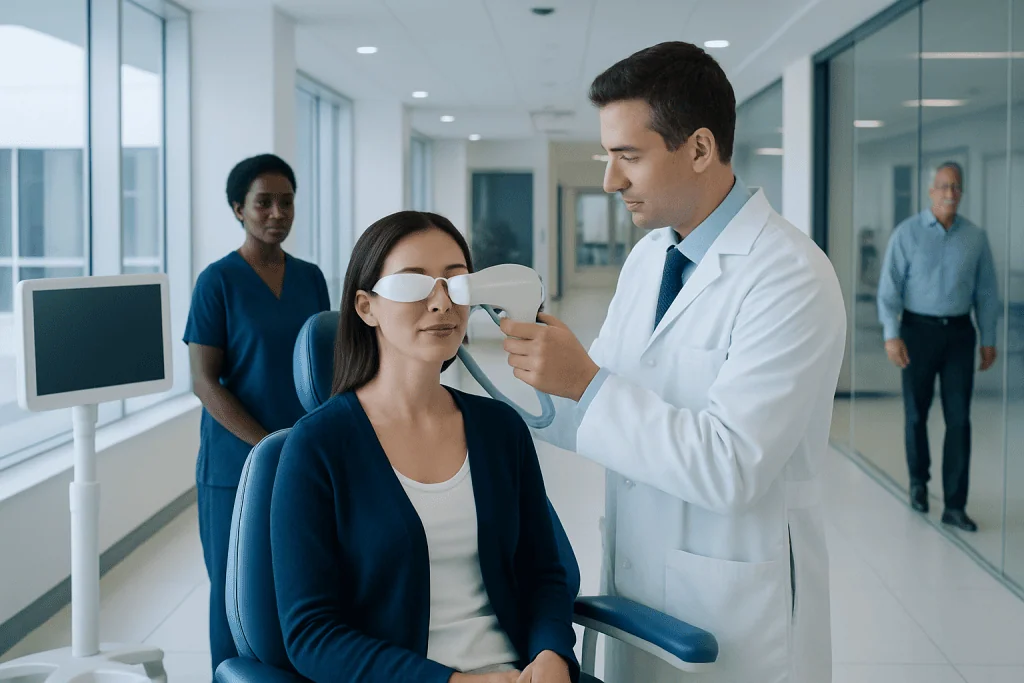
IPL is mainly used for evaporative dry eye associated with meibomian gland dysfunction and sometimes ocular rosacea. The procedure uses controlled, non-laser light pulses on skin below and around the eyes while the eyes are protected.
Key Takeaways
- IPL is mainly used for evaporative dry eye associated with meibomian gland dysfunction and sometimes ocular rosacea.
- The procedure uses controlled, non-laser light pulses on skin below and around the eyes while the eyes are protected.
- Several treatment sessions are commonly needed, and results vary according to the cause and severity of dry eye.
- IPL does not cure every type of dry eye and may be combined with eyelid hygiene, lubricating drops or gland expression.
- A qualified eye-care professional should assess suitability, particularly for people with darker skin tones, photosensitivity or active skin conditions.
Intense pulsed light dry eye treatment is an in-office procedure that delivers carefully filtered light to the skin around the eyes, most often to help manage evaporative dry eye linked to meibomian gland dysfunction. It may reduce eyelid inflammation, support healthier oil secretion in tears and improve symptoms for selected patients, usually as part of a broader dry eye care plan.
Overview: What Is Intense Pulsed Light Dry Eye Treatment?
Intense pulsed light dry eye treatment is a clinic-based therapy that uses broad-spectrum, carefully filtered flashes of light to address inflammation and poor oil-gland function around the eyelids. It is most often considered for evaporative dry eye disease caused by meibomian gland dysfunction (MGD), where the glands along the eyelid margin do not release enough healthy oil into the tears.
Tears need a thin oily outer layer to slow evaporation. When this layer is reduced or altered, tears may evaporate too quickly, leading to burning, grittiness, fluctuating vision, watery eyes or contact lens discomfort. IPL is designed to complement—not replace—other dry eye measures by targeting processes that may contribute to gland blockage and eyelid inflammation.
IPL is not the same as laser eye surgery. The light is applied to the skin around the eyes rather than directed into the eye. A full assessment is important because dry eye has several possible causes, including reduced tear production, medication effects, allergies, screen use and autoimmune disease. For more background, patients can read about dry eye disease.
How IPL May Help Dry Eye Symptoms
Meibomian glands produce meibum, an oil that spreads across the tear film when a person blinks. In MGD, this oil may become thick, reduced or blocked. Chronic eyelid-margin inflammation, visible tiny blood vessels and changes in the skin associated with rosacea can all contribute to this process.
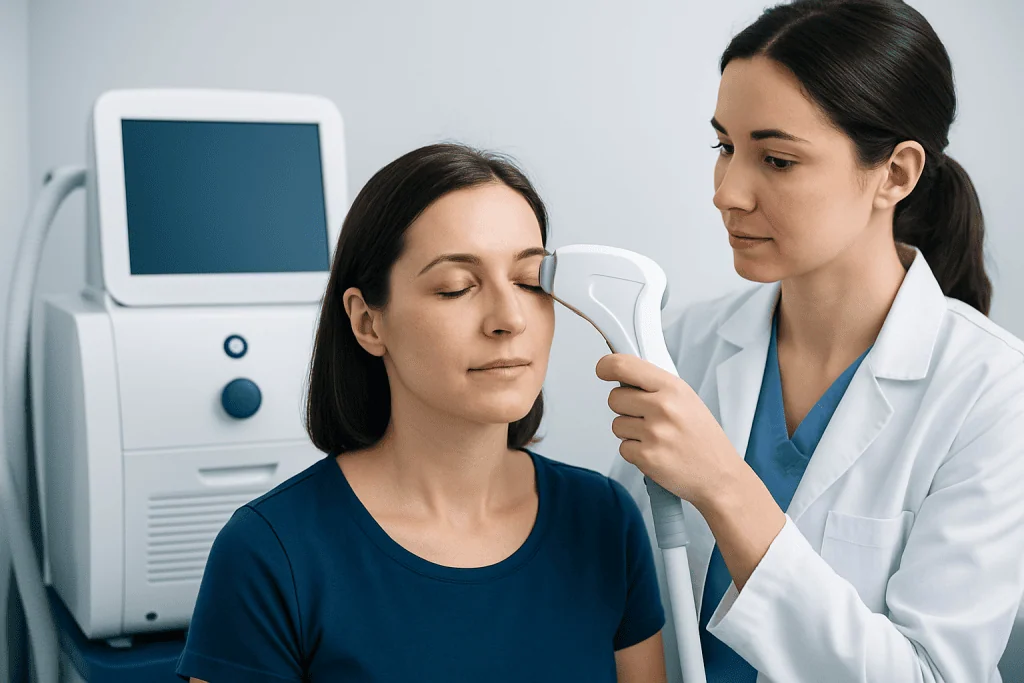
During IPL therapy, light energy is absorbed by selected pigments in the skin. Clinicians use regulated settings and protective shields to treat the area below the lower eyelids and sometimes nearby facial skin. The treatment may help reduce abnormal superficial blood vessels that sustain inflammation, decrease certain inflammatory signals and warm thickened oils within the glands. These effects can make subsequent gland expression more effective in some patients.
Research suggests that IPL, particularly when paired with meibomian gland expression, can improve symptoms and tear-film measures for appropriately selected people. However, the degree and duration of improvement are individual. It should be viewed as a management option for a long-term condition rather than a guaranteed permanent solution.
Who May Be a Candidate for IPL?

IPL may be considered when dry eye symptoms are linked to MGD, eyelid inflammation or ocular rosacea and have not improved sufficiently with first-line care. First-line measures may include preservative-free lubricating drops, warm compresses, lid cleansing, environmental adjustments and treatment of contributing conditions. An eye specialist may examine the tear film, eyelid margins, cornea and meibomian glands before recommending a procedure.
Suitable candidates often have signs of evaporative dry eye, such as plugged gland openings, poor-quality gland secretions, short tear break-up time or eyelid-margin redness. People with mixed dry eye may also benefit, but IPL will not directly correct inadequate tear production caused by every underlying medical condition.
IPL may not be appropriate for everyone. The clinician will consider skin type, recent sun exposure or tanning, photosensitizing medicines, a history of light-triggered seizures, active skin infection, suspicious skin lesions and pregnancy-related considerations. People with very dark skin tones may require especially careful device selection and settings because pigment absorbs light energy. The safest approach is an individualized assessment rather than assuming that one treatment fits all.
What Happens During the Procedure?
Before treatment, the clinician reviews symptoms, medical history, medicines and skin history. The eye surface and eyelids are assessed, and photographs or gland imaging may sometimes be used to establish a baseline. Patients should follow the clinic’s instructions regarding sun exposure, cosmetics and topical skin products before their appointment.
At the visit, the skin is cleansed and a clear gel is usually placed on the treatment area. Opaque protective eye shields are positioned to protect the eyes. The clinician then applies a series of brief light pulses to the skin beneath the lower eyelids and, depending on the protocol, parts of the cheeks or nose that show rosacea-related changes. Patients may notice a quick flash and a mild snapping or warmth sensation.
Meibomian gland expression may be performed after IPL in some treatment plans. This involves gentle pressure on the eyelids to help release gland contents. Although it can be temporarily uncomfortable, it may assist in clearing obstructed glands. Patients should ask their eye-care professional which device, protocol and combination of treatments are recommended for their specific findings.
For patients seeking procedural information, IPL treatment for dry eye may be part of a specialist-led plan that also addresses eyelid hygiene, tear support and contributing skin or inflammatory conditions.
Recovery Timeline, Benefits and Possible Risks
Most people return to routine activities soon after treatment. Mild warmth, redness or temporary skin sensitivity in the treated area can occur and generally settles over a short period. The clinician may advise avoiding direct sun exposure, using broad-spectrum sunscreen and pausing irritating skincare products for a specified time. Eye makeup and contact lens guidance should be individualized.
Some patients notice changes in comfort after early sessions, while others need a course of treatments before they experience meaningful improvement. Treatment schedules vary by device, severity and clinical response, but a series of sessions spaced over several weeks is common. Periodic maintenance treatment may be discussed when symptoms return.
Potential benefits include improved tear-film stability, less burning or irritation, reduced eyelid redness and better comfort with visual tasks or contact lenses. Benefits are not immediate or uniform, and ongoing dry eye care is usually still needed.
Risks are generally skin-related and may include pain during treatment, temporary redness, swelling, bruising, pigment changes, blistering or burns. Eye injury is a serious but uncommon concern when appropriate eye protection and trained technique are used. Patients should promptly report significant pain, worsening vision, persistent redness, marked swelling or blistering after treatment.
What Does “Intense” Mean?
In everyday language, intense means very strong, extreme, concentrated or felt to a high degree. A person may describe intense heat, intense emotions, intense exercise or intense pain. The word does not automatically mean dangerous; its meaning depends on what is being described and the context.
In the term “intense pulsed light,” intense refers to the strength and concentrated delivery of light energy in controlled pulses. Medical IPL devices are designed to deliver selected wavelengths and energy settings under professional supervision. This is different from an uncontrolled bright light exposure.
For dry eye treatment, “intense” should not be interpreted as meaning that the procedure is expected to be severely painful. Patients can feel brief warmth or snapping sensations, but the care team adjusts the treatment approach to support comfort and safety.
What Does “So Intense” Mean?
“So intense” means unusually or strikingly strong. For example, someone might say that sunlight feels “so intense” on a hot day, or that a sensation is “so intense” when it is stronger than expected.
When a patient uses this phrase during or after a procedure, it is useful to clarify what they mean. They may be describing pain, heat, anxiety, brightness, pressure or another sensation. Clear communication allows the clinician to pause, assess the area and make appropriate adjustments.
After IPL, severe or increasing discomfort is not something a person should simply dismiss as “intense.” They should contact the treating clinic for advice, especially if they also develop skin blistering, pronounced swelling, eye pain or a change in vision.
What Are Some Synonyms for Intense?
Common synonyms for intense include strong, powerful, extreme, severe, profound, concentrated, acute and vigorous. The best choice depends on context. For example, “severe” is often used for symptoms, while “concentrated” may be more suitable for energy, effort or attention.
In medical communication, it is helpful to use precise words. Instead of only saying that symptoms are intense, patients can describe where they occur, when they started, how long they last and how they affect vision, sleep, work or daily tasks. This gives the clinician more useful information for diagnosis and treatment planning.
When discussing IPL, terms such as controlled light pulses, regulated energy settings and clinician-guided treatment are usually more informative than “intense” alone. They emphasize that the procedure is delivered according to safety protocols rather than by uncontrolled light exposure.
When to Seek Medical Care
Dry eye symptoms deserve an eye examination when they persist despite basic self-care, repeatedly interfere with reading or screen use, cause contact lens intolerance or are associated with eyelid inflammation. An eye-care professional can distinguish dry eye from allergy, infection, corneal disease and other conditions that may need different treatment.
Urgent medical assessment is appropriate for sudden vision loss, new marked light sensitivity, significant eye pain, eye injury, a chemical exposure, pus-like discharge or a very red eye. These symptoms are not typical reasons to wait for a routine dry eye appointment.
Acibadem International’s multidisciplinary specialists and JCI-accredited hospitals assess dry eye and related eyelid conditions for international patients. Care may include comprehensive evaluation and appropriate options such as dry eye treatment or management of contributing ocular rosacea, based on the individual diagnosis.
Frequently asked questions
Is intense pulsed light dry eye treatment painful?
Most people describe brief flashes of light, warmth or a mild snapping feeling on the skin. Discomfort levels vary, and eye shields are used to protect the eyes. If a sensation feels painful or unexpectedly strong, the patient should tell the clinician immediately.
How many IPL sessions are needed for dry eye?
Many treatment plans use a series of sessions separated by several weeks, but the number depends on the device, gland function, skin factors and symptom response. Some people may later need maintenance sessions. The treating eye specialist can provide a plan after examining the eyelids and tear film.
Does IPL cure meibomian gland dysfunction?
IPL can improve symptoms and signs of meibomian gland dysfunction in some patients, but it is not considered a universal cure. MGD is often chronic and may require continued eyelid care, lubricating treatment and follow-up. Managing contributing inflammation and skin conditions can also be important.
Can IPL be used for all types of dry eye?
No. IPL is primarily used for evaporative dry eye related to meibomian gland dysfunction and may be helpful when ocular rosacea contributes to eyelid inflammation. People whose main issue is low tear production or another eye condition may need a different or additional treatment approach.
What should patients avoid after IPL for dry eyes?
The clinic may recommend limiting sun exposure, avoiding tanning and using sun protection while the skin settles. Patients may also be asked to temporarily avoid certain cosmetic or irritating skin products. Instructions differ by device and skin type, so the treating clinician’s advice should be followed.
What does intense mean in intense pulsed light?
In this phrase, intense refers to the controlled strength of light energy delivered in short pulses. It does not mean that the light is uncontrolled or that treatment must be severely painful. Medical IPL is delivered using selected settings and protective measures.
References
- American Academy of Ophthalmology
- Tear Film and Ocular Surface Society
- National Eye Institute
- U.S. Food and Drug Administration
- International Workshop on Meibomian Gland Dysfunction
This article is for general information only and is not a substitute for professional medical advice. Please consult a qualified doctor about your individual situation.
Explore treatments in Turkey — costs, top hospitals & a free quote
JCI-accredited · board-certified surgeons · reply within 24h
Add us as a Preferred Source to see more of our trusted health content across Google Search, AI Overviews and Discover.