Intracept Procedure: An Evidence-Based Guide for Patients

The intracept procedure is used for chronic low back pain linked to vertebral endplate changes, not for every cause of back pain. It treats the basivertebral nerve, which can transmit pain from damaged vertebral endplates.
Key Takeaways
- The intracept procedure is used for chronic low back pain linked to vertebral endplate changes, not for every cause of back pain.
- It treats the basivertebral nerve, which can transmit pain from damaged vertebral endplates.
- Patient selection is important and usually includes symptoms lasting months plus MRI findings consistent with vertebrogenic pain.
- The procedure is minimally invasive, but it still requires specialist evaluation, imaging review, and follow-up care.
- Recovery is often faster than with major spine surgery, though improvement may be gradual over weeks to months.
- A spine specialist can help determine whether other treatments may be more suitable depending on the cause of pain.
The intracept procedure is a minimally invasive treatment designed for a specific type of chronic low back pain called vertebrogenic pain. It works by targeting the basivertebral nerve inside the vertebrae and may help carefully selected patients whose symptoms have not improved with conservative care.
What the Intracept Procedure Is
The intracept procedure is a minimally invasive treatment for a specific source of chronic low back pain. It is designed for vertebrogenic pain, which is pain thought to arise from changes in the vertebral endplates and the basivertebral nerve within the spine. In simple terms, the goal is to reduce pain signals coming from the affected vertebrae rather than to remove a disc or fuse the spine.
This distinction matters because chronic low back pain can have many causes. Some people have pain related to muscles, facet joints, discs, nerve compression, spinal instability, or inflammatory conditions. The intracept procedure is not a general solution for all back pain; it is considered when symptoms and imaging suggest a more specific pattern.
During the procedure, a specialist places instruments into the vertebral body using imaging guidance and uses radiofrequency energy to ablate, or interrupt, the basivertebral nerve. Because it is performed through small access points and does not involve large incisions, it is generally considered less invasive than many traditional spine operations.
Who May Benefit From It
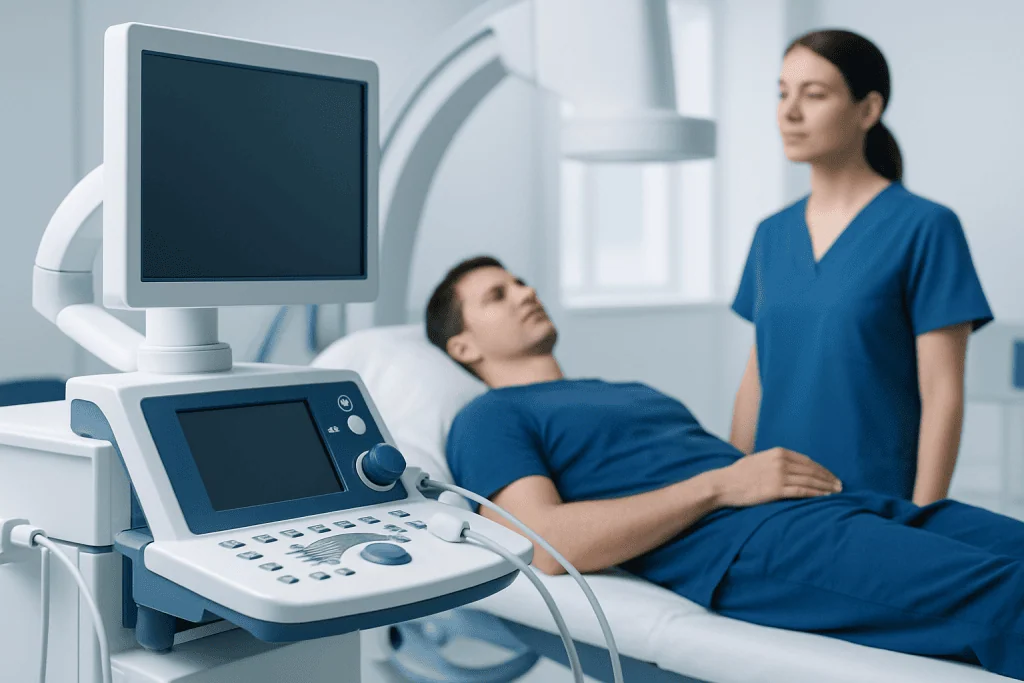
The intracept procedure is usually considered for adults with chronic low back pain that has lasted for months and has not responded adequately to non-surgical care. This conservative care may include physical therapy, activity modification, exercise-based rehabilitation, and medications recommended by a clinician. In some cases, patients may also have tried injections or other interventional pain treatments.
One of the key features is the pattern of pain and the MRI findings. Candidates often have chronic axial low back pain, meaning pain centered in the lower back rather than pain primarily traveling down the leg. Imaging may show Modic-type changes in the vertebral endplates, which can support the diagnosis of vertebrogenic pain.
A specialist will also look for reasons why the procedure may not be appropriate. For example, if the main problem is severe spinal canal narrowing, active infection, fracture, tumor, significant instability, or compression of a spinal nerve causing classic sciatica, a different treatment pathway may be needed. In that setting, a broader evaluation for herniated disc or other structural spine conditions may be more relevant.
How Doctors Evaluate Vertebrogenic Back Pain

Diagnosis starts with a careful medical history and physical examination. The doctor usually asks when the pain began, where it is felt, what makes it worse or better, whether it affects sleep or daily function, and whether symptoms suggest nerve irritation, such as numbness, tingling, or weakness. The examination helps identify whether the pain appears mechanical, neurologic, inflammatory, or related to another cause.
MRI is especially important when considering the intracept procedure because vertebrogenic pain is associated with characteristic endplate changes. These imaging findings do not diagnose pain on their own, but they can support the diagnosis when they match the patient’s symptoms and the rest of the evaluation. Other tests may be used to rule out alternative explanations for the pain.
The evaluation often aims to answer two questions: first, whether the pain source is likely to be the vertebral endplates and basivertebral nerve; and second, whether a less invasive or more appropriate option should be tried first. Many patients benefit from a comprehensive spine evaluation and treatment plan before any procedure is chosen.
What Happens During the Procedure
The intracept procedure is commonly performed in a procedure suite or operating room under sterile conditions. Sedation or anesthesia may be used depending on the patient and the treating team’s approach. Using imaging guidance, the physician places a specialized probe through the vertebra to reach the target area where the basivertebral nerve is located.
Once the correct position is confirmed, radiofrequency energy is applied to ablate the nerve. The purpose is to reduce the transmission of pain signals from the vertebral endplates. The procedure usually focuses on the vertebral levels that match both the symptoms and the MRI findings.
Because the technique is minimally invasive, there is no large incision and no removal of major spinal structures. Patients are generally monitored afterward and discharged according to the treatment plan and their immediate recovery. Exact timing and postoperative instructions can vary, so the treating team provides the most relevant guidance.
Benefits, Risks, and Limitations
For appropriately selected patients, the main potential benefit of the intracept procedure is meaningful reduction in chronic low back pain and improvement in function. Some people are able to return more comfortably to walking, exercise, work tasks, and routine daily activities. Another potential advantage is that it is less invasive than open spine surgery and does not involve spinal fusion.
Like any medical procedure, it has risks and limitations. Possible concerns can include pain after the procedure, bleeding, infection, reaction to anesthesia or sedation, and lack of sufficient symptom relief. Rare complications related to instrument placement or the treated bone may also be discussed by the treating specialist during consent.
It is also important to understand what the procedure does not do. It does not correct every structural spine problem, and it may not help if the true pain generator is elsewhere. When nerve compression or instability is the main issue, a physician may instead discuss options such as surgical treatment for disc-related nerve compression or other targeted therapies.
Recovery and Long-Term Care
Recovery after the intracept procedure is often shorter than recovery after major spine surgery, but healing and symptom improvement still take time. Some patients notice change relatively early, while others improve more gradually over several weeks or months. Mild soreness around the treatment area can occur during the initial recovery period.
Most patients are encouraged to follow a structured plan after the procedure. This may include walking, gradual return to daily activities, posture and body mechanics advice, and formal rehabilitation when recommended. Continuing to build core strength, flexibility, and general conditioning may support longer-term results.
Follow-up visits help the care team monitor progress and determine whether additional treatment is needed. In some patients, pain may improve enough that they can reduce reliance on other interventions. In others, ongoing multidisciplinary care, including rehabilitation and pain management, remains important for the best functional outcome.
Other Treatment Options for Chronic Low Back Pain
The intracept procedure is one option within a larger treatment pathway for chronic low back pain. Many patients first improve with non-surgical care, including exercise-based physical therapy, lifestyle changes, ergonomic adjustments, and clinician-guided use of medications. Weight management, sleep quality, and stress reduction can also influence pain levels and recovery.
Depending on the diagnosis, other procedures may be considered. These can include spinal injections, radiofrequency treatments for different pain generators, or surgery for structural problems such as significant nerve compression or instability. For some patients with persistent symptoms, evaluation in a center experienced in orthopedics and spine care can help clarify which approach is most appropriate.
If the source of pain remains unclear, a broader review may be needed to exclude conditions affecting the discs, facet joints, sacroiliac joints, or nerves. The most effective plan is usually personalized rather than based on a single procedure alone.
When to Seek Medical Care
Medical review is appropriate for back pain that lasts longer than a few weeks, keeps returning, or interferes with normal activity, sleep, or work. A specialist assessment is especially helpful when conservative treatment has not brought enough relief and imaging has been recommended or already performed.
Urgent medical attention is needed if back pain is accompanied by new or worsening leg weakness, numbness in the groin or saddle area, loss of bladder or bowel control, fever, unexplained weight loss, or pain after significant trauma. These features can suggest conditions that require prompt diagnosis and treatment.
For international patients seeking comprehensive evaluation, Acibadem International’s multidisciplinary specialists and JCI-accredited hospitals diagnose and treat spine conditions using evidence-based approaches. When symptoms are persistent or complex, assessment for lumbar disc herniation or other causes of chronic low back pain can help determine whether the intracept procedure is an appropriate option.
Frequently asked questions
Is the intracept procedure the same as spine surgery?
Not in the traditional sense. The intracept procedure is minimally invasive and targets the basivertebral nerve inside the vertebra rather than removing a disc or fusing spinal bones. It is usually considered for a carefully selected group of patients with vertebrogenic pain.
What kind of back pain is the intracept procedure meant to treat?
It is intended for chronic low back pain associated with vertebral endplate changes, often called vertebrogenic pain. It is generally not used for every kind of back pain, especially when the main problem is muscle strain, severe nerve compression, fracture, or infection.
How do doctors know whether someone is a candidate?
Doctors combine the patient’s symptom history, physical examination, prior treatment response, and MRI findings. A person may be considered when pain has lasted for months, remains centered in the lower back, and imaging shows changes consistent with vertebrogenic pain. A specialist also checks for conditions that would make another treatment more suitable.
How long does recovery usually take?
Recovery varies from person to person. Many patients return to light daily activities relatively soon, but improvement in pain and function may continue over several weeks or months. Following the care team’s instructions and rehabilitation plan is an important part of recovery.
Does the procedure cure chronic low back pain permanently?
No procedure can guarantee a permanent cure for all chronic low back pain. The intracept procedure may provide meaningful relief for the right patient group, but results differ depending on the exact pain source, overall spine health, and other medical factors. Ongoing exercise and follow-up care often remain important.
Are there alternatives if the intracept procedure is not right for someone?
Yes. Alternatives may include physical therapy, medication-based management, rehabilitation, spinal injections, and other interventional or surgical options depending on the diagnosis. The best choice depends on whether the pain comes from the discs, joints, nerves, vertebral endplates, or another cause.
This article is for general information only and is not a substitute for professional medical advice. Please consult a qualified doctor about your individual situation.
Joint and spine care in Turkey — expert assessment & treatment
JCI-accredited · board-certified surgeons · reply within 24h
Add us as a Preferred Source to see more of our trusted health content across Google Search, AI Overviews and Discover.

More from the Health Library

Infant Sleep Terrors: An Evidence-Based Guide for Patients

Hyponychium: A Complete Medical Overview

Sore Throat and Diarrhoea — Explained by Medical Evidence, Not Myths

Stool with Slime: An Evidence-Based Guide for Patients

Chorionic Villus Sampling: An Evidence-Based Guide for Patients