Invasive Lobular Carcinoma: Diagnosis, Outlook, and Modern Treatment Approaches

Invasive lobular carcinoma begins in the breast lobules and can spread into surrounding tissue. It may be harder to detect on routine exam or mammography because it often grows in a subtle, diffuse pattern.
Key Takeaways
- Invasive lobular carcinoma begins in the breast lobules and can spread into surrounding tissue.
- It may be harder to detect on routine exam or mammography because it often grows in a subtle, diffuse pattern.
- Biopsy confirms the diagnosis, while imaging and pathology guide staging and treatment planning.
- Treatment may include surgery, radiation therapy, hormone therapy, chemotherapy, and targeted medicines.
- Outlook depends on stage, tumor biology, and response to treatment, and many people do well with modern care.
Invasive lobular carcinoma is a common type of breast cancer that starts in the milk-producing lobules and then spreads into nearby breast tissue. Diagnosis often depends on imaging plus biopsy, and treatment is tailored to the tumor’s stage, hormone receptor status, and the person’s overall health.
Overview
Invasive lobular carcinoma is a type of breast cancer that starts in the milk-producing glands, called lobules, and then invades nearby breast tissue. It is one of the main forms of invasive breast cancer. Although it shares many features with other breast cancers, it often behaves somewhat differently in the way it grows and appears on imaging.
An answer-first summary is helpful for many readers: invasive lobular carcinoma is usually diagnosed through breast imaging and a biopsy, and treatment is based on the cancer’s stage and biological features. Modern care commonly combines surgery with one or more additional treatments, such as radiation therapy, hormone therapy, chemotherapy, or targeted therapy, depending on the person’s needs.
One reason this diagnosis can feel confusing is that invasive lobular carcinoma may not form a distinct lump in the same way as some other breast cancers. Instead, it can grow in thin strands or a more spread-out pattern. Because of this, symptoms can be subtle, and doctors may use several tests together to get a clear picture.
Symptoms and how it may present
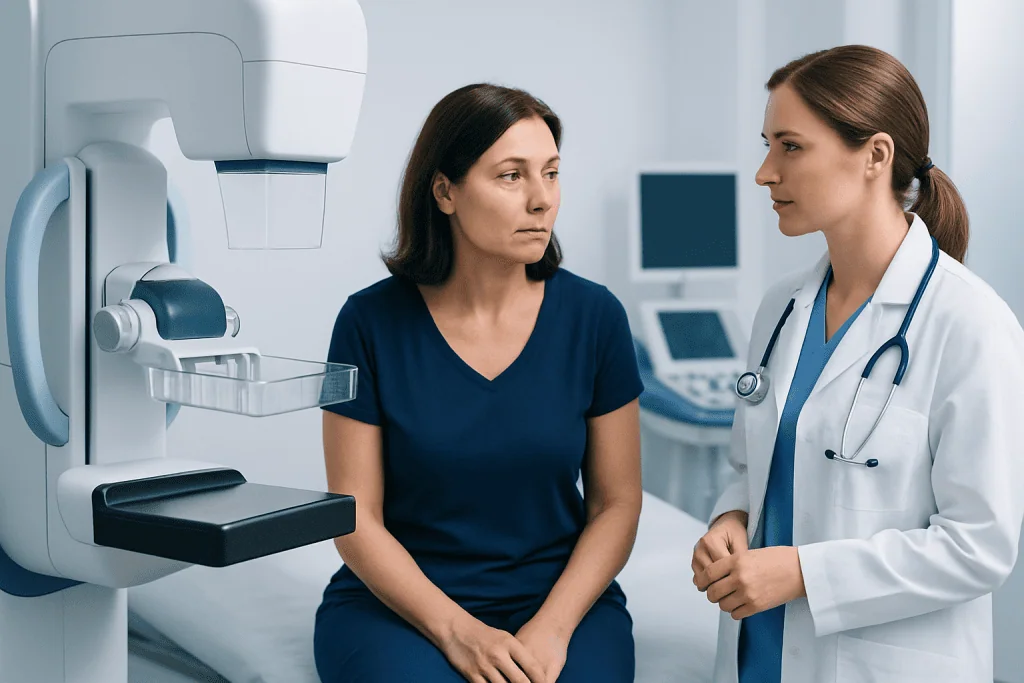
Symptoms of invasive lobular carcinoma can be mild or absent at first. Some people notice a thickened area in the breast rather than a round, easy-to-feel lump. Others may become aware of breast fullness, a change in shape, skin dimpling, or a new difference between the breasts.
Nipple changes can also occur, such as inversion, discharge, or a shift in the usual appearance of the nipple or surrounding skin. Less commonly, there may be swelling in the armpit if lymph nodes are involved. In some cases, the cancer is found during routine screening before any symptoms are noticed.
Possible warning signs include:
- a new area of breast thickening or firmness
- a change in breast size, contour, or symmetry
- skin dimpling or pulling
- nipple inversion or unusual discharge
- persistent breast discomfort that is new or unexplained
- swelling or a lump in the armpit
These symptoms do not always mean cancer. Many breast changes have noncancerous causes. Still, any persistent or unexplained change should be assessed by a qualified doctor so the cause can be identified promptly.
Causes, risk factors, and tumor biology

Like other cancers, invasive lobular carcinoma develops when cells in the breast begin to grow in an uncontrolled way. The exact trigger is not always known. In many people, the cancer arises through a combination of age-related changes, hormone exposure, genetics, and random cell mutations that accumulate over time.
Several factors can increase risk. These include older age, a personal or family history of breast cancer, certain inherited gene changes, long-term estrogen exposure, and some benign breast conditions linked with higher future breast cancer risk. Having risk factors does not mean a person will definitely develop cancer, and some people with invasive lobular carcinoma have no clear risk factors at all.
Invasive lobular carcinoma is often hormone receptor-positive, meaning the cancer cells may use estrogen or progesterone to grow. This matters because hormone receptor testing helps guide treatment. Doctors also assess HER2 status and other pathology details to understand how the tumor is likely to behave. In some cases, invasive lobular carcinoma may be discussed alongside other types of breast cancer to explain shared and distinct features.
Another important biological feature is the way this cancer spreads through breast tissue. Compared with some ductal cancers, lobular tumors may be more diffuse and less likely to produce a sharply defined mass. That growth pattern helps explain why careful imaging and pathology review are so important in planning care.
How invasive lobular carcinoma is diagnosed
Diagnosis usually begins with a clinical breast exam and imaging. Mammography is often the first test, but invasive lobular carcinoma can sometimes be less obvious on mammograms than other breast cancers. Ultrasound may provide additional detail, especially if there is a specific area of concern. In some situations, breast MRI is used to better define the extent of disease, evaluate dense breast tissue, or examine both breasts more closely.
A biopsy is needed to confirm the diagnosis. During a biopsy, a doctor removes a small sample of tissue, usually with a needle guided by imaging. A pathologist then examines the sample under a microscope to determine whether cancer is present and, if so, whether it is invasive lobular carcinoma. The pathology report also includes details such as tumor grade, hormone receptor status, and HER2 status.
After cancer is confirmed, staging helps determine whether it is limited to the breast or has spread to lymph nodes or other organs. Staging may involve additional imaging and sometimes blood tests, depending on the clinical situation. If surgery is part of treatment, lymph node evaluation may also be performed to see whether cancer has reached nearby nodes.
Doctors bring these findings together to create a personalized treatment plan. This step can include discussion in a multidisciplinary team, where breast surgeons, medical oncologists, radiation oncologists, radiologists, and pathologists review the case together. That coordinated approach is especially useful when the tumor’s extent is difficult to define on initial imaging.
Treatment options and modern care planning
Treatment for invasive lobular carcinoma is personalized. The main factors include the size and location of the tumor, whether lymph nodes are involved, hormone receptor and HER2 status, overall stage, menopausal status, and the person’s general health and preferences. For many people, treatment combines local therapies, which treat the breast and nearby nodes, with systemic therapies, which travel through the body to reduce the risk of recurrence or treat cancer that has spread.
Surgery is often the first treatment for early-stage disease. Depending on the case, this may involve breast-conserving surgery or mastectomy if a larger area of tissue needs to be removed. Because invasive lobular carcinoma can be more diffuse, preoperative imaging may help surgeons estimate the true extent of the tumor. Lymph nodes may be checked at the same time, often through sentinel node evaluation.
Radiation therapy is commonly recommended after breast-conserving surgery and may also be advised after mastectomy in selected cases. Many tumors are hormone receptor-positive, so hormone therapy for breast cancer is frequently an important part of treatment. This can help lower the chance of recurrence by blocking or reducing hormone signals that support cancer growth. Chemotherapy may be used when the cancer has higher-risk features, larger size, lymph node involvement, or a biology that suggests benefit from systemic treatment. Some patients may also need chemotherapy as part of a broader plan.
Targeted therapy may be considered when the tumor has specific markers, such as HER2 positivity or other molecular features. In advanced cases, treatment focuses on controlling the disease, reducing symptoms, and maintaining quality of life for as long as possible. For some people, comprehensive breast cancer treatment includes access to specialists in surgery, medical oncology, radiation oncology, imaging, pathology, genetics, and supportive care.
Outlook, prognosis, and follow-up care
The outlook for invasive lobular carcinoma depends on many factors, especially the stage at diagnosis. Cancers found early and confined to the breast generally have a more favorable prognosis than cancers that have spread to lymph nodes or distant organs. Tumor biology also matters: hormone receptor-positive cancers often respond well to endocrine treatment, while grade and other pathology features can influence recurrence risk.
It is natural for patients to ask whether invasive lobular carcinoma is “more serious” than other breast cancers. The answer is nuanced. This cancer may be harder to detect because of its growth pattern, but many people respond well to treatment and live for many years after diagnosis. Prognosis is best discussed with the treating team, who can explain how stage, pathology, and treatment response apply to the individual situation.
Follow-up care is an important part of long-term management. After treatment, patients usually have regular clinical visits, breast imaging when appropriate, and monitoring for treatment side effects or signs of recurrence. Ongoing follow-up also provides support for bone health, menopausal symptoms, emotional well-being, and survivorship concerns.
Near the end of treatment planning or follow-up, some international patients may wish to seek care in a center with coordinated cancer services. Acibadem International’s multidisciplinary specialists and JCI-accredited hospitals diagnose and treat breast cancers, including invasive lobular carcinoma, with individualized planning for international patients.
When to seek medical care
Medical care should be sought promptly for any new breast change that does not go away, especially thickening, a persistent lump, nipple changes, skin dimpling, or swelling in the armpit. Even when the change seems minor, an evaluation is important because invasive lobular carcinoma may be subtle on self-exam.
People should also contact a doctor if a screening mammogram or other breast imaging shows an abnormal area, even if they feel well. Follow-up testing is the best way to clarify whether the finding is benign or needs biopsy. Anyone with a strong family history of breast or ovarian cancer may benefit from discussing earlier screening or genetic counseling with a healthcare professional.
Those already diagnosed should seek timely medical advice for new symptoms during or after treatment, such as fever, unexplained weight loss, increasing pain, shortness of breath, or significant medication side effects. Early communication with the care team can help manage symptoms safely and keep treatment on track.
Frequently asked questions
What is invasive lobular carcinoma?
Invasive lobular carcinoma is a breast cancer that starts in the milk-producing lobules and then spreads into nearby breast tissue. It is different from ductal breast cancer because it often grows in a more diffuse pattern rather than forming one distinct mass.
Is invasive lobular carcinoma hard to detect?
It can be more difficult to detect than some other breast cancers because it may cause subtle thickening instead of a clear lump. It may also be less obvious on mammography, which is why ultrasound, MRI, and biopsy are sometimes needed.
How is invasive lobular carcinoma treated?
Treatment often includes surgery and may also include radiation therapy, hormone therapy, chemotherapy, or targeted therapy. The exact plan depends on the stage, receptor status, lymph node involvement, and the person’s overall health.
Does invasive lobular carcinoma usually respond to hormone therapy?
Many invasive lobular carcinomas are hormone receptor-positive, which means hormone therapy can be very important in treatment. This type of therapy helps reduce hormone-driven cancer growth and may lower the risk of recurrence.
What is the prognosis for invasive lobular carcinoma?
Prognosis varies from person to person and depends mainly on the stage at diagnosis and the tumor’s biology. When found early and treated appropriately, many people have good outcomes.
Can invasive lobular carcinoma come back after treatment?
Yes, like other breast cancers, it can recur after treatment, which is why follow-up care is important. Regular visits and recommended imaging help monitor recovery and detect any problems as early as possible.
References
- American Cancer Society
- National Cancer Institute
- Centers for Disease Control and Prevention
- World Health Organization
- National Comprehensive Cancer Network
This article is for general information only and is not a substitute for professional medical advice. Please consult a qualified doctor about your individual situation.
Oncology care in Turkey — second opinion and treatment plan
JCI-accredited · board-certified surgeons · reply within 24h
Add us as a Preferred Source to see more of our trusted health content across Google Search, AI Overviews and Discover.

More from the Health Library



Related Specialists

Prof. Dr. Emel Özcan
Physical Medicine & Rehabilitation
Dr. Emre Furkan Aydın
Emergency Service
Prof. Dr. Mitat Bahçeci
Endocrinology
Assoc. Prof. Dr. Arzu Yurci
Gynecology & Obstetrics