Involuntary Movements: Causes, Red Flags, and How Diagnosis Works

Involuntary movements can include tremor, tics, jerks, twisting movements, muscle spasms, and restlessness. Causes vary widely and may involve the brain, nerves, medications, metabolic problems, stress, or sleep-related conditions.
Key Takeaways
- Involuntary movements can include tremor, tics, jerks, twisting movements, muscle spasms, and restlessness.
- Causes vary widely and may involve the brain, nerves, medications, metabolic problems, stress, or sleep-related conditions.
- The pattern of movement, age at onset, triggers, and associated symptoms are important clues in diagnosis.
- Some involuntary movements are harmless, but sudden onset or symptoms with weakness, confusion, or trouble speaking need urgent care.
- Treatment depends on the cause and may include medication review, targeted therapies, rehabilitation, or specialist care.
Involuntary movements are body movements a person does not intend to make. They can range from mild and temporary to persistent and complex, so careful medical evaluation helps identify the cause and guide treatment.
Overview: What Involuntary Movements Mean
Involuntary movements are motions of the body that happen without a person meaning to make them. They may affect the hands, face, arms, legs, trunk, voice, or the whole body. Some are brief and occasional, while others are repetitive, sustained, or progressive over time.
This is not a single diagnosis. Instead, it is a broad symptom group that includes several types of movement disorders. Examples include tremor, tics, myoclonus (sudden jerks), dystonia (twisting or abnormal postures), chorea (dance-like flowing movements), dyskinesia, hemifacial spasm, and akathisia (a strong inner sense of restlessness with a need to move).
Because the causes are so varied, the first step is to describe exactly what the movement looks like, when it happens, and what else is occurring at the same time. A hand that shakes only while reaching for an object suggests a different cause than a hand that shakes at rest. A facial twitch after starting a new medicine also raises different questions than movements that began in childhood.
Many people worry that any unusual movement means a serious neurological disease. In reality, some involuntary movements are temporary, medication-related, stress-related, or treatable. A careful assessment by a qualified doctor, often a neurologist or movement disorder specialist, helps sort out the possibilities in a calm and structured way.
Common Types and Symptoms
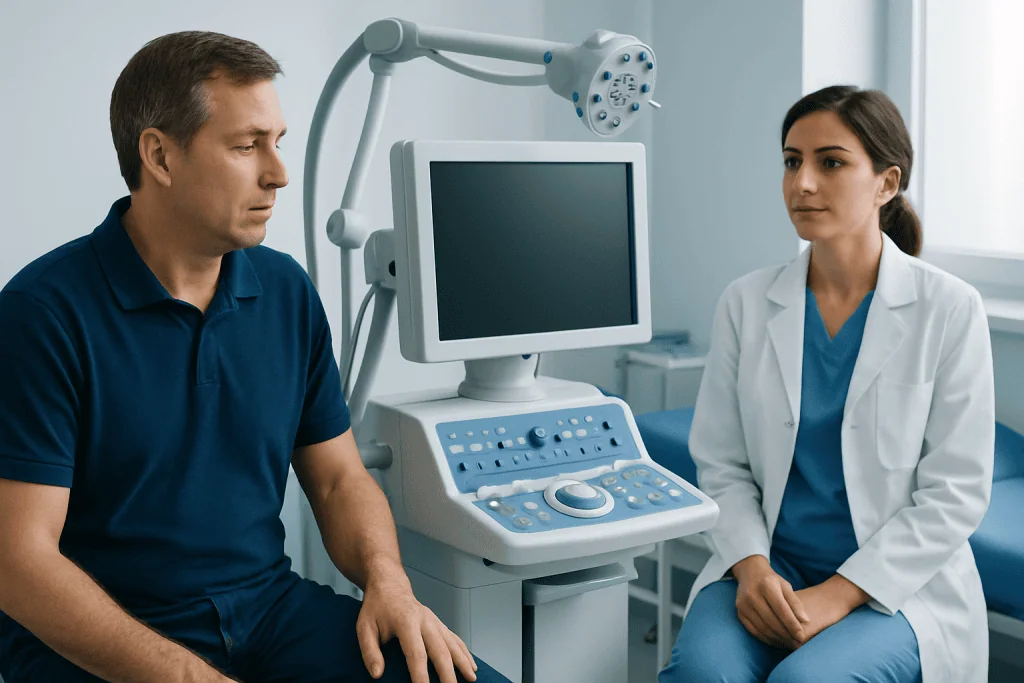
The symptoms depend on the type of movement involved. Tremor is a rhythmic shaking, often affecting the hands, head, or voice. Tics are sudden, repetitive movements or sounds that may be briefly suppressed. Myoclonus causes quick, shock-like jerks. Dystonia can pull a body part into an abnormal position, such as neck turning or eyelid squeezing. Chorea produces irregular, unpredictable movements that seem to flow from one body part to another.
Some people notice the movements only in certain situations, such as during stress, fatigue, exercise, or when trying to perform a precise action. Others have symptoms at rest, during sleep transitions, or after taking certain medications. A movement may be painful, embarrassing, tiring, or may interfere with handwriting, walking, eating, or speaking.
Associated symptoms can provide important clues. These may include changes in balance, slowness, stiffness, weakness, numbness, trouble concentrating, mood symptoms, sleep disturbance, or swallowing problems. In children, parents may notice blinking, throat clearing, shoulder shrugging, or unusual postures. In older adults, new tremor or slowness may lead the doctor to consider conditions such as Parkinson's disease.
A helpful way to describe symptoms is to note:
- Which body part is involved
- Whether the movement is rhythmic or irregular
- How long episodes last
- What triggers or relieves them
- Whether they can be briefly controlled
- Whether there are other neurological or general symptoms
Causes and Risk Factors

Involuntary movements can arise from many different causes. Some come from changes in the brain circuits that control movement, especially areas such as the basal ganglia, cerebellum, or related pathways. These changes may be linked to inherited conditions, neurodegenerative disorders, stroke, brain injury, infections, autoimmune disease, or structural problems affecting the nervous system.
Medicines are another important cause. Certain drugs used for nausea, psychiatric conditions, seizures, asthma, or other health problems can trigger tremor, restlessness, or abnormal movements. Stimulants, excess caffeine, alcohol withdrawal, and recreational substances may also contribute. In some cases, movements begin after long-term medication use; in others, they appear soon after a new treatment starts or the dose changes.
Metabolic and systemic conditions should also be considered. Thyroid disease, low blood sugar, liver or kidney disease, electrolyte imbalance, vitamin deficiencies, and low oxygen states can all affect movement control. Anxiety and stress do not cause every movement disorder, but they can clearly worsen many symptoms, especially tremor and tics. Sleep deprivation is another common aggravating factor.
Risk factors depend on the specific disorder but may include older age, family history, prior neurological illness, certain medications, head trauma, and exposure to toxins. Sometimes involuntary movements are part of a known neurological condition, while in other cases the cause remains uncertain even after testing. That is why diagnosis focuses on patterns rather than assumptions.
Red Flags: When Urgent Medical Care Is Needed
Not every abnormal movement is an emergency, but some situations need prompt medical attention. Sudden involuntary movements with weakness on one side, facial drooping, trouble speaking, severe headache, confusion, or loss of coordination may suggest stroke or another acute neurological problem. New seizure-like activity, loss of consciousness, or repeated jerking with unresponsiveness should also be assessed urgently.
Other red flags include high fever with muscle rigidity, severe agitation after a medication change, sudden severe stiffness, breathing difficulty, swallowing problems, or movements that rapidly become generalized. In infants and children, urgent assessment is important if abnormal movements come with developmental regression, prolonged staring spells, cyanosis, or prolonged episodes that interrupt awareness.
Even when symptoms are not urgent, a medical review is sensible if movements are persistent, worsening, painful, or affecting daily life. Early specialist assessment may be especially helpful if there is a family history of neurological disease, recent head injury, or concern for conditions such as epilepsy or parkinsonian symptoms.
Seeking help early does not always mean a serious diagnosis is likely. It simply allows treatable causes to be identified sooner and avoids unnecessary worry from guessing based on symptoms alone.
How Diagnosis Works
Diagnosis begins with a detailed history and neurological examination. The doctor will ask when the movements started, how often they happen, what they look like, what triggers them, and whether they can be suppressed or relieved. They will also review all medicines and supplements, past illnesses, family history, sleep, stress, and any associated symptoms such as weakness, slowness, numbness, cognitive changes, or falls.
Watching the movement is one of the most valuable parts of the assessment. Doctors often ask a person to sit, stand, walk, write, hold the arms out, or perform a task to see whether the movement changes with posture or action. If the movement is intermittent, a phone video recorded safely at home can sometimes help show what happens in real life.
Tests are chosen based on the suspected cause rather than done routinely for everyone. Blood tests may look for thyroid problems, liver or kidney disease, electrolyte imbalance, inflammation, or nutritional deficiency. Brain imaging such as MRI scanning or CT scanning may be used when a structural cause, stroke, or other brain problem is possible. In selected cases, doctors may request EEG if seizures are a concern, nerve or muscle testing, or genetic testing when a hereditary movement disorder is suspected.
The goal of diagnosis is not just to name the movement, but to understand why it is happening. That distinction matters because treatment for essential tremor is different from treatment for dystonia, medication-induced dyskinesia, or a metabolic problem. Sometimes diagnosis takes more than one visit, especially if symptoms evolve over time.
Treatment Options
Treatment depends on the underlying cause, the type of movement, and how much it affects daily life. In some cases, the main step is adjusting or stopping a triggering medication under medical supervision. In others, the treatment may focus on reducing the movement itself, improving function, or managing the condition causing it.
Common approaches include prescription medicines for tremor, dystonia, chorea, tics, or Parkinson-related symptoms; physical and occupational therapy; stress management; sleep improvement; and addressing triggers such as excess caffeine or missed meals. Some people benefit from speech therapy if voice or swallowing is affected. When appropriate, targeted procedures may be considered, including botulinum toxin injections for certain focal spasms or dystonia.
For selected people with severe, medication-resistant movement disorders, advanced treatments can be discussed. One example is deep brain stimulation, which may help carefully chosen patients with conditions such as Parkinson’s disease, essential tremor, or dystonia. These options require specialist evaluation and are not suitable for every type of involuntary movement.
Treatment plans often work best when they are individualized. Near the end of the diagnostic process, a specialist may explain whether the movement is likely to be temporary, chronic but manageable, or part of a broader neurological condition. Acibadem International’s multidisciplinary specialists in JCI-accredited hospitals diagnose and treat movement disorders for international patients when expert evaluation is needed.
Self-care, Monitoring, and Living With Symptoms
Although self-care does not replace medical evaluation, it can help reduce symptom burden. Keeping a simple symptom diary may reveal patterns related to sleep loss, stress, exercise, caffeine, alcohol, timing of medicines, or emotional triggers. This information can make appointments more productive and sometimes shortens the path to diagnosis.
General supportive steps include regular sleep, balanced meals, hydration, and avoiding sudden changes to prescribed medications without medical advice. Gentle exercise, relaxation techniques, and structured routines may help some people feel more in control of symptoms, particularly if anxiety makes movements more noticeable. If a movement affects walking or balance, fall prevention at home is important.
Practical adaptations can also make daily tasks easier. Weighted utensils may help some people with tremor. Voice strain may improve with speech therapy input. For children with tics, a calm and non-punitive environment is usually more helpful than repeatedly asking the child to stop the movement, especially if suppression increases discomfort or stress.
Family support matters. Visible involuntary movements can affect confidence, work, school, and social life even when they are not dangerous. Reassurance, accurate information, and specialist follow-up can help people manage both the physical symptoms and the emotional impact.
When to See a Doctor
A person should arrange a medical appointment if involuntary movements are new, keep returning, are becoming more frequent, or interfere with daily activities. Assessment is also sensible if there are additional symptoms such as stiffness, slowness, falls, weakness, numbness, memory changes, swallowing difficulty, or significant pain.
It is especially important to seek review after starting a new medicine or changing a dose if unusual movements appear. Bringing a list of medications, any family history of neurological disease, and a short symptom timeline can help the doctor assess the problem efficiently. If episodes are difficult to describe, a safe video recorded by a family member may be useful.
Urgent care is needed for sudden symptoms associated with confusion, loss of consciousness, trouble speaking, one-sided weakness, severe headache, chest symptoms, breathing difficulty, or prolonged generalized jerking. These features go beyond a routine movement complaint and need immediate medical attention.
In many cases, involuntary movements can be understood and managed with the right evaluation. The most helpful next step is not self-diagnosis, but a clear medical assessment that considers the whole person, not just the movement alone.
Frequently asked questions
Are involuntary movements always serious?
No. Some involuntary movements are temporary or related to stress, fatigue, caffeine, or medication effects. Others may reflect an underlying neurological or metabolic condition, so a doctor should assess persistent, new, or worsening symptoms.
What is the difference between tremor and tics?
Tremor is usually a rhythmic shaking movement, often affecting the hands, head, or voice. Tics are sudden, repetitive movements or sounds that may be briefly suppressed and are often preceded by an urge or uncomfortable sensation.
Can medications cause involuntary movements?
Yes. Certain medicines can trigger tremor, restlessness, jerking, or abnormal facial and body movements. A person should not stop prescribed medication on their own, but should speak with the prescribing doctor promptly if symptoms appear.
How do doctors diagnose involuntary movements?
Doctors usually start with a detailed history and neurological examination. They may also use blood tests, brain imaging, EEG, or other tests depending on the pattern of movement and the suspected cause.
Should a person record the movements on video?
A safe home video can be very helpful if the movements do not happen during the appointment. It can show the timing, triggers, and appearance of the episodes, which may help the doctor identify the type of movement more accurately.
Can stress make involuntary movements worse?
Yes. Stress, anxiety, and poor sleep can increase the frequency or intensity of many movement symptoms, especially tremor and tics. Even when stress is not the main cause, reducing it may still improve symptom control.
References
- National Institute of Neurological Disorders and Stroke
- National Institute for Health and Care Excellence
- American Academy of Neurology
- NHS
- MedlinePlus
This article is for general information only and is not a substitute for professional medical advice. Please consult a qualified doctor about your individual situation.
Explore treatments in Turkey — costs, top hospitals & a free quote
JCI-accredited · board-certified surgeons · reply within 24h
Add us as a Preferred Source to see more of our trusted health content across Google Search, AI Overviews and Discover.

Neurology
Diagnosis and treatment of disorders of the brain, spinal cord, nerves and muscles.
51 specialists in this unit