

Iron Deficiency Anemia in Children: Pale Skin, Fatigue, and Testing

Iron deficiency anemia is a common and treatable cause of fatigue and pallor in children. Symptoms may be subtle at first and can include poor appetite, irritability, headaches, and reduced concentration.
Key Takeaways
- Iron deficiency anemia is a common and treatable cause of fatigue and pallor in children.
- Symptoms may be subtle at first and can include poor appetite, irritability, headaches, and reduced concentration.
- Diagnosis usually involves a medical history, physical exam, and blood tests such as a complete blood count and iron studies.
- Treatment often includes iron supplementation, iron-rich foods, and addressing the reason the child became iron deficient.
- Parents should seek medical advice if a child looks persistently pale, seems unusually tired, or has feeding or growth concerns.
Iron deficiency anemia in children happens when the body does not have enough iron to make healthy red blood cells. It can lead to pale skin, tiredness, irritability, and learning or behavior changes, but it is usually treatable once the cause is identified.
Overview
Iron deficiency anemia in children develops when the body lacks enough iron to produce adequate hemoglobin, the protein in red blood cells that carries oxygen. Without enough hemoglobin, the body’s tissues receive less oxygen than they need, which can affect energy, growth, development, and daily functioning. This is one of the most common nutritional deficiencies in childhood and can appear in infants, toddlers, school-aged children, and teenagers.
Iron is especially important during periods of rapid growth. Babies need enough iron to support brain development, toddlers need it as their bodies and eating habits change, and adolescents need more during growth spurts. Because symptoms can develop gradually, parents may not notice a problem right away. A child may simply seem more tired than usual, eat less well, or have trouble paying attention.
The good news is that iron deficiency anemia is usually manageable. With proper testing, treatment, and follow-up, most children improve well. Early recognition matters because untreated iron deficiency can affect behavior, learning, sleep, and physical stamina, even before anemia becomes severe.
Symptoms of Iron Deficiency Anemia in Children
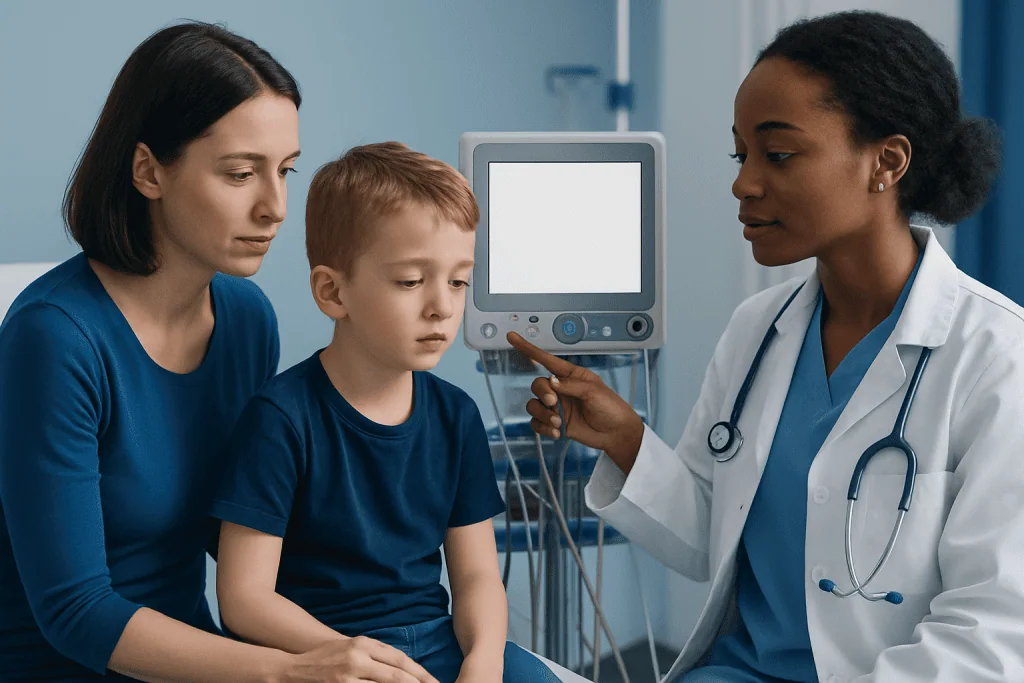
Symptoms can vary depending on a child’s age, how long the iron deficiency has been present, and how low the hemoglobin level has become. Some children have obvious symptoms, while others have only mild changes that are easy to overlook. Parents often first notice pale skin, low energy, or a child who gets tired more quickly than usual.
Common symptoms may include pale skin, pale lips, tiredness, weakness, irritability, headaches, dizziness, cold hands and feet, and reduced appetite. Some children may look less active, struggle to keep up during play, or seem short of breath with exertion. In school-aged children, poor concentration, lower attention span, or changes in academic performance may also appear.
Other signs can include brittle nails, a sore tongue, or cravings for non-food items such as ice, paper, or dirt, a behavior known as pica. Infants and toddlers may be fussy, feed poorly, or show slower weight gain. Because these symptoms can overlap with many other childhood conditions, a doctor usually confirms the diagnosis with blood testing rather than symptoms alone.
- Pale skin or pale inner eyelids
- Fatigue or low stamina
- Irritability or mood changes
- Poor appetite
- Difficulty concentrating
- Headaches or dizziness
- Pica, such as chewing ice
Causes and Risk Factors

Iron deficiency anemia in children usually happens for one or more of three reasons: not enough iron in the diet, increased iron needs during growth, or loss of iron from bleeding. In many cases, the cause is nutritional. Babies who are born prematurely may have lower iron stores. Infants who drink large amounts of cow’s milk before age 1, or toddlers who fill up on milk and eat few iron-rich foods, may also become deficient.
Children are at higher risk if they eat a limited diet, are picky eaters, follow restrictive diets without guidance, or have medical conditions that reduce iron absorption. Adolescents, especially girls who have started menstruating, may develop iron deficiency because of blood loss combined with rapid growth. Endurance sports and intensive training can also increase iron needs in some teens.
Less commonly, iron deficiency can be related to chronic blood loss or conditions that affect the digestive tract. These may include intestinal inflammation, ulcers, certain infections, or disorders such as celiac disease, where the body cannot absorb nutrients normally. A doctor may also consider other reasons for anemia, including inherited blood conditions, if the pattern does not fit simple iron deficiency.
How Doctors Diagnose It
Diagnosis begins with a careful history and physical examination. The doctor asks about symptoms, diet, milk intake, growth, bowel habits, school performance, medications, and any family history of anemia or blood disorders. In teenagers, menstrual history can be important. On examination, the doctor may look for pallor, changes in nails or tongue, growth concerns, or signs that suggest another underlying illness.
Blood tests are the main way to confirm iron deficiency anemia. A complete blood count looks at hemoglobin, hematocrit, and the size of red blood cells. Iron deficiency often causes red blood cells to become smaller and paler than normal. Additional tests may include ferritin, serum iron, transferrin saturation, and sometimes reticulocyte count. Ferritin is especially helpful because it reflects the body’s iron stores, although it can be affected by inflammation or infection.
If the cause is not clear, the doctor may order other tests to look for bleeding, poor absorption, or another condition. Depending on the child’s age and symptoms, this might include stool testing, screening for inflammatory bowel disease, or evaluation for nutritional and digestive problems. In some children, the doctor may also monitor the response to iron treatment as part of confirming the diagnosis.
Treatment Options
Treatment aims to rebuild iron stores, correct the anemia, and address the reason the deficiency developed. Many children are treated with oral iron supplements prescribed by a doctor. These are usually taken for several weeks to months, because treatment must continue long enough not only to raise hemoglobin but also to replenish iron stores. Parents should use only the type and amount recommended by the child’s doctor, since too much iron can be harmful.
Dietary changes are also important. Iron-rich foods include meat, poultry, fish, beans, lentils, eggs, fortified cereals, and dark green vegetables. Pairing plant-based iron sources with vitamin C-rich foods, such as citrus fruits, strawberries, tomatoes, or peppers, can improve absorption. At the same time, a doctor may advise limiting excessive milk intake in toddlers, since large amounts of milk can reduce appetite for iron-rich foods and may interfere with iron balance.
When a child cannot tolerate oral iron, does not absorb it well, or has more severe deficiency, doctors may consider other approaches. In selected cases, evaluation by specialists may be needed, especially if there is concern about digestive disease or ongoing blood loss. If there is a suspected intestinal cause, further assessment such as gastroenterology evaluation may help identify the source. In rare or complicated cases, care from specialists in hematology may also be appropriate.
Follow-up testing is important to make sure treatment is working. A child may start feeling better before the iron stores are fully restored, so it is important not to stop treatment early without medical advice. The doctor usually repeats blood tests after a period of treatment and may adjust the plan depending on the response.
Prevention and Self-care
Prevention focuses mainly on good nutrition and age-appropriate feeding habits. Infants should be fed according to pediatric guidance, and families should discuss iron needs if a baby is premature, has a low birth weight, or is exclusively breastfed for a prolonged period. Iron-fortified formulas and cereals may be helpful in some cases, depending on age and nutritional needs.
For toddlers and older children, regular meals that include iron-rich foods can lower the risk of deficiency. It is also helpful to avoid relying too heavily on cow’s milk, especially in very young children. A balanced eating pattern with a variety of proteins, grains, fruits, and vegetables supports not only iron levels but overall growth and development.
Parents should avoid giving iron supplements unless advised by a healthcare professional. Iron medicines should be stored safely out of children’s reach, as accidental overdose can be dangerous. If a child has a chronic health condition, ongoing digestive symptoms, or a restrictive diet, routine follow-up with a pediatrician can help detect problems early and prevent anemia from developing or returning.
When to See a Doctor
Parents should arrange a medical review if a child has persistent pallor, unusual tiredness, poor appetite, recurring headaches, dizziness, or trouble keeping up with normal activities. Medical attention is also important if teachers or caregivers notice concentration problems, irritability, or a clear decline in school performance. These symptoms do not always mean anemia, but they should be assessed.
A prompt evaluation is especially important in infants, children with feeding difficulties, teenagers with heavy menstrual bleeding, and children with digestive symptoms such as abdominal pain, chronic diarrhea, blood in the stool, or poor growth. These patterns can point to a cause that needs more than simple dietary changes. In some cases, a doctor may recommend broader assessment, including pediatric care and nutrition support.
Urgent care may be needed if a child has severe weakness, fainting, chest pain, breathing difficulty, a very fast heartbeat, or appears extremely unwell. These symptoms can have many causes, but they deserve immediate medical attention. Near the end of the care journey, families seeking international evaluation may wish to know that Acibadem International’s multidisciplinary specialists and JCI-accredited hospitals diagnose and treat iron deficiency anemia and related pediatric conditions for international patients.
Frequently asked questions
What are the first signs of iron deficiency anemia in children?
Early signs often include pale skin, tiredness, irritability, and a reduced appetite. Some children also become less active, have trouble concentrating, or seem more easily frustrated than usual.
Can a child have iron deficiency without obvious anemia?
Yes. Iron stores can become low before hemoglobin drops enough to meet the definition of anemia. Even at this stage, some children may have fatigue, poor focus, or behavior changes.
What foods help raise iron levels in children?
Iron-rich foods include meat, poultry, fish, beans, lentils, eggs, fortified cereals, and leafy green vegetables. Serving these with vitamin C-rich foods can help the body absorb iron more effectively.
How is iron deficiency anemia confirmed?
Doctors usually confirm it with blood tests, especially a complete blood count and iron studies such as ferritin. They also review the child's diet, growth, symptoms, and possible causes such as blood loss or poor absorption.
How long does treatment usually take?
Many children need treatment for several weeks to months. Symptoms may improve fairly soon, but treatment often continues longer so the body's iron stores can be fully restored.
Is cow's milk related to iron deficiency anemia?
It can be. In toddlers, drinking too much cow's milk may reduce appetite for iron-rich foods and contribute to iron deficiency. A pediatrician can advise on an age-appropriate amount as part of a balanced diet.
References
- World Health Organization
- American Academy of Pediatrics
- Centers for Disease Control and Prevention
- National Heart, Lung, and Blood Institute
- National Institute of Diabetes and Digestive and Kidney Diseases
This article is for general information only and is not a substitute for professional medical advice. Please consult a qualified doctor about your individual situation.
Anemia in Turkey — costs, top hospitals & a free quote
JCI-accredited · board-certified surgeons · reply within 24h
Add us as a Preferred Source to see more of our trusted health content across Google Search, AI Overviews and Discover.

Pediatrics
Complete healthcare for infants, children and adolescents across all sub-specialties.
232 specialists in this unitMore from the Health Library

Related Specialists

Prof. Dr. Salih Marangoz
Orthopedic Surgery & Traumatology
İrfancan Velioğlu
Pediatric Rehabilitation
Dr. Mahmut Özyilmaz
Aesthetic Plastic & Reconstructive Surgery
Prof. Dr. Süleyman Özyalçin
Treatment of Pain Algology