Iron Pills: An Evidence-Based Guide for Patients

Iron pills can help rebuild iron stores, but they should ideally be used after low iron is confirmed with blood tests. Common side effects include nausea, constipation, stomach discomfort, and dark stools; these are often manageable.
Key Takeaways
- Iron pills can help rebuild iron stores, but they should ideally be used after low iron is confirmed with blood tests.
- Common side effects include nausea, constipation, stomach discomfort, and dark stools; these are often manageable.
- Iron is absorbed best when taken correctly, but some foods, medicines, and supplements can reduce absorption.
- Not all fatigue is caused by low iron, so self-treating without evaluation may delay the diagnosis of another condition.
- People with heavy periods, pregnancy, digestive disorders, blood loss, or restricted diets may be at higher risk of iron deficiency.
- Medical follow-up is important to confirm that treatment is working and to identify the reason iron levels became low.
Iron pills are commonly used to treat iron deficiency and iron deficiency anemia when food alone cannot restore iron stores. They can be effective, but the right dose, timing, and follow-up matter because low iron has different causes and supplements can cause side effects or interact with other medicines.
Overview: What Iron Pills Do
Iron pills are oral supplements used to raise iron levels in the body. They are most often recommended for people with iron deficiency or iron deficiency anemia, especially when diet alone is not enough to replace lost or depleted iron stores. In simple terms, they provide the raw material the body needs to make hemoglobin, the protein in red blood cells that carries oxygen.
These supplements can be very helpful, but they are not the right answer for every person who feels tired or weak. Symptoms such as fatigue, shortness of breath, headaches, and poor concentration can have many causes. For that reason, clinicians usually prefer to confirm low iron with blood tests rather than relying on symptoms alone.
Iron pills come in different forms and strengths. Some products contain iron alone, while others combine it with vitamins such as vitamin C or folic acid. The best choice depends on a person’s age, health history, test results, tolerance, and the likely reason for iron loss.
Because iron deficiency may be a sign of blood loss, poor absorption, pregnancy-related needs, or an underlying digestive condition, treatment should focus on both replacing iron and finding the cause. That approach helps improve symptoms safely and lowers the chance that iron deficiency will return.
Who May Need Iron Pills
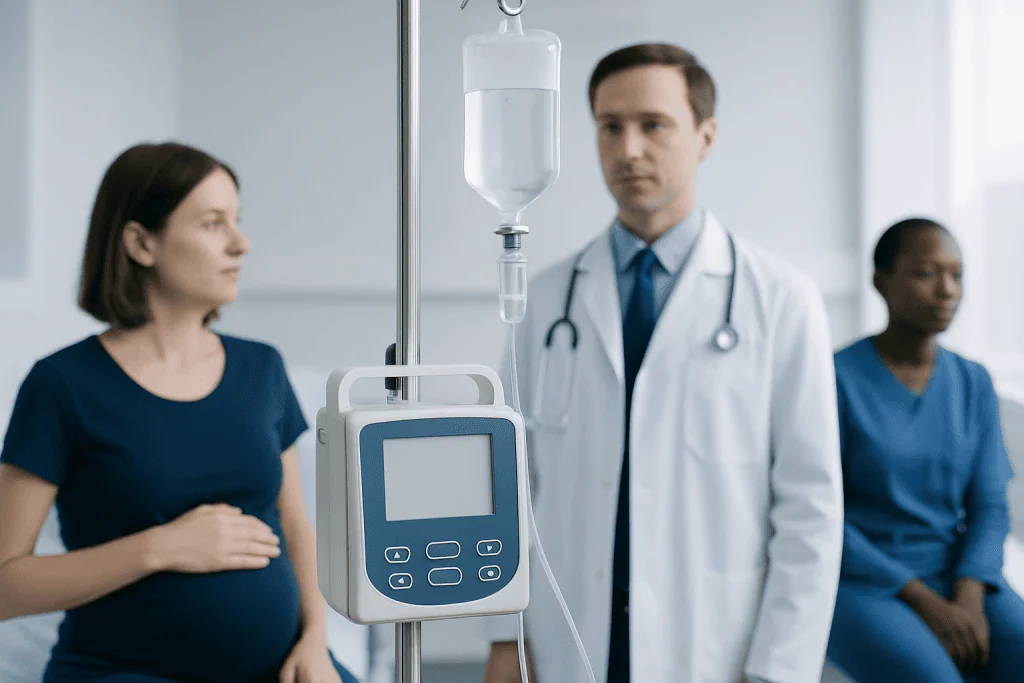
Iron pills are often prescribed for people whose blood tests show low ferritin, low iron stores, or anemia caused by iron deficiency. They may also be advised in situations where the body needs more iron than usual, such as pregnancy, periods of rapid growth, or recovery after blood loss.
Some groups are more likely to develop low iron. These include people with heavy menstrual bleeding, pregnant women, frequent blood donors, infants and adolescents with increased growth needs, and adults whose diets contain little iron-rich food. Vegetarian or vegan eating patterns can be healthy, but they may require extra attention to iron intake and absorption.
Certain medical conditions can also make low iron more likely. Examples include digestive disorders that reduce nutrient absorption, long-term inflammation, stomach or bowel surgery, and chronic blood loss from the gastrointestinal tract. In some cases, a doctor may investigate for ulcers, polyps, hemorrhoids, or colon cancer if blood loss is suspected.
Iron pills should not be started routinely just because a person feels tired. Too much iron can be harmful, and some people have conditions in which iron overload is a concern. A qualified clinician can help determine whether supplementation is appropriate and whether oral treatment is likely to be enough.
Symptoms of Low Iron and Iron Deficiency Anemia

Low iron may develop gradually, so symptoms can be mild at first. Many people notice tiredness, low stamina, difficulty exercising, weakness, dizziness, or poor concentration. As iron deficiency progresses, some people also experience headaches, irritability, pale skin, cold hands and feet, or feeling short of breath during daily activities.
When iron deficiency leads to anemia, symptoms may become more noticeable because the blood carries less oxygen. Heart palpitations, chest discomfort with exertion, or marked fatigue can occur, especially in older adults or people with heart or lung disease. Children may show irritability, poor appetite, or difficulties with attention and development.
Some signs are more specific to iron deficiency. Brittle nails, hair shedding, cracks at the corners of the mouth, a sore tongue, or unusual cravings such as chewing ice may occur in some cases. However, not everyone develops these signs, and their absence does not rule out low iron.
Symptoms alone cannot confirm iron deficiency. Many other conditions can cause similar complaints, including thyroid disease, sleep disorders, infections, depression, vitamin deficiencies, or chronic illness. Blood tests are the most reliable way to know whether iron pills are actually needed.
How Doctors Diagnose Low Iron
Doctors usually begin with a medical history and physical examination, asking about diet, menstrual bleeding, pregnancy, digestive symptoms, medications, blood donation, and family history. The pattern of symptoms may suggest iron deficiency, but laboratory testing is needed to make the diagnosis and guide treatment.
Common tests include a complete blood count, ferritin, serum iron, transferrin saturation, and sometimes additional markers that help distinguish iron deficiency from inflammation or other types of anemia. Ferritin is especially useful because it reflects iron stores, although it can be harder to interpret when infection or inflammation is present.
If a person has significant anemia, recurrent low iron, or no clear explanation, further evaluation may be needed to find the source. This may include stool testing, gynecologic assessment for heavy periods, or digestive evaluation. In selected cases, doctors may recommend colonoscopy or upper endoscopy to look for bleeding or conditions that affect absorption.
The goal is not only to confirm that iron levels are low, but also to understand why. Treating the deficiency without addressing ongoing blood loss or poor absorption can lead to repeated symptoms and delayed diagnosis of another health problem.
How to Take Iron Pills Safely and Effectively
Iron pills work best when taken exactly as advised by a clinician. Different formulations contain different amounts of elemental iron, so two products may not be interchangeable even if they look similar. A doctor or pharmacist can explain which product to use and how often to take it.
Absorption is often better when iron is taken on an empty stomach, but some people develop nausea or stomach discomfort. If this happens, taking the pill with a small amount of food may improve tolerance, even if absorption is slightly reduced. Some clinicians may also recommend every-other-day dosing in certain patients to improve absorption and reduce side effects.
Several substances can interfere with iron absorption. Calcium supplements, antacids, tea, coffee, and some prescription medicines may reduce how much iron the body absorbs. It is often helpful to separate iron from these items by a few hours. Vitamin C or orange juice may improve absorption for some people, but this should be balanced against stomach sensitivity.
Iron pills should be stored safely out of the reach of children, because accidental overdose can be dangerous. People who cannot tolerate oral iron, do not absorb it well, or need faster replacement may be candidates for intravenous iron therapy after medical assessment.
Side Effects, Interactions, and What to Expect
The most common side effects of iron pills are nausea, constipation, abdominal discomfort, heartburn, bloating, and dark or black stools. Dark stools are often expected with oral iron and do not always mean bleeding, but any new or concerning symptom should still be discussed with a clinician.
Many side effects can be managed with practical adjustments. A doctor may suggest changing the formulation, lowering the dose temporarily, using a different schedule, or taking iron with a small meal. Constipation may improve with hydration, fiber, physical activity, or other measures guided by a healthcare professional.
Iron can interact with several medicines, including some antibiotics, thyroid medication, and drugs that reduce stomach acid. These interactions may make either the iron or the other medicine less effective. Pharmacists are often very helpful in reviewing how to time iron alongside a person’s full medication list.
Improvement does not happen overnight. Some people begin to feel better within a few weeks, but rebuilding iron stores usually takes longer than correcting symptoms. Follow-up blood tests help confirm that hemoglobin is rising and that iron stores are being restored, which is why treatment often continues for a period even after a person starts feeling better.
Prevention and Self-Care
For many people, iron deficiency can be reduced through a combination of diet, early testing when symptoms appear, and treatment of the underlying cause. Iron-rich foods include red meat, poultry, fish, beans, lentils, tofu, eggs, and iron-fortified grains. Plant sources are nutritious, though the iron they contain is generally absorbed less efficiently than iron from animal foods.
Absorption can be improved by pairing iron-rich meals with foods high in vitamin C, such as citrus fruits, strawberries, peppers, or tomatoes. At the same time, tea, coffee, and large amounts of calcium taken with meals may reduce iron absorption in some people. Small dietary timing adjustments can make a meaningful difference over time.
People with heavy menstrual bleeding, digestive disease, pregnancy, or previous low iron may benefit from proactive medical follow-up. Managing the cause is just as important as replacing iron. For example, treatment may involve nutritional counseling, menstrual care, or targeted evaluation of digestive symptoms.
Near the end of the care pathway, some patients may need support from more than one specialty. Acibadem International’s multidisciplinary specialists and JCI-accredited hospitals diagnose and treat conditions related to low iron for international patients, including digestive and blood-related causes when further evaluation is needed.
When to Seek Medical Care
Medical advice is appropriate before starting iron pills if symptoms are significant, persistent, or unexplained. It is especially important for men, postmenopausal women, and anyone with weight loss, digestive symptoms, or visible bleeding, because these situations may require evaluation for blood loss or another underlying condition.
A person should contact a doctor promptly if they have severe fatigue, chest pain, fainting, shortness of breath at rest, a very fast heartbeat, or signs of gastrointestinal bleeding such as black tarry stools or vomiting blood. These symptoms need medical assessment rather than self-treatment with supplements.
Follow-up care is also important if iron pills cause troublesome side effects, if symptoms do not improve, or if blood tests fail to normalize as expected. In those cases, a clinician may reassess the diagnosis, check for poor absorption, review medication interactions, or consider alternatives such as hematology evaluation or intravenous treatment.
Seeking care early is reassuring as well as practical. The right evaluation can confirm whether iron deficiency is present, identify the cause, and help a person use treatment safely and effectively instead of guessing based on symptoms alone.
Frequently asked questions
What are iron pills used for?
Iron pills are used to treat or prevent low iron levels when the body does not have enough iron to make healthy red blood cells. They are commonly prescribed for iron deficiency and iron deficiency anemia, especially when diet alone is not enough.
Can someone take iron pills without a blood test?
It is better to speak with a clinician first and have testing when possible. Tiredness and weakness are not specific to low iron, and taking iron unnecessarily may cause side effects or delay diagnosis of another problem.
How long do iron pills take to work?
Some people begin to notice more energy within a few weeks, but this varies. Iron stores usually take longer to rebuild, so treatment often continues for a period after symptoms start improving and follow-up blood tests are important.
What foods or medicines can interfere with iron pills?
Calcium supplements, antacids, tea, coffee, and some prescription medicines can reduce iron absorption. A pharmacist or doctor can explain how to separate these from iron pills based on a person's medication schedule.
Are black stools normal when taking iron pills?
Dark or black stools can be a common effect of iron pills and are not always a sign of bleeding. However, if stools are tarry, there is abdominal pain, or other concerning symptoms are present, medical advice is important.
What if iron pills upset the stomach?
Stomach upset is common and does not necessarily mean treatment must stop. A clinician may suggest a different formulation, a different dosing schedule, or taking the supplement with a small amount of food to improve tolerance.
This article is for general information only and is not a substitute for professional medical advice. Please consult a qualified doctor about your individual situation.
Explore treatments in Turkey — costs, top hospitals & a free quote
JCI-accredited · board-certified surgeons · reply within 24h
Add us as a Preferred Source to see more of our trusted health content across Google Search, AI Overviews and Discover.

More from the Health Library

Carbonated Water: What Patients Need to Know

Capsicum: A Complete Medical Overview

Hpa Axis: An Evidence-Based Guide for Patients

Acne Versus Herpes: What Patients Need to Know

Calcitonin: An Evidence-Based Guide for Patients