Iron Rich Foods: Evidence-Based Benefits, Risks, and Practical Guidance
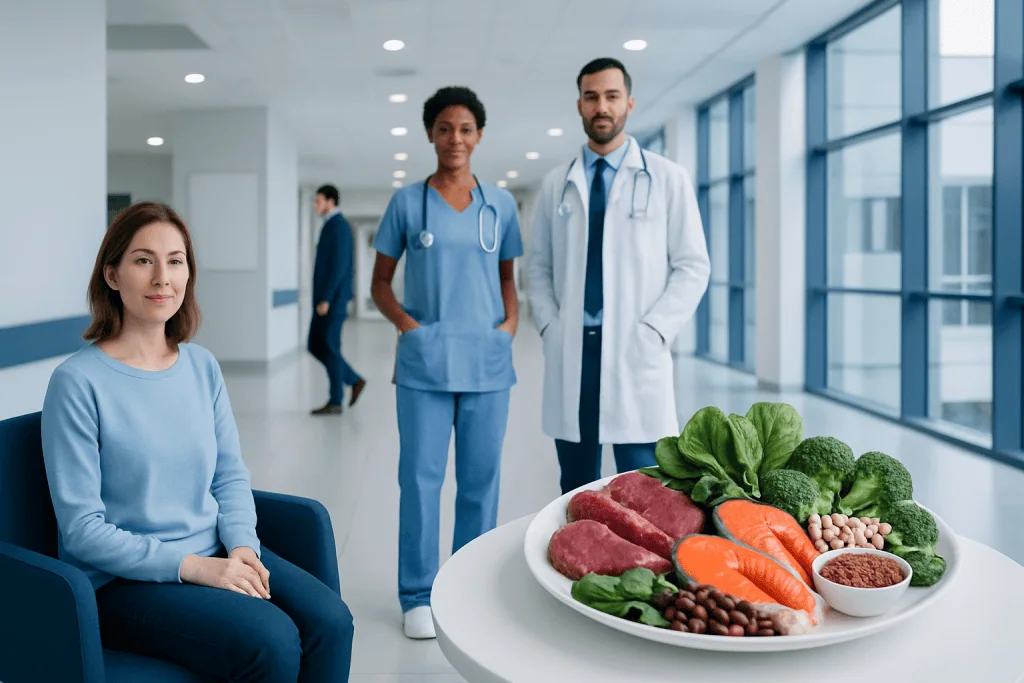
Iron rich foods include both animal sources of heme iron and plant sources of nonheme iron. Heme iron is generally absorbed more efficiently than nonheme iron.
Key Takeaways
- Iron rich foods include both animal sources of heme iron and plant sources of nonheme iron.
- Heme iron is generally absorbed more efficiently than nonheme iron.
- Vitamin C can improve iron absorption, while tea, coffee, and calcium may reduce it around meals.
- Not everyone should increase iron intake without guidance, especially people with iron overload disorders.
- Persistent fatigue, pallor, shortness of breath, or suspected anemia should be medically evaluated.
Iron rich foods can help maintain healthy red blood cell production, energy levels, and oxygen transport, especially when intake matches a person’s age, health status, and absorption needs. The strongest evidence supports their role in preventing or correcting low iron intake, but food choices, preparation, and medical context all matter.
Overview: What Iron Rich Foods Are and Why They Matter
Iron rich foods are foods that provide meaningful amounts of dietary iron, a mineral the body needs to make hemoglobin, support oxygen transport, and help many enzymes work properly. In practical terms, these foods can help prevent iron deficiency when they are part of a balanced diet, but they are not a one-size-fits-all solution because iron needs differ by age, sex, pregnancy status, medical history, and how well the body absorbs iron.
There are two main forms of dietary iron. Heme iron comes from animal foods such as red meat, poultry, and seafood, and the body usually absorbs it more easily. Nonheme iron comes from plant foods and fortified products such as beans, lentils, tofu, spinach, pumpkin seeds, and iron-fortified cereals. Both forms can contribute to health, but meal composition matters because some nutrients improve absorption and others reduce it.
Clinical evidence strongly supports adequate iron intake for preventing or treating low iron intake in people who are deficient or at risk. However, iron rich foods are not a cure for every cause of tiredness, hair shedding, or poor concentration. Symptoms like these can have many causes, and some people need medical testing rather than simply eating more iron.
Common Iron Rich Foods and How They Compare

Iron rich foods can be grouped into animal-based and plant-based sources. Animal foods tend to supply heme iron, which is usually absorbed more efficiently. Plant foods supply nonheme iron, which can still be valuable, especially when eaten regularly and paired with vitamin C-rich foods such as citrus fruit, strawberries, tomatoes, bell peppers, or broccoli.
Examples of iron rich foods include lean red meat, liver, turkey, chicken, sardines, tuna, oysters, mussels, lentils, beans, chickpeas, soy foods, spinach, Swiss chard, quinoa, pumpkin seeds, sesame seeds, cashews, dried apricots, and iron-fortified breakfast cereals. Fortified grains can be especially useful for people who eat little or no meat.
A practical way to think about iron intake is not just the amount listed on a label, but how much the body may actually absorb. For example, a bowl of fortified cereal with fruit may provide absorbable iron if eaten with vitamin C-rich food, while a similar meal taken with tea or coffee may provide less usable iron.
- Higher-absorption choices: beef, lamb, dark poultry meat, shellfish, fish
- Useful plant-based choices: lentils, beans, tofu, tempeh, spinach, seeds, fortified cereals
- Helpful meal additions: oranges, kiwi, tomatoes, peppers, berries
What the Evidence Supports — and What It Does Not
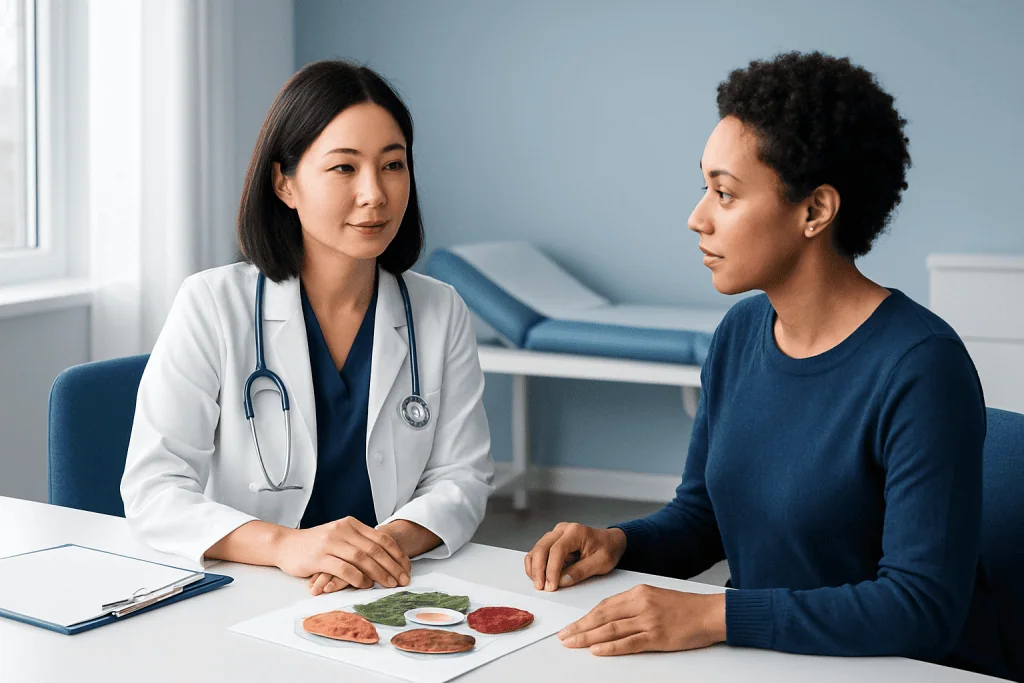
Evidence supports the use of iron rich foods as part of a healthy diet to maintain normal iron status and to help reduce the risk of iron deficiency in people with increased needs or limited intake. This includes children during growth, adolescents, people who menstruate, pregnant individuals, endurance athletes, and people following diets low in animal-source foods. In mild deficiency, improving the diet may be a helpful part of care, although some people also need iron supplements prescribed or recommended by a clinician.
At the same time, evidence does not support assuming that more iron is always better. Eating iron rich foods will not treat every form of anemia, because anemia may result from blood loss, chronic inflammation, vitamin B12 or folate deficiency, kidney disease, bone marrow disorders, or inherited conditions. In these situations, focusing only on food may delay the right diagnosis. People with symptoms or known anemia often need blood tests to identify the cause.
Evidence also does not support using iron-rich eating patterns as a performance enhancer in people who already have normal iron stores. For many healthy adults, an appropriate balanced diet is enough. Extra iron, especially through supplements, may cause side effects or be harmful if taken unnecessarily.
Who May Need More Iron and Who Should Be Careful
Some groups are more likely to need careful attention to dietary iron. These include infants starting complementary foods, children with selective eating patterns, teenagers during growth spurts, women with heavy menstrual bleeding, pregnant people, frequent blood donors, people with gastrointestinal conditions that reduce absorption, and those following vegetarian or vegan diets. Endurance athletes may also have increased needs due to training demands and, in some cases, small repetitive blood losses.
Others should be cautious about increasing iron without medical advice. People with hereditary hemochromatosis or other iron overload conditions can accumulate too much iron, which may damage the liver, heart, pancreas, and joints over time. Some people with chronic liver disease, repeated transfusions, or certain inherited blood disorders may also need individualized guidance.
For people with digestive symptoms, poor absorption may be more important than intake alone. Conditions affecting the stomach or intestines can interfere with iron absorption and may require specialist assessment, including evaluation for bleeding or inflammatory disease. In selected situations, doctors may investigate related digestive causes or recommend procedures such as colonoscopy if blood loss from the gastrointestinal tract is suspected.
How to Improve Iron Absorption in Everyday Meals
Meal planning can make a meaningful difference. Heme iron from meat, fish, and poultry is less affected by other dietary factors, while nonheme iron from plant foods is more sensitive to what is eaten alongside it. Pairing beans, lentils, tofu, leafy greens, or fortified grains with vitamin C-rich produce can help the body absorb more iron from the same meal.
Some common habits may lower absorption when they happen at the same time as an iron-rich meal. Tea and coffee contain compounds called polyphenols that can bind iron. Calcium-rich foods or supplements may also reduce absorption in some settings, especially with nonheme iron. This does not mean these foods are unhealthy; it simply means timing can matter for people trying to increase iron intake.
Helpful examples include lentil soup with lemon, iron-fortified cereal with strawberries, tofu stir-fry with bell peppers, or a bean salad with tomatoes and citrus dressing. Cooking in cast iron cookware may modestly increase the iron content of some foods, especially acidic dishes, but this should be seen as a small supportive step rather than a treatment.
- Helpful pairings: iron-rich foods with citrus, berries, peppers, tomatoes, or broccoli
- Consider separating: tea, coffee, or calcium supplements from iron-focused meals when advised by a clinician
- For plant-based diets: include legumes, soy foods, seeds, and fortified grains regularly rather than relying on a single food
Risks, Side Effects, and Interactions
For most people, iron rich foods are safe when eaten in normal amounts as part of a varied diet. Problems are more likely with unnecessary supplements, very high intake of certain organ meats, or undiagnosed iron overload. Even so, diet should be individualized. Someone who has kidney disease, inflammatory bowel disease, a history of bariatric surgery, or chronic digestive symptoms may need tailored advice rather than generic nutrition tips.
Iron supplements, unlike food, often cause side effects such as nausea, abdominal discomfort, constipation, diarrhea, or dark stools. They can also interact with certain medicines and may be absorbed poorly if taken incorrectly. Because of this, self-prescribing iron is not ideal, especially for children or older adults. If low iron is suspected, testing can help confirm whether supplements are needed and what the underlying cause may be.
People with unexplained low iron sometimes need broader evaluation to look for chronic blood loss, malabsorption, or another illness. Depending on the situation, clinicians may use blood tests, stool testing, endoscopy, or imaging. If a more serious cause is found, treatment may extend beyond diet and may include hematology care or management of a digestive source of bleeding.
Diagnosis and Medical Care: When Food Alone Is Not Enough
If iron deficiency is suspected, doctors usually assess symptoms, diet, menstrual history, gastrointestinal symptoms, medication use, and any signs of bleeding. Common blood tests may include a complete blood count and ferritin, along with other iron studies when needed. These tests help distinguish low iron stores from other causes of anemia or fatigue. In some cases, clinicians also evaluate for iron deficiency anemia when symptoms and blood work suggest it.
Food alone may not be enough when iron stores are very low, when there is ongoing blood loss, or when the body cannot absorb iron well. In these situations, clinicians may recommend oral iron treatment or, in selected cases, intravenous iron treatment under medical supervision. The best approach depends on severity, symptoms, test results, and the cause of deficiency.
Acibadem International’s multidisciplinary specialists and JCI-accredited hospitals diagnose and treat iron deficiency and related conditions for international patients when more detailed evaluation is needed.
Practical Self-Care and When to Seek Medical Care
Practical self-care begins with a balanced eating pattern rather than a single “superfood.” A person may include several iron rich foods across the week, combine plant sources with vitamin C-rich foods, and avoid relying only on supplements without guidance. Keeping meals varied can also help provide protein, folate, vitamin B12, and other nutrients involved in blood health.
Medical care should be sought if symptoms suggest anemia or another underlying condition. Warning signs include persistent fatigue, weakness, shortness of breath, dizziness, paleness, fast heartbeat, chest discomfort, pica, black or bloody stools, unexplained weight loss, or heavy menstrual bleeding. Children, pregnant people, older adults, and anyone with chronic illness should be assessed promptly if iron deficiency is suspected.
People should also consult a doctor before increasing iron intake if they have an iron overload disorder, liver disease, repeated transfusions, unexplained digestive symptoms, or a family history of abnormal iron storage. A clinician can help decide whether diet changes are enough or whether testing and targeted treatment are more appropriate.
Frequently asked questions
What are the best iron rich foods?
The best iron rich foods include heme iron sources such as lean red meat, poultry, fish, and shellfish, because these are usually absorbed more efficiently. Good plant-based options include lentils, beans, tofu, pumpkin seeds, spinach, and iron-fortified cereals.
Is spinach enough to correct low iron?
Spinach can contribute iron, but by itself it is usually not enough to correct significant iron deficiency. Low iron often needs a broader dietary plan and sometimes medical treatment, depending on the cause and severity.
How can someone absorb more iron from food?
Iron absorption can improve when iron-rich foods are eaten with vitamin C-rich foods such as citrus fruit, berries, tomatoes, or peppers. It may also help to avoid tea, coffee, or calcium supplements at the same time as an iron-focused meal if a clinician recommends this.
Can someone have too much iron from diet?
Most healthy people do not develop iron overload from a normal balanced diet alone. However, people with hereditary hemochromatosis or certain other medical conditions can absorb too much iron and should follow medical guidance.
Do vegetarians and vegans need special planning for iron?
Yes. Plant-based diets can provide enough iron, but the iron is nonheme iron, which is typically absorbed less efficiently than heme iron. Regular use of legumes, soy foods, seeds, leafy greens, fortified grains, and vitamin C-rich foods can help.
When should a person see a doctor instead of just eating more iron rich foods?
A doctor should be seen for persistent fatigue, shortness of breath, dizziness, paleness, heavy periods, blood in the stool, or other symptoms of possible anemia. Medical evaluation is also important if symptoms continue despite diet changes or if there is a history of digestive disease, iron overload, or chronic illness.
This article is for general information only and is not a substitute for professional medical advice. Please consult a qualified doctor about your individual situation.
Explore treatments in Turkey — costs, top hospitals & a free quote
JCI-accredited · board-certified surgeons · reply within 24h
Add us as a Preferred Source to see more of our trusted health content across Google Search, AI Overviews and Discover.

More from the Health Library
Iron Deficiency: Fatigue, Nutrition, and When to Seek Testing

Best Time to Take Vitamin B12: Benefits, Risks, and Safe Use
Protein Shakes and Exercise: Benefits, Risks, and Safe Use
Undigested Food in Stool: Evidence-Based Benefits, Risks, and Practical Guidance

Plant Based Protein Sources: Benefits, Risks, and Safe Use