Undigested Food in Stool: Evidence-Based Benefits, Risks, and Practical Guidance

Seeing small pieces of plant food in stool is often normal, especially after eating high-fiber foods. Undigested food in stool does not always mean the body is failing to absorb nutrients.
Key Takeaways
- Seeing small pieces of plant food in stool is often normal, especially after eating high-fiber foods.
- Undigested food in stool does not always mean the body is failing to absorb nutrients.
- Red-flag symptoms include ongoing diarrhea, weight loss, blood in stool, severe pain, fever, or greasy stools.
- Evaluation may include a medical history, stool tests, blood tests, and sometimes endoscopy or imaging.
- Treatment depends on the cause and may range from diet changes to managing an underlying gastrointestinal condition.
Undigested food in stool is usually caused by foods that naturally resist digestion, especially high-fiber vegetables, seeds, and corn. While it is often normal, frequent episodes together with diarrhea, weight loss, abdominal pain, or greasy stools may point to an underlying digestive condition that should be assessed by a doctor.
Overview: What Undigested Food in Stool Usually Means
Undigested food in stool usually means that parts of certain foods passed through the digestive tract without being fully broken down. In many cases, this is not a sign of disease. Foods rich in insoluble fiber, such as corn, beans, peas, leafy vegetables, fruit skins, nuts, and seeds, can appear in stool because the human body does not digest every plant cell wall completely.
The key clinical point is context. If a person feels well, has normal appetite and weight, and only occasionally notices food particles after eating fibrous meals, this is often a normal finding. The digestive system still absorbs many nutrients from these foods even if some visible fragments remain.
However, undigested food in stool becomes more important when it is frequent, new, or accompanied by other symptoms. Ongoing diarrhea, bloating, abdominal pain, greasy stool, fatigue, anemia, or unintended weight loss may suggest poor digestion, rapid intestinal transit, or malabsorption. In that setting, medical evaluation helps identify whether a gastrointestinal disorder is present.
What Counts as Normal, and What Does Not
Not every food fragment in stool has the same meaning. Plant foods commonly leave visible residue because cellulose and other fibrous components are difficult to digest fully. Corn is a classic example: the outer shell can remain visible even though the inside nutrients were absorbed. Tomato skins, sesame seeds, and leafy vegetable fibers can behave in a similar way.
By contrast, stool that repeatedly contains larger amounts of recognizable food, especially alongside loose bowel movements, may reflect that food is moving too quickly through the gut. Conditions that speed intestinal transit can reduce the time available for digestion. This is one reason some people notice more food particles during episodes of gastroenteritis or irritable bowel symptoms.
There is limited evidence to support the idea that visible food particles alone diagnose a specific deficiency or disease. They are a clue, not a diagnosis. Clinical evidence is stronger when food particles are accompanied by patterns such as chronic diarrhea, nutrient deficiencies, fat in the stool, or inflammation markers.
- Often normal: small pieces of corn, beans, fruit skins, seeds, leafy vegetables
- More concerning: persistent change from baseline, greasy or pale stools, blood, mucus, chronic diarrhea
- Needs medical context: symptoms after surgery, inflammatory bowel disease, celiac disease, or pancreatic problems
Common Causes and Risk Factors
The most common cause of undigested food in stool is diet. Meals high in insoluble fiber are healthy for many people, but they can leave visible residue. Eating quickly, chewing poorly, or suddenly increasing fiber intake may make this more noticeable. Short-term diarrhea from an infection can also reduce digestion time and lead to more visible food in stool.
Another group of causes involves disorders that affect digestion or absorption. These may include celiac disease, inflammatory bowel disease, pancreatic insufficiency, bile acid problems, or conditions that affect the small intestine. Some people with Crohn’s disease or ulcerative colitis may notice stool changes during flare-ups, although food particles alone do not confirm either condition.
Previous gastrointestinal surgery can also change how food is processed, especially if part of the stomach, pancreas, or intestine has been removed or bypassed. Certain medicines may contribute indirectly by causing diarrhea or altering gut movement. In some cases, food intolerance, infection, or disorders affecting the pancreas and digestive enzymes can impair breakdown of nutrients and lead to more obvious stool changes.
Risk is higher when a person has chronic digestive symptoms, autoimmune disease, a family history of bowel disease, unexplained weight loss, or signs of nutritional deficiency. These features do not prove a serious illness, but they lower the threshold for seeking medical advice.
Symptoms That Suggest More Than a Simple Diet Effect
Undigested food in stool is more clinically meaningful when it appears with other symptoms. These associated symptoms can suggest inflammation, malabsorption, enzyme deficiency, infection, or another gastrointestinal problem. Doctors usually pay attention to the overall symptom pattern rather than one isolated stool observation.
Symptoms that deserve attention include chronic or recurrent diarrhea, bulky or greasy stools, persistent bloating, abdominal cramps, nausea, fatigue, mouth ulcers, anemia, or poor growth in children. Unintended weight loss may suggest that calories or nutrients are not being absorbed as expected.
Some stool features can be especially important. Greasy, floating, foul-smelling stool may point to poor fat absorption. Blood in the stool, black stool, fever, or severe pain require prompt review because they can signal bleeding, infection, or inflammatory disease. A clinician may also ask whether symptoms happen after dairy, gluten-containing foods, or fatty meals, since this pattern can help guide testing.
- Watch for chronic diarrhea lasting more than a few days
- Notice whether stools are oily, pale, or difficult to flush
- Monitor weight, appetite, and energy level
- Keep track of triggers such as specific foods or recent antibiotics
How Doctors Evaluate Undigested Food in Stool
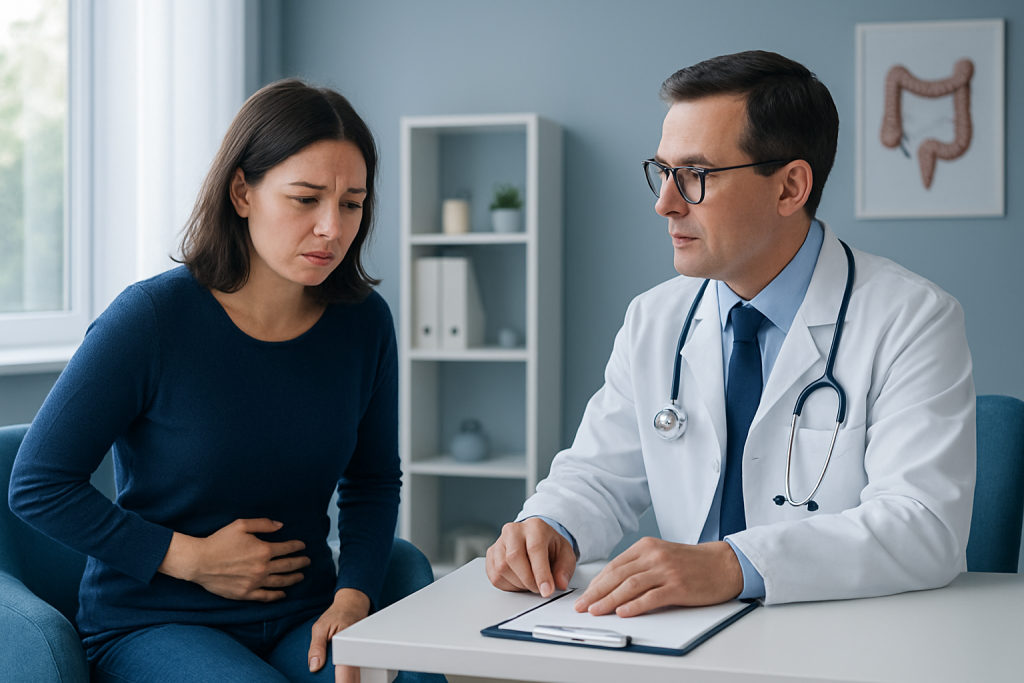
Evaluation begins with a history and physical examination. A doctor will ask what foods were eaten, how often the change happens, and whether symptoms such as pain, diarrhea, bloating, or weight loss are present. Travel history, recent infections, medications, alcohol intake, and previous bowel surgery can all be relevant.
Testing is guided by the clinical picture. Blood tests may look for anemia, inflammation, vitamin deficiencies, thyroid problems, or markers that support celiac disease. Stool tests may be used to check for infection, inflammation, blood, or excess fat. When symptoms suggest a structural or inflammatory disorder, the doctor may recommend imaging or endoscopic tests.
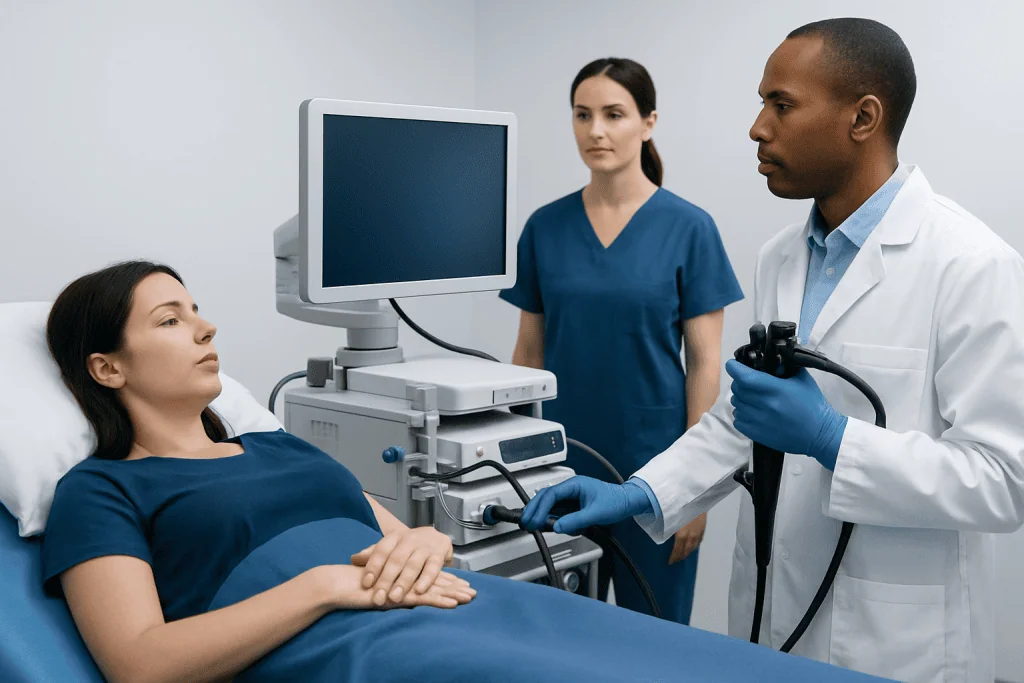
In some cases, a specialist in digestive disorders may advise procedures such as endoscopy or colonoscopy to examine the digestive tract directly. If biliary or pancreatic disease is suspected, imaging such as MRI may help assess surrounding organs. The goal is not simply to explain food particles in stool, but to identify whether there is a treatable underlying condition.
For international patients who need coordinated assessment, Acibadem International’s multidisciplinary specialists and JCI-accredited hospitals diagnose and treat a wide range of digestive conditions with individualized evaluation plans.
Treatment Options and Practical Guidance
Treatment depends on the cause. If undigested food in stool is linked to a high-fiber diet and there are no concerning symptoms, treatment may not be necessary. Practical measures such as chewing food well, eating more slowly, staying hydrated, and increasing fiber gradually can reduce the chance of seeing food fragments without reducing the benefits of a balanced diet.
When rapid transit or food intolerance is suspected, doctors may suggest a temporary food and symptom diary. This can help identify patterns involving dairy, gluten, high-fat foods, caffeine, or sugar alcohols. However, major food groups should not be eliminated long term without professional guidance, because unnecessary restriction can reduce nutritional quality.
If testing reveals an underlying condition, treatment targets that disorder. Examples may include a gluten-free diet for celiac disease, anti-inflammatory treatment for inflammatory bowel disease, or enzyme replacement when pancreatic insufficiency is diagnosed. People with symptoms suggestive of serious bowel inflammation may need specialist care, and in selected cases a doctor may evaluate for conditions such as Crohn’s disease treatment.
There is no strong evidence that supplements, cleanses, or over-the-counter “detox” products improve undigested food in stool. Some may worsen diarrhea or interact with medications. It is safest to ask a qualified clinician before starting digestive enzymes, herbal preparations, or restrictive diets.
Who Should Be Cautious, and Possible Side Effects of Self-Treatment
People with chronic illness, older adults, pregnant individuals, and children should be especially cautious about self-diagnosing digestive symptoms. In these groups, diarrhea and malabsorption can lead to dehydration, vitamin deficiencies, or weight changes more quickly. Anyone with immune suppression should also speak to a doctor sooner if bowel habits change unexpectedly.
Common self-treatment approaches can have downsides. Taking large amounts of fiber suddenly may increase gas, bloating, or loose stools. Unsupervised use of antidiarrheal medicines can sometimes mask symptoms that need evaluation. Over-the-counter enzymes may not match the actual problem and are not a substitute for diagnosis when red-flag symptoms are present.
Elimination diets can also create problems. Avoiding gluten before celiac testing may make results less reliable, and cutting out multiple foods without guidance can cause nutritional gaps. Probiotics may help some people with certain bowel symptoms, but evidence is mixed, and they are not a universal solution for food particles in stool.
For most people, the safest approach is measured observation: note what was eaten, watch for symptom patterns, and seek professional assessment if changes persist or interfere with daily life.
When to Seek Medical Care
Medical care is advisable if undigested food in stool happens often, is new and persistent, or occurs with other digestive symptoms. A doctor can help determine whether the cause is simply diet-related or whether testing is needed to look for malabsorption, inflammation, infection, or another gastrointestinal disorder.
Prompt assessment is especially important if there is blood in the stool, black stool, significant abdominal pain, vomiting, fever, dehydration, unexplained weight loss, or signs of anemia such as unusual fatigue or dizziness. Children, older adults, and people with chronic medical conditions should have a lower threshold for seeking help.
Most cases are not emergencies, but persistent bowel changes should not be ignored. Early evaluation often provides reassurance when the cause is harmless and supports timely treatment when an underlying digestive problem is present.
Frequently asked questions
Is undigested food in stool always a sign of poor digestion?
No. Small pieces of high-fiber foods such as corn, seeds, or vegetable skins can appear in stool even when digestion is otherwise normal. It becomes more concerning when it is frequent or accompanied by diarrhea, pain, weight loss, or greasy stools.
What foods most often show up undigested in stool?
Foods with tough outer coverings or high insoluble fiber are the most common examples. Corn, beans, peas, leafy vegetables, tomato skins, nuts, and seeds may leave visible fragments.
Can undigested food in stool mean malabsorption?
Sometimes, but not by itself. Malabsorption is more likely when stool changes occur with weight loss, nutrient deficiencies, chronic diarrhea, bloating, or oily stools. A doctor may use blood and stool tests to assess this.
Should a person stop eating fiber if they notice food particles in stool?
Usually not, unless a doctor recommends it. Fiber is an important part of a healthy diet, and visible residue does not necessarily mean the food was harmful or not useful. It may help to increase fiber gradually, chew well, and drink enough fluids.
When is undigested food in stool an emergency?
It is not usually an emergency on its own. Urgent medical attention is needed if it happens with severe abdominal pain, blood in stool, black stool, persistent vomiting, dehydration, or high fever.
Can stress or irritable bowel syndrome cause this symptom?
They can contribute indirectly. Stress and irritable bowel syndrome may speed bowel transit in some people, which can make food fragments more noticeable. However, persistent or new symptoms still deserve medical review to rule out other causes.
This article is for general information only and is not a substitute for professional medical advice. Please consult a qualified doctor about your individual situation.
Medical weight-loss options in Turkey — costs & eligibility
JCI-accredited · board-certified surgeons · reply within 24h
Add us as a Preferred Source to see more of our trusted health content across Google Search, AI Overviews and Discover.

More from the Health Library

High Protein Foods for Weight Loss: What the Clinical Research Actually Says

Metabolic X Diet: Evidence-Based Benefits, Risks, and Practical Guidance

Pork Chop Calories: Benefits, Risks, and Safe Use

Mediterranean Diet: Heart-Healthy Eating and Practical Food Choices

Foods High in Vitamin E: Evidence-Based Benefits, Risks, and Practical Guidance