Iron Supplements and Heavy Periods Explained: Causes, Management, and When to See a Doctor

Heavy menstrual bleeding can lead to iron deficiency with or without anemia. Iron supplements should ideally be guided by blood tests, including a complete blood count and ferritin level.
Key Takeaways
- Heavy menstrual bleeding can lead to iron deficiency with or without anemia.
- Iron supplements should ideally be guided by blood tests, including a complete blood count and ferritin level.
- Oral iron is commonly used, while intravenous iron may be considered when oral treatment is unsuitable or ineffective.
- Treating the cause of heavy periods is as important as replacing iron stores.
- Urgent assessment is needed for very heavy bleeding, fainting, severe weakness, chest pain, or shortness of breath.
Iron supplements can help restore iron lost through heavy periods, but they do not reduce menstrual bleeding or address its underlying cause. Anyone with periods that are unusually heavy, prolonged, or affecting daily life should speak with a clinician about blood tests and treatment options.
Iron Supplements and Heavy Periods: The Key Connection
Iron supplements and heavy periods are closely connected because menstrual blood contains iron. When bleeding is heavy or lasts longer than usual, the body may lose iron faster than it can replace it through food. Over time, this can deplete iron stores and may lead to iron deficiency anemia, a condition in which there are too few healthy red blood cells to carry oxygen efficiently.
Iron supplements can replenish low iron levels, improve symptoms related to deficiency, and help the body make red blood cells. However, they do not stop heavy menstrual bleeding. Effective care usually includes both identifying why periods are heavy and choosing a plan to reduce blood loss where appropriate.
Heavy menstrual bleeding is not defined only by the amount of blood lost. It is also based on how bleeding affects everyday life. A person may need assessment if they regularly soak through pads or tampons, need to change protection during the night, pass large clots, bleed for more than about seven days, or avoid normal activities because of their period.
How Heavy Periods Can Affect Iron Levels
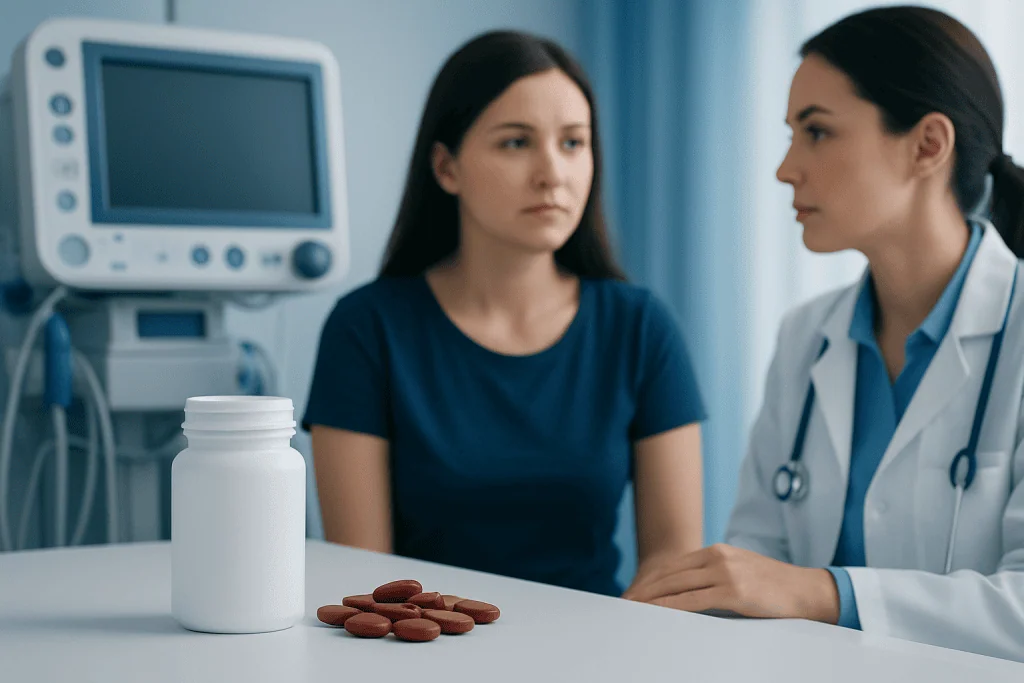
Iron is needed to produce hemoglobin, the protein in red blood cells that carries oxygen around the body. The body first uses stored iron, often measured through a blood test called ferritin. If blood loss continues, ferritin can become low before anemia appears. This means a person may have symptoms of iron deficiency even when their hemoglobin result is still within the laboratory reference range.
Possible symptoms include tiredness that does not improve with rest, reduced exercise tolerance, headaches, dizziness, difficulty concentrating, feeling cold, palpitations, and pale skin. Some people also notice hair shedding, brittle nails, restless legs, or cravings for non-food items such as ice. These symptoms can have many causes, so testing is important rather than assuming that low iron is responsible.
Not everyone with heavy periods develops iron deficiency, and not everyone with iron deficiency has heavy periods. Diet, pregnancy, recent childbirth, frequent blood donation, digestive conditions that affect absorption, and bleeding from other sources can also influence iron levels. A clinician can help determine whether menstrual blood loss is the main contributing factor.
Why Periods May Be Heavy
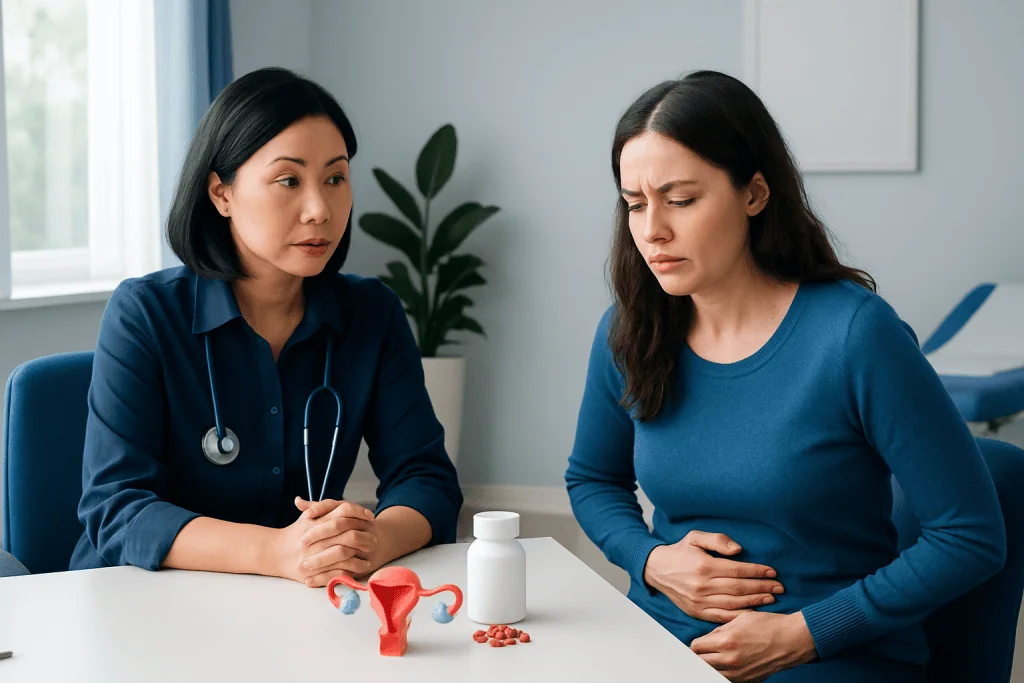
Heavy bleeding can occur at different stages of life. In the first few years after periods begin and during the years approaching menopause, hormone-related changes can make ovulation less regular and bleeding less predictable. In many cases, no serious cause is found, but persistent or new heavy bleeding still deserves medical review.
Potential causes include fibroids, polyps, adenomyosis, endometriosis, thyroid disorders, polycystic ovary syndrome, pelvic infection, pregnancy-related conditions, and problems with blood clotting. Certain medicines, including anticoagulants, can also increase bleeding. Less commonly, changes in the uterus or cervix need to be investigated, particularly when bleeding occurs between periods or after sex.
Health professionals often assess heavy menstrual bleeding by considering structural causes inside the uterus and non-structural causes such as hormonal or bleeding disorders. A personal or family history of easy bruising, frequent nosebleeds, prolonged bleeding after dental work, or very heavy periods from the first menstrual cycles may suggest an inherited bleeding tendency and should be mentioned during assessment.
Testing for Iron Deficiency and Heavy Menstrual Bleeding
A clinician will usually ask about the timing, duration, and pattern of bleeding; the number of period products used; clotting; pain; pregnancy possibility; medications; and symptoms of anemia. Keeping a simple record of periods, bleeding days, flooding episodes, and associated symptoms can make this discussion more useful.
Common blood tests include a complete blood count, which measures hemoglobin and red blood cell characteristics, and ferritin, which reflects iron stores. Depending on the situation, tests may also assess pregnancy, thyroid function, inflammation, or blood clotting. Ferritin can rise with inflammation or infection, so results are interpreted alongside symptoms and other laboratory findings.
A pelvic examination, ultrasound, or other investigations may be recommended based on age, symptoms, examination findings, and medical history. These tests can look for conditions such as fibroids or polyps. Testing is individualized: not every person with heavy periods needs every investigation, and a normal ultrasound does not rule out all possible causes of heavy bleeding.
Using Iron Supplements Safely and Effectively
Oral iron is commonly the first treatment for iron deficiency related to heavy periods. Different formulations are available, and a clinician or pharmacist can advise on the most appropriate option. The correct amount and schedule depend on the degree of deficiency, anemia severity, tolerance, other health conditions, and whether the person is pregnant.
Iron tablets can cause nausea, stomach discomfort, constipation, diarrhea, and dark stools. Taking them exactly as advised may improve absorption and reduce side effects. Some foods, drinks, and medicines can interfere with iron absorption, including tea, coffee, calcium supplements, and some acid-reducing medicines. A pharmacist or doctor can explain how to separate these products if needed.
Intravenous iron may be considered when oral iron causes significant side effects, is not absorbed well, does not adequately restore iron, or when iron replacement is needed more promptly. It is given in a monitored healthcare setting. Iron should not be started in high doses without medical advice, and all iron products must be kept out of reach of children because accidental overdose can be dangerous.
Follow-up blood tests are often used to check that hemoglobin and iron stores are recovering. Symptoms may improve before iron stores are fully rebuilt, so treatment is sometimes continued for a period after hemoglobin normalizes. Continued heavy bleeding can cause iron levels to fall again unless the bleeding itself is also addressed.
Managing Heavy Bleeding Alongside Iron Replacement
The best approach combines iron replacement with treatment tailored to the reason for heavy periods, a person’s health history, and whether they wish to become pregnant now or in the future. Options may include non-hormonal medicines used during periods, hormonal treatments, or an intrauterine system that releases a progestogen. These treatments can reduce blood loss for many people, but suitability varies.
When fibroids, polyps, adenomyosis, or another uterine condition are contributing to symptoms, additional procedures or surgery may be discussed. The aim is not simply to normalize a laboratory result, but to reduce disruptive bleeding, prevent recurrent iron deficiency, and support quality of life. A gynecologist can explain the expected benefits and possible side effects of each option.
Food sources of iron, including lean meat, fish, legumes, tofu, fortified cereals, leafy green vegetables, nuts, and seeds, can support overall intake. Pairing plant-based iron sources with vitamin C-rich foods may improve absorption. Dietary changes are helpful, but they may not replace the amount of iron needed when deficiency is significant or blood loss is ongoing.
Acibadem International’s multidisciplinary specialists and JCI-accredited hospitals support international patients with assessment of heavy menstrual bleeding, iron deficiency, and individualized gynecological care.
When to Seek Medical Care
A routine medical appointment is appropriate for periods that are becoming heavier, last longer than usual, occur more frequently, cause tiredness or dizziness, or interfere with work, school, sleep, exercise, or social activities. It is also important to seek advice before using iron supplements long term, especially if there is no confirmed iron deficiency or if there are digestive symptoms, unexplained weight changes, or a family history of bleeding disorders.
Urgent medical care is needed if bleeding is rapidly soaking through pads or tampons for several hours, if there is fainting or near-fainting, severe weakness, confusion, chest pain, shortness of breath, or a very fast heartbeat. Heavy bleeding during pregnancy, after a recent pregnancy, or with severe pelvic pain also needs prompt assessment. These symptoms do not always indicate a serious problem, but timely care is the safest response.
Bleeding between periods, after sex, or after menopause should be evaluated by a healthcare professional. People who have a known bleeding disorder, take blood-thinning medication, or have significant anemia symptoms should contact their treating clinician promptly if menstrual bleeding changes.
Frequently asked questions
Can iron supplements make heavy periods lighter?
No. Iron supplements replace iron lost through bleeding, but they do not usually reduce the amount or duration of menstrual flow. Treatment for heavy bleeding may involve non-hormonal medicines, hormonal options, or treatment of an underlying gynecological condition.
Should someone take iron supplements if they have heavy periods?
A clinician may recommend iron if blood tests or symptoms suggest iron deficiency or anemia. It is best not to self-treat for long periods without assessment, because the cause of the bleeding and the cause of low iron should both be considered.
How long does it take for iron levels to improve?
The timeline varies depending on the severity of deficiency, the type of iron treatment, absorption, and whether heavy bleeding continues. Hemoglobin may begin to improve within weeks, while restoring iron stores can take longer and is usually checked with follow-up tests.
What are signs that heavy periods may have caused anemia?
Common symptoms include persistent fatigue, breathlessness with usual activity, dizziness, headaches, palpitations, and reduced concentration. These symptoms are not specific to anemia, so a complete blood count and ferritin test are useful for confirmation.
Can a person have low ferritin without anemia?
Yes. Iron stores can become depleted before hemoglobin falls enough to meet the definition of anemia. Low ferritin may be associated with symptoms such as fatigue or restless legs, and a clinician can interpret results in the context of the person’s overall health.
When are heavy periods considered an emergency?
Emergency assessment is appropriate when bleeding is very rapid or is accompanied by fainting, chest pain, shortness of breath, severe weakness, confusion, or a racing heartbeat. Heavy bleeding in pregnancy or soon after pregnancy also requires urgent medical attention.
References
- American College of Obstetricians and Gynecologists
- National Institute for Health and Care Excellence
- World Health Organization
- U.S. National Heart, Lung, and Blood Institute
- British Society of Haematology
This article is for general information only and is not a substitute for professional medical advice. Please consult a qualified doctor about your individual situation.
Explore treatments in Turkey — costs, top hospitals & a free quote
JCI-accredited · board-certified surgeons · reply within 24h
Add us as a Preferred Source to see more of our trusted health content across Google Search, AI Overviews and Discover.
Check your numbers in seconds
BMI, calories, due date, blood pressure and 30+ more clinical calculators — free, instant, doctor-reviewed ranges.