Is a Colonoscopy a Surgery: Procedure, Recovery and Results

A colonoscopy is generally an outpatient procedure rather than major surgery. Most people return to normal activities the next day, although sedation effects require a short recovery period.
Key Takeaways
- A colonoscopy is generally an outpatient procedure rather than major surgery.
- Most people return to normal activities the next day, although sedation effects require a short recovery period.
- Removing polyps during colonoscopy can help prevent some colorectal cancers.
- Bowel preparation is essential because a clean colon helps the clinician see the lining clearly.
- Serious complications are uncommon, but severe pain, persistent bleeding, fever, or worsening symptoms need prompt medical attention.
A colonoscopy is not usually considered surgery. It is a minimally invasive endoscopic procedure that allows a gastroenterologist to examine the large intestine, take tissue samples, and often remove polyps during the same visit.
Overview: Is a Colonoscopy a Surgery?
Is a colonoscopy a surgery? No. A colonoscopy is usually an outpatient, minimally invasive endoscopic procedure, not an operation involving incisions in the abdomen. A flexible tube with a small camera, called a colonoscope, is passed through the rectum to examine the rectum and colon.
It may be used for colorectal cancer screening, to investigate digestive symptoms, or to monitor people with certain bowel conditions. During the examination, the clinician can collect biopsies or remove many types of polyps. Although polyp removal is a therapeutic intervention, a routine colonoscopy is still generally described as a procedure rather than surgery.
People may hear terms such as “colonoscopy surgery” when a polyp is removed. In most cases, this means treatment performed through the colonoscope, without external cuts or an overnight hospital stay. Some large, complex, or suspicious lesions may require a separate endoscopic treatment or conventional surgery after further assessment.
How Colonoscopy Works and Who May Need One
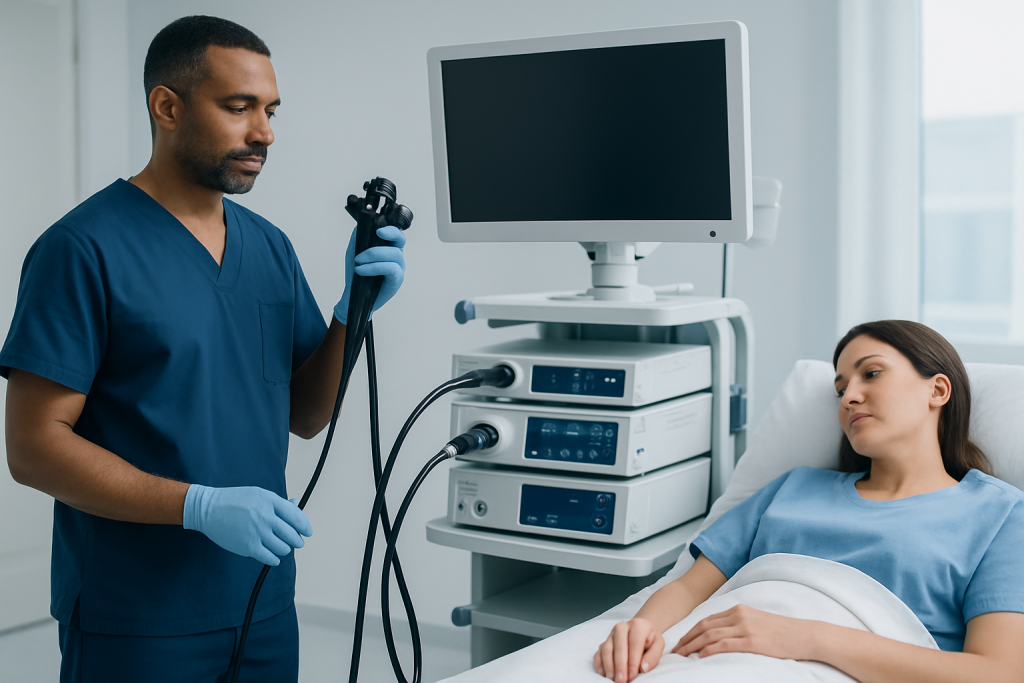
A colonoscope is a thin, flexible instrument that carries a light and camera. It sends images of the bowel lining to a monitor, allowing the gastroenterologist to inspect the colon for polyps, inflammation, bleeding, narrowing, ulcers, and other abnormalities. Air or carbon dioxide is gently introduced to open the bowel for clearer viewing.
Colonoscopy is commonly recommended as a screening test for colorectal cancer according to a person’s age, medical history, family history, and local screening guidance. It can also help assess rectal bleeding, unexplained iron-deficiency anemia, persistent changes in bowel habits, unexplained weight loss, or ongoing abdominal symptoms when a doctor considers it appropriate.
People with a personal or family history of colorectal polyps or cancer, inflammatory bowel disease, or certain inherited cancer syndromes may need screening earlier or more often. A doctor will determine whether colonoscopy, stool-based screening, imaging, or another investigation is best for the individual situation. Colonoscopy may also contribute to the assessment and follow-up of inflammatory bowel disease.
Preparation and the Colonoscopy Procedure Step by Step
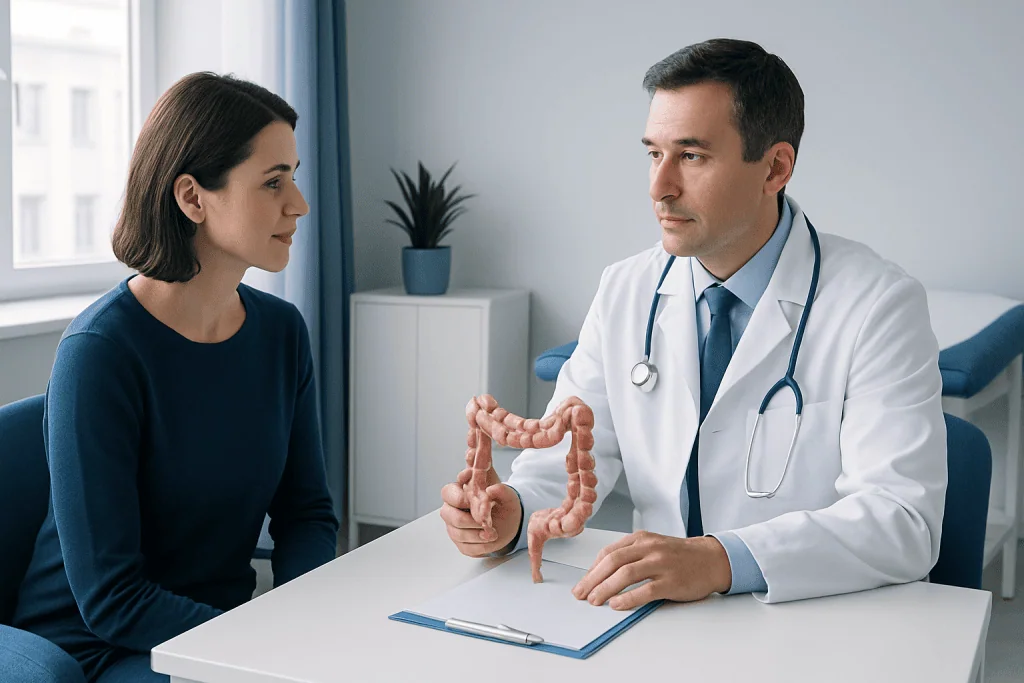
Successful colonoscopy depends on thorough bowel preparation. In the days before the test, the medical team gives individualized instructions about food, clear liquids, and a prescribed bowel-cleansing medication. Some medicines, including blood thinners, diabetes treatments, iron supplements, and certain weight-loss medicines, may need special planning. These medicines should never be stopped without advice from the prescribing clinician.
On the day, staff review the person’s health history, allergies, medications, and consent. Most patients receive sedation or anesthesia so they are comfortable and typically have little or no memory of the procedure. Monitoring of breathing, blood pressure, and heart rate takes place throughout the examination.
The patient usually lies on their side while the colonoscope is carefully advanced through the colon. If a polyp is found, it can often be removed using small instruments passed through the scope. Tissue samples may also be taken; biopsies generally do not cause pain. The examination itself often takes less than an hour, but the total appointment is longer because of preparation and recovery from sedation.
For patients who need diagnostic assessment, polyp removal, or coordinated follow-up for bowel concerns, colonoscopy services can provide a clear pathway from preparation through results discussion.
Does a Colonoscopy Count as a Major Surgery?
Does a colonoscopy count as a major surgery? No. A standard colonoscopy is not major surgery because it does not require abdominal incisions, removal of part of the bowel, or the prolonged recovery usually associated with an operation. It is most often performed on an outpatient basis, and patients normally go home on the same day with a responsible adult after sedation.
A colonoscopy can nevertheless involve important medical decisions and is performed by trained specialists in a monitored setting. Removing a small polyp or taking a biopsy is commonly done during the procedure. These steps may modestly affect activity advice and bleeding risk, but they do not usually turn the examination into major surgery.
Rarely, a colonoscopy identifies a problem that needs a separate operation, such as a cancer, a very large polyp that cannot be safely removed endoscopically, or a complication such as a perforation. In these situations, a surgical team may become involved, but this is distinct from the colonoscopy itself.
How Long Does It Take to Heal After Colonoscopy Surgery?
How long does it take to heal after colonoscopy surgery? Because a routine colonoscopy is not surgery, most people do not need a prolonged healing period. Drowsiness, temporary bloating, gas, mild cramping, or a changed bowel pattern can occur on the day of the procedure and usually settle within hours to a day.
After sedation, patients should not drive, operate machinery, drink alcohol, sign important documents, or make major decisions for the rest of the day. Rest, fluids, and light meals as tolerated are commonly advised. Many people return to work, exercise, and usual routines the following day, unless their clinician gives different instructions.
If biopsies were taken or a polyp was removed, the doctor may give specific guidance about activity, food, and medications. Recovery can be longer after removal of a large or complex polyp, particularly if advanced endoscopic techniques are used. It is important to follow the discharge plan rather than relying on a general timeline.
Results may be discussed immediately if the visual examination is normal or shows an obvious finding. Biopsy and polyp laboratory results usually take additional time. The care team will explain what the findings mean and when future screening or surveillance may be needed.
Are Colonoscopies Hard on Your Body? Benefits and Risks
Are colonoscopies hard on your body? For most people, the main physical burden is the bowel preparation, which can cause frequent loose stools, thirst, fatigue, nausea, or temporary discomfort. The procedure and sedation may leave a person sleepy or bloated briefly, but colonoscopy is generally well tolerated when preparation, medication review, and monitoring are carried out carefully.
The benefits can be substantial. Colonoscopy can detect early colorectal cancer and find polyps before they develop into cancer. It may also help identify causes of symptoms such as bleeding or inflammation. Removing polyps during the examination is one reason colonoscopy can be both a diagnostic and preventive procedure.
Complications are uncommon but possible. These include an adverse reaction to sedation, bleeding after a biopsy or polyp removal, and a tear in the colon wall, known as perforation. The likelihood varies with factors such as age, health conditions, medications, and whether an intervention is needed during the test. The clinician discusses relevant individual risks before the procedure.
- Contact the care team for persistent or heavy rectal bleeding.
- Seek urgent medical assessment for severe or worsening abdominal pain, a hard or swollen abdomen, fever, repeated vomiting, fainting, chest pain, or trouble breathing.
- Follow personalized instructions about restarting blood-thinning medicines and other regular treatments.
Why Do You Feel So Good After a Colonoscopy?
Why do you feel so good after a colonoscopy? Not everyone feels especially well immediately afterward; some people feel tired, gassy, or mildly crampy until the sedation and bowel preparation effects wear off. However, many people report feeling relieved once the test is completed and they have received reassuring initial information.
Feeling physically lighter may also reflect having an empty bowel after the preparation, a return to regular eating and drinking, or the short-lived sense of well-being that can follow sedating medicines. This feeling is not a sign that the colon has been “detoxed”; the colon naturally performs its normal functions without cleansing procedures outside medically indicated preparation.
A person should not assume they are fully recovered simply because they feel well. Sedation can affect judgment and coordination for the rest of the day, and delayed bleeding can occasionally occur after polyp removal. Following the discharge instructions remains important even when recovery feels easy.
When to Seek Medical Care and Follow-Up
Medical advice should be sought before a planned colonoscopy if there is pregnancy, a significant heart or lung condition, kidney disease, sleep apnea, an implanted medical device, or use of medicines that may affect bleeding or blood sugar. The endoscopy team can adapt the plan and coordinate with other clinicians when needed.
Urgent assessment is appropriate for black stools, ongoing rectal bleeding, unexplained anemia, persistent new changes in bowel habits, unexplained weight loss, or abdominal symptoms that are severe or worsening. These symptoms have many possible causes, and prompt evaluation helps determine whether colonoscopy or another test is needed.
After the procedure, patients should contact their clinician for fever, severe abdominal pain, significant dizziness, repeated vomiting, or bleeding that is heavy or does not stop. Acibadem International’s multidisciplinary specialists and JCI-accredited hospitals support international patients who need digestive assessment, colonoscopy, and appropriate follow-up care.
Screening plans should be individualized. A normal result, the number and type of polyps found, pathology results, and family history can all influence when another colonoscopy is recommended.
Frequently asked questions
Is a colonoscopy considered a surgery or a procedure?
A colonoscopy is generally considered a medical procedure, not surgery. It uses a flexible camera inserted through the rectum rather than incisions in the abdomen. Polyps can often be removed during the procedure without requiring conventional surgery.
How long does a colonoscopy procedure take?
The examination itself commonly takes less than an hour, although timing varies if biopsies or polyp removal are needed. The complete visit takes longer because of admission, sedation, monitoring, and recovery. Patients should plan to have someone take them home after sedation.
Can a person eat after a colonoscopy?
Many people can resume eating after a colonoscopy once they are fully awake and feel able to tolerate food. A light meal and fluids may be more comfortable initially, especially after bowel preparation. The care team may give different advice after a large polyp removal or another intervention.
Is it normal to have gas or cramps after a colonoscopy?
Yes, mild gas, bloating, and short-lived cramps are common because air or carbon dioxide is used to expand the colon during the examination. Walking gently and passing gas can help relieve this discomfort. Severe, persistent, or worsening pain should be assessed promptly.
When can a person drive after a colonoscopy?
A person should not drive on the day of a colonoscopy if sedation or anesthesia was used. Sedating medicines can impair reaction time, coordination, and judgment even when the person feels awake. Driving can usually resume the next day unless the medical team advises otherwise.
What happens if polyps are found during colonoscopy?
Many polyps can be removed during the same colonoscopy and sent to a laboratory for analysis. The pathology result helps determine whether the polyp was benign, precancerous, or needs further follow-up. The doctor will explain when the next colonoscopy should take place based on these findings.
References
- American Society for Gastrointestinal Endoscopy
- American College of Gastroenterology
- National Institute of Diabetes and Digestive and Kidney Diseases
- National Cancer Institute
- World Gastroenterology Organisation
This article is for general information only and is not a substitute for professional medical advice. Please consult a qualified doctor about your individual situation.
Persistent digestive symptoms? Get evaluated in Turkey
JCI-accredited · board-certified surgeons · reply within 24h
Add us as a Preferred Source to see more of our trusted health content across Google Search, AI Overviews and Discover.
Check your numbers in seconds
BMI, calories, due date, blood pressure and 30+ more clinical calculators — free, instant, doctor-reviewed ranges.