Is a Colonoscopy Considered Surgery: Procedure, Recovery and Results

A colonoscopy is generally an outpatient procedure, not open surgery. Sedation is commonly used, so patients need a responsible adult to take them home.
Key Takeaways
- A colonoscopy is generally an outpatient procedure, not open surgery.
- Sedation is commonly used, so patients need a responsible adult to take them home.
- Most people return to their usual activities the next day, although recovery varies.
- Removing polyps during colonoscopy can help prevent some colorectal cancers.
- Severe or worsening pain, heavy rectal bleeding, fever or persistent vomiting after the procedure needs prompt medical advice.
A colonoscopy is usually considered a minimally invasive medical procedure rather than surgery. It allows a gastroenterologist to examine the large intestine, take tissue samples and, when needed, remove polyps during the same examination.
Overview: Is a Colonoscopy Considered Surgery?
Is a colonoscopy considered surgery? Usually, no. A colonoscopy is a minimally invasive endoscopic procedure, not an open operation, because it uses a flexible camera tube passed through the rectum rather than surgical incisions.
It is performed by a gastroenterologist to view the lining of the rectum and colon. The examination can help investigate bowel symptoms and screen for colorectal cancer. During the same procedure, the doctor may collect a small tissue sample, called a biopsy, or remove a polyp. These added interventions may be described as therapeutic endoscopy, but they do not usually turn the examination into conventional surgery.
Most colonoscopies are completed as outpatient procedures. Sedation helps many people remain comfortable and often means they remember little of the examination. Preparation of the bowel beforehand is an important part of ensuring that the doctor can see the intestinal lining clearly.
How a Colonoscopy Works and Who May Need One
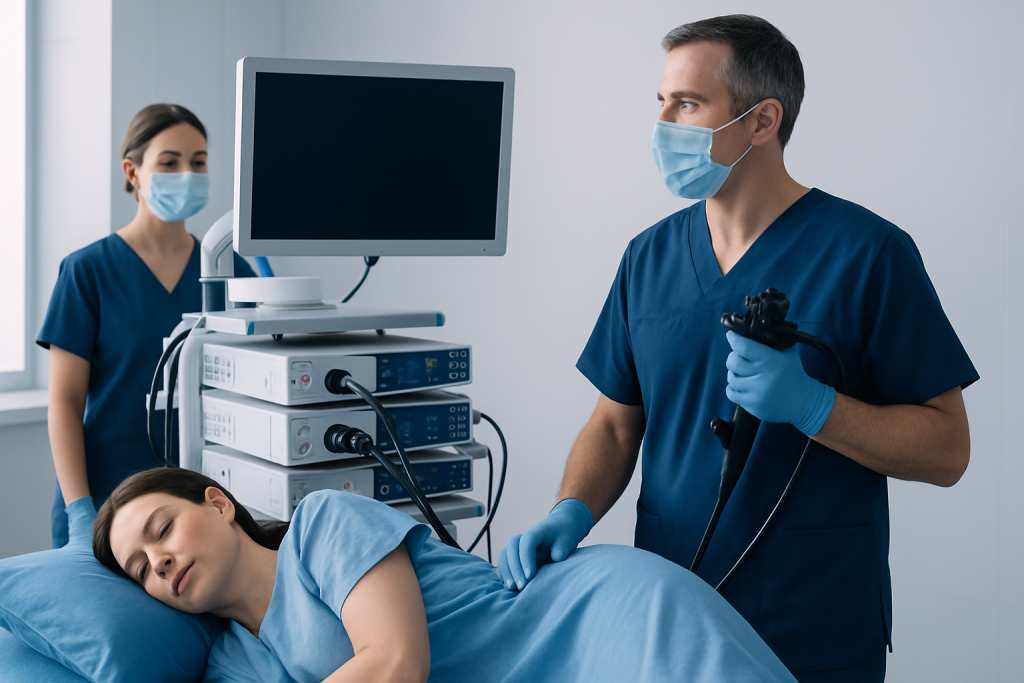
A colonoscopy uses a colonoscope: a thin, flexible tube with a light and camera at its tip. The camera sends images to a monitor, allowing the doctor to inspect the entire colon and, in many cases, the end of the small intestine. Air or carbon dioxide may be introduced gently to open the bowel and improve visibility.
Doctors may recommend colonoscopy for routine colorectal cancer screening, follow-up after previous polyps, or evaluation of symptoms such as persistent changes in bowel habits, unexplained rectal bleeding, iron-deficiency anemia, ongoing abdominal discomfort or unintended weight loss. It may also help assess inflammatory bowel conditions, including ulcerative colitis.
Whether colonoscopy is appropriate depends on age, personal symptoms, family history, prior test findings and overall health. People taking blood-thinning medicines, diabetes medicines or other regular treatments should tell the clinical team well in advance. The clinician can provide individualized instructions and may coordinate medication changes with the prescribing doctor.
What Happens Before, During and After the Procedure
Before a colonoscopy, the bowel must be emptied. Patients are normally asked to follow a temporary low-fiber or clear-liquid diet and use a prescribed bowel-cleansing preparation. Exact instructions differ between clinics, so following the provided schedule closely is essential. An inadequately prepared bowel may make important findings harder to detect and can occasionally require the test to be repeated.
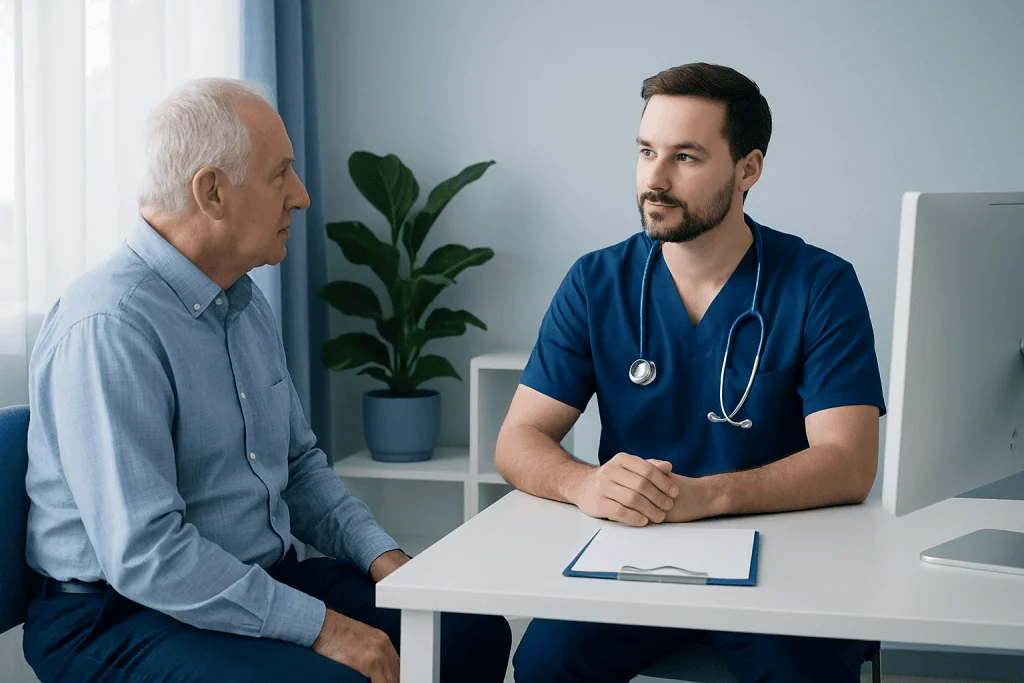
On the day, the care team reviews medical history, allergies, medicines and consent. An intravenous line may be placed, and sedation or anesthesia is given when appropriate. While the patient lies on their side, the doctor advances the colonoscope carefully through the colon. The examination itself commonly takes less than an hour, although timing can vary if polyps are removed or additional assessment is needed.
If a polyp is found, the doctor can often remove it with specialized instruments passed through the scope. This is one reason colonoscopy is valuable: it can both identify abnormalities and treat certain precancerous lesions in the same session. Patients seeking evaluation can discuss colonoscopy services with a qualified gastroenterology team.
Afterward, the patient rests in a recovery area until the effects of sedation begin to wear off. A clinician may share initial findings before discharge, but biopsy and polyp laboratory results commonly take longer. The timing and method for receiving final results should be explained before the patient leaves.
Is a Colonoscopy Considered Surgery or Just a Procedure?
A colonoscopy is best described as a procedure. It is performed through a natural body opening and does not usually involve incisions, stitches or the recovery demands associated with abdominal surgery. For this reason, it is generally categorized as an endoscopic diagnostic procedure, with the potential for minor therapeutic treatment.
Polyp removal, biopsy, control of some bleeding sites or other endoscopic interventions can make the procedure more complex. Even so, these are commonly managed through the colonoscope rather than through an abdominal operation. In some situations, such as a very large polyp or a complication, surgery may be considered separately, but that is not the usual outcome of routine colonoscopy.
The benefit of detecting and removing certain polyps is significant because many colorectal cancers develop gradually from precancerous growths. A doctor can explain what any finding means, whether it was completely removed and when future surveillance is recommended.
How Long Is a Person in Recovery After a Colonoscopy?
Immediate recovery from sedation usually takes a few hours in the clinic or hospital recovery area. However, judgment, coordination and reaction time can remain affected for the rest of the day. Patients should arrange for a responsible adult to take them home and should not drive, operate machinery, drink alcohol or make important decisions until the following day, or for the period advised by their care team.
Many people feel physically close to normal by the next morning. Temporary bloating, gas, mild cramping or a change in bowel movements can occur because air or carbon dioxide was used during the examination and the bowel was emptied during preparation. Eating a light meal, drinking fluids and resting can be helpful unless different instructions were given.
Recovery may take longer after removal of larger polyps, multiple polyps or a more extensive procedure. The doctor may advise avoiding strenuous activity for a short time and may give specific guidance about restarting blood-thinning medication. Individual discharge instructions should take priority over general advice.
How Many Days Off Work Do You Need After a Colonoscopy?
Most people need the day of the colonoscopy away from work because of bowel preparation, the appointment and sedation. For desk-based or light work, many can return the next day if they feel well and have not been given restrictions after polyp removal or another intervention.
People whose jobs involve driving, operating equipment, working at heights, heavy lifting or safety-sensitive decisions should be particularly careful. Sedatives can impair alertness even when a person feels awake, so returning to these activities on the procedure day is not safe. A clinician can provide an individualized certificate or recommendation when needed.
The bowel preparation day can also affect work plans, as frequent urgent bowel movements are expected. Scheduling time at home and easy access to a bathroom helps make the preparation more manageable. If symptoms persist beyond a day or two, it is reasonable to contact the clinic for advice.
Why Do You Feel So Good After a Colonoscopy?
Some people feel surprisingly well after a colonoscopy, particularly once the sedative has worn off. This may reflect relief after completing the preparation and examination, reassurance from receiving initial findings, rehydration after bowel cleansing, or a temporary sense of lightness after the colon has been emptied.
It is also possible to feel tired, mildly nauseated, bloated or crampy instead. These experiences are usually short-lived and do not necessarily indicate a problem. There is no need to expect a particular feeling after the procedure; recovery differs from person to person.
Feeling well should not lead someone to ignore discharge instructions. Patients should resume food, fluids, medicines and activity as advised, especially if tissue was removed. Final pathology findings, if biopsies or polyps were sent to the laboratory, remain important even when the person feels completely normal.
Benefits, Risks and When to Seek Medical Care
Colonoscopy can identify inflammation, bleeding sources, polyps and cancers, and it can remove many polyps before they have the opportunity to become cancerous. It is an important tool, but like all medical procedures it has potential risks. These include reactions to sedation, bleeding after biopsy or polyp removal, infection and a rare tear in the colon wall, known as perforation.
When to seek medical care: Patients should contact their procedure team urgently or seek prompt medical attention for severe or worsening abdominal pain, a hard or swollen abdomen, fever, persistent vomiting, dizziness or fainting, heavy rectal bleeding, or bleeding that does not settle. A small amount of blood after some polyp removals may occur, but the clinical team should explain what is expected and what requires review.
Before the procedure, sharing complete information about medicines, allergies, pregnancy, heart or lung conditions, kidney disease and prior reactions to anesthesia helps the team reduce risk. After the procedure, keeping follow-up appointments and discussing pathology results supports appropriate future screening or treatment planning.
Acibadem International’s multidisciplinary specialists and JCI-accredited hospitals provide diagnostic and treatment planning for international patients who need colonoscopy assessment or follow-up care.
Frequently asked questions
Is a colonoscopy painful?
Most people receive sedation, so they are comfortable and may have little or no memory of the examination. Mild pressure, bloating or cramping can occur during or shortly after the procedure. The care team can discuss sedation options and comfort concerns beforehand.
Can polyps be removed during a colonoscopy?
Yes. Many polyps can be removed during colonoscopy using small instruments passed through the scope. Removed tissue is commonly sent to a laboratory to determine its type and guide follow-up recommendations.
Can a person eat after a colonoscopy?
Many people can eat after they have recovered sufficiently from sedation, often starting with a light meal and fluids. The care team may give different instructions after a more complex procedure or polyp removal. Patients should follow their individual discharge guidance.
How soon do colonoscopy results come back?
The doctor may discuss visual findings immediately after the procedure or once the sedative has worn off. If biopsies or polyps are sent to a laboratory, final results often take several days or longer depending on the facility. The clinic should explain how and when results will be communicated.
Do you need someone to stay with you after a colonoscopy?
A responsible adult should take the patient home after sedation and may be asked to remain available for the rest of the day. Sedation can temporarily affect memory, balance and decision-making. The exact requirements depend on the sedation used and local clinical policy.
What should you avoid after a colonoscopy?
On the day of sedation, patients should avoid driving, alcohol, operating machinery and important legal or financial decisions. Strenuous activity may need to be delayed if a large polyp was removed. The procedure team will provide personalized instructions based on what was done.
References
- American Society for Gastrointestinal Endoscopy
- American College of Gastroenterology
- National Institute of Diabetes and Digestive and Kidney Diseases
- Centers for Disease Control and Prevention
- National Cancer Institute
This article is for general information only and is not a substitute for professional medical advice. Please consult a qualified doctor about your individual situation.
Persistent digestive symptoms? Get evaluated in Turkey
JCI-accredited · board-certified surgeons · reply within 24h
Add us as a Preferred Source to see more of our trusted health content across Google Search, AI Overviews and Discover.

More from the Health Library


Related Specialists
Dr. Uğur Önder
Oral & Dental Health
Dt. Gözde Anıl Gürbüz
Oral & Dental Health
Fzt. Ezgi Nur Çiçek
Physical Medicine & Rehabilitation
Dr. Ş.Sertaç Esin
Emergency Service