Is Alzheimer’s, ALS, or MS a Neurodegenerative Disease?

Alzheimer’s disease is a neurodegenerative disorder that mainly affects memory, thinking, and behavior. ALS is a neurodegenerative disease that damages motor neurons and causes progressive muscle weakness.
Key Takeaways
- Alzheimer’s disease is a neurodegenerative disorder that mainly affects memory, thinking, and behavior.
- ALS is a neurodegenerative disease that damages motor neurons and causes progressive muscle weakness.
- MS is usually classified as an autoimmune demyelinating disease, not a classic neurodegenerative disease.
- Although MS is different, ongoing inflammation in MS can still lead to nerve cell and brain tissue damage.
- Early diagnosis and supportive treatment may help manage symptoms and preserve quality of life.
Alzheimer’s disease and ALS are generally considered neurodegenerative diseases because they involve progressive loss of nerve cells or their function. Multiple sclerosis is primarily an autoimmune disease, but it can also lead to neurodegeneration over time.
Overview: Are Alzheimer’s, ALS, and MS Neurodegenerative Diseases?
A neurodegenerative disease is a condition in which cells in the brain, spinal cord, or peripheral nerves gradually lose function and may eventually die. These diseases often worsen over time, although the speed and pattern of progression can vary widely from one person to another. Because the nervous system controls movement, memory, speech, sensation, and many body functions, degeneration can affect daily life in different ways.
Alzheimer’s disease and amyotrophic lateral sclerosis, often called ALS, are widely recognized as neurodegenerative diseases. In Alzheimer’s disease, the main changes occur in brain cells involved in memory and thinking. In ALS, the damage mainly affects motor neurons, which are the nerve cells that control voluntary muscles.
Multiple sclerosis, or MS, is somewhat different. MS is usually classified as an autoimmune and inflammatory disease of the central nervous system. The immune system mistakenly attacks myelin, the protective covering around nerve fibers. However, over time, MS can also cause lasting injury to nerve fibers and brain tissue, so it may include a neurodegenerative component even though it is not usually grouped as a classic primary neurodegenerative disorder.
How These Conditions Differ
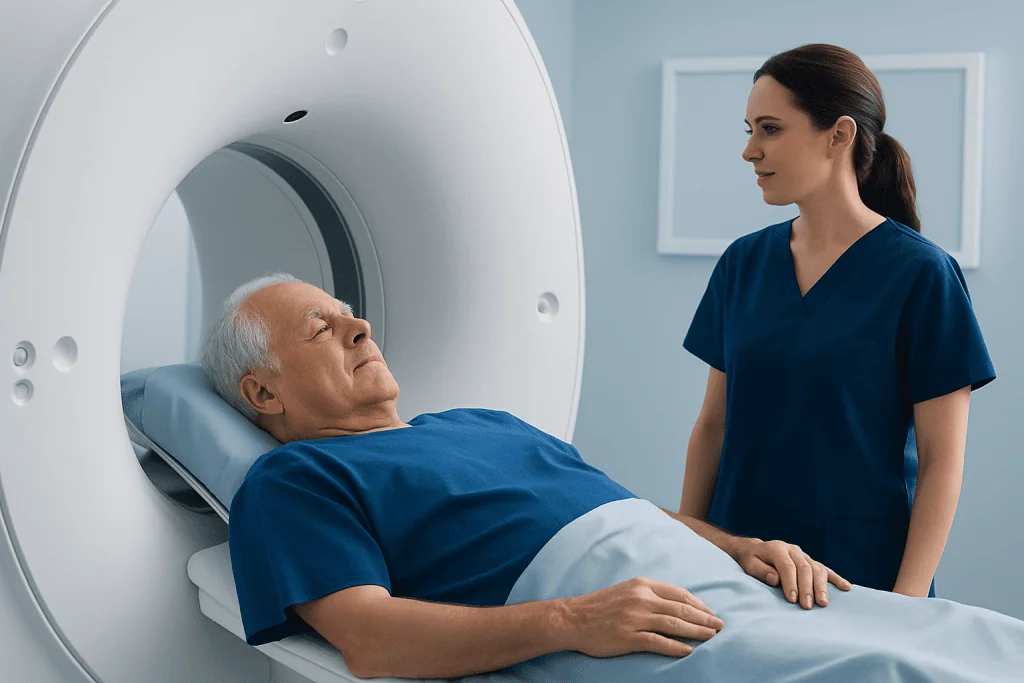
Although Alzheimer’s disease, ALS, and MS all affect the nervous system, they do not behave in the same way. Alzheimer’s disease primarily causes problems with memory, language, judgment, and other cognitive functions. It is the most common cause of dementia in older adults and is a central topic within Alzheimer’s disease care and research.
ALS mainly affects movement. It damages upper and lower motor neurons, leading to weakness, muscle wasting, stiffness, and difficulty speaking, swallowing, or breathing as the disease advances. Thinking and memory may remain relatively preserved in many people, especially early on, although some individuals can also develop cognitive or behavioral changes. It is commonly discussed under ALS and other motor neuron disorders.
MS may cause episodes of neurological symptoms, such as vision changes, numbness, weakness, balance problems, and fatigue. Some people experience relapses and remissions, while others have a more steadily progressive course. Because the main early process in MS is immune-driven inflammation and demyelination, it is usually considered distinct from classic neurodegeneration, even though nerve damage can accumulate over time.
In short, the answer to the article’s question is yes for Alzheimer’s disease and ALS, and not in the same way for MS. MS is best understood as an autoimmune neurological disease with possible secondary neurodegenerative changes.
Symptoms and Signs to Watch For

The symptoms of neurodegenerative and related neurological diseases depend on which parts of the nervous system are affected. In Alzheimer’s disease, early symptoms often include forgetfulness, repeating questions, getting lost in familiar places, trouble finding words, and difficulty managing complex tasks. As the condition progresses, changes in behavior, mood, judgment, and independence may become more noticeable.
In ALS, symptoms usually begin with muscle weakness that may affect an arm, a leg, speech, or swallowing. A person may notice frequent tripping, hand weakness, muscle cramps, twitching, or slurred speech. Over time, weakness may spread to more muscle groups and interfere with walking, eating, and breathing.
In MS, symptoms can vary from one person to another and may come and go. Common symptoms include blurred or double vision, numbness, tingling, limb weakness, fatigue, dizziness, bladder changes, balance problems, and difficulty concentrating. Some people have mild symptoms for many years, while others develop more significant disability.
- Memory loss and confusion are more typical of Alzheimer’s disease.
- Progressive muscle weakness is a hallmark of ALS.
- Relapsing neurological symptoms are common in many forms of MS.
- Fatigue can occur in all three conditions, but the cause may differ.
Causes and Risk Factors
The exact causes of these conditions are not fully understood, and in many people there is no single clear reason why the disease develops. In Alzheimer’s disease, researchers believe that a combination of aging, genetics, abnormal protein buildup in the brain, vascular health, and environmental factors may contribute. Age is the strongest known risk factor, and family history can increase risk in some individuals.
In ALS, most cases are considered sporadic, meaning they occur without a known family history. A smaller proportion are familial and linked to inherited gene changes. Scientists continue to study how genetics, protein misfolding, oxidative stress, inflammation, and other biological processes may damage motor neurons.
MS has a different mechanism. It is thought to develop through a combination of immune system dysfunction, genetic susceptibility, and environmental influences. These may include low vitamin D levels, smoking, certain infections, and geographic or lifestyle factors. In MS, the immune attack on myelin can disrupt signal transmission along nerves and eventually injure the nerve fibers themselves.
It can be helpful to think of these diseases as overlapping in outcome but different in origin. Alzheimer’s disease and ALS begin as disorders of progressive neuronal dysfunction and loss. MS begins mainly as an inflammatory autoimmune disease, but long-term inflammation can contribute to degeneration within the central nervous system.
How Doctors Diagnose Them
Diagnosis starts with a detailed medical history, symptom review, neurological examination, and assessment of how symptoms affect daily life. Because these conditions can overlap with other neurological disorders, doctors aim to rule out other possible causes before making a final diagnosis. This process may involve primary care physicians, neurologists, neuropsychologists, rehabilitation specialists, and other experts.
For Alzheimer’s disease, evaluation may include memory and cognitive testing, blood tests, and brain imaging such as MRI or CT. In selected cases, additional testing may be used to look for biological markers associated with Alzheimer’s disease. These tools help distinguish Alzheimer’s disease from other causes of memory loss and dementia.
For ALS, diagnosis often relies on the pattern of symptoms and neurological findings, together with tests such as electromyography, nerve conduction studies, MRI, and blood tests to exclude other conditions. There is no single test that confirms ALS in every case, so careful specialist evaluation is important.
For MS, MRI of the brain and spinal cord is central to diagnosis. Doctors may also use spinal fluid testing and evoked potential studies to look for evidence of inflammation and damage within the central nervous system. In many centers, MRI imaging plays a key role in identifying lesions, monitoring disease activity, and guiding treatment decisions.
Treatment Options and Ongoing Care
There is currently no universal cure for Alzheimer’s disease, ALS, or MS, but treatment can still make a meaningful difference. The goals are to manage symptoms, slow disease activity when possible, support function, and maintain quality of life. Care is often most effective when it is individualized and provided by a multidisciplinary team.
For Alzheimer’s disease, treatment may include medications that help with memory and thinking symptoms in some patients, along with structured routines, safety planning, cognitive support, and caregiver education. Rehabilitation, mental health support, and treatment of sleep problems or mood changes can also be important. For some people, a comprehensive neurology evaluation helps clarify the diagnosis and guide long-term planning.
For ALS, treatment focuses on symptom control, mobility support, nutrition, speech and swallowing care, respiratory monitoring, and assistive devices. Physical therapy, occupational therapy, and respiratory care may help preserve comfort and independence for as long as possible. Some people may also benefit from physical therapy and rehabilitation as part of supportive care.
For MS, treatment commonly includes disease-modifying therapies that reduce inflammation and help lower the frequency of relapses in many forms of the disease. Relapse treatment, symptom-specific medications, rehabilitation, and lifestyle support are also important. In appropriate cases, brain and nerve check-up services can help evaluate symptoms, treatment response, and overall neurological health.
Living Well: Self-care, Support, and When to Seek Medical Advice
Living with a chronic neurological condition can affect physical health, emotional well-being, work, and family life. Regular follow-up, good sleep, balanced nutrition, physical activity within safe limits, and social support can all help. Caregivers also need guidance and respite, especially in conditions that affect memory, communication, or mobility.
Medical advice should be sought if a person develops persistent memory problems, unexplained weakness, speech changes, swallowing difficulty, vision loss, numbness, or balance problems. Urgent care is especially important for sudden severe neurological symptoms, rapidly worsening breathing difficulty, or a major decline in consciousness or function. Early assessment may improve access to treatment, rehabilitation, and supportive planning.
People who already have one of these diagnoses should contact their care team if symptoms change, new limitations appear, or treatment side effects are suspected. Regular monitoring can help adjust therapies and address complications before they become more disruptive. Families often benefit from learning what changes to expect and what resources are available.
For international patients who need specialist assessment, Acibadem International’s multidisciplinary teams and JCI-accredited hospitals provide diagnosis and treatment for complex neurological conditions, including neurodegenerative disorders and related diseases.
Frequently asked questions
Is Alzheimer’s disease a neurodegenerative disease?
Yes. Alzheimer’s disease is a neurodegenerative disorder because it involves progressive damage to brain cells, especially in areas linked to memory, language, and thinking. Over time, this can lead to worsening cognitive decline and loss of independence.
Is ALS considered a neurodegenerative disease?
Yes. ALS is a neurodegenerative disease that affects motor neurons, the nerve cells responsible for controlling voluntary muscle movement. As these neurons are lost, people may develop increasing weakness, muscle wasting, and difficulty with speaking, swallowing, or breathing.
Is multiple sclerosis the same as a neurodegenerative disease?
Not exactly. MS is primarily considered an autoimmune inflammatory disease in which the immune system attacks myelin in the central nervous system. However, over time MS can also cause nerve fiber loss and brain tissue damage, so neurodegeneration may become part of the disease process.
Can MS lead to permanent nerve damage?
Yes, it can. Repeated inflammation and demyelination may eventually injure the underlying nerve fibers, which can contribute to lasting symptoms or disability. Early diagnosis and appropriate treatment may help reduce disease activity and protect function.
Do these diseases always get worse over time?
They are generally long-term conditions, but progression can vary widely. Some people experience slow change over many years, while others have a more rapid course or periods of stability. Regular medical follow-up is important because treatment and supportive care can influence symptom control and quality of life.
What specialist should evaluate symptoms like memory loss or unexplained weakness?
A neurologist is often the key specialist for these symptoms, although primary care doctors may begin the evaluation. Depending on the concern, a person may also need cognitive testing, imaging, rehabilitation assessment, or consultation with other specialists. Prompt evaluation is especially important if symptoms are new, progressive, or affecting daily activities.
References
- World Health Organization
- National Institute on Aging
- National Institute of Neurological Disorders and Stroke
- Alzheimer's Association
- National Multiple Sclerosis Society
This article is for general information only and is not a substitute for professional medical advice. Please consult a qualified doctor about your individual situation.
Joint and spine care in Turkey — expert assessment & treatment
JCI-accredited · board-certified surgeons · reply within 24h
Add us as a Preferred Source to see more of our trusted health content across Google Search, AI Overviews and Discover.

More from the Health Library



Related Specialists

Prof. Dr. Hakan Ağır
Aesthetic Plastic & Reconstructive Surgery
Dr. Bülent Bolat
Cardiovascular Surgery
Dr. Meftun Zerbızade
Neurosurgery
Dr. Nuray Keçecioğlu
Pediatrics