Is Atypical Pneumonia Contagious? A Doctor-Reviewed Answer

Atypical pneumonia is a broad term for pneumonia that may have milder or less typical symptoms than classic bacterial pneumonia. Some causes, especially Mycoplasma pneumoniae and respiratory viruses, can spread between people through coughs, sneezes, or close contact.
Key Takeaways
- Atypical pneumonia is a broad term for pneumonia that may have milder or less typical symptoms than classic bacterial pneumonia.
- Some causes, especially Mycoplasma pneumoniae and respiratory viruses, can spread between people through coughs, sneezes, or close contact.
- A person is not contagious because of the lung inflammation itself; contagiousness depends on the infection causing it.
- Good hand hygiene, covering coughs, ventilation, and staying home when unwell can reduce spread.
- Urgent assessment is important for shortness of breath, chest pain, bluish lips, confusion, or rapidly worsening illness.
Yes, atypical pneumonia can be contagious when it is caused by certain bacteria or viruses that spread through respiratory droplets. Many people recover well with appropriate assessment and care, but persistent symptoms or breathing difficulty should be medically reviewed.
Is atypical pneumonia contagious?
Yes—atypical pneumonia may be contagious, depending on its cause. Infections caused by organisms such as Mycoplasma pneumoniae, Chlamydia pneumoniae, or respiratory viruses can pass from person to person, usually through droplets released when an infected person coughs, sneezes, talks closely, or has prolonged close contact with others.
The term “atypical” does not mean the illness is unusual or necessarily dangerous. It describes a group of pneumonia infections that can cause a more gradual illness or symptoms that differ from those of traditional bacterial pneumonia. Many otherwise healthy people improve with rest, fluids, and the treatment recommended by a clinician. However, pneumonia can become more serious in some people, so new or worsening breathing symptoms deserve timely medical advice.
The lung inflammation itself is not something that spreads. Whether a person can infect others depends on the germ responsible and, in some cases, whether effective treatment has started. A clinician can help determine the likely cause and advise on return to work, school, travel, and close contact with vulnerable people.
What does “atypical pneumonia” mean?
Pneumonia is an infection that inflames the small air sacs of one or both lungs. “Atypical pneumonia” is an older but still commonly used clinical term for pneumonia caused by certain bacteria, viruses, or less common organisms. It is sometimes called “walking pneumonia” because some people remain well enough to continue daily activities, although they may feel tired and unwell.
Common bacterial causes include Mycoplasma pneumoniae, especially among school-age children, teenagers, and younger adults, and Chlamydia pneumoniae. Viruses that affect the respiratory tract can also lead to pneumonia. By contrast, some pneumonia develops after inhaling food, stomach contents, or irritants; this type is not transmitted from person to person.
Symptoms alone cannot reliably identify the cause. A dry cough, low-grade fever, headache, fatigue, and a gradual onset may suggest an atypical pattern, but clinicians consider the person’s age, medical history, examination findings, local infections in circulation, and test results. For a broader overview, see pneumonia.
How it spreads and how long it may be infectious
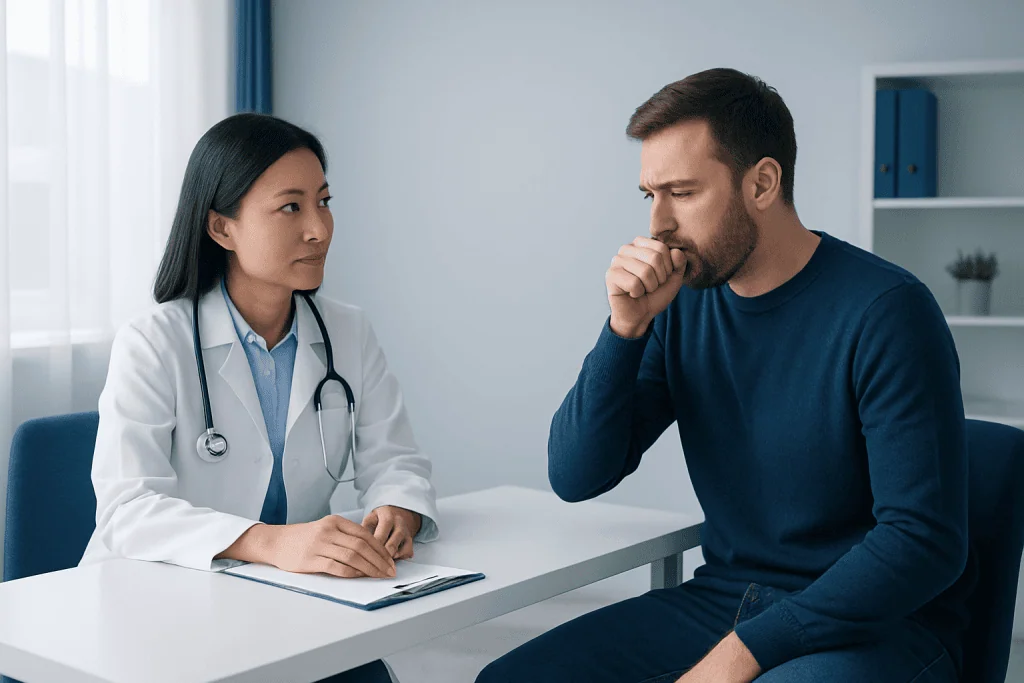
Contagious forms of atypical pneumonia most often spread through close-range respiratory droplets and contact with contaminated hands or surfaces followed by touching the eyes, nose, or mouth. Transmission is more likely in households, schools, university residences, military settings, and other places where people spend extended time together indoors.
People may be most likely to spread respiratory infections while they are actively coughing, have a fever, or feel acutely unwell. With bacterial causes, appropriate antibiotics may reduce infectiousness, but the timing varies by organism and individual circumstances. Antibiotics do not treat viral pneumonia, and they should only be used when prescribed for a likely or confirmed bacterial infection.
Because there is no single timeline that applies to every case, it is sensible to follow the treating clinician’s guidance. Until fever has resolved and symptoms are clearly improving, avoiding close contact with high-risk people—such as older adults, newborns, and those with weakened immune systems—can be a prudent precaution.
- Cover coughs and sneezes with a tissue or elbow, then clean the hands.
- Wash hands regularly with soap and water or use alcohol-based hand rub.
- Improve indoor ventilation where possible and avoid sharing drinking glasses or utensils.
- Rest at home when feverish or significantly unwell, following local public-health and workplace guidance.
Symptoms and who may need closer monitoring
Atypical pneumonia often begins gradually. A persistent dry cough, sore throat, tiredness, headache, mild fever or chills, and muscle aches can occur. Some people develop chest discomfort when coughing, wheezing, shortness of breath, or a cough that later brings up mucus. Symptoms can overlap with a cold, influenza, COVID-19, bronchitis, or asthma, which is why self-diagnosis may be difficult.
Even an illness that starts mildly can be more challenging for older adults, infants and young children, pregnant people, smokers, and people with chronic lung or heart disease, diabetes, kidney disease, or reduced immunity. In these groups, a lower threshold for medical assessment is appropriate, especially if cough and fever do not improve as expected.
Recovery is often gradual. Cough and tiredness may continue for several weeks after the infection has begun to settle, but symptoms should generally trend in the right direction. A return of fever, increasing breathlessness, dehydration, or worsening weakness should prompt review rather than simply waiting longer.
How doctors diagnose atypical pneumonia
A doctor will ask about the timing of symptoms, recent close contacts, travel, workplace or school exposures, underlying health conditions, and medicines. They will assess breathing rate, temperature, oxygen level, heart rate, and lung sounds. This helps establish how unwell the person is and whether pneumonia or another respiratory condition is likely.
A chest X-ray may be used to look for inflammation in the lungs, particularly when symptoms are significant, the diagnosis is unclear, or there are risk factors for complications. Depending on the situation, clinicians may also recommend blood tests, a sputum sample, or swabs or molecular tests for specific viruses and bacteria.
Testing is selected based on clinical need rather than performed routinely for every mild cough. The results can guide treatment decisions and identify other conditions that may need different care. If symptoms are severe or oxygen levels are low, assessment in an urgent-care or hospital setting may be needed.
Treatment and recovery
Treatment is based on the suspected cause, the severity of illness, and the person’s overall health. When atypical bacterial pneumonia is likely, a clinician may prescribe an antibiotic that is active against the suspected organism. It is important to take prescribed medicines exactly as directed and to contact the prescriber if side effects occur or symptoms fail to improve.
Viral pneumonia is generally managed with supportive care unless a specific antiviral treatment is appropriate. Rest, adequate fluids, avoiding smoking and secondhand smoke, and using fever or pain relief recommended by a healthcare professional may help people feel more comfortable. Cough medicines are not suitable for everyone, particularly children and people taking certain medications, so professional advice is useful.
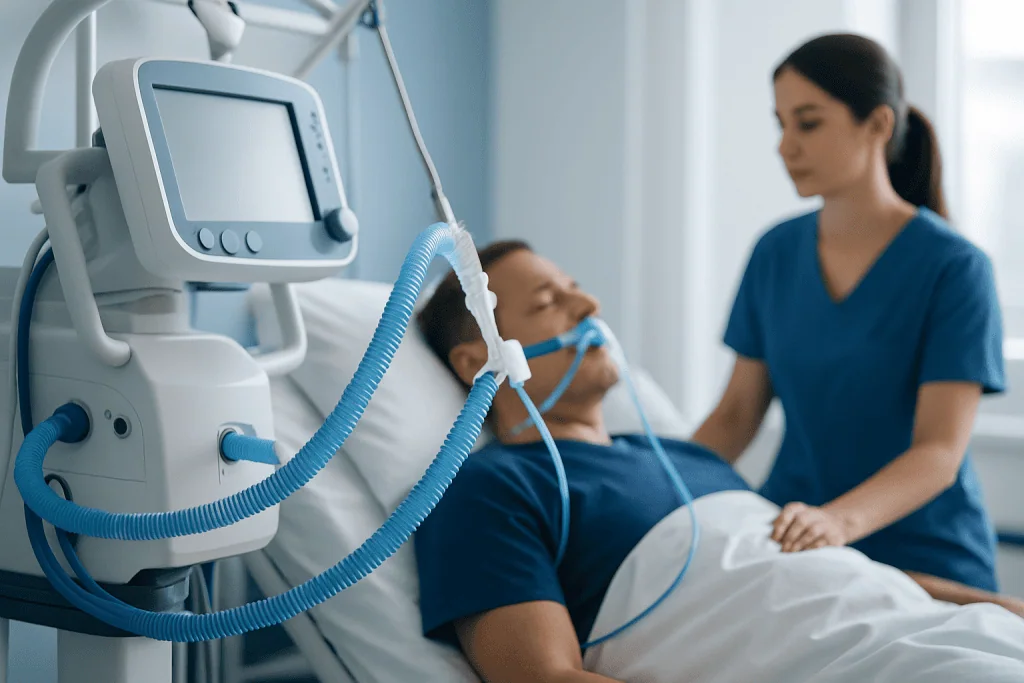
Hospital treatment may be needed when pneumonia causes low oxygen levels, marked breathing difficulty, inability to maintain hydration, or complications. This can include oxygen support, fluids, monitoring, and treatments directed at the underlying infection. Care should be individualized rather than relying on antibiotics left over from a previous illness or obtained without medical guidance.
When to seek medical care
Medical review is advisable for a cough that persists or worsens, fever with chest symptoms, new wheezing, shortness of breath during ordinary activity, or fatigue that is out of proportion to a typical cold. People at higher risk of complications should contact a clinician early if they think they may have pneumonia.
Urgent medical care is needed for severe or increasing difficulty breathing, chest pain or pressure, blue or gray lips or face, confusion, fainting, inability to keep fluids down, coughing up blood, or signs of severe weakness. Parents and caregivers should seek urgent help if a child is struggling to breathe, is unusually sleepy or difficult to wake, has blue lips, or is feeding poorly.
Early assessment can clarify whether symptoms are due to pneumonia and whether tests or treatment are needed. Acibadem International’s multidisciplinary specialists and JCI-accredited hospitals diagnose and treat respiratory conditions for international patients.
Reducing the chance of spreading respiratory infections
It is not always possible to prevent atypical pneumonia, but everyday respiratory hygiene can lower the likelihood of passing many infections to others. Staying up to date with vaccinations recommended for a person’s age, health status, and country—including influenza and COVID-19 vaccines where advised—can also reduce the risk of some respiratory infections and their complications.
Regular handwashing, avoiding touching the face with unwashed hands, cleaning frequently touched shared surfaces, and allowing fresh air into indoor spaces are practical measures. A well-fitting mask may offer added protection in crowded indoor settings or when someone with respiratory symptoms must be around others, especially those at higher risk.
People who have had pneumonia should allow adequate time for recovery before returning to strenuous activity. Follow-up may be recommended if symptoms do not resolve, if there are recurrent infections, or if a chest X-ray needs review. A healthcare professional can provide personalized guidance on activity, travel, and infection precautions.
Frequently asked questions
Can I catch atypical pneumonia from someone who has it?
It is possible if their pneumonia is caused by a contagious bacterium or virus. These germs usually spread through close respiratory contact, such as exposure to coughs and sneezes. Some types of pneumonia, including aspiration pneumonia, are not contagious.
Is atypical pneumonia the same as walking pneumonia?
The terms are often used interchangeably, particularly for milder pneumonia caused by Mycoplasma pneumoniae. However, atypical pneumonia is a broader term that can include several bacterial and viral causes. Symptoms and severity vary from person to person.
How long is atypical pneumonia contagious?
The duration depends on the germ causing the infection and the treatment received. A person may be more likely to spread infection while feverish, coughing frequently, and feeling acutely unwell. A doctor can give more specific advice based on the suspected cause and response to treatment.
Does atypical pneumonia always need antibiotics?
No. Antibiotics can help bacterial pneumonia but do not work against viral infections. A clinician decides whether antibiotics are appropriate after considering symptoms, examination findings, risk factors, and any tests that are needed.
Can atypical pneumonia become serious?
Many cases are mild and improve with appropriate care, but pneumonia can become serious, particularly in people with chronic health conditions, reduced immunity, or older age. Breathing difficulty, chest pain, confusion, blue lips, or rapid worsening require urgent medical assessment.
Should a person with atypical pneumonia stay home from work or school?
Staying home is generally sensible while feverish, significantly unwell, or coughing heavily, both to rest and to reduce transmission risk. The appropriate time to return depends on the cause, symptoms, local guidance, and a clinician’s advice. Extra caution is important around people who are vulnerable to severe respiratory illness.
References
- Centers for Disease Control and Prevention
- American Lung Association
- National Health Service
- World Health Organization
- Mayo Clinic
This article is for general information only and is not a substitute for professional medical advice. Please consult a qualified doctor about your individual situation.
Pneumonia in Turkey — costs, top hospitals & a free quote
JCI-accredited · board-certified surgeons · reply within 24h
Add us as a Preferred Source to see more of our trusted health content across Google Search, AI Overviews and Discover.