Is COPD Contagious? A Doctor-Reviewed Answer

COPD is a long-term lung condition, not an infection, so it does not spread between people. Colds, influenza, COVID-19, and some other respiratory infections can be contagious and may trigger COPD flare-ups.
Key Takeaways
- COPD is a long-term lung condition, not an infection, so it does not spread between people.
- Colds, influenza, COVID-19, and some other respiratory infections can be contagious and may trigger COPD flare-ups.
- New or worsening breathlessness, increased mucus, fever, or changes in sputum color should be medically assessed.
- Doctors diagnose COPD using medical history, a physical examination, and breathing tests such as spirometry.
- Avoiding tobacco smoke, keeping vaccinations current, and following a treatment plan can help reduce COPD flare-ups.
COPD is not contagious and cannot be passed from one person to another through contact, coughing, or sharing household space. However, viral and bacterial respiratory infections that may worsen COPD symptoms can sometimes be contagious.
Is COPD Contagious?
No, COPD is not contagious. Chronic obstructive pulmonary disease (COPD) is a long-term condition in which airflow through the lungs becomes limited. It cannot be caught from another person through coughing, sneezing, touching, kissing, sharing food, or living in the same home.
In most everyday situations, being around someone with COPD is harmless to others. COPD commonly develops after years of exposure to lung irritants, especially tobacco smoke, although long-term exposure to air pollution, workplace dusts, fumes, and certain inherited factors can also play a role.
It is important to distinguish COPD from an infection. A person with COPD may develop a cold, influenza, COVID-19, pneumonia, or another respiratory infection. Some of these infections can spread to others, but the underlying COPD itself does not.
Why COPD Can Seem Like It Spreads
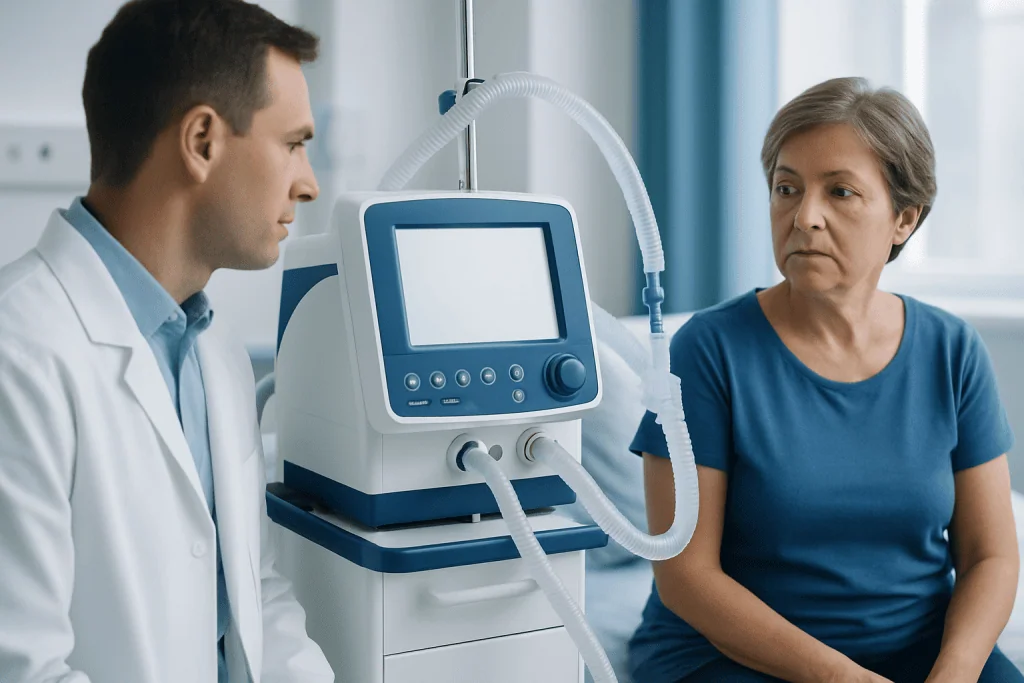
COPD often causes a persistent cough, mucus production, wheezing, and shortness of breath. Because coughing is also common with contagious illnesses, it is understandable that family members may wonder whether COPD can spread. A cough caused by stable COPD alone does not transmit disease.
Symptoms can change when a person has a COPD flare-up, also called an exacerbation. Respiratory viruses and, less often, bacterial infections are common triggers. During a flare-up, cough may increase, breathing may become more difficult, and mucus may become thicker, more plentiful, or change color.
Someone who has COPD and also has an infection may be contagious for the period associated with that infection. Simple precautions can reduce transmission risk, including handwashing, covering coughs and sneezes, improving ventilation, staying home when acutely unwell when possible, and following local public-health advice.
- Stable COPD: not contagious.
- Cold, influenza, or COVID-19 in a person with COPD: may be contagious.
- Pneumonia: some causes are infectious, while others are not; a clinician can help identify the likely cause.
COPD Symptoms and Signs of a Flare-Up
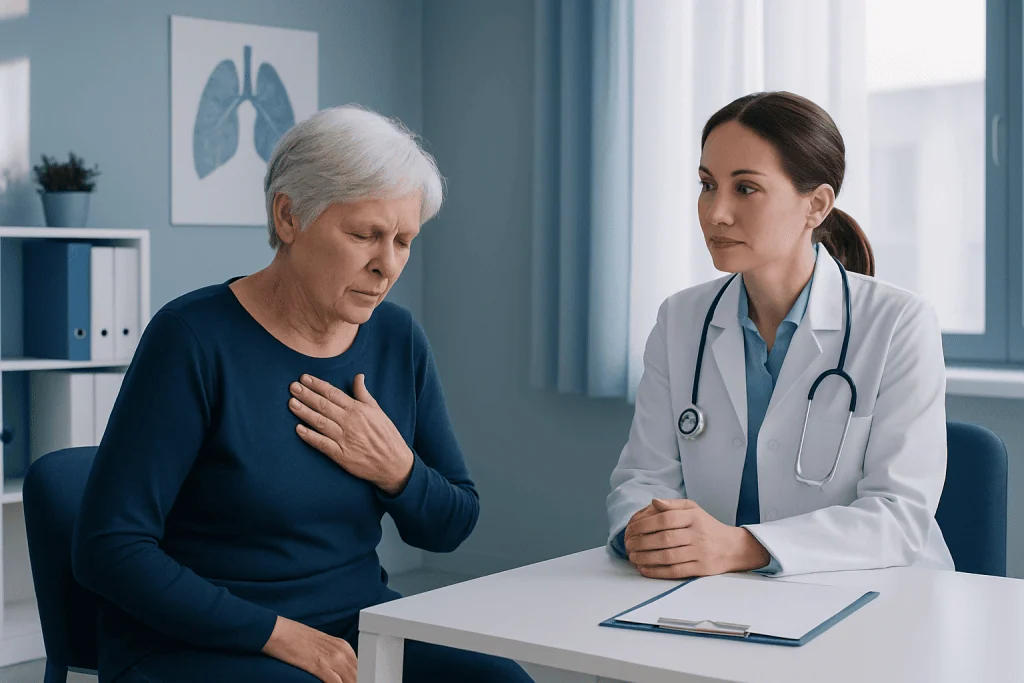
COPD includes conditions such as emphysema and chronic bronchitis. Symptoms usually develop gradually and may initially be mistaken for aging, low fitness, or a lingering smoker’s cough. Common symptoms include breathlessness with activity, a chronic cough, wheezing, chest tightness, tiredness, and frequent mucus production.
Symptoms may vary from day to day. A flare-up is a sustained worsening beyond a person’s usual symptoms, often requiring a change in treatment. It can be triggered by infection, smoke exposure, air pollution, or sometimes no clear cause.
Possible signs of a flare-up include more shortness of breath than usual, increased coughing or wheezing, waking at night because of breathing problems, needing reliever medication more often, and changes in mucus. Mucus that becomes yellow, green, brown, or blood-streaked should be discussed with a healthcare professional, particularly if it is new or accompanied by fever or worsening breathing.
What Causes COPD and Who Is at Risk?
The leading preventable cause of COPD is tobacco smoking, including long-term exposure to secondhand smoke. Not everyone who smokes develops COPD, and COPD can also occur in people who have never smoked. Risk depends on the type, amount, and duration of exposure as well as individual susceptibility.
Other possible contributors include regular exposure to dust, chemical fumes, biomass fuel smoke, and outdoor or indoor air pollution. Repeated respiratory infections early in life, asthma, and poor lung growth may also influence later lung health in some people.
A less common cause is alpha-1 antitrypsin deficiency, an inherited condition that can increase the risk of emphysema at a younger age, especially in people who smoke. COPD is therefore not infectious, even when inherited factors contribute to its development.
Having a close relative with COPD does not mean the condition can be caught from them. It may instead indicate shared exposure to tobacco smoke or environmental pollutants, or, in a small number of families, an inherited predisposition that a doctor may assess when appropriate.
How Doctors Diagnose COPD
A doctor begins by asking about symptoms, smoking or vaping history, workplace exposures, previous respiratory illnesses, medications, and family history. They will also examine the chest and listen to breathing. Because cough and breathlessness have many possible causes, an assessment is important rather than assuming symptoms are due to COPD.
The main test used to confirm COPD is spirometry. This painless breathing test measures how much air a person can forcefully exhale and how quickly they can exhale it. It helps identify persistent airflow limitation and can help distinguish COPD from conditions such as asthma, although some people may have features of both.
Depending on symptoms and medical history, clinicians may also recommend a chest X-ray, blood tests, oxygen-level testing, an electrocardiogram, or a CT scan. These tests may look for other causes of breathlessness or identify complications. Testing for alpha-1 antitrypsin deficiency may be considered in selected patients, including those with early-onset disease or a relevant family history.
During an acute worsening, a clinician may assess for infections such as influenza, COVID-19, or pneumonia. This helps guide treatment and informs whether measures to reduce spread to others are needed.
Treatment, Prevention, and Everyday Self-Care
Although COPD cannot usually be reversed, treatment can relieve symptoms, reduce flare-ups, and support everyday activity. Care is individualized according to symptoms, lung function, flare-up history, and other health conditions. Inhaled medicines that relax the airways are commonly used, and some people may need additional inhaled anti-inflammatory treatment.
Stopping smoking is the most important step for people who smoke. A healthcare professional can recommend behavioral support and medicines where suitable. Avoiding secondhand smoke, fumes, dust, and poorly ventilated environments may also help protect the lungs.
Pulmonary rehabilitation can be particularly useful. This structured program typically combines supervised exercise, breathing techniques, education, and support for managing symptoms. Regular physical activity within a person’s abilities, balanced nutrition, good sleep, and learning correct inhaler technique can also make daily symptoms more manageable.
Vaccination against influenza, COVID-19, and pneumococcal disease may lower the likelihood of some serious respiratory infections, depending on local recommendations and individual health needs. People with COPD should discuss a written action plan with their clinician so they know what to do if symptoms start to worsen.
When to Seek Medical Care
A non-urgent medical appointment is appropriate for a cough lasting more than several weeks, unexplained breathlessness, recurrent chest infections, wheezing, or reduced ability to perform usual activities. Early evaluation can identify COPD or another treatable cause and provides an opportunity to discuss prevention and symptom control.
Prompt medical advice is important if a person with known or suspected COPD develops a clear worsening of breathlessness, increased cough, fever, new or changing mucus, or reduced response to usual inhalers. These signs may indicate a flare-up or respiratory infection and should not be ignored.
Emergency care is needed for severe difficulty breathing, bluish or gray lips or face, confusion, severe chest pain, fainting, inability to speak in full sentences because of breathlessness, or coughing up more than a small streak of blood. These symptoms can have several serious causes and require urgent assessment.
Acibadem International’s multidisciplinary specialists and JCI-accredited hospitals assess and treat respiratory conditions, including COPD, for international patients. A qualified respiratory clinician can provide individualized advice based on symptoms, test results, and overall health.
Frequently asked questions
Can you catch COPD from kissing or living with someone who has it?
No. COPD cannot be passed through kissing, touching, sharing a home, or being near someone who coughs because of COPD. However, a person with COPD may also have a contagious infection, such as a cold or influenza, which can spread separately.
Is chronic bronchitis contagious?
Chronic bronchitis is a form of COPD and is not contagious. Acute bronchitis, which is often caused by a virus, can be contagious depending on its cause, so the two conditions should not be confused.
Can a COPD flare-up be contagious?
A COPD flare-up itself is not contagious. If the flare-up is triggered by a contagious respiratory virus or certain bacterial infections, that infection may spread to others.
How can someone with COPD protect family members when they are sick?
If respiratory infection symptoms are present, measures such as regular handwashing, covering coughs, cleaning frequently touched surfaces, and improving airflow indoors can help. A clinician may recommend testing or additional precautions based on the person's symptoms and local guidance.
What is the first test for COPD?
Spirometry is the main test used to diagnose COPD. It measures airflow during a forceful exhalation and is interpreted together with symptoms, exposure history, and a medical examination.
Can COPD develop in someone who has never smoked?
Yes. Although smoking is the most common cause, COPD can also be associated with long-term exposure to air pollution, workplace dusts or fumes, biomass smoke, asthma, and rare inherited conditions. Anyone with persistent breathlessness or cough should discuss symptoms with a healthcare professional.
This article is for general information only and is not a substitute for professional medical advice. Please consult a qualified doctor about your individual situation.
Explore treatments in Turkey — costs, top hospitals & a free quote
JCI-accredited · board-certified surgeons · reply within 24h
Add us as a Preferred Source to see more of our trusted health content across Google Search, AI Overviews and Discover.

More from the Health Library

How to Stop Bleeding Gums? Here Is What the Evidence Says

Why Do I Smell Like Onions? Here Is What the Evidence Says

What Is the Ghee? Here Is What the Evidence Says

Can You Get Shingles More Than Once? Here Is What the Evidence Says

Does Insulin Have to Be Refrigerated? Causes, Explanations, and Next Steps