

Is DMD a Neuromuscular Disease? Understanding Duchenne Muscular Dystrophy

DMD is a neuromuscular disease that mainly affects skeletal, heart, and breathing muscles. It is caused by changes in the DMD gene, which disrupt dystrophin production.
Key Takeaways
- DMD is a neuromuscular disease that mainly affects skeletal, heart, and breathing muscles.
- It is caused by changes in the DMD gene, which disrupt dystrophin production.
- Early signs often begin in childhood and may include delayed walking, frequent falls, and trouble climbing stairs.
- Diagnosis usually involves blood tests, genetic testing, and muscle and heart assessments.
- Treatment focuses on slowing progression, preserving function, and supporting the heart, lungs, and mobility.
Yes, Duchenne muscular dystrophy (DMD) is a neuromuscular disease. It is a genetic condition that causes progressive muscle weakness because the body cannot make enough functional dystrophin, a protein needed to protect muscle fibers.
Overview: Is DMD a Neuromuscular Disease?
Duchenne muscular dystrophy, often called DMD, is a neuromuscular disease. The term neuromuscular disease refers to conditions that affect muscles and the nerves that control them. In DMD, the main problem is within the muscle fibers themselves: they become damaged more easily and gradually weaken over time.
DMD belongs to a group of inherited muscle disorders known as muscular dystrophies. It is caused by a change in the DMD gene, which normally helps the body make dystrophin. Dystrophin is an important protein that helps keep muscle cells stable during movement. Without enough working dystrophin, muscles are more vulnerable to injury and slowly lose strength.
Although DMD is best known for causing weakness in the legs, hips, and shoulders, it can also affect the heart muscle and the muscles used for breathing. Because of this, DMD is usually managed by a team that may include pediatric neurologists, rehabilitation specialists, cardiologists, pulmonologists, genetic specialists, and physical therapists. Some families may also hear about related conditions such as muscular dystrophy as a broader category that includes DMD.
Symptoms and Early Signs of Duchenne Muscular Dystrophy
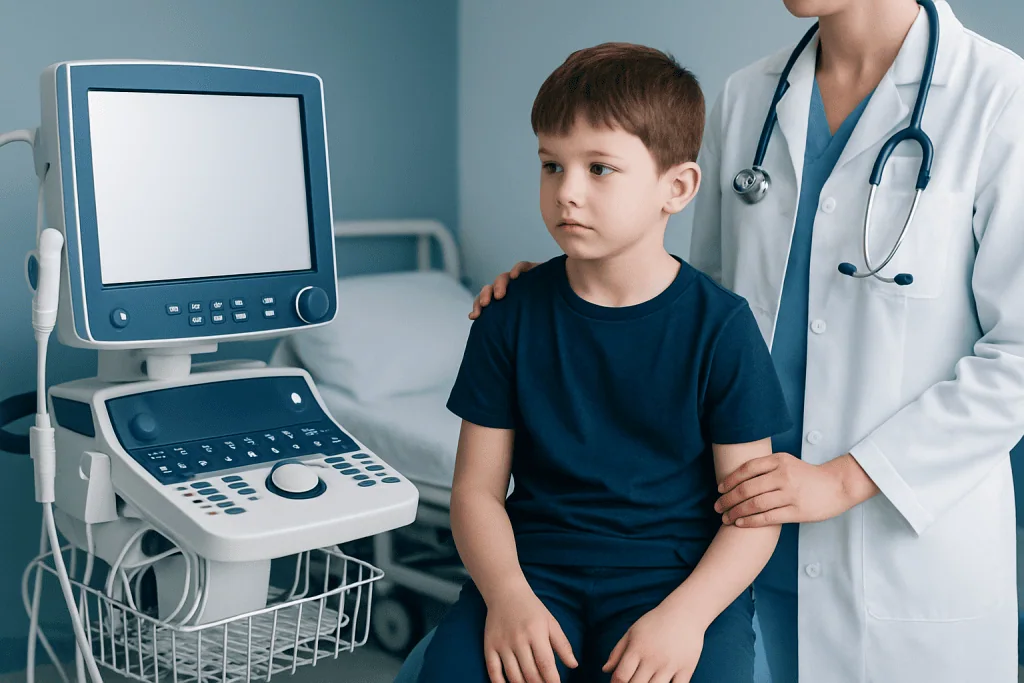
Symptoms of DMD often begin in early childhood, though the exact age and pattern can vary. Parents may first notice delays in motor milestones, such as walking later than expected, difficulty running, or trouble getting up from the floor. A child may use their hands to push on their thighs to stand up, a sign often called Gowers’ maneuver.
As muscle weakness progresses, children may fall often, walk on their toes, or have difficulty climbing stairs. The muscles of the calves can appear enlarged, but this is usually due to fatty and fibrous tissue replacing normal muscle rather than extra strength. Over time, weakness often spreads from the hips and thighs to the shoulders, arms, and trunk.
DMD can affect more than movement. Some children may have learning, attention, or behavioral challenges, although intelligence varies and many children do well with the right support. Later in the course of the condition, the heart and breathing muscles may become involved, which is why regular monitoring is an important part of care.
- Delayed walking or motor development
- Frequent falls or clumsiness
- Trouble running, jumping, or climbing stairs
- Walking on toes
- Enlarged calves
- Difficulty rising from the floor
- Progressive weakness affecting mobility and endurance
Causes and Risk Factors
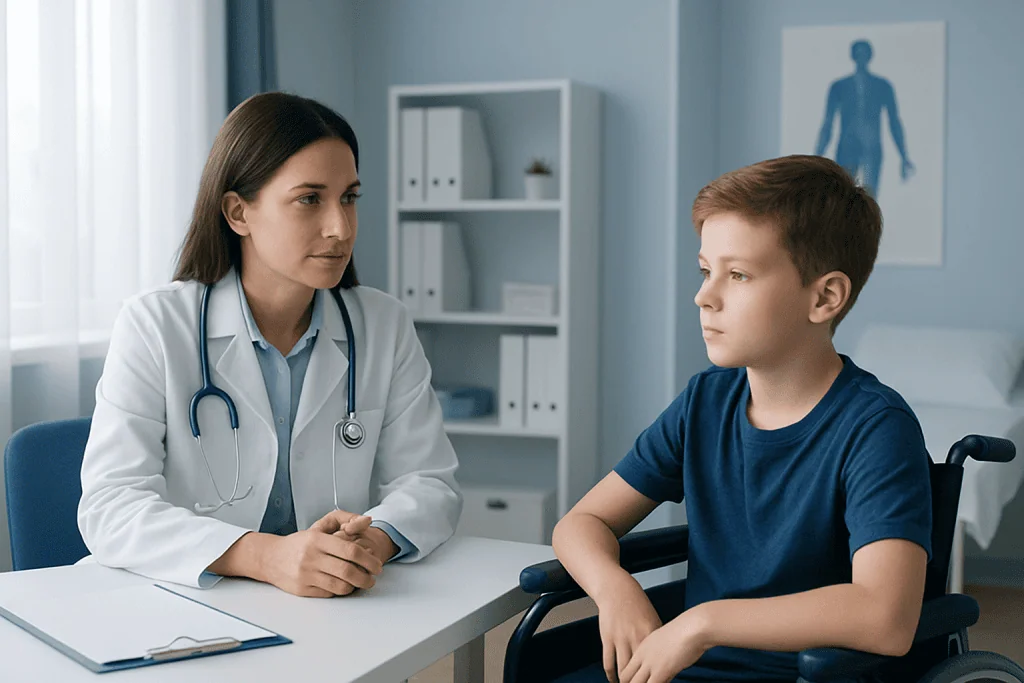
DMD is caused by a genetic change in the DMD gene, which is located on the X chromosome. This gene contains the instructions for making dystrophin. When the gene is altered in a way that prevents normal dystrophin production, muscles are less protected from the stress of everyday movement. Over time, repeated damage leads to inflammation, scarring, and muscle loss.
DMD follows an X-linked inheritance pattern. Because males typically have one X chromosome, they are more likely to develop the condition if they inherit an altered DMD gene. Females who carry the gene change may not have the full condition, but some can have mild muscle symptoms or heart involvement. In some families, DMD is inherited from a carrier parent, while in others it happens because of a new genetic change.
The main risk factor is family history, but a child can still be diagnosed without any known relatives affected. Genetic counseling can help families understand inheritance, future pregnancy risks, and testing options for other relatives. Since DMD is part of the wider group of neuromuscular diseases, evaluation often includes looking at both the child and the family history in detail.
How DMD Is Diagnosed
Diagnosis usually starts with a clinical evaluation based on symptoms, development, muscle strength, and family history. Doctors may suspect DMD in a young child with progressive weakness, delayed motor milestones, and characteristic walking or standing patterns. The next step is often a blood test to measure creatine kinase, an enzyme that is usually very high when muscle damage is present.
Genetic testing is central to confirming DMD. It can identify the specific change in the DMD gene and may help guide treatment discussions, family screening, and genetic counseling. In some cases, additional tests may be used if the diagnosis remains unclear, such as a muscle biopsy, though modern genetic testing has reduced the need for biopsy in many patients.
Because DMD can affect the heart and lungs, diagnosis and follow-up commonly include heart tests such as an electrocardiogram and echocardiogram, along with breathing assessments. Neuromuscular evaluation may also include functional testing and sometimes electromyography (EMG) in selected situations, although EMG alone does not diagnose DMD. Imaging and rehabilitation assessments help build a complete picture of strength, mobility, posture, and daily function.
Treatment Options and Long-Term Care
There is no single cure that reverses DMD, but treatment can make a meaningful difference in function, comfort, and quality of life. Care is individualized and usually focuses on slowing progression, maintaining mobility, supporting breathing and heart health, and preventing complications. Ongoing follow-up at a center experienced in neuromuscular conditions is often helpful.
Medications such as corticosteroids may be used to help preserve muscle strength and delay loss of function in appropriate patients. Depending on the person’s genetic test results, mutation-specific therapies may also be discussed by the medical team. Treatment plans often include regular cardiac care, breathing support when needed, nutritional guidance, bone health monitoring, and vaccination advice to reduce the risk of infections that could strain weakened muscles.
Rehabilitation is a key part of DMD management. Physical therapy helps maintain flexibility and reduce contractures, while occupational therapy can support daily activities, school participation, and independence. Mobility aids, braces, and seating systems may become important over time, and some patients benefit from coordinated physical therapy and rehabilitation programs. If spine curvature develops, careful orthopedic monitoring is needed, and selected patients may require scoliosis surgery as part of comprehensive care.
Families seeking international care may wish to know that Acibadem International’s multidisciplinary specialists and JCI-accredited hospitals diagnose and treat DMD with coordinated neurology, cardiology, pulmonology, rehabilitation, and genetic support for international patients.
Prevention, Self-Care, and Living With DMD
DMD cannot usually be prevented once the genetic change is present, but early diagnosis and proactive care can help reduce complications and support development. Genetic counseling may be valuable for families who want to understand inheritance patterns, carrier testing, or reproductive options. For a child already diagnosed, consistent follow-up is one of the most important forms of prevention.
At home, daily routines often focus on conserving energy, maintaining flexibility, and creating a safe environment. Gentle stretching, appropriate physical activity guided by professionals, and avoidance of overexertion can help protect muscles. Good nutrition, sleep, and routine immunizations also support general health, especially because respiratory infections can be more difficult when breathing muscles are weaker.
Emotional and educational support matter too. Children with DMD often benefit from school accommodations, counseling when needed, and encouragement to participate in family and social life as fully as possible. Caregivers also need support, since long-term care planning can be physically and emotionally demanding.
- Keep regular appointments with neurology, cardiology, and pulmonary teams
- Follow therapy exercises as advised
- Watch for changes in walking, posture, breathing, or fatigue
- Ask about genetic counseling for family planning and screening
- Seek practical support for school, mobility, and home adaptations
When to See a Doctor
A child should be evaluated by a doctor if there are signs of delayed walking, frequent falls, unusual waddling, toe walking, or persistent difficulty climbing stairs or rising from the floor. These symptoms do not always mean DMD, but they do deserve prompt assessment. Early diagnosis may help families access treatment, rehabilitation, and monitoring sooner.
Children already diagnosed with DMD need regular follow-up even when they seem stable. Ongoing care helps detect heart or lung changes early, address contractures or spine problems, and update the treatment plan as needs change. Any sudden change in strength, swallowing, breathing, or endurance should be discussed with a healthcare professional.
Urgent medical attention is important if a person with DMD develops shortness of breath, chest pain, blue lips, severe fatigue, choking, or signs of serious infection. Families should feel comfortable contacting their care team with questions, because small changes can be easier to manage when they are addressed early.
Frequently asked questions
Is DMD considered a neuromuscular disease?
Yes. DMD is a neuromuscular disease because it affects the muscles and leads to progressive weakness, even though the primary problem is in the muscle fibers rather than the nerves. It is one of the best-known forms of muscular dystrophy.
What is the difference between DMD and other muscular dystrophies?
DMD is one specific type of muscular dystrophy caused by changes in the DMD gene that prevent normal dystrophin production. Other muscular dystrophies can involve different genes, different ages of onset, and different patterns of muscle weakness. The course and treatment approach may also vary.
At what age do symptoms of Duchenne muscular dystrophy usually begin?
Symptoms often begin in early childhood, commonly before school age. Families may notice delayed walking, frequent falls, or difficulty running and climbing stairs. However, the exact timing can differ from one child to another.
Can girls have Duchenne muscular dystrophy?
DMD mainly affects boys because it is linked to the X chromosome, but girls can be carriers and may sometimes have mild symptoms. Some female carriers can develop muscle weakness or heart-related changes. This is why carrier testing and follow-up can be important.
How is DMD confirmed?
Doctors usually confirm DMD with genetic testing after reviewing symptoms and blood test results, especially creatine kinase levels. Heart and lung evaluations are also part of the overall assessment. In selected cases, additional testing may be needed.
Is there a cure for DMD?
There is currently no cure that fully reverses DMD, but treatments can help slow progression and support quality of life. Care may include medications, rehabilitation, mobility support, and regular heart and breathing checks. Advances in genetic and supportive therapies continue to improve care.
References
- World Health Organization
- National Institute of Neurological Disorders and Stroke
- Muscular Dystrophy Association
- Centers for Disease Control and Prevention
- National Organization for Rare Disorders
This article is for general information only and is not a substitute for professional medical advice. Please consult a qualified doctor about your individual situation.
Explore treatments in Turkey — costs, top hospitals & a free quote
JCI-accredited · board-certified surgeons · reply within 24h
Add us as a Preferred Source to see more of our trusted health content across Google Search, AI Overviews and Discover.

More from the Health Library



Related Specialists

Prof. Dr. Bülent Kisacikoğlu
Cardiovascular Surgery
Prof. Dr. Altan Göktaş
Ophthalmology
Prof. Dr. Yunus Aydın
Neurosurgery
Yaren Kasal
Physical Medicine & Rehabilitation