Is HPV Curable? Here Is What the Evidence Says

Most HPV infections go away on their own without causing long-term problems. There is no single drug that cures HPV itself, but HPV-related changes and symptoms can be treated effectively.
Key Takeaways
- Most HPV infections go away on their own without causing long-term problems.
- There is no single drug that cures HPV itself, but HPV-related changes and symptoms can be treated effectively.
- Medical review is important for genital warts, abnormal bleeding, persistent pain, or abnormal screening results.
- Diagnosis may involve a physical exam, HPV testing, Pap testing, or colposcopy depending on age, symptoms, and anatomy.
- Vaccination, safer sex practices, and routine screening are the best ways to reduce HPV-related health risks.
In most people, HPV is temporary and harmless, and the immune system clears the infection over time. While there is no medicine that directly removes HPV from the body on demand, doctors can treat HPV-related warts, abnormal cell changes, and complications—and regular screening helps prevent serious disease.
Overview: Can HPV Be Cured?
For most people, the reassuring answer is that HPV often does not need a “cure” in the usual sense because the body clears the infection naturally. Human papillomavirus, or HPV, is very common, and many infections cause no symptoms at all. In these cases, the immune system gradually suppresses and eliminates the virus over months to a few years.
What the evidence does not show is a medicine that instantly or permanently removes HPV from the body once it is detected. So when people ask, “is HPV curable,” the most accurate answer is that HPV itself is usually not treated with a direct antiviral cure, but the effects of HPV can often be managed very well. This includes treatment for genital warts and monitoring or treatment for abnormal cell changes that could otherwise lead to cancer.
HPV is not one single virus but a group of related viruses. Some types are considered low risk and may cause warts. Others are high risk because persistent infection can lead to cell changes in the cervix, anus, penis, vulva, vagina, or throat. That is why doctors focus on both natural clearance and prevention of complications, rather than promising a quick cure.
Why HPV Often Goes Away on Its Own
HPV behaves differently from person to person. In many healthy adults, the immune system recognizes the virus and clears it without treatment. This is why someone may test positive at one point and later have no detectable HPV. A positive test does not necessarily mean a lifelong infection.
The key factor is persistence. An HPV infection that remains present over time—especially a high-risk type—is more likely to cause abnormal cell changes. Persistent infection is more common in people with weakened immune systems, smokers, and those who have other factors that affect immune response.
Even when HPV clears, people may still need follow-up if it has already caused visible warts or abnormal screening results. Doctors therefore separate three related but different issues: the viral infection itself, any symptoms it causes, and any cellular changes that need monitoring or treatment.
This distinction helps explain why online answers about HPV can seem confusing. It is possible for HPV to clear naturally, possible for warts to be treated, and possible for abnormal cells to be removed—all without claiming that a single medication has “cured” every aspect of the infection.
Symptoms and Red Flags That Need Medical Review

Most HPV infections cause no symptoms. When symptoms do appear, they may include genital warts, small skin-colored or cauliflower-like growths around the genital or anal area, or changes found only during screening rather than felt or seen by the person. Many high-risk HPV infections are silent, which is why routine screening is so important.
Some signs deserve prompt medical attention because they may reflect HPV-related changes or another condition that needs evaluation. These include bleeding after sex, bleeding between periods, unusual vaginal discharge, persistent pelvic pain, pain during sex, a new lump or growth in the genital or anal area, ongoing throat symptoms, or sores that do not heal.
Not every wart, bump, or bleeding problem is caused by HPV. Conditions such as irritation, benign skin growths, other infections, hemorrhoids, or cervical changes unrelated to HPV can look similar. A doctor may consider cervical cancer risk when abnormal bleeding or abnormal screening results are present, but most people with HPV do not develop cancer.
The important message is balanced reassurance: HPV is common and often harmless, but persistent symptoms should not be ignored. Early assessment helps identify whether the issue is a wart, an inflammation problem, a precancerous change, or something else entirely.
How Doctors Diagnose HPV
There is no single test used for every person and every body site. Diagnosis depends on symptoms, age, sex, anatomy, and whether the goal is to identify visible lesions or screen for high-risk viral types. A doctor usually begins with a medical history and physical examination, including inspection of any visible warts or suspicious areas.
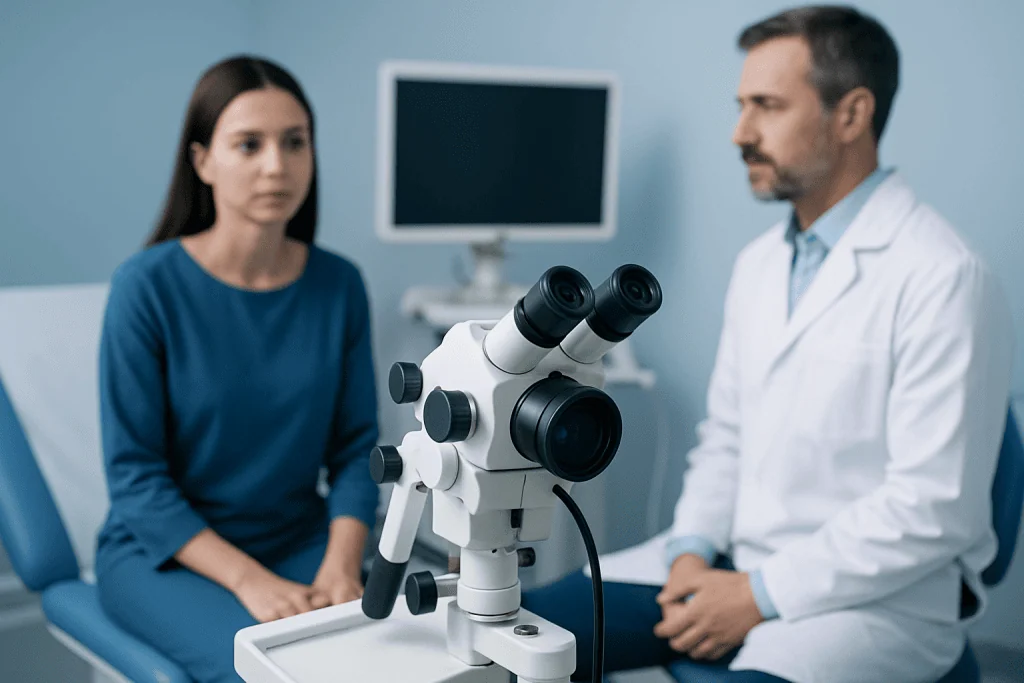
For cervical screening, clinicians may use a Pap test, an HPV test, or both, depending on age and local guidelines. A Pap test looks for abnormal cervical cells, while an HPV test checks for high-risk virus types linked with cervical cancer. If results are abnormal, the next step may be colposcopy, a closer examination of the cervix using magnification and, if needed, a biopsy.
Visible genital warts are often diagnosed clinically, meaning an experienced doctor can recognize them during examination. Biopsy is sometimes used if a lesion looks unusual, does not respond to treatment, or the diagnosis is uncertain. For anal, penile, vulvar, vaginal, or throat concerns, evaluation may involve referral to an appropriate specialist.
Testing is not usually done to “prove cure” after every HPV infection. Instead, follow-up is based on symptoms and screening results. In people with cervical abnormalities, repeat testing helps show whether the infection has cleared and whether the cells have returned to normal or need treatment.
What Treatment Can and Cannot Do
Treatment for HPV is aimed at what the virus causes, not at erasing the virus directly with a guaranteed cure. For example, genital warts can be treated with prescription topical therapies, freezing, cauterization, laser treatment, or minor surgical removal. Some warts also go away on their own, but treatment may be chosen if they are bothersome, spreading, bleeding, or causing distress.
Abnormal cervical cell changes caused by high-risk HPV may simply need monitoring if they are mild, because some regress naturally. If changes are more significant or persistent, doctors may recommend procedures to remove or destroy the affected tissue. In selected cases, options can include LEEP or other outpatient procedures to prevent progression.
When HPV-related disease affects other areas of the body, management depends on location and severity. Suspicious or persistent lesions may require biopsy or surgical treatment, and cancer care is guided by stage and site. If evaluation suggests a more advanced HPV-related problem, a doctor may discuss broader oncology care with a multidisciplinary team.
Because HPV can sometimes remain in surrounding tissue even after visible lesions are treated, recurrence is possible. That does not mean treatment has failed; it means the virus and the immune response can be unpredictable. Good follow-up helps ensure that any recurrence or cell change is found early and treated appropriately.
Prevention, Screening, and Self-Care
The best strategy for HPV is prevention combined with routine screening. HPV vaccination significantly reduces the risk of infection from the most important high-risk and wart-causing types. Vaccination is most effective before exposure, but many people can still benefit later depending on age and individual circumstances, so it is worth discussing with a doctor.
Barrier protection such as condoms can lower HPV transmission risk, though they do not remove it completely because HPV can affect skin not covered by a condom. Limiting the number of sexual partners, avoiding tobacco, and supporting overall immune health may also reduce the chance that HPV will persist.
Screening remains essential because high-risk HPV often causes no symptoms. Cervical screening helps detect cell changes before cancer develops. People should follow the screening schedule recommended by their clinician, even if they feel well and even if they have been vaccinated.
Self-care also includes avoiding self-diagnosis and over-the-counter treatments not intended for genital use. If a person notices a new genital growth, unusual bleeding, or persistent discomfort, it is safer to have it examined than to assume it is only HPV. Near the end of the care pathway, some patients may seek assessment at centers such as Acibadem International, where multidisciplinary specialists in JCI-accredited hospitals diagnose and treat HPV-related conditions for international patients.
When to Seek Medical Care
Medical care should be sought if there are visible genital or anal warts, abnormal bleeding, persistent pelvic pain, pain during sex, unexplained discharge, or a sore or lump that does not go away. These symptoms are not always due to HPV, but they deserve evaluation so that the right diagnosis is not missed.
A person should also contact a doctor after an abnormal Pap test or positive high-risk HPV test, even if there are no symptoms. Follow-up appointments matter because they help determine whether the body is clearing the infection naturally or whether additional testing is needed.
Prompt review is especially important for people who are pregnant, immunocompromised, living with HIV, using medicines that suppress immunity, or who have a history of precancerous changes. In these situations, HPV may be more persistent and follow-up plans may need to be more tailored.
Anyone with throat symptoms that persist, difficulty swallowing, or a lasting mouth or neck lump should also seek assessment. While many causes are benign, a clinician can decide whether examination, imaging, biopsy, or referral is needed.
Frequently asked questions
If HPV is not directly curable, does that mean it stays forever?
Not usually. In many people, the immune system clears HPV naturally over time, and later tests may become negative. What can persist in some cases is the effect of the infection, such as warts or abnormal cell changes, which may still need treatment or follow-up.
Can HPV go away without treatment?
Yes. Most HPV infections resolve on their own and never cause symptoms or long-term harm. Treatment is generally used when HPV causes visible warts, abnormal test results, or tissue changes that need monitoring or removal.
Can genital warts be cured permanently?
Genital warts can often be removed or cleared with treatment, and some go away without treatment. However, they can come back because the virus may still be present in nearby tissue for a period of time. Recurrence becomes less likely as the immune system gains control of the infection.
Does a positive HPV test mean cancer?
No. A positive HPV test means a high-risk HPV type was detected, not that cancer is present. Most people with HPV do not develop cancer, but follow-up is important because persistent infection can sometimes lead to precancerous cell changes.
Can someone have HPV with no symptoms?
Yes, and this is very common. High-risk HPV often causes no symptoms at all, which is why cervical screening and follow-up testing are so important. Silent infections can still be monitored and managed effectively.
Does the HPV vaccine treat an existing infection?
No, the HPV vaccine does not treat an infection that is already present. Its role is prevention: it helps protect against future infection with important HPV types. A doctor can advise whether vaccination may still be helpful based on age and medical history.
This article is for general information only and is not a substitute for professional medical advice. Please consult a qualified doctor about your individual situation.
Explore treatments in Turkey — costs, top hospitals & a free quote
JCI-accredited · board-certified surgeons · reply within 24h
Add us as a Preferred Source to see more of our trusted health content across Google Search, AI Overviews and Discover.

More from the Health Library

Symptoms of Leukemia: Common Causes, Related Conditions, and When to See a Doctor

Endometriosis Symptoms Explained: Common Triggers and Red Flags

How to Stop Slobbering in Your Sleep? Causes, Explanations, and Next Steps

Headache at One Side: Common Causes, Related Conditions, and When to See a Doctor

Sebaceous cyst: Common Causes, Warning Signs, and When to Worry