Is Nausea in Pregnancy a Sign of a Girl? Here Is What the Evidence Says
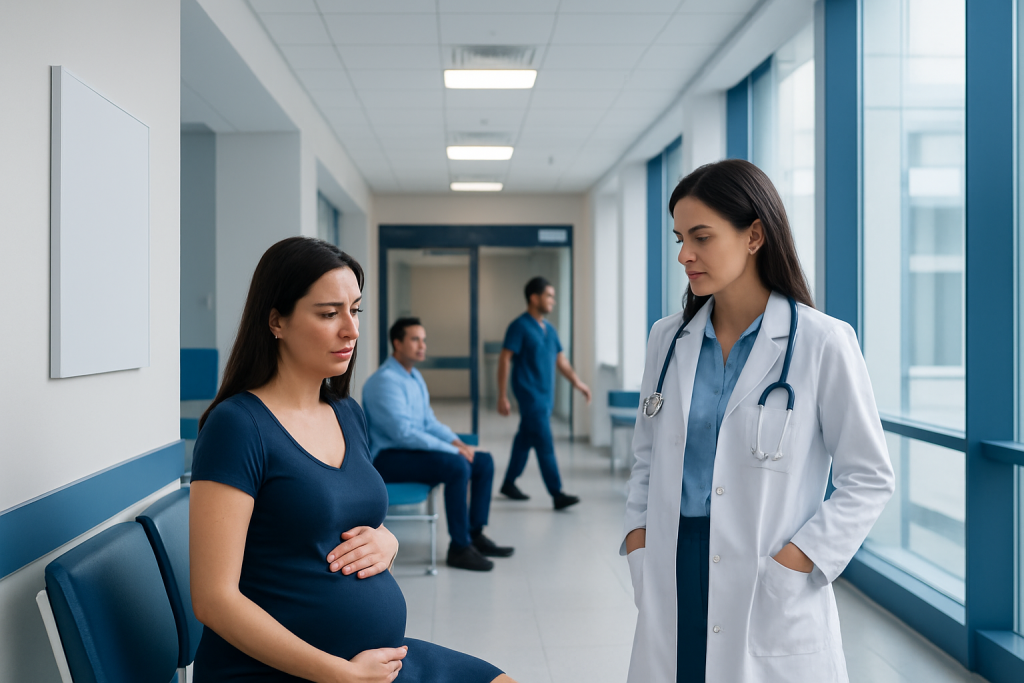
Nausea in pregnancy is very common and is usually a normal part of early pregnancy. There is no dependable way to use nausea or morning sickness to predict whether the baby is a girl.
Key Takeaways
- Nausea in pregnancy is very common and is usually a normal part of early pregnancy.
- There is no dependable way to use nausea or morning sickness to predict whether the baby is a girl.
- Hormonal changes, a sensitive stomach, fatigue, and personal history are more likely explanations for pregnancy nausea.
- Medical care is important if nausea leads to dehydration, weight loss, or trouble keeping fluids down.
- A doctor can assess symptoms with a history, examination, and tests to rule out complications.
No, nausea in pregnancy is not a reliable sign of carrying a girl. While some studies have explored links between symptom severity and fetal sex, nausea is far more strongly influenced by normal pregnancy hormones and individual sensitivity than by whether the baby is female or male.
Overview: What the Evidence Really Says
For most pregnant people, nausea is harmless, common, and not a dependable clue about fetal sex. The short answer to the question “is nausea in pregnancy a sign of a girl” is no: nausea alone cannot accurately tell whether the baby is female or male.
This belief is a long-standing pregnancy myth. Some research has suggested that people carrying female fetuses may report slightly more nausea on average, but the difference is not strong enough to predict sex in an individual pregnancy. Many people with severe morning sickness deliver boys, and many people with very little nausea deliver girls.
What matters most clinically is not the baby’s sex but how intense the symptoms are and whether they affect hydration, nutrition, and daily life. Mild to moderate nausea often improves with time and self-care, while persistent vomiting, dehydration, or weight loss deserves medical attention.
Why Nausea Happens in Pregnancy
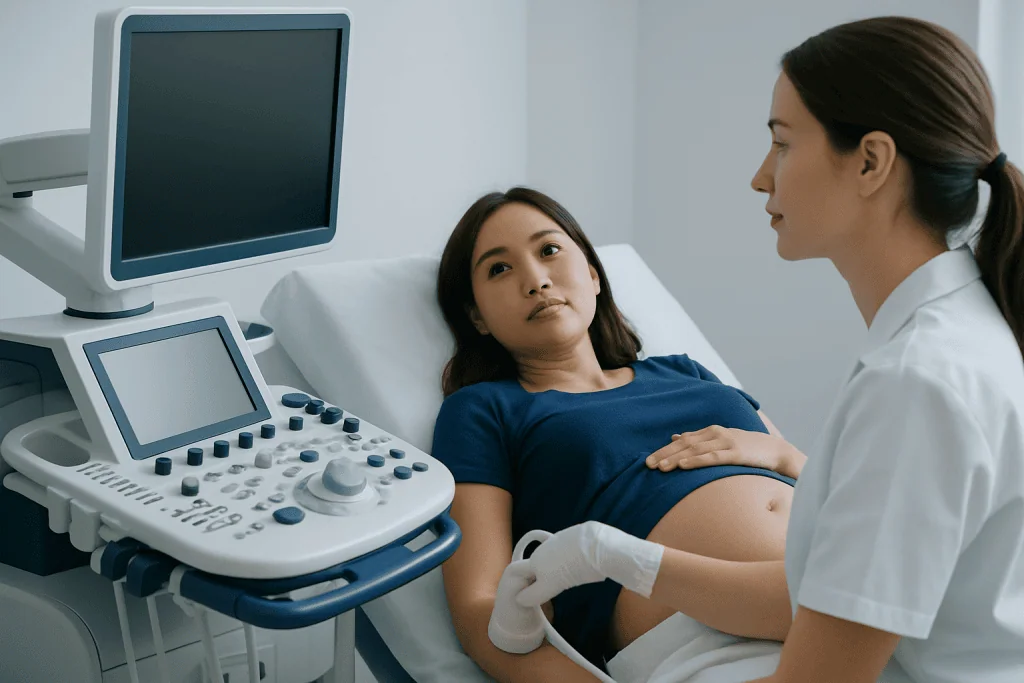
Pregnancy nausea is usually linked to normal hormonal and physical changes, especially in the first trimester. Levels of human chorionic gonadotropin, often called hCG, rise quickly early in pregnancy, and this seems to play an important role. Estrogen, changes in digestion, and a more sensitive sense of smell may also contribute.
The term “morning sickness” can be misleading because symptoms do not always happen in the morning. Nausea may appear at any time of day and may be triggered by an empty stomach, certain foods, fatigue, heat, travel, or strong odors. For some people it feels like mild queasiness; for others it involves frequent vomiting.
Other factors can influence how strongly a person feels nausea. A history of motion sickness, migraines, nausea in a previous pregnancy, carrying twins or more, and stress or tiredness may increase symptoms. These influences are much more useful for understanding nausea than trying to link it to fetal sex.
Can Baby Sex Affect Morning Sickness?

Researchers have looked at whether fetal sex might slightly influence pregnancy symptoms, but the findings are limited and not useful for prediction. A few studies have found a small association between female fetuses and higher rates of nausea or severe nausea, possibly because of differences in hormone patterns. However, these studies do not show that nausea is a reliable sign of a girl in any one pregnancy.
In everyday medical practice, clinicians do not use nausea to estimate fetal sex. The only reliable ways to learn the baby’s sex are medical tests such as certain blood screening methods, ultrasound at the appropriate stage of pregnancy, or diagnostic testing when clinically indicated.
It is also important to avoid overinterpreting symptom severity. Severe nausea does not mean the baby is definitely a girl, and mild nausea does not mean the baby is definitely a boy. Symptom patterns vary widely from person to person, and even from one pregnancy to the next in the same person.
Typical Symptoms and What Is Usually Normal
Normal pregnancy nausea often starts around the early weeks of the first trimester and tends to improve by the second trimester, although some people have symptoms for longer. Common features include queasiness, food aversions, heightened sensitivity to smells, and occasional vomiting. Symptoms may come and go and may be worse when the stomach is empty.
Many people can still drink fluids, eat small meals, and continue daily activities with some adjustments. Helpful strategies often include eating plain foods, having smaller meals more often, staying hydrated, and avoiding triggers such as greasy foods or strong smells.
Not every pregnancy follows the same pattern. Some people have almost no nausea, while others feel unwell every day for weeks. Both can be normal. The main concern is whether symptoms are becoming so frequent or intense that they interfere with nutrition, hydration, or overall well-being.
- Queasiness with or without vomiting
- Food aversions or altered taste
- Worse symptoms when hungry or tired
- Improvement after eating small, frequent meals
- Symptoms that gradually ease as pregnancy progresses
When to Seek Medical Care
Although nausea in pregnancy is often harmless, some red flags should prompt medical review. A pregnant person should seek care if they cannot keep fluids down, feel dizzy or faint, urinate much less than usual, notice dark urine, or have signs of dehydration. Medical help is also important if there is weight loss, severe weakness, abdominal pain, fever, or vomiting with blood.
Persistent vomiting can sometimes be a more serious pregnancy-related condition called hyperemesis gravidarum, which goes beyond typical morning sickness. A clinician may also look for other causes of nausea, including stomach infections, thyroid problems, medication side effects, urinary infection, gallbladder disease, or less commonly pregnancy complications.
Anyone with severe symptoms should not wait too long to ask for help. Prompt treatment can reduce dehydration and help protect nutrition. If nausea is accompanied by heavy bleeding, severe one-sided pelvic pain, chest pain, confusion, or inability to pass urine, urgent assessment is needed.
How Doctors Evaluate Pregnancy Nausea
If nausea is troubling or unusually severe, a doctor will usually begin with a careful history. They may ask when the symptoms started, how often vomiting occurs, what foods or smells trigger it, whether there has been weight loss, and whether fluids can be kept down. The clinician will also review medications, previous pregnancies, and any other symptoms such as pain, fever, diarrhea, headache, or vaginal bleeding.
A physical examination may check pulse, blood pressure, hydration status, abdominal tenderness, and signs of nutritional strain. Depending on the situation, testing may include urine analysis, blood tests to look at electrolytes and kidney function, and sometimes thyroid testing. Ultrasound may be used to confirm the pregnancy location, dates, and number of fetuses, or to investigate symptoms if needed.
These steps help doctors distinguish routine pregnancy nausea from conditions that need more active treatment. They may also evaluate whether another digestive condition is present, such as reflux or gastroenteritis, if the symptoms and timing suggest a cause beyond pregnancy alone.
Treatment and Self-Care Options
Treatment depends on how severe the symptoms are. Mild nausea often improves with self-care, including eating small frequent meals, avoiding long gaps without food, sipping fluids regularly, choosing bland foods, and resting when possible. Some people find that dry crackers, toast, rice, bananas, or cold foods are easier to tolerate than rich or strongly scented meals.
If home measures are not enough, a doctor may recommend safe anti-nausea treatment during pregnancy. Care should be individualized, especially if symptoms affect sleep, work, mood, or nutrition. For more severe cases, treatment may involve fluids and medications given through a vein in hospital, especially if dehydration develops. In some situations, evaluation by perinatology specialists can help coordinate care for pregnancy-related complications.
When nausea is linked with significant vomiting, clinicians may also look for nutritional deficiencies and monitor the pregnancy more closely. If digestive symptoms are unusually persistent or overlap with other gastrointestinal complaints, a broader assessment may be useful, sometimes alongside gastroenterology care to exclude non-pregnancy causes.
Near the end of the care pathway, some patients may benefit from support in a center with obstetric, internal medicine, and imaging expertise. Acibadem International’s multidisciplinary specialists and JCI-accredited hospitals diagnose and treat pregnancy-related nausea and associated conditions for international patients.
What Actually Predicts the Baby’s Sex?
Symptoms, cravings, the shape of the abdomen, and old family sayings do not reliably predict fetal sex. Even if a symptom seems to match a popular myth, it is still only a coincidence unless confirmed by medical testing.
Reliable information usually comes from prenatal screening or imaging at the right time in pregnancy. Depending on the stage of pregnancy and the clinical situation, this may include ultrasound or blood-based prenatal screening interpreted by qualified professionals. If there are questions about the pregnancy itself, obstetrics and gynecology care can guide the safest next steps.
For most people, it is best to view nausea as a pregnancy symptom to manage rather than a clue to decode. If symptoms are manageable and there are no warning signs, reassurance, hydration, and regular prenatal care are usually enough.
Frequently asked questions
Is nausea in pregnancy a sign of a girl?
No, nausea in pregnancy is not a reliable sign of a girl. Some studies suggest a possible small association between female fetuses and more nausea on average, but this is not accurate enough to predict the baby’s sex in an individual pregnancy.
Does severe morning sickness mean I am having a girl?
Not necessarily. Severe morning sickness can happen in pregnancies with either a girl or a boy. What matters more is whether the symptoms are affecting hydration, weight, and daily function.
What causes nausea in early pregnancy?
The most likely causes are normal hormonal changes, especially early in pregnancy, along with changes in digestion and smell sensitivity. Fatigue, an empty stomach, stress, and a history of motion sickness or migraine may also make symptoms feel worse.
When should pregnancy nausea be checked by a doctor?
A doctor should assess nausea if vomiting is frequent, fluids cannot be kept down, urination decreases, dizziness develops, or there is weight loss. Medical review is also important if nausea comes with fever, abdominal pain, bleeding, or signs of dehydration.
How do doctors tell normal morning sickness from a more serious problem?
Doctors look at the timing and severity of symptoms, whether there is dehydration or weight loss, and whether other symptoms are present. They may use urine tests, blood tests, and sometimes ultrasound to confirm the pregnancy and rule out other causes.
Can you have a healthy pregnancy without nausea?
Yes. Some healthy pregnancies involve significant nausea, while others involve very little or none at all. The presence or absence of nausea does not by itself indicate how healthy the pregnancy is.
References
- American College of Obstetricians and Gynecologists
- National Institute for Health and Care Excellence
- National Health Service
- MedlinePlus
- Royal College of Obstetricians and Gynaecologists
This article is for general information only and is not a substitute for professional medical advice. Please consult a qualified doctor about your individual situation.
Persistent digestive symptoms? Get evaluated in Turkey
JCI-accredited · board-certified surgeons · reply within 24h
Add us as a Preferred Source to see more of our trusted health content across Google Search, AI Overviews and Discover.