Is Red Bull Bad for You? Here Is What the Evidence Says

An occasional energy drink is often tolerated by healthy adults, but individual sensitivity to caffeine varies widely. Red Bull may cause jitters, palpitations, higher blood pressure, anxiety, stomach upset, and poor sleep, especially in larger amounts.
Key Takeaways
- An occasional energy drink is often tolerated by healthy adults, but individual sensitivity to caffeine varies widely.
- Red Bull may cause jitters, palpitations, higher blood pressure, anxiety, stomach upset, and poor sleep, especially in larger amounts.
- Risk is higher in children, pregnant people, people sensitive to caffeine, and those with heart, blood pressure, or mental health conditions.
- Doctors evaluate concerning symptoms by reviewing caffeine intake, other stimulants or medicines, vital signs, and sometimes heart tests or blood tests.
- Medical attention is important for chest pain, fainting, severe palpitations, shortness of breath, confusion, or symptoms after very high intake.
For many healthy adults, an occasional Red Bull is not harmful. The main concerns arise with frequent use, large amounts, mixing with alcohol, or use by people with certain medical conditions such as heart rhythm problems, high blood pressure, anxiety, or sleep disorders.
Overview: what the evidence says
For most healthy adults, drinking Red Bull occasionally is unlikely to be harmful. The main ingredients that matter most are caffeine and sugar, and the health effects usually depend on the amount consumed, how quickly it is consumed, whether other caffeine sources are used the same day, and whether the person has an underlying medical condition.
Evidence does not suggest that one energy drink automatically causes harm in everyone. However, Red Bull can be a problem when it is used frequently, taken in several servings over a short period, combined with alcohol, or consumed by someone who is especially sensitive to stimulants. In those situations, it may trigger symptoms such as shakiness, rapid heartbeat, anxiety, trouble sleeping, or stomach discomfort.
The question is therefore less about whether Red Bull is universally “bad” and more about who is drinking it, how much, and under what circumstances. People with heart rhythm disorders, uncontrolled blood pressure, panic symptoms, migraine triggers, or poor sleep may notice stronger effects. Children and adolescents are generally advised to avoid energy drinks because their bodies are more vulnerable to stimulant effects.
How Red Bull can affect the body
Red Bull is designed to increase alertness. Caffeine works by stimulating the central nervous system, which may improve wakefulness and concentration for a short time. Some people feel more focused after drinking it, especially when tired or sleep-deprived, but the same stimulating effect can also feel unpleasant.
Common short-term effects include feeling more awake, but also feeling restless, shaky, or “wired.” Caffeine can raise heart rate and blood pressure temporarily, and sugary versions may also cause a rapid rise and fall in blood sugar. For some people, this leads to a later “crash” with fatigue, irritability, or headache.
Energy drinks may also affect hydration habits and sleep quality. Although caffeine does not always cause major dehydration, it may slightly increase urination in some people and can interfere with recovery if used instead of water, meals, or sleep. When consumed later in the day, it can make it harder to fall asleep and reduce sleep quality, which may then lead to more caffeine use the next day.
Possible side effects and warning signs

Many side effects of Red Bull are mild and temporary. These can include nervousness, irritability, tremor, sweating, nausea, stomach upset, headache, and difficulty sleeping. Some people notice a pounding heartbeat or brief palpitations after even a small amount, especially if they do not use caffeine regularly.
More concerning symptoms are less common but deserve attention. These include chest pain, persistent or severe palpitations, fainting, shortness of breath, marked dizziness, confusion, vomiting that does not stop, or severe agitation. Symptoms are more likely after consuming several energy drinks in a short time, mixing them with alcohol or workout stimulants, or using them alongside certain medications.
Red Bull may also worsen existing symptoms rather than directly causing a new illness. For example, a person with arrhythmia may notice more palpitations, while someone prone to panic attacks may feel more chest tightness or shortness of breath after caffeine. People with high blood pressure may also see temporary blood pressure increases, particularly with larger amounts.
- Common: jitters, insomnia, mild palpitations, nausea, headache
- Less common but important: chest pain, fainting, sustained fast heartbeat, severe anxiety, breathing difficulty
- Higher-risk situations: binge use, alcohol mixing, multiple caffeine products, pre-existing heart or mental health conditions
Who should be more careful
Some groups are more likely to experience problems from Red Bull and other energy drinks. This includes children and teenagers, pregnant or breastfeeding people, adults with heart disease, people with high blood pressure, and anyone with a known caffeine sensitivity. Those with anxiety disorders, insomnia, reflux, or migraine may also find that energy drinks reliably worsen symptoms.
People often underestimate their total stimulant intake. A Red Bull may be taken together with coffee, tea, pre-workout powders, cola, chocolate, or cold medicines that also contain caffeine or other stimulants. This combination can increase the chance of palpitations, tremor, and difficulty sleeping.
Sports use deserves special caution. Energy drinks should not be seen as a substitute for hydration, adequate food, or rest. Taking them before intense exercise may increase heart strain in susceptible people, especially when combined with dehydration or overheating. If someone has unexplained exercise-related symptoms, a doctor may consider whether stimulant intake is part of the picture and whether further cardiology evaluation is needed.
How doctors assess symptoms after an energy drink
If symptoms happen after Red Bull, doctors usually begin by determining whether the reaction is mild and self-limited or whether it suggests a more serious issue. They ask how much was consumed, over what time period, whether alcohol or other stimulants were involved, and whether the person has a history of heart rhythm problems, anxiety, thyroid disease, or poor sleep.
A medical review often includes vital signs such as pulse, blood pressure, breathing rate, and temperature. The doctor may listen to the heart, ask about chest pain or fainting, and review all medicines and supplements. This step is important because some decongestants, ADHD medications, weight-loss products, and herbal stimulants can amplify caffeine effects.
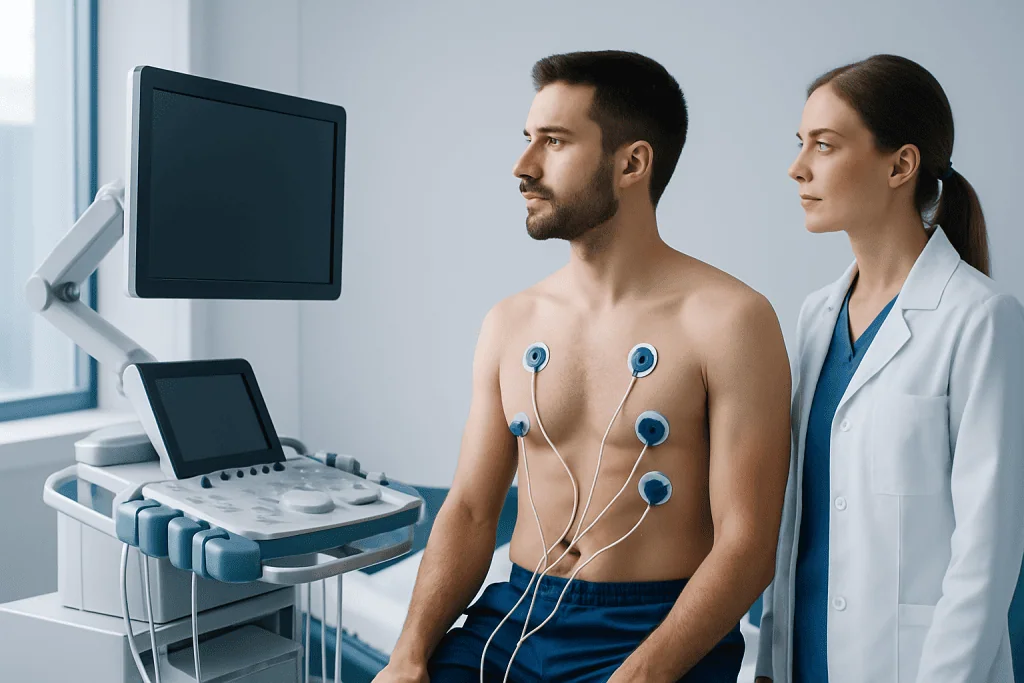
Tests are chosen based on symptoms rather than ordered automatically for everyone. They may include an electrocardiogram to check heart rhythm, blood tests for electrolytes or blood sugar, and sometimes heart monitoring if palpitations are ongoing. In people with repeated symptoms, evaluation may overlap with assessment for panic attacks or sleep problems. If the main concern is rhythm disturbance, the doctor may recommend an ECG test or other follow-up studies.
Treatment and what usually helps
Most mild reactions improve with time and supportive care. Stopping further caffeine, drinking water, resting in a calm environment, and eating a light meal may help if symptoms are related to stimulant intake on an empty stomach. Sleep is often the most effective reset when symptoms are limited to jitters or a poor night’s rest.
Treatment depends on the symptoms present. A doctor may simply advise avoiding more caffeine that day and reducing future intake. If blood pressure is very high, palpitations are persistent, or dehydration is present, care may involve monitoring, fluids, and treatment directed at the specific problem. Any chest pain, fainting, or ongoing fast or irregular heartbeat needs prompt medical assessment rather than home management.
When energy drinks are being used to cope with chronic fatigue, poor sleep, or concentration problems, the longer-term solution is usually to address the underlying cause. That may mean evaluating sleep quality, anemia, thyroid issues, mood symptoms, or an unhealthy schedule. In some cases, broader internal medicine review or check-up and diagnostic tests can be useful if fatigue is persistent and unexplained.
Safer use, prevention, and self-care
People who choose to drink Red Bull can reduce risk by paying attention to quantity, timing, and total daily caffeine from all sources. Reading the label, avoiding multiple caffeinated products together, and not using energy drinks close to bedtime are practical ways to lower the chance of side effects. It also helps to avoid drinking them rapidly or on an empty stomach.
Red Bull should not be mixed with alcohol as a way to “balance out” tiredness. The stimulant effect can make a person feel less sedated without reducing alcohol-related impairment. This can lead to poor judgment and a higher chance of overdrinking.
Healthier ways to improve energy usually work better over time. These include regular sleep, balanced meals, hydration, movement during the day, and treatment of any underlying health issue. For international patients who need assessment of persistent palpitations, blood pressure concerns, or unexplained fatigue, Acibadem International’s multidisciplinary specialists in JCI-accredited hospitals can provide diagnosis and treatment planning.
When to seek medical care
Most people do not need urgent care after one energy drink, especially if symptoms are mild and improving. Brief jitters or one restless night often settle on their own. Still, medical advice is sensible if symptoms are new, stronger than expected, or keep recurring after caffeine.
A person should seek prompt medical care for chest pain, fainting, severe shortness of breath, confusion, seizures, severe vomiting, or a fast or irregular heartbeat that does not settle. Help is also important after very high intake, accidental use by a child, or use together with alcohol, stimulant drugs, or workout supplements. Pregnant people and anyone with known heart disease should have a lower threshold for asking for advice.
Non-urgent review is worthwhile when Red Bull seems to trigger repeated palpitations, headaches, panic-like symptoms, sleep problems, or blood pressure spikes. In those cases, a doctor can help decide whether the issue is simple caffeine sensitivity or whether another condition should be investigated.
Frequently asked questions
Is Red Bull bad for you if you drink it once in a while?
Usually not. For most healthy adults, occasional use is tolerated without serious problems, although some people may still feel jittery, anxious, or have trouble sleeping. The main concerns are larger amounts, frequent use, or having a condition that makes stimulant effects more risky.
Can Red Bull cause heart palpitations?
Yes, it can, especially in people who are sensitive to caffeine or who consume a large amount quickly. Palpitations are often brief, but persistent, severe, or repeated episodes should be discussed with a doctor. Chest pain, fainting, or shortness of breath need urgent medical attention.
Is sugar-free Red Bull safer than regular Red Bull?
Sugar-free versions remove the sugar-related calorie and blood sugar effects, but they still contain caffeine and can still cause stimulant-related symptoms. That means jitters, insomnia, and palpitations may still occur. Whether it is "safer" depends on the person's health profile and what risk is being considered.
Who should avoid Red Bull or other energy drinks?
Children, adolescents, pregnant people, and those with heart rhythm problems, high blood pressure, anxiety disorders, or significant sleep problems should be especially cautious or avoid them. People taking stimulant medicines or certain cold remedies should also be careful. A clinician can advise based on personal medical history.
Can Red Bull raise blood pressure?
It can cause a temporary increase in blood pressure in some people. This effect is usually short-lived in healthy adults, but it may matter more in people with hypertension or cardiovascular disease. Repeated symptoms or elevated readings should be reviewed by a doctor.
Is it dangerous to mix Red Bull with alcohol?
It can be. The caffeine may make someone feel more alert without reducing alcohol's effects on coordination, judgment, or reaction time. This combination may increase the risk of overdrinking and missing warning signs of intoxication.
References
- U.S. Food and Drug Administration
- Centers for Disease Control and Prevention
- American Heart Association
- National Institutes of Health
- European Food Safety Authority
This article is for general information only and is not a substitute for professional medical advice. Please consult a qualified doctor about your individual situation.
Explore treatments in Turkey — costs, top hospitals & a free quote
JCI-accredited · board-certified surgeons · reply within 24h
Add us as a Preferred Source to see more of our trusted health content across Google Search, AI Overviews and Discover.
Check your numbers in seconds
BMI, calories, due date, blood pressure and 30+ more clinical calculators — free, instant, doctor-reviewed ranges.