Is Shingles Airborne? Here Is What the Evidence Says

Shingles usually does not spread through the air in the way highly airborne infections do. The virus can spread by direct contact with fluid from shingles blisters until the rash crusts over.
Key Takeaways
- Shingles usually does not spread through the air in the way highly airborne infections do.
- The virus can spread by direct contact with fluid from shingles blisters until the rash crusts over.
- A person exposed to shingles does not get shingles directly; they may develop chickenpox if they have never had it or are not vaccinated.
- Covering the rash, avoiding scratching, and good hand hygiene reduce the chance of transmission.
- Medical review is important if the rash affects the face or eyes, causes severe pain, or occurs in pregnancy or weakened immunity.
In most everyday situations, shingles is not considered airborne. It usually spreads only through direct contact with fluid from active blisters, which can cause chickenpox in someone who is not immune.
Overview: Is shingles airborne?
For most people, the reassuring short answer is no: shingles is usually not airborne in everyday contact. It does not typically spread through coughing, breathing the same room air, or casual passing contact in the way illnesses such as measles or chickenpox can.
Shingles happens when the varicella-zoster virus, the same virus that causes chickenpox, becomes active again later in life. The virus is mainly present in the fluid inside shingles blisters. Because of that, transmission most often happens when another person touches the rash or items contaminated with fresh blister fluid.
There is one important nuance. In healthcare guidance, airborne and contact precautions may sometimes be used for people with widespread shingles or for those with significantly weakened immune systems. That is because virus particles can be more difficult to contain in those settings. Even then, this is different from saying that routine, localized shingles is commonly airborne in normal daily life.
Another useful distinction is that exposure to shingles does not give another person shingles directly. Instead, a non-immune person may develop chickenpox after contact with the blister fluid. For a broader overview of the condition itself, readers may find more information about shingles helpful.
How shingles spreads and when it is contagious
Shingles is contagious only while the rash has active blisters. During this stage, the fluid inside the blisters contains live varicella-zoster virus. Once the lesions dry out and crust over, the risk of spreading the virus drops significantly.
The usual route of transmission is direct skin contact with the rash. Less commonly, the virus may spread through touching dressings, clothing, or bedding that has fresh blister fluid on it, especially if hand hygiene is poor. Casual social contact such as talking, hugging without contacting the rash, or being in the same room is far less likely to spread the virus when the rash is covered.
People who are most at risk after exposure are those who have never had chickenpox, have not been vaccinated against varicella, newborns, pregnant people without immunity, and people with weakened immune systems. In these groups, chickenpox can be more serious and deserves prompt medical advice after a meaningful exposure.
If the rash is limited to one area and remains covered, everyday transmission risk is often low. This is why home care instructions usually focus on keeping the rash clean, dry, and covered, and on avoiding direct contact until crusting has occurred.
Symptoms that matter and common misunderstandings
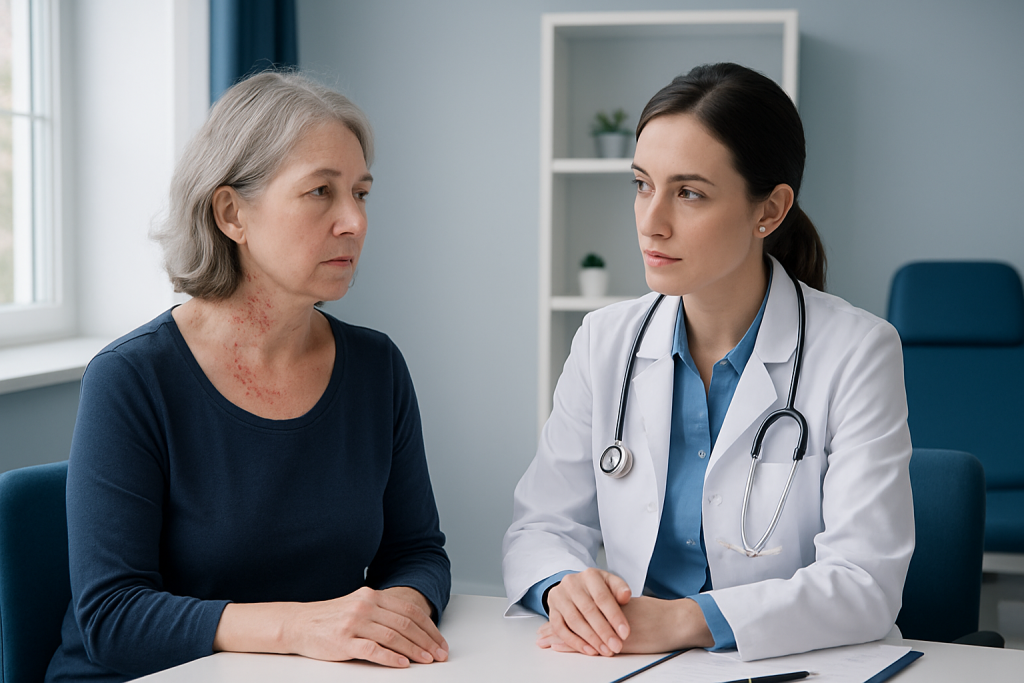
Shingles often begins with burning, tingling, itching, or pain on one side of the body or face. A few days later, a band or patch of red skin and grouped fluid-filled blisters may appear. Many people also feel tired or generally unwell, and some have a mild fever.
A common misunderstanding is that any shingles rash means a person is dangerous to everyone around them through the air. In reality, the main concern is contact with the open blisters. Another misunderstanding is that if the rash is painful, it must be very infectious. Pain says more about nerve irritation than about how easily the virus spreads.
The location of the rash matters medically even when transmission risk is low. Rash near the eye, inside the ear, or across the face needs prompt attention because shingles can sometimes affect vision, hearing, or facial nerves. Severe or persistent pain can also continue after the skin heals, a complication known as postherpetic neuralgia.
Doctors may also need to distinguish shingles from other causes of rash and pain, including herpes infections or skin inflammation. The pattern of one-sided pain with clustered blisters is often a key clue, but not every case looks typical.
Who is more likely to get shingles or spread concern after exposure?
Anyone who has had chickenpox can develop shingles later because the virus remains inactive in nerve tissue after the original infection. The risk becomes higher with increasing age and with conditions or medicines that weaken immune defenses. Physical stress, illness, or cancer treatment may also play a role in some people.
People with weakened immunity are also the group in whom shingles can behave differently. The rash may be more extensive, heal more slowly, or involve more than one area of the body. In these situations, doctors may use additional infection-control precautions because the clinical picture is less straightforward than in a small, localized rash.
After exposure, not everyone has the same risk. A healthy adult who has had chickenpox or has been vaccinated is generally well protected. By contrast, someone who is pregnant and uncertain of immunity, a newborn infant, or a person receiving chemotherapy should speak with a clinician after significant contact with active shingles lesions.
It can help to think of shingles risk in two separate ways: the chance of developing shingles in a person who already carries the virus, and the chance of transmitting varicella-zoster to someone else through active blisters. These are related but not the same issue.
How doctors diagnose shingles and assess contagion risk
In many cases, doctors diagnose shingles by examining the rash and asking about symptoms such as one-sided burning pain or tingling before the blisters appeared. The shape and distribution of the rash often follow a nerve pathway, which makes the diagnosis more likely.
If the appearance is unusual, if the person has a weak immune system, or if facial or eye involvement is suspected, a doctor may do additional testing. This can include swabbing a blister for laboratory testing to confirm varicella-zoster virus. Eye symptoms may require an urgent eye examination, and severe ear or facial symptoms may need specialist review.
Part of the assessment is not only confirming shingles but also estimating how likely transmission is. Doctors will ask whether the rash is localized or widespread, whether the blisters are still open, whether the area can be covered, and whether there has been close contact with vulnerable people.
If specialist care is needed, management may involve dermatology evaluation and, in selected cases, infectious diseases assessment. These decisions depend on symptoms, general health, and the possibility of complications rather than on fear alone.
Treatment options and practical steps to avoid spreading it
Treatment often includes antiviral medicine started as early as possible, ideally soon after the rash appears. Antiviral treatment can help shorten the illness and reduce the chance of complications in some patients. Doctors may also recommend pain relief and skin care measures to improve comfort while the rash heals.
Simple precautions usually make a meaningful difference. Keeping the rash covered, avoiding touching or scratching the blisters, washing hands often, and not sharing towels or clothing during the blister phase all help lower transmission risk. Swimming pools, contact sports, and close skin-to-skin activities are best avoided until crusting occurs.
Work and social decisions depend on the rash and the setting. A person with localized shingles that can be fully covered may often continue some normal activities, but healthcare workers, caregivers, and anyone around high-risk individuals should follow professional advice. If the rash cannot be covered or is widespread, staying away from vulnerable contacts is especially important.
People with severe pain, facial involvement, or concern about complications may need coordinated care such as pain management or specialist review. Near the end of the care pathway, Acibadem International’s multidisciplinary specialists in JCI-accredited hospitals diagnose and treat shingles and related complications for international patients.
Prevention and self-care
Vaccination is one of the most effective ways to reduce the risk of shingles and its complications in eligible adults. A doctor can advise who should receive a shingles vaccine based on age, medical history, and immune status. Vaccination is a prevention strategy for the person at risk of shingles, not a treatment for an active outbreak.
At home, self-care focuses on comfort and skin protection. Loose clothing, gentle cleansing, and cool compresses may soothe the area. It is best to avoid home remedies that irritate the skin, break blisters, or apply unproven substances directly to the rash.
Rest and hydration can help overall recovery, but self-care should not replace medical assessment when symptoms are severe or unusual. If pain is worsening, the rash is spreading quickly, or blisters are close to the eye, prompt review is more important than trying additional home measures.
Prevention also means protecting others during the contagious period. Covering lesions and limiting contact with people who are pregnant, unvaccinated, newborn, or immunocompromised is a practical and considerate step until the rash has crusted over.
When to seek medical care
Many cases of shingles are manageable and recover without serious problems, especially when the rash is small and appears on the trunk. Still, some situations deserve prompt medical attention because early treatment can improve comfort and help prevent complications.
Medical review is important if the rash involves the face, forehead, nose, eye area, or ear; if there is severe pain, fever, confusion, weakness, or a rapidly spreading rash; or if the person is pregnant or has a weakened immune system. It is also wise to seek care if the diagnosis is uncertain, because several skin conditions can look similar in the early stages.
A doctor will usually ask when symptoms started, whether the rash is still blistering, and whether there has been contact with high-risk individuals. They may examine the skin, check for eye or nerve involvement, and decide whether antiviral treatment should begin. If vision changes or significant eye pain are present, urgent ophthalmology care may be needed.
Anyone exposed to shingles who is pregnant, immunocompromised, or unsure about prior chickenpox or varicella vaccination should also contact a healthcare professional for individualized advice. This is especially relevant if contact involved direct exposure to active blister fluid.
Frequently asked questions
Can someone catch shingles by being in the same room?
Usually no, especially if the shingles rash is localized and covered. The main risk comes from direct contact with fluid from open blisters, not ordinary room air in most daily situations.
If shingles spreads to another person, do they get shingles or chickenpox?
They can develop chickenpox, not shingles, if they are not immune to varicella-zoster virus. Shingles itself is a reactivation of a virus already in the body after a previous chickenpox infection.
When is shingles no longer contagious?
Shingles is much less likely to spread once all blisters have dried and crusted over. Until then, the rash should be covered when possible and direct contact with the lesions should be avoided.
Should a person with shingles stay away from children or pregnant people?
They should avoid direct contact with anyone who is not immune, especially newborns, pregnant people without known immunity, and people with weakened immune systems. This is most important while blisters are open and leaking fluid.
Can shingles spread through clothing, towels, or bedding?
It is less common than direct skin contact, but items contaminated with fresh blister fluid may contribute to spread. Washing hands, not sharing personal items, and changing dressings carefully help reduce this risk.
Does covering the rash make it safe to go out in public?
Covering the rash lowers the chance of spreading the virus and is often part of standard advice. Whether it is appropriate to work, travel, or attend public places depends on the extent of the rash, the ability to keep it covered, and contact with vulnerable people.
This article is for general information only and is not a substitute for professional medical advice. Please consult a qualified doctor about your individual situation.
Shingles in Turkey — costs, top hospitals & a free quote
JCI-accredited · board-certified surgeons · reply within 24h
Add us as a Preferred Source to see more of our trusted health content across Google Search, AI Overviews and Discover.

More from the Health Library

How to Stop an Earache Fast? Causes, Explanations, and Next Steps

How to Lift Weights? Here Is What the Evidence Says

Knee Pain: Common Causes, Related Conditions, and When to See a Doctor

Is Tomato Juice Good for You? A Doctor-Reviewed Answer

Cough Variant Asthma Explained: Common Triggers and Red Flags