How to Lift Weights? Here Is What the Evidence Says
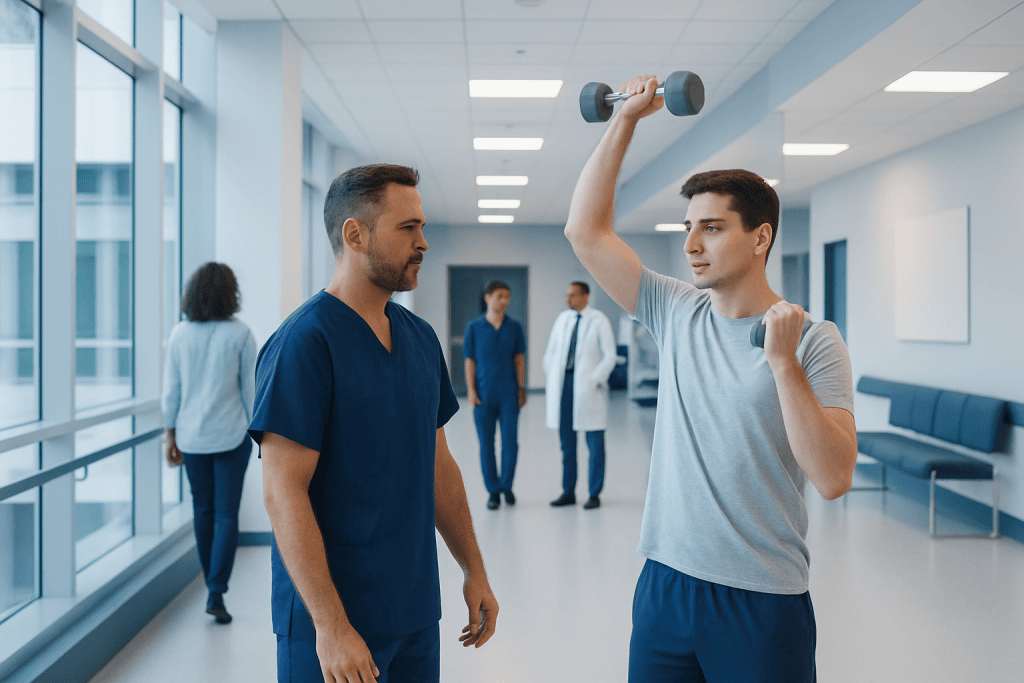
Start with a weight that allows controlled, pain-free movement and good technique. Focus on breathing, posture, and full-body alignment rather than lifting heavier too soon.
Key Takeaways
- Start with a weight that allows controlled, pain-free movement and good technique.
- Focus on breathing, posture, and full-body alignment rather than lifting heavier too soon.
- Progress gradually by adding weight, repetitions, or sets over time rather than all at once.
- Mild muscle soreness can be normal, but sharp pain, swelling, weakness, or persistent symptoms should be assessed by a doctor.
- A balanced program includes warm-up, rest days, and exercises for all major muscle groups.
How to lift weights safely usually comes down to a few evidence-based basics: learn good form, begin with manageable loads, move in a controlled way, and increase difficulty gradually. For most healthy adults, weight training is a safe and effective way to build strength, support joint health, and improve overall fitness when done with sensible technique and recovery.
Overview: What the Evidence Says About Lifting Weights
How to lift weights safely can be answered simply: use correct form, choose a manageable load, move with control, and progress gradually over time. For most people, resistance training is not harmful when practiced thoughtfully. In fact, it is widely recommended to improve strength, bone health, balance, metabolic health, and day-to-day function.
Many concerns about weight training come from doing too much too soon, copying advanced routines, or ignoring pain signals. Mild muscle fatigue and some delayed soreness after a new workout can be normal. Sharp pain, sudden weakness, joint instability, numbness, or swelling are not typical training effects and deserve attention.
Evidence-based strength training does not require extreme effort or complicated routines. Beginners often do well with basic movements, moderate weights, and consistent practice. The goal is not to lift as heavy as possible at the start, but to build a strong foundation that can be repeated safely.
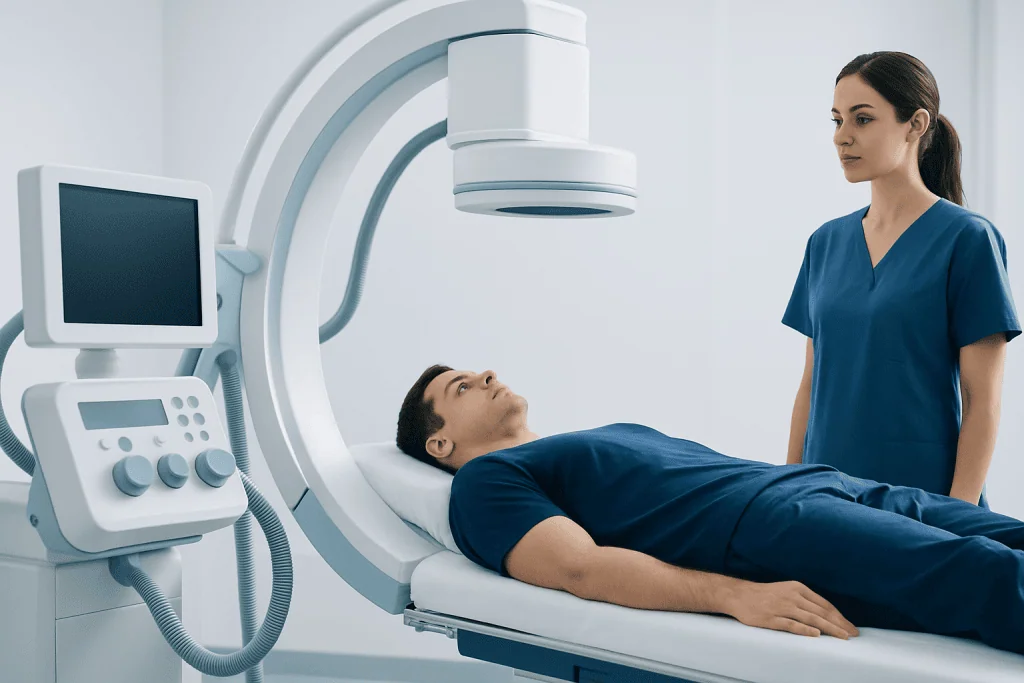
If symptoms or injuries develop, a doctor may review training habits, examine painful joints or muscles, and assess movement patterns. Depending on the concern, diagnosis may involve physical examination and sometimes imaging or specialist assessment, especially if there is suspected tendon, ligament, joint, or spine injury.
How to Lift Weights: Core Technique Principles
Good lifting technique begins before the weight moves. A person should set their stance, brace the trunk gently, and keep the movement controlled from start to finish. In practical terms, this means keeping the body aligned, avoiding sudden jerking, and moving through a range of motion that feels stable and pain-free.
Breathing also matters. A common approach is to inhale during the easier phase of the movement and exhale during the effort phase, while keeping the trunk supported. Holding the breath too long can raise internal pressure and may not be appropriate for some people, especially those with certain cardiovascular conditions.
For beginners, simple compound movements are often the easiest place to start. These may include squats to a chair, hip hinges, rows, chest presses, overhead presses, and assisted lunges. Machines can help guide movement, while free weights can improve coordination and balance once basic control is established.
- Keep the spine in a comfortable, neutral position rather than excessively rounded or overarched.
- Use slow, deliberate repetitions instead of momentum.
- Stop a set if form breaks down.
- Choose a range of motion that is controlled and comfortable.
- Prioritize quality of movement over the amount of weight lifted.
Choosing the Right Weight and Starting a Program

A suitable starting weight is one that allows the planned number of repetitions with good form while still feeling challenging near the end of the set. If the last few repetitions can be completed with control and without compensating, the load is often appropriate. If technique fails early, the weight is likely too heavy.
For many beginners, training two or three times per week is enough to build strength. Sessions do not need to be long. A program that covers the major muscle groups with a few well-chosen exercises can be very effective, especially when repeated consistently over weeks and months.
Progressive overload is the principle that the body adapts when training demands slowly increase. This can be done by adding a small amount of weight, performing more repetitions, adding another set, or improving control and range of motion. Progress does not have to happen every session to be meaningful.
Rest is part of training, not a sign of weakness. Muscles and connective tissues adapt between workouts, so recovery days, sleep, and overall nutrition play an important role in results and injury prevention.
Warm-Up, Recovery, and Common Mistakes
A short warm-up can make lifting feel smoother and safer. This usually includes a few minutes of light aerobic activity followed by movement-specific preparation, such as bodyweight squats, shoulder circles, or practice sets with little or no load. Warm-up is not meant to exhaust the body; it prepares joints, muscles, and the nervous system for the work ahead.
One common mistake is increasing weight too quickly. Others include skipping technique practice, training through joint pain, copying advanced routines from social media, and neglecting rest days. Another frequent issue is focusing on one body part too heavily while ignoring balance across the rest of the body.
Recovery habits can influence both performance and comfort. Regular sleep, hydration, and adequate nutrition help tissues repair after training. Gentle movement on rest days may also help reduce stiffness. Persistent pain is not something a person should simply push through.
If pain appears around the knee, shoulder, back, or another joint, the issue may relate to overload, poor mechanics, or an underlying condition. Some people may need evaluation for bone, tendon, or joint problems such as osteoarthritis if symptoms are ongoing or related to pre-existing joint changes.
Common Symptoms, Injuries, and Risk Factors
Weight training can lead to temporary muscle soreness, especially after a new or harder session. This soreness usually appears gradually, peaks within a day or two, and improves on its own. It is different from sudden sharp pain during a lift, which may signal a strain, tendon irritation, or other injury.
Common lifting-related problems include muscle strains, tendon overuse, shoulder irritation, lower back pain, and knee pain. These are more likely when technique is inconsistent, the training load increases too quickly, or recovery is limited. Previous injury, reduced mobility, poor balance, and certain medical conditions can also increase risk.
Some symptoms suggest more than ordinary post-exercise soreness. Red flags include swelling, bruising, a popping sensation, severe weakness, pain that disrupts sleep, numbness, tingling, pain radiating down an arm or leg, or symptoms that do not improve after several days of rest and modification. Back pain with leg symptoms may need assessment for problems such as a herniated disc.
People with osteoporosis, significant arthritis, uncontrolled high blood pressure, recent surgery, or known heart disease may need individualized advice before starting a lifting program. In these cases, supervised exercise planning can help balance safety with the proven benefits of resistance training.
How Doctors Assess Weight-Lifting Pain or Injury
If someone seeks medical care after pain related to lifting, the doctor usually begins with a detailed history. They may ask when symptoms started, which movement triggered them, whether there was a sudden injury, and what makes the pain better or worse. Information about training volume, form changes, previous injuries, and general health can help narrow the cause.
A physical examination often follows. This may include checking posture, range of motion, tenderness, swelling, strength, nerve function, joint stability, and how certain movements reproduce symptoms. In many straightforward cases, examination and history are enough to guide initial treatment.
Imaging is not always needed, but it may be helpful when a fracture, significant tendon tear, ligament injury, disc problem, or structural joint issue is suspected. Depending on the symptoms, a doctor may recommend MRI, X-ray, or other tests. Persistent shoulder pain, for example, may sometimes need specialist review if a rotator cuff problem or instability is suspected.
Treatment plans vary according to the diagnosis. Some people improve with activity modification, rehabilitation, and gradual return to exercise. Others may benefit from structured physical therapy and rehabilitation to restore movement, strength, and confidence with lifting technique.
Treatment, Prevention, and Safer Long-Term Progress
When discomfort comes from overuse or minor strain, early management often includes reducing aggravating movements, using relative rest rather than complete inactivity, and gradually reintroducing exercise as pain allows. The exact approach depends on the body area involved and the severity of symptoms. A clinician can advise when to modify training and when to stop altogether.
Prevention starts with a realistic program. A balanced routine should train all major muscle groups, include days for recovery, and allow enough time to learn movement skills. It also helps to alternate more demanding sessions with lighter work and avoid testing maximum strength too often, especially for beginners.
Technique coaching can be especially useful for exercises such as deadlifts, squats, and overhead presses. Footwear, equipment setup, and bench or machine position may also matter. People returning after injury may benefit from gradual rebuilding under supervision, sometimes with support from orthopedics and traumatology specialists when joint or soft tissue injuries are involved.
Near the end of the care journey, some patients choose assessment in a multidisciplinary center. Acibadem International’s specialists and JCI-accredited hospitals diagnose and treat musculoskeletal and sports-related problems for international patients when further evaluation is needed.
When to Seek Medical Care
Most minor soreness after lifting weights settles with time, rest, and thoughtful training adjustments. Medical care is more important when symptoms are severe, sudden, or persistent. Seeking advice early can help prevent a small problem from becoming a longer interruption to exercise.
A person should consider prompt medical review if they have severe pain, marked swelling, visible deformity, inability to bear weight or use a limb, a popping sensation at the time of injury, chest pain, shortness of breath, or fainting during exercise. Numbness, tingling, weakness, or loss of bowel or bladder control are urgent symptoms and should not be ignored.
It is also reasonable to seek care if pain lasts more than a few days despite reducing training, if it repeatedly returns with the same movement, or if it limits sleep, work, or daily activities. Pain in the shoulder, knee, hip, or back that does not improve may need diagnosis rather than self-treatment alone.
With the right evaluation and guidance, many people can return to weight training safely. The aim is usually not to stop lifting forever, but to identify the cause, support healing, and rebuild a program that is effective and sustainable.
Frequently asked questions
How should a beginner start lifting weights?
A beginner should start with simple exercises, light to moderate loads, and a focus on technique rather than heavy lifting. Training two or three times a week with rest between sessions is often enough to build a good foundation.
What is the best way to know if a weight is too heavy?
A weight is likely too heavy if form breaks down early, the movement becomes jerky, or pain appears during the set. The right load should feel challenging near the end while still allowing controlled, safe repetitions.
Is muscle soreness after lifting weights normal?
Mild to moderate soreness can be normal, especially after a new exercise or a harder session than usual. It should improve over a few days and is different from sharp pain, swelling, or sudden weakness.
Should a person lift weights every day?
Most people do not need to lift weights every day to make progress. Muscles and connective tissues benefit from recovery time, so many programs work well with two to four sessions per week depending on experience and goals.
Is lifting weights bad for the back or knees?
Not necessarily. When technique is appropriate and the load is progressed gradually, weight training can support the muscles that help protect the back and knees. Problems are more likely when lifting is done with poor form, too much weight, or insufficient recovery.
When should someone stop lifting and see a doctor?
A person should stop and seek medical advice if they have severe pain, swelling, a popping injury, weakness, numbness, or symptoms that do not improve with rest and training changes. Urgent care is needed for chest pain, shortness of breath, fainting, or loss of bladder or bowel control.
References
- World Health Organization
- American College of Sports Medicine
- Centers for Disease Control and Prevention
- National Institute of Arthritis and Musculoskeletal and Skin Diseases
- National Strength and Conditioning Association
This article is for general information only and is not a substitute for professional medical advice. Please consult a qualified doctor about your individual situation.
Joint and spine care in Turkey — expert assessment & treatment
JCI-accredited · board-certified surgeons · reply within 24h
Add us as a Preferred Source to see more of our trusted health content across Google Search, AI Overviews and Discover.