Is the Penis a Muscle? A Doctor-Reviewed Answer

The penis is not a true muscle; it contains erectile tissue that fills with blood during an erection. Small smooth muscle cells are present inside penile tissue, but they do not make the penis a muscle organ.
Key Takeaways
- The penis is not a true muscle; it contains erectile tissue that fills with blood during an erection.
- Small smooth muscle cells are present inside penile tissue, but they do not make the penis a muscle organ.
- Most questions about penis shape, firmness, or temporary changes are harmless, but pain, injury, or sudden erectile problems should be assessed.
- Doctors may evaluate symptoms with a physical exam, medical history, blood tests, or imaging when needed.
- Healthy circulation, diabetes control, avoiding smoking, and prompt care for injuries can support penile health.
No, the penis is not a muscle. It is mainly made of erectile tissue, blood vessels, nerves, skin, and connective tissue, and understanding this can help explain how erections happen and when symptoms may need medical attention.
Overview: Is the penis a muscle?
No, the penis is not a muscle. It is primarily made of specialized erectile tissue, blood vessels, nerves, connective tissue, and skin. This is why the penis can become firm during an erection without being a true skeletal muscle like the biceps or calf.
Many people ask this question because the penis changes size and firmness. Those changes happen mainly because blood flow increases into sponge-like erectile chambers, not because a muscle contracts in the way an arm or leg muscle does. Some smooth muscle fibers are present within the penile tissue and blood vessel walls, but that is different from the penis itself being a muscle.
In most cases, simple curiosity about penis anatomy is harmless. It can still be useful to understand what is normal, what erections depend on, and which symptoms suggest a medical issue rather than a normal variation.
What the penis is made of
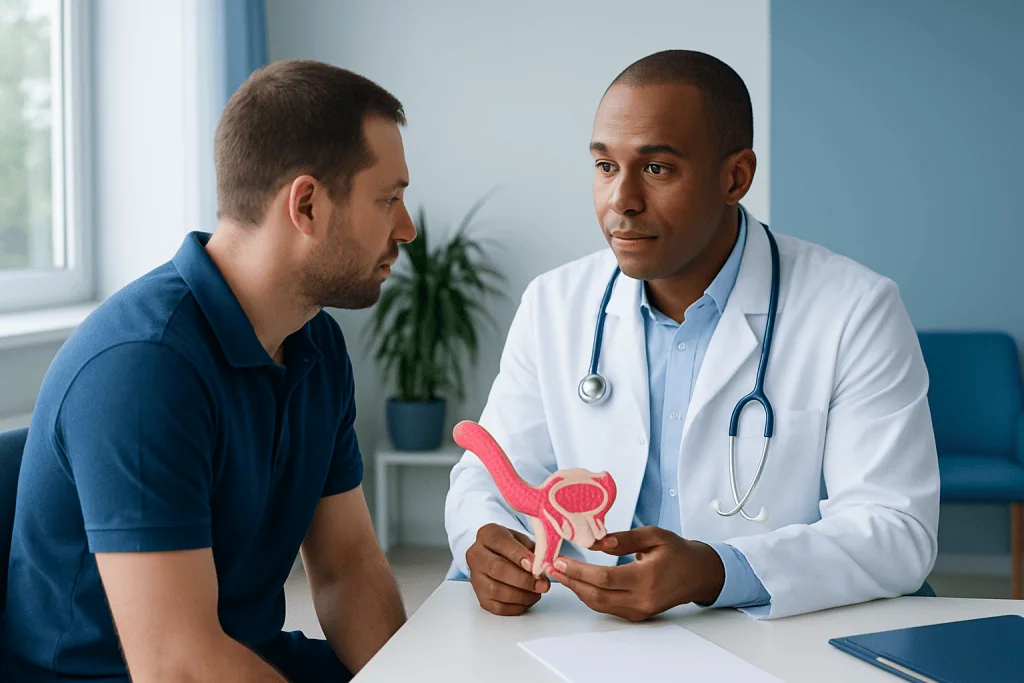
The penis has several important parts that work together. The main internal structures are two columns called the corpora cavernosa and one column called the corpus spongiosum. These are made of erectile tissue, which acts like a network of tiny spaces that can fill with blood.
The corpus spongiosum surrounds the urethra, the tube that carries urine and semen out of the body. The glans, or head of the penis, is the expanded end of this structure. Around these internal tissues are connective tissue layers, skin, blood vessels, and nerves that allow sensation and support normal function.
Smooth muscle cells are found inside the erectile tissue and in vessel walls. These cells help control blood flow by relaxing and tightening, which is part of how erections start and end. However, smooth muscle is not the same as voluntary skeletal muscle, so describing the penis as a muscle is not anatomically correct.
- Erectile tissue stores blood during an erection
- Blood vessels bring blood in and help keep it there temporarily
- Nerves carry signals involved in arousal and sensation
- Connective tissue gives structure and support
- The urethra allows urine and semen to pass through
How erections work
An erection is mainly a blood-flow event controlled by the brain, nerves, hormones, and blood vessels. Sexual thoughts, touch, or other stimulation can trigger nerve signals that cause smooth muscle within the erectile tissue to relax. When that happens, more blood flows into the penis.
As the erectile chambers fill, the penis expands and becomes firmer. Veins that usually drain blood away are compressed, which helps trap blood inside for a period of time. This creates and maintains the erection until the signals change and blood flow returns to its usual pattern.
Because erections depend on several body systems, changes in erection quality do not always mean there is a problem with the penis itself. Circulation problems, stress, fatigue, medication side effects, diabetes, hormonal changes, and nerve conditions can all affect erections. For some men, persistent erectile difficulties may be an early sign of a broader health issue such as erectile dysfunction.
What is normal and what can seem unusual
Pencil questions often come up because the penis can look different from day to day. Size may appear to change with temperature, anxiety, exercise, or arousal. Temporary shrinking in cold weather or after physical activity is usually normal, as are mild differences in shape or a small natural curve.
It is also common for one erection to feel firmer than another depending on sleep, hydration, mood, alcohol use, and overall health. Morning erections can be normal and often reflect healthy nerve and blood vessel function. Mild color variation in the skin can also be normal.
What matters more is whether there has been a clear change from a person’s usual pattern. New pain, significant bending, a palpable lump or plaque, bruising after injury, or ongoing problems getting or keeping an erection deserve medical review. Sometimes these symptoms relate to conditions such as Peyronie’s disease or circulation-related erectile problems.
Causes of penile symptoms and risk factors
Most concerns linked to the question “is the penis a muscle” are really concerns about erection quality, shape, pain, or firmness. These symptoms can have many causes. Some are temporary and reversible, while others need targeted treatment.
Common contributors include stress, anxiety, poor sleep, relationship strain, smoking, heavy alcohol use, obesity, diabetes, high blood pressure, and medication side effects. Blood vessel disease and nerve problems can interfere with the normal erection process. Low testosterone does not cause every sexual symptom, but hormonal factors can sometimes play a role.
Injury is another important consideration. A sudden bend or blunt trauma during sex can damage the tissues of the penis. Inflammation, infection, or scar tissue may also lead to pain or shape changes. When symptoms are ongoing, doctors may assess for urologic conditions and, if needed, discuss treatments ranging from medication to penile prosthesis treatment in selected cases of severe erectile dysfunction.
How doctors diagnose penile concerns
If someone seeks care for a penile symptom, the evaluation usually starts with a medical history and physical examination. The doctor may ask when the symptom began, whether erections are affected, whether there was an injury, and whether there are other health conditions such as diabetes or cardiovascular disease. This first step often provides the most useful clues.
The physical exam may assess the skin, the shaft, the glans, the presence of tenderness, and whether there is a curve, scar tissue, or swelling. Doctors may also ask about urinary symptoms, ejaculation, or pelvic pain. Depending on the concern, they may examine the testicles and surrounding area as well.
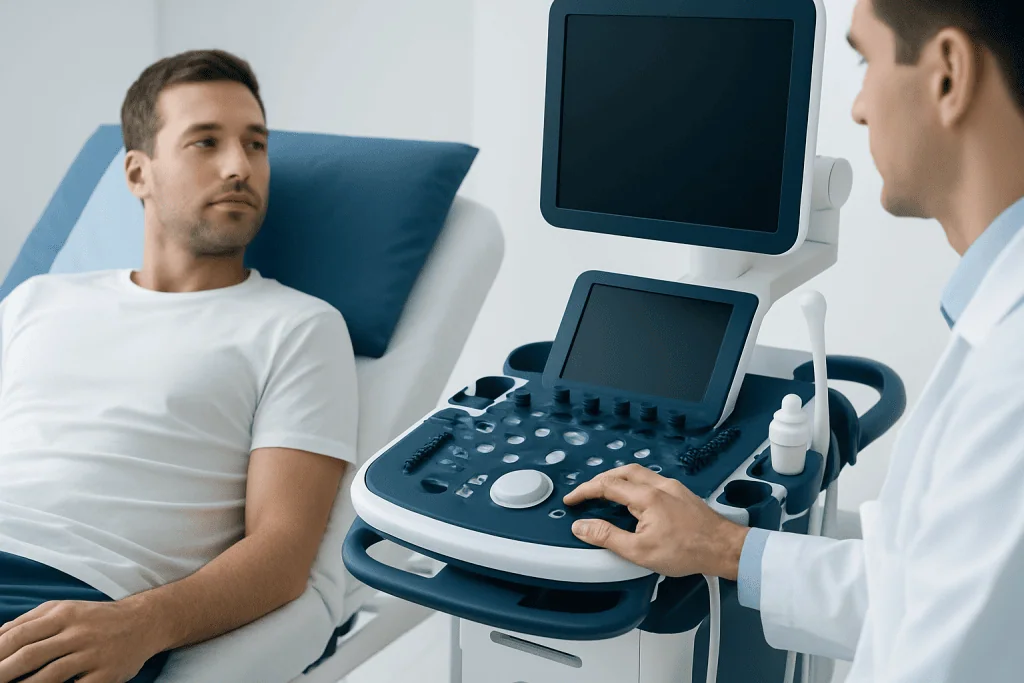
Further testing is not always necessary, but it can help in persistent or complex cases. Blood tests may check blood sugar, cholesterol, testosterone, or other hormone levels. Ultrasound can evaluate blood flow or structural changes, especially after injury or when erection problems are unexplained. If symptoms involve fertility concerns or associated conditions, doctors may consider broader assessment and discuss options such as male infertility treatment when appropriate.
Treatment options and self-care
Treatment depends on the cause. If symptoms are linked to temporary stress, poor sleep, alcohol, or medication effects, addressing those factors may improve function. Doctors may recommend lifestyle changes, medication review, better control of diabetes or blood pressure, or targeted treatment for erectile dysfunction or penile curvature.
For erection problems, care may include oral medications, counseling when stress or performance anxiety is a major factor, vacuum devices, injections, or other therapies. Structural problems such as severe curvature or scarring may need specialist treatment. Some patients benefit from dedicated erectile dysfunction treatment after a full urologic evaluation.
General self-care focuses on protecting blood vessel health and avoiding injury. Helpful steps include not smoking, limiting excess alcohol, staying physically active, managing chronic conditions, and seeking prompt care for painful trauma. It is also wise to avoid unregulated products that claim to enlarge the penis or improve erections, as these may be ineffective or unsafe.
Near the end of the care pathway, some patients may need coordinated specialist support. Acibadem International’s multidisciplinary specialists and JCI-accredited hospitals diagnose and treat urologic conditions for international patients when further evaluation is needed.
When to seek medical care
Most anatomy questions are not a sign of disease, and many mild erection changes are temporary. Still, medical review is a good idea if symptoms are persistent, worsening, or different from a person’s usual pattern. Reassurance and a clear diagnosis can often be helpful even when the cause is not serious.
A doctor should be consulted promptly for penile pain, swelling, redness, discharge, a new lump, marked curvature, or difficulty urinating. Sudden loss of erections, persistent erectile dysfunction, or pain during sex also deserve evaluation. Any injury followed by a popping sensation, immediate bruising, or rapid swelling needs urgent medical attention because it may represent tissue damage.
Emergency care is important for an erection that lasts longer than four hours, severe bleeding, or major trauma. Early treatment can protect function and reduce the risk of complications. When in doubt, it is safest to speak with a qualified healthcare professional, especially if there are underlying conditions such as diabetes, heart disease, or recent pelvic surgery.
Frequently asked questions
If the penis is not a muscle, why can it become hard?
The penis becomes hard mainly because erectile tissue fills with blood. Nerve signals cause smooth muscle within the tissue and blood vessels to relax, allowing blood to flow in and be temporarily trapped.
Are there any muscles in the penis at all?
There are smooth muscle cells within the erectile tissue and in the walls of blood vessels. These help regulate blood flow, but they do not make the penis a true muscle organ like a skeletal muscle.
Can exercise make the penis bigger like a muscle?
No, the penis does not enlarge through strength training the way skeletal muscles do. General exercise can improve circulation and overall sexual health, but it does not turn the penis into a muscle or reliably increase its size.
Is a curved penis normal?
A mild natural curve can be normal and may not cause any problems. A new or worsening bend, especially with pain or difficulty during sex, should be assessed by a doctor.
When should erectile problems be checked by a doctor?
Occasional erection difficulties are common and can happen with stress, tiredness, or alcohol use. If the problem is persistent, causes distress, or happens along with pain, curvature, or other symptoms, medical evaluation is recommended.
Can penis symptoms be related to other health conditions?
Yes. Erection changes can sometimes be linked to diabetes, high blood pressure, vascular disease, hormonal changes, or nerve problems. That is one reason doctors often look at overall health, not only the penis itself.
References
- American Urological Association
- National Institute of Diabetes and Digestive and Kidney Diseases
- Cleveland Clinic
- Mayo Clinic
- Urology Care Foundation
This article is for general information only and is not a substitute for professional medical advice. Please consult a qualified doctor about your individual situation.
Explore treatments in Turkey — costs, top hospitals & a free quote
JCI-accredited · board-certified surgeons · reply within 24h
Add us as a Preferred Source to see more of our trusted health content across Google Search, AI Overviews and Discover.