Ischemic Bowel Treatment: How It Works, Results and What to Expect

Sudden bowel ischemia is a medical emergency because intestinal tissue can be injured rapidly when blood flow is severely reduced. Treatment may involve fluids, antibiotics, blood-thinning medicines, catheter-based procedures or surgery, depending on the cause.
Key Takeaways
- Sudden bowel ischemia is a medical emergency because intestinal tissue can be injured rapidly when blood flow is severely reduced.
- Treatment may involve fluids, antibiotics, blood-thinning medicines, catheter-based procedures or surgery, depending on the cause.
- Some people recover fully when blood flow is restored before irreversible bowel injury occurs; others may need removal of damaged bowel.
- Long-term management focuses on controlling vascular risk factors and treating heart rhythm disorders or blood vessel disease when present.
- Severe or worsening abdominal pain, especially pain out of proportion to examination findings, needs urgent medical assessment.
Ischemic bowel treatment aims to restore blood supply to the intestine quickly, prevent further tissue injury and address complications such as infection or bowel damage. The right approach depends on whether reduced blood flow is sudden or long-standing, its cause and the condition of the bowel.
Ischemic Bowel Treatment: How It Works
Ischemic bowel treatment works by improving blood flow to the intestine, supporting the body during acute illness and treating any bowel tissue that has become severely damaged. It may include intravenous fluids, medicines, an endovascular procedure to open a narrowed or blocked artery, or surgery. The urgency and type of care depend on whether the blood-flow problem is acute, developing over hours to days, or chronic, developing gradually over time.
The bowel needs a continuous supply of oxygen-rich blood. When an artery or vein supplying the intestine becomes blocked, narrowed or affected by very low blood flow, the bowel can become inflamed and injured. In severe cases, tissue can die, a condition called infarction, which may lead to perforation, infection in the abdomen and sepsis if not treated promptly.
Care is usually coordinated by emergency physicians, gastroenterologists, vascular or interventional specialists, general surgeons, radiologists and intensive-care teams as needed. The immediate goal is to identify the cause, assess whether the bowel remains viable and act quickly to preserve as much healthy intestine as possible.
Types of Bowel Ischemia and Who May Need Treatment
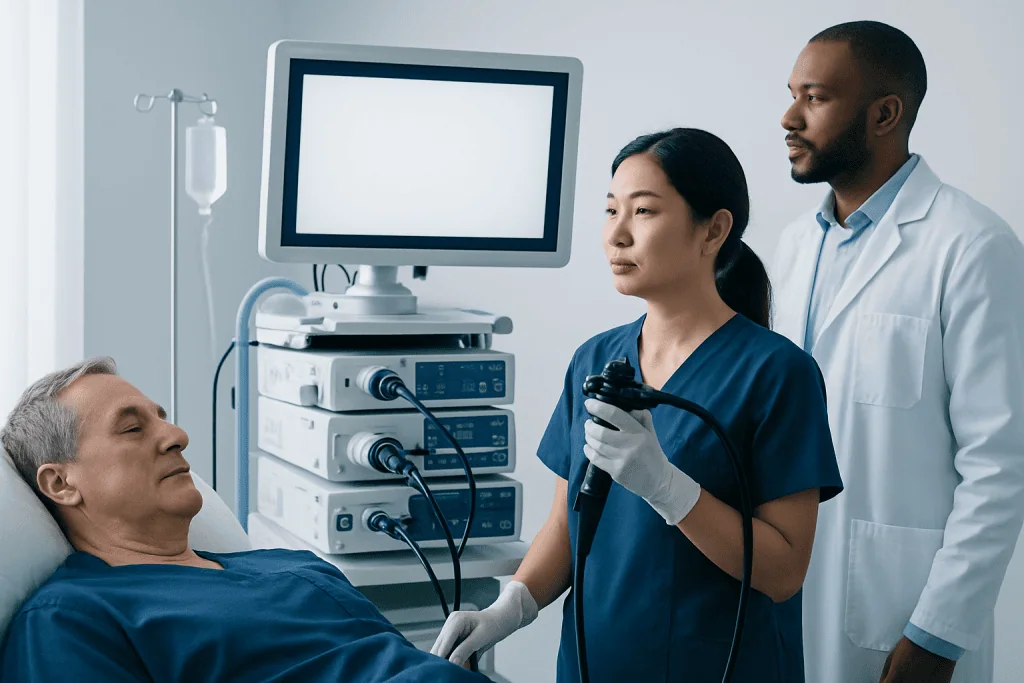
Bowel ischemia, also called intestinal or mesenteric ischemia, may affect the small intestine, large intestine (colon), or both. Acute mesenteric ischemia often results from a blood clot that travels from the heart, a clot forming in a narrowed mesenteric artery, or a major drop in blood flow during severe illness. Mesenteric venous thrombosis occurs when a clot affects veins draining the intestine. These forms need urgent evaluation.
Chronic mesenteric ischemia usually develops when atherosclerosis gradually narrows the arteries that supply the bowel. It can cause repeated pain after eating, early fullness, avoidance of food and unintentional weight loss. Ischemic colitis, a reduced blood supply to part of the colon, is often less extensive but can still require hospital assessment, particularly when symptoms are severe.
People may be more likely to develop bowel ischemia if they have atrial fibrillation, peripheral artery disease, coronary artery disease, prior blood clots, heart failure, diabetes, smoking exposure, high cholesterol, low blood pressure during serious illness or recent major surgery. A clinician considers symptoms, medical history, medicines and imaging findings when deciding which treatment is appropriate.
- Acute arterial ischemia often needs immediate restoration of arterial blood flow.
- Venous thrombosis may be treated primarily with anticoagulant medicines when there is no evidence of bowel death or perforation.
- Chronic arterial narrowing may be treated with planned revascularization when symptoms are significant.
- Ischemic colitis is often managed with bowel rest and supportive care, but severe disease may require surgery.
How Ischemic Bowel Treatment Is Planned and Performed

Assessment begins with a physical examination, blood tests and imaging. CT angiography is commonly used because it can show the blood vessels, bowel wall and possible complications. Depending on the situation, doctors may also use colonoscopy for suspected ischemic colitis, ultrasound or catheter angiography. These tests help distinguish ischemia from other causes of abdominal pain and guide the treatment plan.
For acute illness, treatment commonly starts immediately with intravenous fluids, pain relief, correction of electrolyte problems and close monitoring. Broad-spectrum antibiotics may be used when bowel injury, infection or surgery is suspected. If a clot is likely to be contributing, anticoagulant treatment may be considered unless there is a reason it would be unsafe.
When an arterial blockage or severe narrowing is found, a specialist may perform angioplasty and stenting through a catheter placed in an artery, often in the groin or wrist. Imaging guides the catheter to the affected vessel; a balloon may widen the narrowed segment and a stent may help keep it open. In selected acute cases, clot-removing or clot-dissolving techniques may also be considered by an experienced team.
Surgery is necessary when there are signs of dead bowel, perforation, peritonitis, uncontrolled infection or a problem that cannot be treated adequately through a catheter. During an operation, the surgeon may restore circulation through an open vascular procedure and remove nonviable bowel. Sometimes a planned second operation is needed after 24 to 48 hours to reassess bowel viability.
Benefits, Risks and Recovery Timeline
The main benefit of prompt ischemic bowel treatment is the opportunity to preserve intestinal function and prevent life-threatening complications. In chronic mesenteric ischemia, restoring blood flow can reduce post-meal pain and support a return to adequate nutrition. With ischemic colitis, supportive treatment often allows the colon to heal when the injury is mild and no complications are present.
Risks vary according to the person’s health, the severity of ischemia and the treatment used. Catheter-based treatment can involve bleeding, bruising, contrast-related kidney problems, vessel injury, allergic reactions or recurrent narrowing or clotting. Surgery carries risks including bleeding, infection, blood clots, anesthesia complications, leakage from a bowel connection and the possibility of needing a temporary or permanent stoma.
Recovery is highly individual. After uncomplicated ischemic colitis or a short hospital stay for supportive treatment, symptoms may improve over several days, although follow-up is important. After endovascular treatment, some people leave hospital within a few days if stable. Recovery after emergency bowel surgery may take weeks or longer, particularly if intensive care, bowel resection or treatment for infection was needed.
Following discharge, clinicians may recommend follow-up imaging, review of anticoagulant or antiplatelet medicines, nutritional guidance and management of heart and vascular conditions. People who have had a large section of small bowel removed may need specialized nutritional support because absorption of fluids and nutrients can be affected.
Can You Recover From an Ischemic Bowel?
Yes, recovery from an ischemic bowel is possible, especially when reduced blood flow is recognized and treated before permanent tissue damage occurs. Some people with mild ischemic colitis improve with hospital observation, fluids, bowel rest and treatment of contributing factors. People with chronic mesenteric ischemia can also experience meaningful symptom relief after blood flow is restored.
Recovery can be more complex after acute mesenteric ischemia because the condition may progress quickly and can injure a large portion of the intestine. If bowel tissue has died, surgery to remove it may be lifesaving, but recovery depends on how much bowel remains, other medical conditions and whether serious infection developed.
Ongoing care matters after initial treatment. Managing atrial fibrillation, atherosclerosis, high blood pressure, diabetes, cholesterol levels and smoking cessation can reduce future vascular risk. A treating team may involve vascular specialists, cardiologists, gastroenterologists and dietitians to support recovery and prevent recurrence.
How Long Does It Take for Bowel Ischemia to Develop?
The timing depends on the cause and the degree of blood-flow reduction. Acute mesenteric ischemia may develop suddenly, often over hours, when an artery is blocked by an embolus or clot. Severe interruption of blood supply can lead to progressive intestinal injury within a short period, which is why sudden severe abdominal pain requires urgent assessment.
Other forms develop more gradually. Chronic mesenteric ischemia generally results from progressive narrowing of the intestinal arteries over months or years, with symptoms commonly appearing after meals as the digestive system needs more blood flow. Mesenteric venous thrombosis may evolve over days, while ischemic colitis may occur abruptly in relation to low blood flow, dehydration, certain medicines, vascular disease or other triggers.
Symptoms alone cannot reliably show how long ischemia has been present or how much injury has occurred. Timely imaging and clinical assessment are essential, particularly when pain is severe, persistent or accompanied by vomiting, bloody stools, fever, fainting or abdominal swelling.
How Serious Is an Ischemic Bowel?
An ischemic bowel can range from a temporary, reversible reduction in blood flow to a medical emergency. The most serious forms can cause irreversible bowel injury, perforation, widespread infection and organ failure. Acute mesenteric ischemia should therefore be treated as an emergency, even if the abdomen initially does not appear very tender on examination.
Ischemic colitis is often less severe and may resolve with supportive care, but it is not always mild. Severe pain, extensive inflammation, ongoing bleeding, low blood pressure, fever or signs of abdominal infection can indicate a need for urgent hospitalization and possible surgery.
Severity is determined by the affected blood vessel, the length of bowel involved, how complete the blockage is, the person’s overall health and the speed of treatment. Prompt evaluation offers the best chance to address the underlying problem before complications occur.
What Is the Life Expectancy for Someone With Ischemia of the Bowels?
There is no single life-expectancy figure for ischemia of the bowels. Outlook varies widely between a brief episode of ischemic colitis that heals completely, chronic mesenteric ischemia treated successfully and acute mesenteric ischemia complicated by bowel infarction or sepsis. Individual prognosis depends on the cause, treatment timing, extent of bowel damage and other heart, blood-vessel or medical conditions.
Acute bowel ischemia with delayed diagnosis can be life-threatening, whereas earlier treatment before bowel death occurs can substantially improve the outlook. For chronic disease, long-term health also depends on controlling the underlying vascular disease, because narrowing of intestinal arteries may occur alongside disease in the heart, brain or legs.
A clinician can give the most meaningful prognosis after reviewing imaging, surgical findings if applicable, blood-flow restoration and recovery progress. Regular follow-up and adherence to the care plan are important parts of protecting long-term health.
When to Seek Medical Care
Emergency medical care is needed for sudden, severe or worsening abdominal pain, especially if the pain seems more intense than expected from the physical examination. Urgent assessment is also important for abdominal pain with vomiting, bloody or black stools, fever, a swollen abdomen, fainting, confusion, chest symptoms or shortness of breath.
People with known atrial fibrillation, vascular disease or a history of blood clots should not ignore new abdominal pain after eating, repeated unexplained abdominal pain or unintentional weight loss. These symptoms can have many causes, but a doctor should assess them promptly to rule out reduced intestinal blood flow and other conditions.
Acibadem International’s multidisciplinary specialists in JCI-accredited hospitals diagnose and treat bowel ischemia for international patients, coordinating emergency, vascular, gastrointestinal and surgical care when appropriate.
Frequently asked questions
What is the first treatment for ischemic bowel?
Initial treatment often includes urgent assessment, intravenous fluids, pain management, blood tests and imaging to identify the cause. Antibiotics and anticoagulant medicines may be used in appropriate cases, while a blocked artery or damaged bowel may require an urgent procedure or surgery.
Can ischemic bowel heal without surgery?
Some cases, particularly mild ischemic colitis, can heal without surgery with monitoring, fluids, bowel rest and treatment of contributing factors. However, surgery may be needed if there is dead bowel tissue, perforation, severe infection or ongoing loss of blood supply.
What does bowel ischemia pain feel like?
Acute bowel ischemia can cause sudden, severe abdominal pain that may initially seem greater than expected from abdominal tenderness on examination. Chronic mesenteric ischemia more often causes recurring pain after meals, sometimes with food avoidance and weight loss. Symptoms vary, so prompt medical evaluation is important.
Can a stent be used for bowel ischemia?
Yes, a stent may be used when a narrowed mesenteric artery is contributing to chronic or selected acute bowel ischemia. It is placed through a catheter-based procedure and is not suitable for every cause of ischemia, particularly when bowel tissue has already died and surgery is required.
Can bowel ischemia come back after treatment?
It can recur, particularly if the underlying cause is not controlled or if a treated vessel narrows or clots again. Follow-up care may include imaging, medication review and management of atrial fibrillation, atherosclerosis, diabetes, cholesterol and other vascular risk factors.
What should someone eat after ischemic bowel treatment?
Diet advice depends on the type of ischemia, treatment received and whether any bowel was removed. A clinician may recommend a gradual return to food after an acute episode, while people recovering from major bowel surgery may need individualized guidance from a dietitian. Any new pain after eating, vomiting or inability to maintain fluids should be discussed promptly with the care team.
References
- National Institute of Diabetes and Digestive and Kidney Diseases
- National Institutes of Health
- Merck Manual Professional Edition
- Society for Vascular Surgery
- American College of Gastroenterology
This article is for general information only and is not a substitute for professional medical advice. Please consult a qualified doctor about your individual situation.
Persistent digestive symptoms? Get evaluated in Turkey
JCI-accredited · board-certified surgeons · reply within 24h
Add us as a Preferred Source to see more of our trusted health content across Google Search, AI Overviews and Discover.
Check your numbers in seconds
BMI, calories, due date, blood pressure and 30+ more clinical calculators — free, instant, doctor-reviewed ranges.