Itchy Bumps on Legs Not Red: Possible Causes and When to Seek Care

Not all itchy leg bumps are inflamed or infected; some remain skin-colored or only slightly darker than the surrounding skin. Common causes include dry skin, keratosis pilaris, mild follicle irritation, insect bites, friction, and contact reactions.
Key Takeaways
- Not all itchy leg bumps are inflamed or infected; some remain skin-colored or only slightly darker than the surrounding skin.
- Common causes include dry skin, keratosis pilaris, mild follicle irritation, insect bites, friction, and contact reactions.
- A careful history and skin examination usually help identify the cause; tests are only needed in selected cases.
- Moisturizing, gentle skin care, avoiding scratching, and reducing friction often improve symptoms.
- Medical care is important if bumps last for weeks, worsen, become painful, show signs of infection, or occur with swelling or breathing symptoms.
Itchy bumps on legs that are not red are often caused by dry skin, keratosis pilaris, shaving-related follicle irritation, insect bites, or friction. While many cases are harmless, bumps that persist, spread, become painful, or disturb sleep should be assessed by a qualified clinician.
Overview: what itchy bumps on legs not red can mean
Itchy bumps on legs not red are usually linked to skin barrier dryness, blocked hair follicles, friction, mild allergic irritation, or healing insect bites. In many people, the bumps are skin-colored, rough, or slightly raised rather than visibly inflamed, which can make them confusing to identify at home.
The absence of redness does not always mean there is no skin condition. Some common causes, such as keratosis pilaris or very dry skin, can itch without looking obviously irritated. In other cases, scratching may happen mostly at night or after bathing, while the skin still appears fairly normal in daylight.
A useful way to think about this symptom is by pattern. Doctors often consider where the bumps are located, whether they follow hair follicles, if both legs are affected symmetrically, whether shaving or tight clothing seems to trigger them, and whether there are other symptoms such as scaling, tenderness, warmth, or swelling.
What the bumps may look and feel like
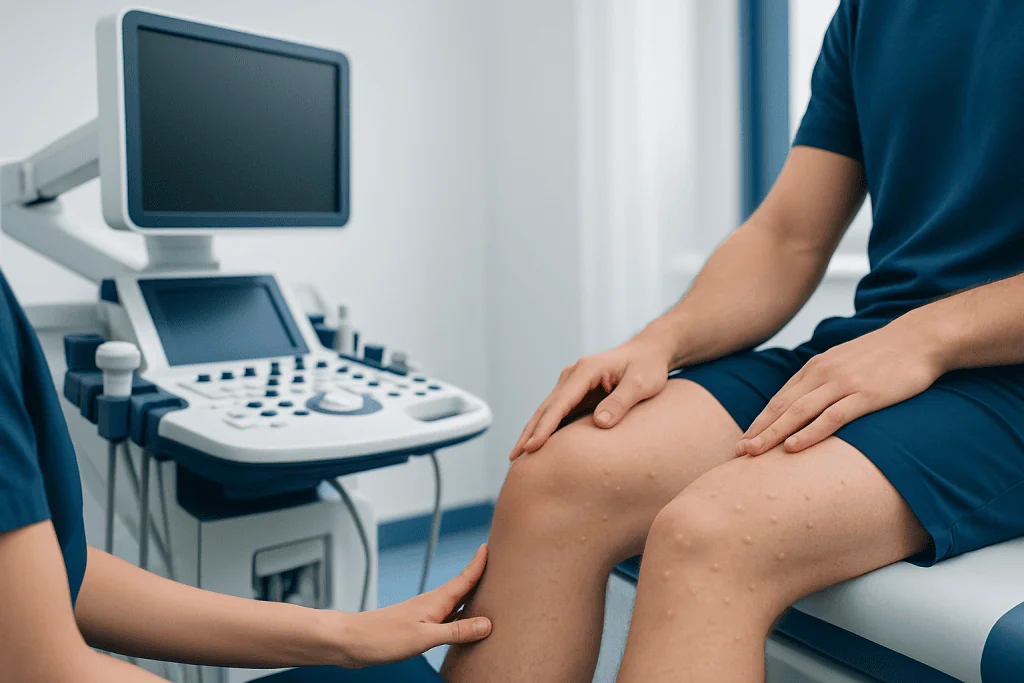
Skin-colored itchy bumps on the legs may feel rough, dry, or sandpaper-like. Some are tiny and clustered around hair follicles, while others are more isolated and dome-shaped. They can appear on the thighs, shins, calves, or around the knees, and they may be easier to feel than to see.
Itching may be mild and occasional or more persistent after showering, exercise, shaving, or contact with certain fabrics. Some people describe a prickly or crawling sensation rather than intense itch. Others notice that the bumps become more obvious in cold weather, when indoor heating dries the skin.
Helpful details include whether the bumps are:
- Rough and evenly spread, especially on the outer thighs
- Centered on hair follicles after shaving or waxing
- Associated with dry, flaky skin
- Linked to new soap, lotion, detergent, or fabric
- Occurring after outdoor exposure, travel, or insect bites
These clues do not replace a diagnosis, but they can help guide when home care is reasonable and when professional evaluation is the safer choice.
Possible causes of itchy bumps on legs not red

Dry skin is one of the most common explanations. When the skin barrier loses moisture, tiny raised areas can feel itchy even without visible redness. This is especially common in winter, after long hot showers, or when harsh cleansers are used.
Keratosis pilaris is another frequent cause. It happens when keratin builds up and plugs hair follicles, creating small rough bumps that are often skin-colored. These usually appear on the thighs or outer legs and may be more noticeable when the skin is dry. This condition is harmless, though it can be frustrating; readers may find it helpful to learn more about keratosis pilaris.
Follicular irritation can also cause itching without much redness. Shaving, waxing, friction from leggings or sportswear, sweating, or ingrown hairs may irritate follicles. When inflammation is deeper or infection is present, the condition may resemble folliculitis, but mild cases can remain only slightly visible.
Contact dermatitis does not always start with dramatic redness. A mild reaction to a detergent, fragrance, body lotion, depilatory cream, or fabric dye may first show up as itch and scattered small bumps. If exposure continues, the rash can become more obvious over time.
Insect bites can sometimes leave itchy residual papules after the initial redness fades. The remaining bumps may linger for days or weeks, especially if they are scratched. Less common causes include eczema variants, heat rash, scabies, and chronic scratching-related skin thickening. Because several conditions can overlap, persistent or uncertain cases benefit from review by a clinician, often in dermatology care.
Risk factors and triggers doctors look for
Certain habits and exposures make itchy leg bumps more likely. Dry climates, long hot showers, over-washing, and fragranced products can weaken the skin barrier. Frequent shaving, hair removal, exercise clothing, and sweating may trigger bumps centered around follicles.
Doctors also ask about atopic tendencies such as eczema, asthma, and allergies, because sensitive skin is more reactive. Family history can matter too, especially with keratosis pilaris and some eczema patterns. A recent change in laundry products, skin care, medications, or travel may point toward an external trigger.
Other useful questions include whether symptoms are worse at night, whether anyone else at home is itchy, and whether the bumps are limited to exposed skin. These details can help distinguish common dry-skin conditions from infections, infestations, or allergic reactions that need more specific treatment.
How itchy non-red leg bumps are diagnosed
Diagnosis usually starts with a medical history and skin examination. A clinician will look at the size, texture, distribution, and follicular pattern of the bumps, then ask about timing, skin products, shaving, clothing friction, allergies, and any recent illness or travel. Clear photographs taken when symptoms are worse can sometimes help if the bumps change over time.
Most people do not need extensive testing. If a fungal condition, bacterial infection, or mite infestation is suspected, a doctor may examine skin scrapings or swabs. Patch testing may be considered if allergic contact dermatitis is possible, especially when symptoms recur after exposure to personal care or household products.
When the diagnosis is uncertain or the rash is persistent, a referral to a skin specialist may be recommended. In selected cases, clinicians may use allergy testing or further skin evaluation to narrow the cause. The goal is to match treatment to the actual trigger rather than simply masking the itch.
Treatment options and symptom relief
Treatment depends on the cause. For dry skin and rough follicular bumps, the foundation is gentle skin care: short lukewarm showers, fragrance-free cleansers, and regular use of a thick moisturizer after bathing. Creams containing urea, lactic acid, or salicylic acid may help soften rough skin in some people, although they should be used carefully on sensitive skin and under professional advice when needed.
If shaving or friction is the issue, reducing irritation often helps. That may include pausing hair removal for a period, using a clean sharp razor, shaving with lubrication, wearing looser breathable clothing, and showering after sweating. If folliculitis, eczema, or another diagnosed skin condition is present, a doctor may prescribe targeted treatment such as medicated creams or other therapies.
For itch itself, practical steps include cool compresses, regular moisturization, and avoiding scratching, which can prolong the problem and increase the risk of infection. Sedating or non-sedating antihistamines may be advised in some cases, especially when allergic triggers are suspected, but they do not treat every cause of itchy bumps.
If symptoms are recurrent or severe, structured eczema treatment or specialist-led skin care may be appropriate depending on the diagnosis. Near the end of the care pathway, some international patients choose centers such as Acibadem International, where multidisciplinary specialists at JCI-accredited hospitals evaluate persistent skin complaints and related conditions.
Self-care and prevention tips
Consistent skin care is often the most effective long-term approach. Applying moisturizer daily, especially within a few minutes of bathing, helps seal in water and protect the skin barrier. Thick creams or ointments are usually more effective than light lotions for very dry or rough skin.
Prevention also means reducing avoidable triggers. Gentle, fragrance-free products are less likely to irritate the legs. Clothing that breathes and does not rub repeatedly against the same area may reduce follicular irritation. If shaving seems related, changing technique or spacing out hair removal can help.
Simple measures that may lower flare-ups include:
- Use lukewarm rather than hot water
- Choose mild, fragrance-free cleansers and detergents
- Moisturize every day, especially after bathing
- Avoid harsh scrubs and vigorous rubbing
- Keep nails short to reduce skin injury from scratching
- Wash sweaty clothing promptly after exercise
Home care should improve mild cases over time. If it does not, or if the bumps keep returning despite good skin care, an underlying skin condition may need diagnosis and tailored treatment.
When to seek medical care
Medical review is a good idea if itchy bumps on the legs last more than a few weeks, spread, interfere with sleep, or do not improve with gentle skin care and moisturizers. Professional assessment is also important when the diagnosis is uncertain, because conditions that look similar can require very different treatment.
Prompt care is recommended if the bumps become painful, warm, swollen, or start draining pus, as these features may suggest infection. The same applies if there is marked swelling of the legs, fever, a rapidly changing rash, or associated hives, lip swelling, wheezing, or breathing difficulty, which may indicate a more urgent allergic problem.
Children, people with diabetes, weakened immunity, chronic skin disease, or repeated skin infections should seek advice early rather than waiting. A clinician can help determine whether the problem is simple dryness, a follicular condition, allergy-related skin disease, or another cause that needs targeted management.
Frequently asked questions
Can itchy bumps on legs be serious if they are not red?
Often they are not serious and may be related to dry skin, keratosis pilaris, or mild follicle irritation. However, persistent, spreading, painful, or infected-looking bumps should be checked by a doctor.
Why do my legs feel bumpy and itchy but look almost normal?
Some skin conditions affect texture more than color. Dry skin and keratosis pilaris commonly cause rough, itchy bumps that are easier to feel than to see, especially in dry weather.
Are itchy skin-colored bumps on the legs usually from shaving?
Shaving is a common trigger, especially when bumps are centered around hair follicles. Friction, ingrown hairs, and repeated hair removal can irritate the skin even when redness is minimal.
Will moisturizing help itchy bumps on legs not red?
Yes, if dry skin or a rough follicular condition is contributing, regular moisturizing can help reduce itch and improve skin texture. Thick, fragrance-free creams are usually more helpful than light lotions.
How can someone tell the difference between dry skin and folliculitis?
Dry skin tends to cause diffuse roughness, flaking, and generalized itch. Folliculitis usually centers on hair follicles and may be more tender, pimple-like, or occasionally pustular, although mild cases can be subtle.
When should itchy bumps on the legs be seen by a doctor?
A doctor should assess bumps that last for weeks, keep coming back, disrupt sleep, or do not improve with gentle skin care. Immediate medical attention is needed if there is swelling, pus, fever, severe pain, or breathing symptoms.
References
- American Academy of Dermatology
- National Eczema Association
- Mayo Clinic
- MedlinePlus
- National Health Service
This article is for general information only and is not a substitute for professional medical advice. Please consult a qualified doctor about your individual situation.
Hair transplant in Turkey — costs, graft counts & a free assessment
JCI-accredited · board-certified surgeons · reply within 24h
Add us as a Preferred Source to see more of our trusted health content across Google Search, AI Overviews and Discover.

More from the Health Library



Related Specialists

Prof. Dr. Arzu Ertürk
Pulmonary Medicine
Prof. Dr. Harzem Özger
Orthopedic Surgery & Traumatology
Fzt. Ezgi İrem Eryaşar
Treatment of Respiratory
Dr. Aydoğan Barut
Anesthesiology