

Itchy Nipples Explained: Common Triggers and Red Flags

Most cases of itchy nipples are caused by irritation, dryness, eczema, or friction. Symptoms that last, keep returning, or affect only one side may need medical evaluation.
Key Takeaways
- Most cases of itchy nipples are caused by irritation, dryness, eczema, or friction.
- Symptoms that last, keep returning, or affect only one side may need medical evaluation.
- Associated changes such as discharge, bleeding, thickened skin, or a breast lump are important red flags.
- Gentle skin care, avoiding triggers, and treating the underlying cause usually help.
- Pregnancy, breastfeeding, exercise, and new soaps or fabrics can all contribute to nipple itching.
Itchy nipples are often linked to common, treatable issues such as dry skin, friction, eczema, contact irritation, or mild infection. Less often, nipple itching can signal a condition that needs medical assessment, especially if it comes with discharge, rash, pain, or skin changes.
Overview: What itchy nipples usually mean
Itchy nipples are most often caused by irritation rather than a serious disease. Common triggers include dry skin, rubbing from clothing, eczema, reactions to soaps or detergents, sweating, and sometimes infections such as yeast. In many people, the itching improves when the skin is protected and the trigger is removed.
Even so, nipple itching should not be ignored if it is persistent, keeps returning, or comes with other breast or skin changes. Itching that affects only one nipple, happens with redness or scaling that does not settle, or is linked to discharge, bleeding, or a lump needs medical attention. The goal is to identify whether the problem is a simple skin issue or a sign of a breast condition that needs treatment.
The nipple and areola have delicate skin and are exposed to friction, moisture, and cosmetic products more than many people realize. Because of this, even small changes in routine, such as a new bra, body wash, laundry detergent, or exercise pattern, can be enough to trigger symptoms. Understanding the pattern of itching often helps point to the cause.
How nipple itching can feel and what may come with it
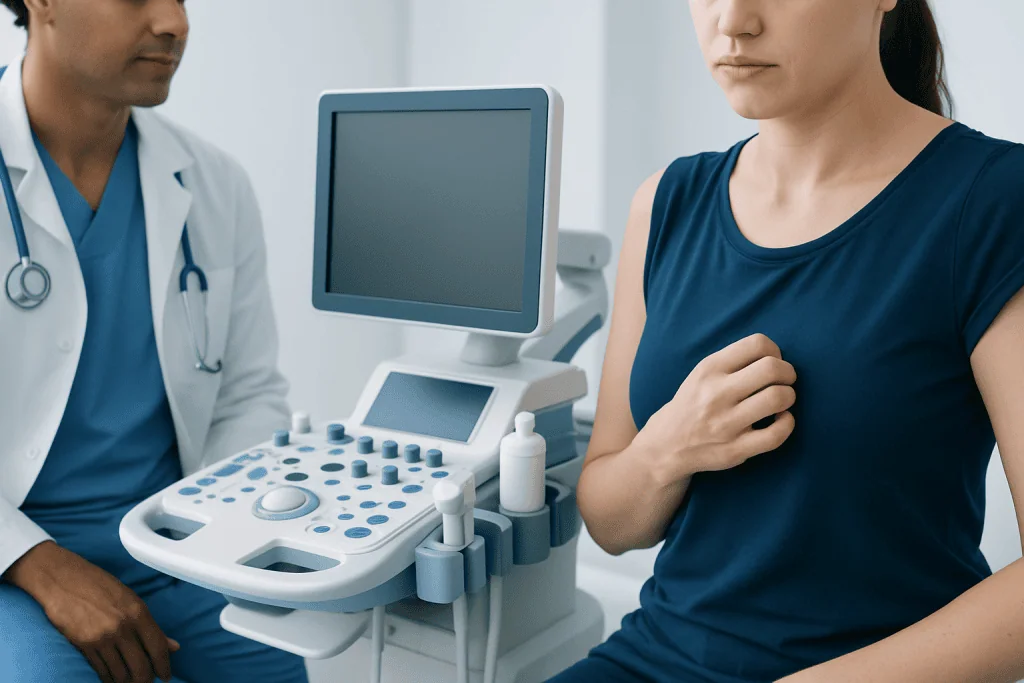
Itchy nipples can feel mildly annoying or very uncomfortable. Some people notice a dry, tight sensation, while others feel burning, tingling, soreness, or a prickly itch that is worse after sweating, showering, or wearing certain fabrics. The skin may look normal at first, especially when dryness is the main issue.
When irritation or inflammation is present, the nipple or areola may become red, flaky, scaly, shiny, or cracked. In breastfeeding people, soreness may occur with feeding, pumping, or after milk leakage keeps the skin damp. Chafing from running, sports bras, or rough clothing can cause tenderness or even small surface breaks in the skin.
Symptoms that deserve closer attention include nipple discharge, bleeding, crusting that does not heal, swelling, skin thickening, dimpling, a new breast lump, or changes in nipple shape such as inversion. These signs do not always mean something serious, but they do call for a professional examination to rule out conditions beyond simple skin irritation.
Common triggers and possible causes

Dry skin is one of the most common reasons for itchy nipples. Cold weather, low humidity, frequent hot showers, and harsh soaps can weaken the skin barrier and lead to itching and flaking. Friction is another frequent cause, especially during exercise or when a bra or shirt rubs repeatedly against the nipple area.
Skin conditions are also important. Eczema can affect the nipple and areola, causing itch, redness, and scaling. Contact dermatitis happens when the skin reacts to an irritant or allergy trigger such as fragrance, detergent, fabric dye, adhesive, or skin-care products. People with sensitive skin or a history of eczema, asthma, or allergies may be more prone to these reactions.
Infections can sometimes be responsible. Yeast may develop in warm, moist skin folds or during breastfeeding, particularly if the skin is cracked. Bacterial infection is less common but may occur if damaged skin becomes infected. Breastfeeding itself can contribute to itching through latch-related trauma, milk residue, and repeated moisture exposure. Hormonal changes in pregnancy may also make the breast skin more sensitive and stretched, which can lead to itch.
Less commonly, nipple itching can be associated with breast-related disease. Persistent eczema-like changes of one nipple may need assessment to rule out breast cancer, including rarer conditions such as Paget disease of the breast. In some people, generalized breast discomfort or inflammation may overlap with issues such as mastitis, especially during breastfeeding, although mastitis usually causes pain, warmth, and flu-like symptoms rather than itch alone.
Red flags: when itching may need prompt attention
Most nipple itching is not urgent, but certain patterns should be taken seriously. One of the most important clues is persistence. If symptoms do not improve after a short period of avoiding likely irritants and using gentle skin care, a doctor should assess the area. This is particularly true when only one nipple is affected.
Other red flags include nipple discharge, especially if it is bloody or comes from one side, crusting or scaling that does not clear, broken skin that does not heal, a rash spreading beyond the areola, and new pain or tenderness without an obvious cause. A new lump, skin dimpling, or nipple inversion also needs evaluation.
People who are pregnant or breastfeeding should seek care sooner if itching is accompanied by significant pain, fever, breast warmth, wedge-shaped redness, or symptoms that make feeding difficult. These features can suggest infection or inflammation that needs treatment. A clinician can also check for problems with latch, skin trauma, and signs of yeast or dermatitis.
- Persistent itching lasting more than a short trial of self-care
- Symptoms on one side only
- Bleeding, discharge, or a non-healing crusted area
- A breast lump, skin dimpling, or nipple shape change
- Fever, warmth, marked redness, or severe pain during breastfeeding
How doctors find the cause
Diagnosis starts with a careful history and physical examination. A doctor will ask when the itching began, whether it affects one or both nipples, and whether there have been changes in skin products, laundry detergent, bras, exercise, pregnancy, or breastfeeding. They may also ask about eczema, allergies, asthma, fungal infections, and any breast symptoms such as discharge or lumps.
The skin and breast exam helps distinguish dryness, chafing, eczema, infection, and suspicious nipple changes. In many cases, the appearance of the skin and the story behind the symptoms strongly suggest the cause. If infection is suspected, a swab may occasionally be taken. If the findings are not clear, or if symptoms are persistent, referral to a dermatologist or breast specialist may be recommended.
When there are warning signs, imaging may be needed. This can include mammography or breast ultrasound to assess the breast tissue. If a nipple lesion or rash looks unusual or does not improve as expected, a biopsy may be advised to confirm the diagnosis and rule out uncommon but important conditions.
Treatment options and symptom relief
Treatment depends on the cause. For dryness or irritation, the main steps are to avoid triggers, reduce friction, and restore the skin barrier. Gentle, fragrance-free moisturizers may help, along with avoiding very hot showers and harsh cleansers. Choosing soft, breathable fabrics and properly fitted bras can reduce rubbing and moisture buildup.
If eczema or contact dermatitis is suspected, a doctor may recommend a short course of medicated cream together with trigger avoidance. When allergy or irritation from a product is the cause, symptoms often improve after that product is stopped. For fungal or bacterial infection, prescription treatment may be needed, so self-diagnosing can delay proper care if symptoms are not typical.
Breastfeeding-related itching may improve with better latch support, keeping the area clean and dry, changing breast pads often, and treating any cracks or infection. Where a concerning breast finding is present, treatment focuses on the underlying condition rather than the itch itself. If a breast specialist evaluation is needed, breast cancer treatment planning is based on the diagnosis, imaging, and pathology results.
In complex or persistent cases, care may involve dermatology, breast surgery, gynecology, or lactation support. Acibadem International’s multidisciplinary specialists and JCI-accredited hospitals diagnose and treat breast and skin-related conditions for international patients when further evaluation is needed.
Self-care and prevention in daily life
Simple skin-care habits can prevent many cases of nipple itching. It often helps to wash with lukewarm rather than hot water, use fragrance-free cleansers sparingly, and apply a plain moisturizer after bathing if the skin is dry. Detergents, fabric softeners, perfumes, and adhesive products can all irritate sensitive skin, so changing to hypoallergenic options may reduce flare-ups.
Clothing choices matter. A supportive bra that fits well and breathable fabrics can reduce rubbing and trapped moisture. During exercise, changing out of sweaty clothes promptly may help prevent irritation and fungal overgrowth. Some runners use protective dressings or clothing designed to reduce friction if chafing is a repeat problem.
During pregnancy and breastfeeding, breast skin may be more sensitive because of hormonal changes, stretching, and moisture exposure. Gentle cleansing, frequent pad changes, and early help for latch problems can lower the risk of sore, itchy nipples. If symptoms keep coming back, it is worth reviewing all regular products that touch the skin, from nipple creams to body wash and laundry detergent.
When to seek medical care
Medical care is advisable if itchy nipples do not improve with basic skin care and avoiding irritants, or if the symptoms return repeatedly. A person should also seek evaluation if the itching is limited to one nipple, or if the skin becomes thickened, crusted, cracked, or discolored.
Prompt assessment is important when itching is accompanied by nipple discharge, bleeding, a breast lump, new nipple inversion, or changes in the breast skin such as dimpling. During breastfeeding, fever, increasing pain, warmth, and spreading redness should also be checked quickly because these can suggest infection or inflammation that needs treatment.
It can be helpful to note when the itching started, whether it is one-sided or both-sided, and any new products, clothing, medications, or breastfeeding changes. This information can make diagnosis easier. A qualified doctor can decide whether the cause is a minor skin problem, a treatable infection, or something that needs breast imaging or specialist review.
Frequently asked questions
Are itchy nipples usually serious?
Usually not. In many cases, itchy nipples are caused by dry skin, friction, eczema, or contact irritation from products or clothing. However, persistent symptoms or nipple changes should be assessed by a doctor.
Can dry skin cause itchy nipples?
Yes. Dry skin is a very common cause, especially in cold weather, after hot showers, or when harsh soaps are used. The skin may feel tight, flaky, or mildly sore as well as itchy.
Why do itchy nipples happen during pregnancy or breastfeeding?
Hormonal changes, breast enlargement, moisture, and skin stretching can all make the nipple area more sensitive during pregnancy. During breastfeeding, repeated rubbing, latch difficulties, milk residue, or infection can contribute to itching and soreness.
When should someone worry about itchy nipples?
A medical review is important if the itching affects one nipple only, does not improve, or comes with discharge, bleeding, crusting, a lump, or nipple shape changes. Fever, breast warmth, and significant pain during breastfeeding also need prompt attention.
Can eczema affect the nipple area?
Yes. Eczema can involve the nipple and areola, causing itching, redness, scaling, and sometimes cracking. It may be more likely in people with sensitive skin or a history of allergies, asthma, or eczema elsewhere on the body.
What helps soothe itchy nipples at home?
Gentle skin care often helps. Using lukewarm water, avoiding fragranced products, wearing soft breathable fabrics, reducing friction, and applying a plain moisturizer can improve mild irritation. If symptoms continue or look unusual, a doctor should check the area.
References
- American Academy of Dermatology
- American College of Obstetricians and Gynecologists
- Centers for Disease Control and Prevention
- National Health Service
- National Cancer Institute
This article is for general information only and is not a substitute for professional medical advice. Please consult a qualified doctor about your individual situation.
Explore treatments in Turkey — costs, top hospitals & a free quote
JCI-accredited · board-certified surgeons · reply within 24h
Add us as a Preferred Source to see more of our trusted health content across Google Search, AI Overviews and Discover.

More from the Health Library



Related Specialists

Dr. Hamdi Tüfekçi
Anesthesiology
Dr. Dilara Akman
Infectious Diseases & Clinical Microbiology
Asim Sakalli
Physical Medicine & Rehabilitation
Prof. Dr. Can Gönen
Gastroenterology