Jackhammer Esophagus: A Complete Medical Overview

Jackhammer esophagus is a motility disorder affecting the muscle contractions that move food through the esophagus. Its symptoms can resemble heart-related chest pain or acid reflux, so careful medical assessment is important.
Key Takeaways
- Jackhammer esophagus is a motility disorder affecting the muscle contractions that move food through the esophagus.
- Its symptoms can resemble heart-related chest pain or acid reflux, so careful medical assessment is important.
- High-resolution esophageal manometry is the key test used to confirm the diagnosis.
- Treatment is individualized and may include lifestyle measures, medicines, endoscopic procedures, or surgery in selected cases.
- New, severe, or unexplained chest pain should always be assessed urgently to exclude heart disease.
Jackhammer esophagus, also called hypercontractile esophagus, is a swallowing disorder in which muscle contractions in the food pipe are excessively strong. It can cause chest pain, trouble swallowing, or regurgitation, but effective evaluation and symptom-focused treatment are available.
Overview: What Is Jackhammer Esophagus?
Jackhammer esophagus is a rare disorder of esophageal movement, also known as an esophageal motility disorder. The esophagus is the muscular tube that carries food and liquids from the mouth to the stomach. Normally, its muscles contract in a coordinated wave to move swallowed material downward. In jackhammer esophagus, these contractions are unusually powerful, although they may still be coordinated.
The condition is also called hypercontractile esophagus. The name “jackhammer” describes the very high strength of the contractions seen during specialized pressure testing. These strong contractions can make swallowing uncomfortable and may produce chest pain that feels similar to heartburn or, at times, heart-related pain.
Symptoms and their severity vary considerably. Some people have intermittent discomfort, while others have persistent swallowing difficulties that affect eating and quality of life. A diagnosis does not automatically mean that an invasive treatment is needed: care is guided by symptoms, test results, possible contributing conditions, and the person’s overall health.
Symptoms and Their Pattern
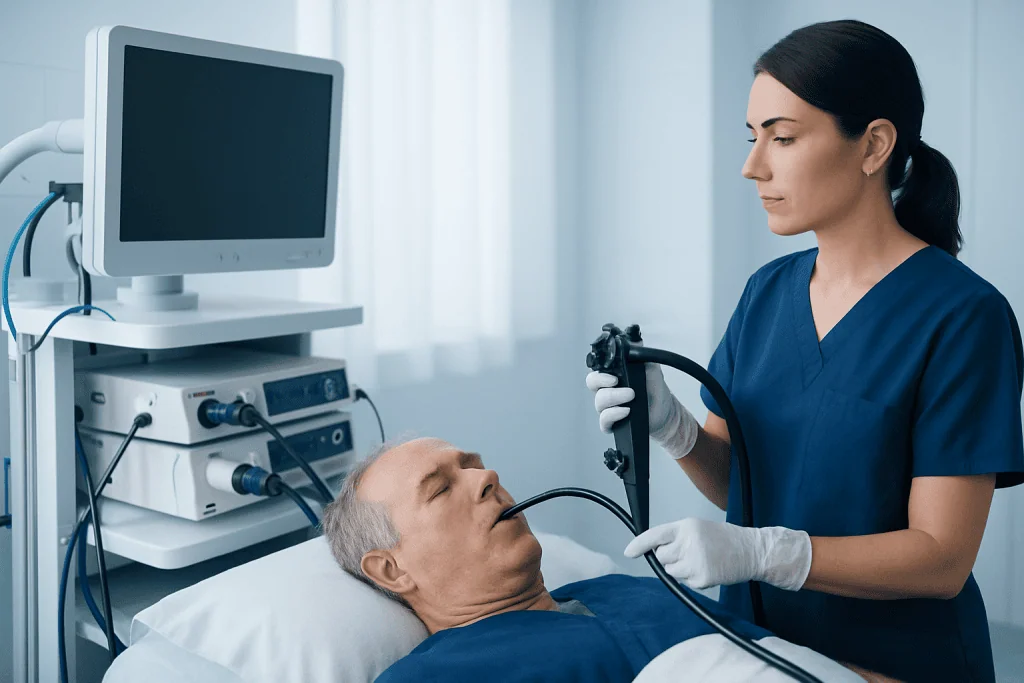
The most common symptoms of jackhammer esophagus are chest pain and dysphagia, the medical term for difficulty swallowing. A person may feel that food sticks in the chest after swallowing, moves down slowly, or causes pressure or pain on its way to the stomach. Both solid foods and liquids may trigger symptoms, although the pattern differs between individuals.
Chest pain may be squeezing, sharp, burning, or pressure-like. It can occur during meals, after eating, or without an obvious trigger. Because pain from the esophagus and pain from the heart can feel alike, chest symptoms should not be assumed to be caused by a swallowing disorder without appropriate medical evaluation.
Other possible symptoms include regurgitation of food or liquid, heartburn, belching, nausea, and a sensation of a lump in the throat or chest. Symptoms may come and go. They can be worsened by large meals, very hot or cold drinks, alcohol, stress, or reflux in some people, but triggers are not the same for everyone.
- Difficulty or pain when swallowing
- Non-cardiac chest pain or chest pressure
- Food seeming to stick after swallowing
- Regurgitation, reflux symptoms, or nausea
- Unintended weight loss when eating becomes difficult
Why It Happens and Who May Be Affected

The exact cause of jackhammer esophagus is not fully understood. Swallowing depends on communication between the esophageal muscles and the nerves that control them. Changes in this coordination may lead to contractions that are too strong. The disorder is not caused by a person doing anything wrong, and it is not contagious.
Gastroesophageal reflux disease, or GERD, may coexist with hypercontractile esophagus and may contribute to symptoms in some people. However, having reflux does not necessarily cause jackhammer esophagus, and treating reflux does not always resolve the abnormal contractions. Doctors therefore assess both conditions rather than assuming one explains every symptom.
Esophageal motility disorders can occur in adults of different ages. Some medications, especially opioid pain medicines, can alter esophageal movement and may be considered during the assessment. Anxiety and stress can intensify the perception of chest discomfort or swallowing symptoms, but they do not mean the symptoms are imagined or that the condition is purely psychological.
Doctors may also consider related movement disorders, including achalasia and distal esophageal spasm, because their symptoms can overlap. Accurate classification matters because management options and expected responses to treatment may differ.
How Doctors Diagnose It
Diagnosis begins with a detailed discussion of symptoms, including when they occur, whether solids or liquids are difficult to swallow, and whether there is weight loss, reflux, or regurgitation. A clinician will also review medicines and medical history. When chest pain is present, assessment for heart disease is often a priority, particularly when pain is new, severe, exertional, or accompanied by shortness of breath or sweating.
The main test for confirming jackhammer esophagus is high-resolution esophageal manometry. During this test, a thin pressure-sensitive tube is passed through the nose into the esophagus. The person takes measured swallows while the device records the timing and strength of contractions. The results help identify whether contractions are excessively forceful and whether the lower esophageal sphincter relaxes normally.
An upper endoscopy may be recommended to inspect the lining of the esophagus and stomach. It can help rule out narrowing, inflammation, a tumor, eosinophilic esophagitis, or other structural causes of swallowing difficulty. A barium swallow, in which X-ray images are taken after drinking contrast liquid, may also provide useful information about how food and liquid travel through the esophagus.
Depending on the symptoms, doctors may use reflux monitoring to determine whether acid reflux is contributing. No single test should be interpreted in isolation: the diagnosis is based on manometry findings together with the person’s symptoms and results of other evaluations.
Treatment Options and Symptom Relief
Treatment for jackhammer esophagus is individualized. If symptoms are mild or occur only occasionally, a clinician may recommend observation and practical measures first. When reflux is present, treatment to reduce acid exposure may improve heartburn and protect the esophageal lining, even though it may not directly correct strong muscle contractions.
Medicines may be considered to help relax esophageal smooth muscle or reduce pain. The choice depends on the symptom pattern, blood pressure, heart health, other medications, and possible side effects. Some treatments used for nerve-related pain can also be considered when chest pain persists despite treatment of other contributing factors. Medication decisions should be made with a qualified clinician rather than by self-treatment.
For severe symptoms that do not improve with conservative care, a gastroenterologist may discuss endoscopic or surgical options. These procedures aim to reduce the excessive muscle activity by dividing selected muscle fibers. Peroral endoscopic myotomy, often called POEM, is a minimally invasive endoscopic approach used in carefully selected patients. The potential benefits must be balanced with risks, including reflux after treatment.
Because the best approach depends on the exact motility pattern, comprehensive testing is important before any procedure. Acibadem International’s multidisciplinary specialists and JCI-accredited hospitals evaluate esophageal motility disorders and discuss appropriate treatment pathways with international patients.
Eating Habits and Everyday Self-Care
Everyday adjustments can help some people reduce discomfort while medical evaluation and treatment are underway. Eating slowly, taking small bites, chewing thoroughly, and having smaller meals may make swallowing easier. Sipping water with meals can be helpful for some individuals, unless a doctor has advised a fluid restriction for another health condition.
Keeping a brief symptom diary can identify personal patterns. The diary may note foods, beverages, meal size, body position after eating, stress levels, medicines, and the timing of symptoms. Common triggers can include very hot or cold drinks, alcohol, highly acidic foods, large meals, and lying down soon after eating, but avoiding foods unnecessarily is not required unless a clear pattern is present.
People who have reflux symptoms may benefit from avoiding meals close to bedtime, raising the head of the bed when advised, maintaining a weight appropriate for their health, and avoiding tobacco. It is important to continue adequate nutrition. If swallowing difficulty leads to reduced food intake or weight loss, a doctor or dietitian can offer individualized guidance.
Relaxation practices, regular sleep, and gentle physical activity may support general well-being and help some people cope with symptom flares. These measures do not replace assessment or prescribed treatment, especially when chest pain or progressive swallowing problems occur.
When to Seek Medical Care
Anyone with ongoing difficulty swallowing, repeated chest pain, regurgitation, or unexplained weight loss should arrange medical assessment. These symptoms can have several causes, including reflux, inflammation, narrowing of the esophagus, heart conditions, and other motility disorders. Prompt evaluation helps identify the cause and supports safe treatment choices.
Emergency medical care is needed for new, severe, or persistent chest pain, particularly if it occurs with shortness of breath, sweating, fainting, nausea, pain spreading to the arm, jaw, back, or shoulder, or symptoms brought on by physical activity. It is not safe to assume that chest pain is caused by jackhammer esophagus, even in someone previously diagnosed with the condition.
Urgent evaluation is also appropriate if food becomes stuck and cannot be swallowed, if there is choking or trouble breathing, vomiting blood, black stools, dehydration, or rapid weight loss. People already diagnosed with jackhammer esophagus should contact their care team if symptoms change substantially, medicines cause side effects, or eating becomes increasingly difficult.
Frequently asked questions
Is jackhammer esophagus dangerous?
Jackhammer esophagus is not usually life-threatening, but its symptoms can be painful and may interfere with eating and daily life. Chest pain must still be assessed carefully because heart-related pain can feel similar. Persistent swallowing difficulty also needs evaluation to prevent poor nutrition or to identify another cause.
Is jackhammer esophagus the same as achalasia?
No. Both are esophageal motility disorders, but they involve different patterns of muscle function. In jackhammer esophagus, contractions are excessively strong, whereas achalasia typically includes impaired relaxation of the lower esophageal sphincter and ineffective passage of food into the stomach.
Can jackhammer esophagus go away on its own?
Symptoms may fluctuate and can improve over time in some people, particularly when contributing factors such as reflux are addressed. However, the underlying motility pattern may persist. Follow-up with a gastroenterologist is useful when symptoms are frequent, worsening, or affecting nutrition.
What foods should be avoided with jackhammer esophagus?
There is no single required diet for everyone with this condition. Some people find that large meals, alcohol, very hot or cold drinks, or foods that worsen reflux trigger symptoms. A food and symptom diary can help identify individual triggers while maintaining a balanced diet.
How is jackhammer esophagus confirmed?
High-resolution esophageal manometry is the principal test used to confirm the diagnosis. It measures pressure and coordination in the esophagus during swallowing. Endoscopy, barium swallow imaging, and reflux testing may also be used to exclude other causes and guide treatment.
Can stress cause jackhammer esophagus?
Stress does not appear to be the sole cause of jackhammer esophagus. However, stress can heighten awareness of chest discomfort, affect digestive symptoms, and make symptom episodes feel more difficult to manage. Stress-reduction strategies can be helpful alongside medical care, but they should not replace evaluation for chest pain or swallowing problems.
References
- American College of Gastroenterology
- American Gastroenterological Association
- National Institute of Diabetes and Digestive and Kidney Diseases
- Mayo Clinic
- Cleveland Clinic
This article is for general information only and is not a substitute for professional medical advice. Please consult a qualified doctor about your individual situation.
Explore treatments in Turkey — costs, top hospitals & a free quote
JCI-accredited · board-certified surgeons · reply within 24h
Add us as a Preferred Source to see more of our trusted health content across Google Search, AI Overviews and Discover.

More from the Health Library

Protan Color Blindness: An Evidence-Based Guide for Patients

Creatine Water Retention: A Complete Medical Overview

Pathogens — Explained by Medical Evidence, Not Myths

Sweet Smelling Urine: What Patients Need to Know

Zygomaticus — Explained by Medical Evidence, Not Myths

Hair Tourniquet: A Complete Medical Overview
Gastroenterology Specialists at Acibadem

Prof. Dr. Erkin Öztaş
Gastroenterology
Prof. Dr. Ethem Tankurt
Gastroenterology
Prof. Dr. Fatih Oğuz Önder
Gastroenterology
Dr. Fatma Seçil Kırdök
Gastroenterology