Joint Replacement in Turkey: Cost Factors, Hospital Choice, and Follow-Up

The total cost of joint replacement in Turkey depends on the joint involved, implant type, hospital setting, surgeon expertise, length of stay, and rehabilitation needs. Hospital choice should focus on accreditation, infection control, orthopedic experience, imaging, anesthesia, rehabilitation, and clear communication.
Key Takeaways
- The total cost of joint replacement in Turkey depends on the joint involved, implant type, hospital setting, surgeon expertise, length of stay, and rehabilitation needs.
- Hospital choice should focus on accreditation, infection control, orthopedic experience, imaging, anesthesia, rehabilitation, and clear communication.
- A lower upfront price may not include important items such as preoperative testing, physiotherapy, medications, or management of complications.
- Recovery and long-term results depend heavily on structured follow-up, wound care, blood clot prevention, pain management, and physical therapy.
- Patients traveling for surgery should confirm what is included in the package and who will provide care after they return home.
Joint replacement in Turkey can be a well-organized option for patients seeking hip, knee, or other joint surgery, but costs and outcomes depend on more than the operation itself. Understanding hospital standards, surgeon experience, implant choices, rehabilitation, and follow-up planning can help patients make informed, safe decisions.
Overview
Joint replacement in Turkey usually refers to surgery that removes damaged parts of a joint and replaces them with artificial components. It is most commonly performed for the knee and hip, but some patients may also need shoulder or other joint procedures. The aim is to reduce pain, improve movement, and help a person return to daily activities when non-surgical treatments are no longer enough.
Turkey is often considered by international patients because many hospitals offer orthopedic surgery, modern imaging, rehabilitation services, and coordinated care for visitors from abroad. However, the best decision is not based on destination alone. It depends on the patient’s diagnosis, general health, the complexity of the operation, and the quality of preoperative and postoperative support.
Patients considering surgery abroad often focus first on price, but good decision-making should look at the whole treatment pathway. This includes consultation, surgical planning, anesthesia assessment, the procedure itself, pain control, early mobilization, physiotherapy, and follow-up after discharge. A complete and transparent plan is usually more helpful than a simple price quote.
Who May Need Joint Replacement
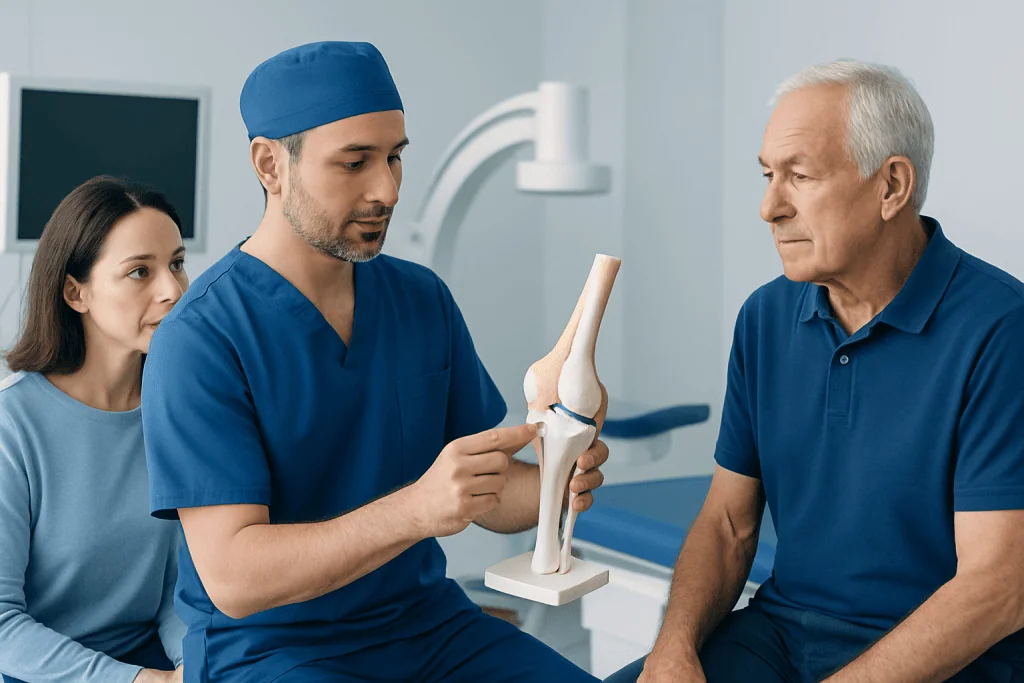
Joint replacement is usually considered when joint damage causes persistent pain, stiffness, swelling, and loss of function that limit walking, climbing stairs, dressing, sleep, or work. Many people reach this point because of osteoarthritis, but other causes can include inflammatory arthritis, old injuries, avascular necrosis, or advanced joint degeneration. Some patients may have a severely worn joint seen on imaging, while others are mainly affected by day-to-day pain and disability.
Doctors usually recommend trying non-surgical treatments first when appropriate. These may include activity modification, weight management, pain-relieving medicines, supervised exercise, mobility aids, and injections in selected cases. Surgery becomes more relevant when these approaches no longer provide enough relief or when quality of life is significantly affected.
The most common procedures are knee replacement and hip replacement, although the exact operation depends on the joint and the pattern of damage. Some people need partial replacement, while others need total replacement or revision surgery if an older implant has worn out or loosened. A careful orthopedic evaluation helps determine whether surgery is likely to improve function and whether the expected benefits outweigh the risks.
What Affects Joint Replacement Cost in Turkey

The cost of joint replacement in Turkey varies for many reasons. The type of joint is one of the most important factors, because hip, knee, and shoulder procedures differ in surgical time, equipment, implant design, and rehabilitation needs. Total replacements are often different in cost from partial replacements, and revision surgery is usually more complex than first-time surgery.
Implant choice also matters. Artificial joints come in different materials and designs, and the best option depends on age, bone quality, anatomy, activity level, and the surgeon’s assessment. In addition to the implant itself, the total fee may include operating room time, anesthesia, hospital stay, nursing care, medications, laboratory tests, imaging, and postoperative physical therapy.
Hospital-related factors can also change the price. A high-volume orthopedic center with advanced imaging, intensive care support, strict infection prevention protocols, and in-house rehabilitation may differ in cost from a smaller facility. International patient services, translation, airport transfers, and accommodation planning may be included in some packages, but not all. It is important to ask for a written breakdown so patients understand exactly what is covered.
Patients should also ask about possible additional costs. These may include pre-existing medical issues that need further testing, longer hospital stays, blood transfusion if needed, extra imaging, thrombosis prevention, special rehabilitation equipment, or management of complications. A lower quote is not always the better value if key parts of care are excluded.
How to Choose the Right Hospital and Surgical Team
Choosing a hospital for joint replacement should begin with safety and experience. Patients may wish to ask whether the hospital has recognized accreditation, orthopedic surgeons who regularly perform the planned procedure, modern operating rooms, imaging services, and access to internal medicine, cardiology, or intensive care if needed. A structured infection prevention program is especially important in any joint replacement surgery because infection around an implant can be serious and difficult to treat.
It is also helpful to understand who will be involved in care. Joint replacement usually requires coordination between the orthopedic surgeon, anesthesiologist, nursing team, physiotherapists, and sometimes specialists in rehabilitation or pain management. Hospitals that provide clear communication before arrival and after discharge can make the process less stressful, especially for international patients.
Patients may consider asking practical questions such as:
- How often does the surgeon perform this specific operation?
- What kind of implant is planned, and why?
- What tests are done before surgery?
- How long is the expected hospital stay?
- When does walking and physiotherapy begin?
- What support is available after discharge and after returning home?
For some patients, treatment planning may naturally involve services such as robotic knee replacement or hip replacement surgery when these are clinically appropriate. The right option depends on the diagnosis, anatomy, bone quality, and surgeon judgment rather than technology alone. Near the end of the decision process, patients may also value coordinated international care; Acibadem International’s multidisciplinary specialists in JCI-accredited hospitals diagnose and treat orthopedic conditions for patients traveling from abroad.
Preoperative Assessment and Planning
Before surgery, the medical team usually confirms the diagnosis, reviews symptoms, examines the joint, and assesses overall fitness for anesthesia and recovery. This often includes blood tests, heart evaluation when needed, and imaging such as X-rays or other scans. If a patient has diabetes, heart disease, anemia, obesity, lung disease, or a history of blood clots, these issues may need attention before surgery to reduce risk.
Medication review is an important part of planning. Blood thinners, some diabetes medicines, anti-inflammatory drugs, and supplements may need special instructions before the operation. Patients should tell the team about allergies, previous surgeries, smoking, dental infections, skin problems, or any recent illness. Open communication helps the team plan safely.
Good preoperative preparation also includes practical planning for recovery. Patients should ask how long they may need mobility aids, whether they will require inpatient rehabilitation or outpatient physiotherapy, and when they can travel home safely. Some hospitals may recommend a short recovery period in Turkey before flying, especially after major lower-limb surgery.
In selected cases, the surgeon may discuss related orthopedic procedures such as knee replacement surgery or more complex reconstructive approaches depending on the joint involved and the degree of damage. The final surgical plan should be individualized and explained in clear language, including benefits, limits, and possible risks.
Recovery, Rehabilitation, and Follow-Up
Recovery starts immediately after surgery. Early movement is encouraged in most patients to reduce stiffness and lower the risk of complications such as blood clots. Pain control, breathing exercises, hydration, wound care, and supervised walking are all part of the first stage of recovery. The exact timeline varies by joint, age, muscle strength, and general health.
Physical therapy is one of the most important parts of successful joint replacement. It helps restore range of motion, build strength, improve balance, and support a safer return to daily activities. Some patients progress quickly, while others need a longer rehabilitation plan. Following the exercise program and weight-bearing instructions carefully can help protect the new joint.
Follow-up matters just as much as the operation itself. The team usually needs to review wound healing, pain levels, mobility, signs of infection, and any swelling in the leg or joint. Patients traveling home should know who to contact if they develop fever, wound drainage, increasing redness, calf pain, chest symptoms, or difficulty walking. A written aftercare plan is especially important for international patients.
Remote follow-up may include video consultations, review of wound photographs, and sharing X-rays with the surgical team. Even so, patients should also arrange local medical support in their home country. Coordination between the operating hospital and the local doctor can make recovery smoother and may help identify problems early.
Possible Risks and How They Are Reduced
Like any major operation, joint replacement carries risks, although many patients recover well with proper planning and experienced care. Possible complications include infection, bleeding, blood clots, stiffness, dislocation in some hip replacements, nerve or blood vessel injury, ongoing pain, and problems related to anesthesia. Over time, artificial joints can also wear, loosen, or need revision.
Hospitals reduce these risks through preoperative screening, sterile surgical technique, antibiotics when appropriate, careful anesthesia assessment, blood clot prevention, and early mobilization. Rehabilitation and patient education are also protective because they improve safe movement and help patients recognize warning signs early.
Patients can lower risk by stopping smoking if possible, managing chronic illnesses, attending preoperative appointments, following medication instructions, and taking rehabilitation seriously. It is also wise to avoid choosing a provider based only on cost. Safety standards, surgeon experience, and access to postoperative care are central to good outcomes.
Practical Tips for International Patients
Patients traveling for joint replacement should prepare both medically and logistically. Before booking, they should ask for a clear treatment plan, the estimated length of stay, what is included in the quoted cost, and whether any extra charges may apply. It is also helpful to ask how medical records, scans, and medication lists should be sent before travel.
Travel planning should include the expected date of surgery, time needed for hospital recovery, and the safest timing for the return flight. Lower-limb joint surgery may require precautions during travel, such as moving regularly, staying hydrated, and following medical advice on blood clot prevention. Patients should also confirm whether they will need assistance at the airport or a walker, cane, or raised seating at their accommodation.
After returning home, ongoing care remains essential. Patients should know when stitches or dressings need review, when to start or continue local physiotherapy, and when repeat imaging is expected. Keeping copies of operation notes, implant information, and discharge summaries can be very helpful for future medical care.
In general, the best experience comes from realistic expectations and complete planning. Joint replacement can improve pain and function, but recovery takes time, active participation, and follow-up. A hospital that communicates clearly before, during, and after treatment often provides the strongest foundation for a safe and organized patient journey.
Frequently asked questions
Is joint replacement in Turkey only about lower cost?
No. Cost is one factor, but quality of care, surgeon experience, hospital standards, infection prevention, rehabilitation, and follow-up are equally important. Patients are usually best served by comparing the full treatment pathway rather than the price alone.
What is usually included in a joint replacement package?
This varies by hospital. Some packages include consultations, preoperative tests, surgery, anesthesia, implant, hospital stay, medications, and early physiotherapy, while others do not include all of these items. Patients should always request a written list of inclusions and possible extra charges.
How long should a patient stay in Turkey after joint replacement?
The answer depends on the joint replaced, the patient’s recovery speed, and the surgeon’s advice. Many patients need time for early recovery, wound checks, and safe mobilization before traveling. The medical team can advise on the safest timing for the return journey.
Why is follow-up important after joint replacement abroad?
Follow-up helps the team monitor wound healing, mobility, pain control, and early signs of complications such as infection or blood clots. It also supports rehabilitation and safe return to daily activities. Patients should know who to contact both in Turkey and at home if concerns arise.
How can a patient choose a hospital safely?
Patients can ask about accreditation, surgeon experience, infection control practices, available imaging and rehabilitation services, and emergency support. Clear communication and transparent cost information are also important. A hospital that can explain the care plan step by step is often easier to navigate.
What questions should be asked before booking surgery?
Helpful questions include what diagnosis has been confirmed, which implant is planned, what the quote covers, how long the hospital stay will be, when physiotherapy starts, and how follow-up will work after returning home. Patients should also ask about possible risks and how complications would be managed if they occur.
References
- World Health Organization
- American Academy of Orthopaedic Surgeons
- National Institute for Health and Care Excellence
- British Orthopaedic Association
- Centers for Disease Control and Prevention
This article is for general information only and is not a substitute for professional medical advice. Please consult a qualified doctor about your individual situation.
Joint Replacement in Turkey — costs, top hospitals & a free quote
JCI-accredited · board-certified surgeons · reply within 24h
Add us as a Preferred Source to see more of our trusted health content across Google Search, AI Overviews and Discover.

Orthopedics & Spine
Care for bones, joints and the musculoskeletal system, including joint replacement, sports injuries and trauma.
125 specialists in this unit