Joint Replacement in Turkey: Hospital Quality, Travel Planning, and Follow-Up

Hospital accreditation, infection control, and surgeon experience are central when evaluating joint replacement in Turkey. Patients should plan travel, accommodation, mobility support, and rehabilitation before surgery.
Key Takeaways
- Hospital accreditation, infection control, and surgeon experience are central when evaluating joint replacement in Turkey.
- Patients should plan travel, accommodation, mobility support, and rehabilitation before surgery.
- A full medical review is important to confirm whether joint replacement is appropriate and safe.
- Recovery depends on pain control, physical therapy, wound care, and regular follow-up.
- Clear communication about records, implants, and post-operative instructions supports safer long-term care.
Joint replacement in Turkey may be an option for people seeking orthopedic care combined with organized medical travel. Careful review of hospital quality, surgeon experience, rehabilitation planning, and follow-up arrangements helps patients make informed decisions.
Overview
Joint replacement in Turkey usually refers to planned orthopedic surgery to replace a damaged joint, most often the hip or knee, with an artificial implant. The main goal is to reduce pain, improve movement, and support daily function when non-surgical treatments no longer provide enough relief. Some patients also consider shoulder, ankle, or partial joint replacement depending on their condition and specialist advice.
People may explore care abroad for several reasons, including access to experienced orthopedic teams, comprehensive hospital services, and the opportunity to organize surgery and recovery in one setting. Even so, traveling for surgery requires careful preparation. The decision should be based on medical suitability, hospital standards, and the patient’s ability to participate in rehabilitation after the operation.
Joint replacement is a major procedure, not a quick fix. A safe and successful experience depends on good candidate selection, detailed pre-operative assessment, high-quality surgical care, and a realistic recovery plan. Patients benefit from understanding both the procedure itself and the travel-related practicalities before making arrangements.
Who May Need Joint Replacement
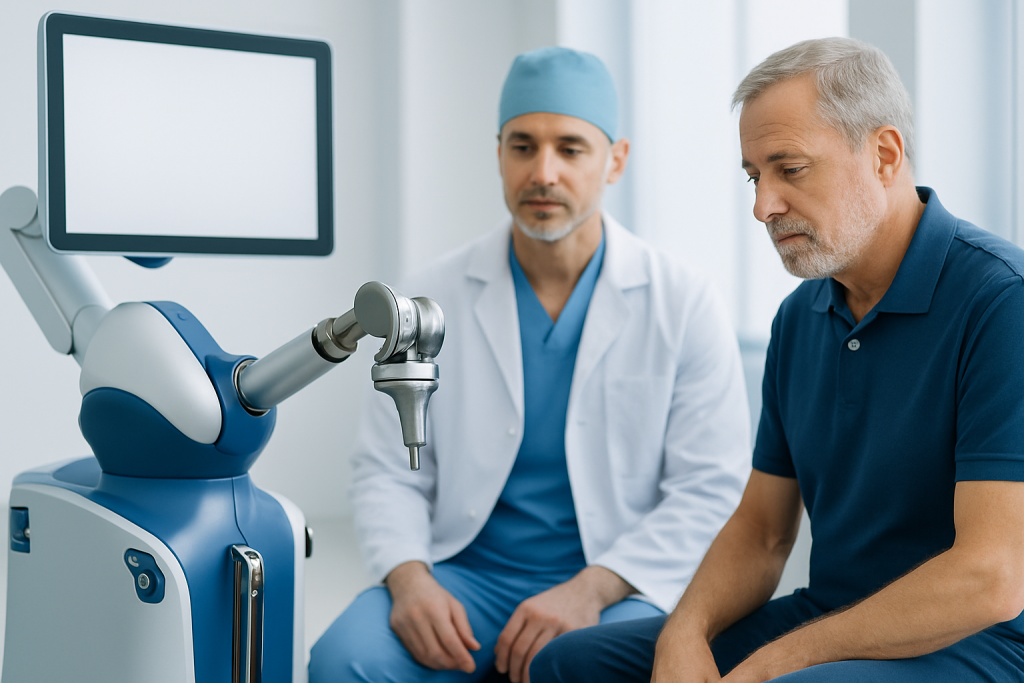
Joint replacement is generally considered when joint damage causes persistent pain, stiffness, swelling, or loss of function that interferes with walking, climbing stairs, sleep, work, or self-care. The most common reason is osteoarthritis, but other causes include inflammatory arthritis, previous injury, joint deformity, avascular necrosis, or advanced wear after earlier surgery. Some people considering joint replacement in Turkey are already living with a diagnosis such as knee osteoarthritis or hip osteoarthritis.
Before surgery is recommended, doctors usually review whether less invasive options have been tried. These may include activity changes, weight management, physical therapy, walking aids, pain-relief strategies, or injections. If symptoms remain severe and imaging shows significant joint damage, replacement surgery may become an appropriate option.
Not every patient with joint pain needs a joint replacement. A full orthopedic assessment helps determine whether the symptoms truly come from the joint itself, whether another treatment would be more suitable, and whether the expected benefits of surgery outweigh the risks. This is especially important for patients with heart disease, diabetes, obesity, osteoporosis, or a history of infection or blood clots.
How to Assess Hospital Quality
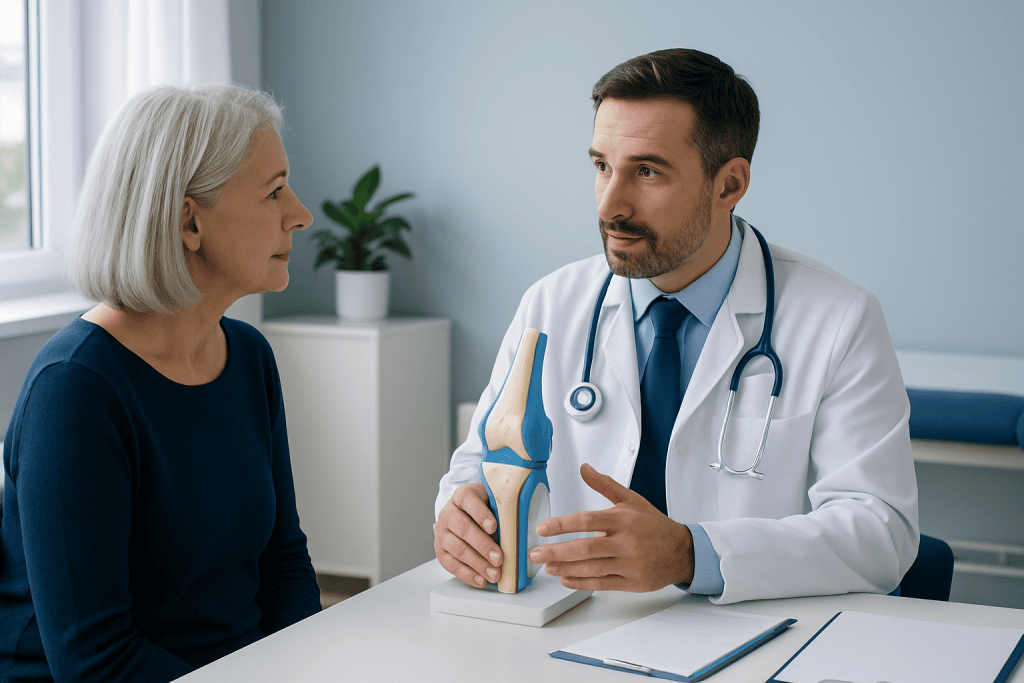
Hospital quality is one of the most important factors when choosing where to have joint replacement in Turkey. Patients should look for hospitals with recognized accreditation, clear infection prevention policies, modern imaging and operating facilities, intensive care support if needed, and structured rehabilitation services. It is also helpful to ask whether orthopedic surgery is performed regularly at the center and whether the hospital has teams dedicated to anesthesia, pain management, physiotherapy, and internal medicine.
Surgeon experience matters as well. Patients can ask about the orthopedic surgeon’s subspecialty focus, the types of joint replacements performed, and whether complex or revision cases are also managed. In addition, the quality of pre-operative assessment and post-operative rehabilitation often affects the overall experience as much as the operation itself. A center offering robotic orthopedic surgery or advanced planning technology may be helpful for selected patients, but technology should support, not replace, sound clinical judgment.
It is reasonable to ask practical questions before committing to surgery. For example:
- How are infection control and sterile operating protocols managed?
- What type of implant is planned, and how will implant records be provided?
- Who will coordinate care before arrival and after discharge?
- What rehabilitation services are available in the hospital and after discharge?
- How are complications handled if they occur during the stay or after returning home?
Some international patients prefer hospitals that can provide multidisciplinary assessment in one place. Near the end of the planning process, it may be reassuring to know that Acibadem International’s multidisciplinary specialists and JCI-accredited hospitals diagnose and treat orthopedic conditions for international patients, with coordinated evaluation and aftercare planning.
Pre-Travel Evaluation and Planning
Travel planning should begin only after a medical team has reviewed the patient’s history, symptoms, imaging, medications, and overall health. Patients are often asked to share recent X-rays or MRI scans, blood test results, a list of medicines, and information about previous surgeries or allergies. The hospital may also request cardiology, respiratory, or dental clearance depending on age and underlying conditions. This review helps confirm whether surgery is appropriate and whether extra precautions are needed.
Practical preparation is just as important. Patients should discuss how long they are likely to stay in Turkey before and after surgery, whether a companion should travel with them, and what support they will need at the hotel or recovery accommodation. Mobility aids such as a walker, crutches, raised toilet seat, or compression stockings may be recommended. Flights, transfers, and room setup should take limited mobility into account.
Before travel, patients should also understand the expected treatment pathway. This may include pre-operative testing, anesthesia review, the operation itself, early walking, inpatient monitoring, and referral to physical therapy and rehabilitation. For some patients, related orthopedic procedures such as knee replacement or hip replacement may already be the planned treatment, while others may first need an in-person evaluation to confirm the best approach.
What Surgery and Hospital Recovery Usually Involve
Joint replacement surgery generally involves removing damaged joint surfaces and replacing them with prosthetic components designed to reduce pain and improve movement. The exact procedure depends on the joint, the severity of damage, the patient’s anatomy, and the surgeon’s technique. Patients may receive spinal or general anesthesia, and pain management is typically started before the operation and continued throughout recovery.
After surgery, the medical team closely monitors pain, blood pressure, mobility, and wound healing. Most patients are encouraged to begin moving and standing with assistance relatively early, often on the same day or the next day, depending on the procedure and the patient’s condition. Early movement helps support circulation, reduce stiffness, and begin the process of rebuilding confidence in the new joint.
Hospital recovery also includes prevention of complications. This may involve blood clot prevention, breathing exercises, wound care, and teaching safe ways to sit, stand, walk, and use stairs. Before discharge, patients should receive clear instructions about medicines, activity limits, showering, dressing changes, warning signs, and follow-up appointments.
Rehabilitation, Follow-Up, and Returning Home
Recovery after joint replacement continues well beyond the hospital stay. Rehabilitation is a structured process that helps patients regain strength, flexibility, balance, and walking ability. The pace varies from person to person depending on age, baseline fitness, the joint treated, and whether there were any complications. Consistent participation in physiotherapy is one of the most important parts of recovery.
Follow-up planning should be discussed before surgery, especially for international patients. Patients should know who to contact after discharge, how virtual or in-person reviews will be arranged, and what records will be shared with their local doctor. It is useful to receive a discharge summary, implant information, operative notes if appropriate, imaging results, medication instructions, and a rehabilitation plan in English or the patient’s preferred language.
Returning home safely also requires attention to timing. Long-distance travel soon after surgery may increase discomfort and may require special precautions to reduce the risk of swelling or blood clots. Patients should ask when it is safe to fly, when they can sit for longer periods, and how often they should move during travel. Once home, local follow-up remains important for wound checks, ongoing physiotherapy, and monitoring for any delayed problems.
Risks, Red Flags, and When to Seek Medical Advice
Like any major operation, joint replacement has potential risks. These can include infection, bleeding, blood clots, stiffness, implant problems, nerve or blood vessel injury, delayed wound healing, or persistent pain despite technically successful surgery. Most patients recover well, but understanding these possibilities supports informed consent and timely care if a concern develops.
Patients should seek medical advice promptly if they notice increasing redness, warmth, drainage, fever, severe calf pain, sudden swelling, chest pain, shortness of breath, new weakness, or a rapid decline in walking ability. A clicking sensation, joint instability, or severe pain after a fall should also be assessed without delay. Symptoms do not always mean a serious complication, but they should not be ignored.
It is also wise to contact a doctor if pain remains difficult to control, constipation becomes severe, medications cause side effects, or rehabilitation is not progressing as expected. Good communication between the overseas hospital team and the patient’s local doctor can help address concerns early and support a smoother long-term outcome.
Frequently asked questions
Is joint replacement in Turkey safe?
Joint replacement in Turkey can be safe when patients choose a well-equipped hospital with strong infection control, experienced orthopedic surgeons, and organized rehabilitation and follow-up. Safety depends more on the quality of care, medical suitability, and planning than on location alone.
How long should a patient stay in Turkey after joint replacement?
The required stay varies with the type of surgery, the patient’s overall health, and the speed of early recovery. Patients usually need time for pre-operative assessment, the hospital stay, and initial follow-up before being cleared to travel home.
What records should patients ask for before returning home?
Patients should request a discharge summary, medication list, rehabilitation plan, implant details, and copies of important imaging or test results. These records help local doctors continue care safely and make future orthopedic follow-up easier.
Can a patient fly soon after hip or knee replacement?
Air travel may need to be delayed for a period after surgery, depending on recovery and the risk of blood clots or swelling. The treating surgeon should advise on timing, movement during travel, and any precautions such as exercises or compression measures.
What if a problem happens after returning home?
Patients should know in advance how to contact the surgical team and when to seek urgent local medical care. Clear post-operative instructions and coordination with a local doctor can help manage concerns such as wound problems, pain, or limited mobility.
Does rehabilitation really make a big difference after joint replacement?
Yes. Rehabilitation is a key part of recovery because it helps restore strength, flexibility, walking ability, and confidence in the new joint. Even when surgery goes well, progress is often slower and less complete without consistent physiotherapy and home exercises.
References
- World Health Organization
- American Academy of Orthopaedic Surgeons
- National Institute for Health and Care Excellence
- Centers for Disease Control and Prevention
- British Orthopaedic Association
This article is for general information only and is not a substitute for professional medical advice. Please consult a qualified doctor about your individual situation.
Joint Replacement in Turkey — costs, top hospitals & a free quote
JCI-accredited · board-certified surgeons · reply within 24h
Add us as a Preferred Source to see more of our trusted health content across Google Search, AI Overviews and Discover.

Orthopedics & Spine
Care for bones, joints and the musculoskeletal system, including joint replacement, sports injuries and trauma.
125 specialists in this unit