Joints: A Complete Medical Overview

Joints connect bones and support both movement and stability throughout the body. Common joint symptoms include pain, swelling, stiffness, reduced range of motion, and warmth.
Key Takeaways
- Joints connect bones and support both movement and stability throughout the body.
- Common joint symptoms include pain, swelling, stiffness, reduced range of motion, and warmth.
- Joint problems may result from injury, wear and tear, autoimmune disease, infection, or crystal buildup.
- Diagnosis often combines a medical history, physical exam, imaging, and sometimes blood or joint fluid tests.
- Treatment depends on the cause and may include exercise, medications, physical therapy, injections, or surgery.
- Persistent, swollen, red, or suddenly painful joints should be assessed by a qualified doctor.
Joints are the places where two or more bones meet, allowing the body to move, bear weight, and stay stable. Understanding how joints work, what can go wrong, and when to seek care can help people protect mobility and respond early to symptoms.
Overview: What Joints Are and Why They Matter
Joints are the structures where bones meet. They allow the body to bend, rotate, walk, grasp, and maintain posture, while also providing stability. Without healthy joints, even ordinary daily activities such as climbing stairs, turning the head, or standing up from a chair can become difficult.
A joint is more than a meeting point between bones. Many joints include cartilage, a smooth protective tissue that reduces friction; ligaments, which connect bone to bone; tendons, which connect muscle to bone; and a lining called the synovium that produces lubricating fluid. Together, these structures help the joint move smoothly and absorb load.
Joints vary in design depending on their role. Some are built for a wide range of motion, such as the shoulder, while others prioritize strength and support, such as parts of the spine and pelvis. Because joints are used constantly, they are vulnerable to aging, overuse, injury, and disease.
Types of Joints and How They Work
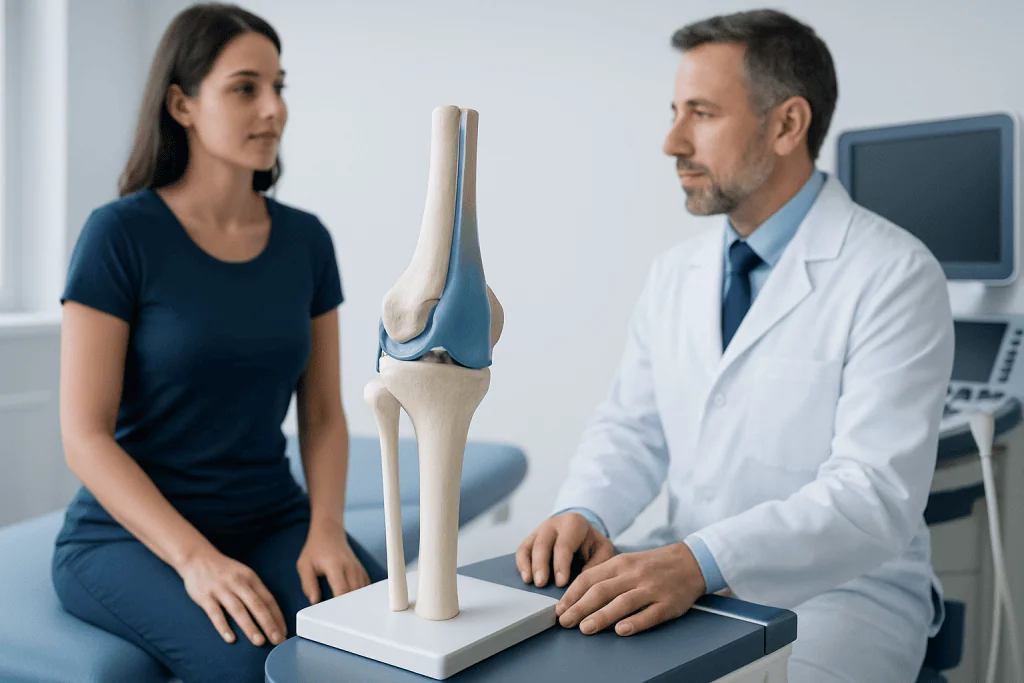
Joints are commonly grouped by how much movement they allow. Fibrous joints have little or no movement, such as some joints in the skull. Cartilaginous joints allow limited movement, as seen between certain bones of the spine. Synovial joints are the most mobile and include the knees, hips, fingers, elbows, and shoulders.
Synovial joints are especially important in everyday life. These joints contain a capsule, synovial fluid, and cartilage-covered bone surfaces. The fluid acts as a lubricant, and the cartilage helps cushion movement. When this system is healthy, motion is generally comfortable and efficient.
There are also different shapes of synovial joints, each suited to a type of motion:
- Ball-and-socket joints: shoulder and hip; allow movement in many directions
- Hinge joints: elbow, knee, fingers; mainly allow bending and straightening
- Pivot joints: neck and forearm; allow rotation
- Gliding joints: wrist and ankle; allow sliding movements
- Saddle joints: base of the thumb; allow precise movement
When any part of a joint is irritated or damaged, movement may become painful, stiff, unstable, or limited. This is why doctors assess not only the bones but also the surrounding soft tissues when joint symptoms appear.
Common Joint Symptoms

Joint symptoms can develop suddenly after an injury or gradually over time. Pain is one of the most common concerns, but it is not the only sign of a problem. Some people notice stiffness in the morning, while others feel discomfort mainly with activity or after long periods of rest.
Symptoms that can suggest a joint disorder include:
- Pain during movement or at rest
- Swelling around the joint
- Stiffness, especially after waking or inactivity
- Reduced range of motion
- Clicking, grinding, or catching sensations
- Warmth or redness
- A feeling that the joint is unstable or may give way
The pattern of symptoms can offer clues to the cause. For example, pain after a twist or fall may suggest a sprain, cartilage injury, or fracture. Gradual stiffness and pain in weight-bearing joints may point toward osteoarthritis. Swollen, painful joints that come with fatigue or symptoms in several joints may suggest an inflammatory condition such as rheumatoid arthritis.
Not all joint symptoms come from the joint itself. Pain may also be referred from nearby muscles, tendons, nerves, or the spine. This is one reason a careful medical evaluation matters when symptoms persist.
Causes and Risk Factors for Joint Problems
Joint problems have many possible causes. Mechanical wear and tear is common, especially with aging, repetitive activity, previous injury, or excess stress on weight-bearing joints. Acute injuries, such as sprains, dislocations, meniscus tears, and ligament injuries, can affect joint function immediately or contribute to longer-term changes.
Inflammatory and autoimmune diseases can also target joints. In these conditions, the immune system mistakenly attacks joint tissues, causing swelling, pain, and sometimes joint damage over time. Crystal-related conditions such as gout can trigger episodes of sudden, intense joint pain when crystals build up in the joint space.
Less commonly, infection can affect a joint and needs prompt medical care. Joint symptoms may also be linked to metabolic disorders, congenital differences, poor biomechanics, or overuse from sports and work activities. Surrounding tissues such as tendons and bursae can become inflamed and mimic joint disease.
Risk factors vary by condition but often include older age, family history, obesity, prior joint injury, repetitive strain, smoking, certain immune conditions, and low physical activity. Protecting joints usually involves addressing modifiable risks while staying active in a balanced way.
How Joint Problems Are Diagnosed
Diagnosis begins with a detailed history and physical examination. A doctor typically asks when symptoms started, whether one or several joints are affected, what makes symptoms better or worse, and whether there was trauma, fever, rash, or morning stiffness. The physical exam looks for swelling, tenderness, warmth, alignment changes, and range of motion.
Imaging often helps clarify the cause. X-rays can show fractures, alignment changes, and signs of arthritis. Ultrasound may help evaluate soft tissues and fluid. MRI can provide more detail about cartilage, ligaments, tendons, and other structures, especially when the diagnosis is not clear or when surgical planning is being considered.
Blood tests may be used when inflammatory, autoimmune, infectious, or metabolic causes are suspected. In some cases, a doctor may remove a small sample of joint fluid with a needle to look for infection, crystals, or signs of inflammation. This can be particularly useful in a hot, swollen, or suddenly painful joint.
The goal of diagnosis is not only to identify the problem but also to assess how it affects function. Treatment decisions are guided by the cause, severity, the joint involved, overall health, and the person’s daily needs.
Treatment Options for Joint Conditions
Treatment depends on the underlying cause. Many joint problems improve with a combination of activity modification, physical therapy, weight management when appropriate, and short-term symptom relief. Structured exercise often plays a central role because strong muscles help support joints and improve stability.
Medications may be used to reduce pain and inflammation, depending on the diagnosis and a doctor’s guidance. Some conditions also respond to supportive devices such as braces, splints, orthotics, or walking aids. For selected cases, injections may help reduce inflammation or improve comfort for a period of time.
When a joint problem is caused by a significant structural injury or advanced damage, procedural or surgical treatment may be considered. Depending on the problem and the joint involved, this may include arthroscopy to evaluate or treat internal joint damage, knee replacement for severe knee joint degeneration, or hip replacement when hip damage causes major pain and disability.
Recovery is usually most successful when treatment is individualized. Rehabilitation, gradual return to activity, and regular follow-up can improve function and help protect the joint over time.
Prevention and Everyday Joint Care
Healthy joints benefit from regular movement. Low-impact exercise such as walking, swimming, cycling, and flexibility work can help maintain range of motion and muscle support. Strengthening the muscles around a joint can reduce strain on the joint itself and improve balance and control.
Body weight can influence joint load, especially in the knees, hips, and lower back. For some people, gradual weight loss may reduce symptoms and improve mobility. Good posture, safe lifting techniques, supportive footwear, and avoiding repetitive strain without adequate rest can also help prevent overuse problems.
Warm-up and cool-down routines are important during sports and exercise. People who have had previous joint injuries may benefit from supervised rehabilitation to restore movement and strength fully before returning to demanding activity. Ignoring lingering instability or swelling can increase the risk of repeat injury.
Joint-friendly habits include:
- Staying physically active most days of the week
- Building strength and flexibility gradually
- Using proper technique in work and sports
- Taking breaks during repetitive tasks
- Seeking care for persistent pain, swelling, or instability
When to Seek Medical Care
Medical assessment is appropriate when joint pain lasts more than a few days, returns repeatedly, limits daily activity, or is associated with swelling or reduced movement. Early evaluation may help identify treatable causes before the problem affects mobility more significantly.
More urgent care is needed for a joint that is suddenly very painful, visibly deformed, cannot bear weight, becomes red and hot, or is accompanied by fever. These signs can suggest a fracture, dislocation, infection, or intense inflammatory flare and should not be ignored.
People with known inflammatory arthritis, recent surgery, immune system disorders, or a history of joint infection should be especially cautious about new symptoms. If symptoms are severe or rapidly worsening, prompt medical advice is recommended.
In complex or persistent cases, multidisciplinary care may be helpful. Acibadem International’s specialists in orthopedics, rheumatology, rehabilitation, and imaging, working in JCI-accredited hospitals, diagnose and treat joint conditions for international patients, including options such as physical therapy and rehabilitation when appropriate.
Frequently asked questions
What are joints in the human body?
Joints are the places where two or more bones meet. They allow movement, provide stability, and help the body perform tasks such as walking, lifting, bending, and turning.
Why do joints hurt?
Joint pain can happen for many reasons, including injury, overuse, arthritis, inflammation, infection, or crystal buildup such as gout. Sometimes pain comes from nearby tendons, muscles, or nerves rather than the joint itself.
What is the difference between arthritis and general joint pain?
Joint pain is a symptom, while arthritis is a group of conditions that cause joint inflammation or degeneration. Not all joint pain means arthritis, but ongoing symptoms should be assessed to find the cause.
Can exercise help painful joints?
Yes, appropriate exercise often helps by improving strength, flexibility, balance, and joint support. Low-impact activities are usually easier on joints, but exercise plans should be tailored if pain is significant or the diagnosis is unclear.
When is joint swelling serious?
Joint swelling may need prompt medical evaluation if it appears suddenly, is severe, comes with redness or warmth, or is associated with fever or inability to use the joint. These features can suggest infection, acute inflammation, or injury.
Do all joint problems need surgery?
No, many joint conditions are treated successfully without surgery. Medications, physical therapy, activity changes, supportive devices, and injections may be enough, depending on the cause and severity.
References
- World Health Organization
- American Academy of Orthopaedic Surgeons
- National Institute of Arthritis and Musculoskeletal and Skin Diseases
- Centers for Disease Control and Prevention
- Mayo Clinic
This article is for general information only and is not a substitute for professional medical advice. Please consult a qualified doctor about your individual situation.
Joint and spine care in Turkey — expert assessment & treatment
JCI-accredited · board-certified surgeons · reply within 24h
Add us as a Preferred Source to see more of our trusted health content across Google Search, AI Overviews and Discover.

More from the Health Library



Related Specialists

Prof. Dr. Fatih Köksal
Clinical Laboratory
Assoc. Prof. Dr. Sebahat Nacar Doğan
Radiology
Assoc. Prof. Dr. Gül Dabak
Pulmonary Medicine
Fzt. Gökçen Erol
Pediatric Rehabilitation