Joints Hurt and Tired — Explained by Medical Evidence, Not Myths

Joint pain with fatigue is a symptom pattern, not a diagnosis. Temporary causes include overuse, poor sleep, dehydration, and viral infections.
Key Takeaways
- Joint pain with fatigue is a symptom pattern, not a diagnosis.
- Temporary causes include overuse, poor sleep, dehydration, and viral infections.
- Persistent symptoms may be linked to osteoarthritis, autoimmune disease, thyroid disorders, anemia, or chronic infection.
- Doctors usually diagnose the cause through history, joint examination, and selected blood tests or imaging.
- Urgent medical care is important if symptoms come with fever, a hot swollen joint, chest pain, shortness of breath, or sudden weakness.
When joints hurt and tiredness happens at the same time, the cause is often more than simple aging or “just stress.” This pattern may come from sleep problems, viral illnesses, osteoarthritis, inflammatory arthritis, thyroid disease, anemia, or other medical conditions, so the best next step is to look at the full symptom pattern rather than relying on myths.
What it can mean when joints hurt and tiredness happens together
If joints hurt and tiredness are happening together, the explanation is not always simple wear and tear. In many people, this combination reflects a body-wide issue such as poor sleep, a recent infection, medication effects, inflammatory disease, thyroid problems, or low iron. Joint pain by itself often points to a local problem in cartilage, tendons, or ligaments, but fatigue suggests the body may be under broader physical stress.
Medical evidence shows that this symptom pair should be understood by pattern. Doctors look at which joints hurt, whether there is visible swelling, how long morning stiffness lasts, whether symptoms came on suddenly or gradually, and whether fever, rash, weight change, bowel symptoms, or sleep disturbance are also present. This approach is more reliable than common myths, such as assuming all joint pain is caused by aging, weather, or vitamin deficiency alone.
Many causes are treatable once identified. Some are short-lived, such as a viral infection or overexertion. Others need ongoing care, including rheumatoid arthritis, osteoarthritis, lupus, or thyroid disease. Because the same symptoms can come from very different conditions, a careful medical assessment matters more than self-diagnosing from a single symptom.
Common symptom patterns and associated signs
The way symptoms appear often gives important clues. Pain in one joint after activity may suggest strain or osteoarthritis, while pain in several joints on both sides of the body can be more consistent with an inflammatory or autoimmune condition. Morning stiffness that lasts only a few minutes is more common in mechanical joint problems, while stiffness lasting an hour or more raises more concern for inflammation.
Fatigue also varies in quality. Some people describe sleepiness after poor sleep, while others feel heavy, weak, or drained even after rest. Fatigue linked to inflammation often occurs with a general sense of being unwell. Viral illnesses can cause body aches, low energy, and short-term joint discomfort. In contrast, anemia or thyroid disease may cause longer-lasting tiredness, reduced exercise tolerance, and trouble concentrating.
Symptoms that should not be ignored include:
- Joint swelling, warmth, or redness
- Fever, night sweats, or unexplained weight loss
- New rash, mouth ulcers, or eye inflammation
- Numbness, weakness, or balance problems
- Shortness of breath or chest pain
- Severe pain in one joint, especially if movement is difficult
These associated signs help doctors separate benign causes from conditions that need prompt testing and treatment.
Why this happens: causes backed by medical evidence

There are several broad categories of causes. Mechanical causes include overuse, sports injuries, tendon strain, and osteoarthritis. These are common when pain is linked to activity, affects weight-bearing joints such as the knees or hips, and improves somewhat with rest. Fatigue may still appear because chronic pain disturbs sleep and reduces daily activity.
Inflammatory and autoimmune causes include rheumatoid arthritis, psoriatic arthritis, lupus, and other connective tissue diseases. In these conditions, the immune system drives inflammation in joints and sometimes in skin, eyes, lungs, or other organs. Fatigue is a common feature because inflammation affects the whole body. Some people also notice prolonged morning stiffness, swollen knuckles, or symptoms that come and go in flares.
Infections can also explain why joints hurt and tiredness develops. Common viral illnesses, including influenza-like infections, may cause temporary joint aches and exhaustion. Some bacterial infections can affect joints more seriously. A single hot, swollen, very painful joint may signal a joint infection and needs urgent medical evaluation. General medical conditions such as hypothyroidism, anemia, vitamin D deficiency, sleep apnea, depression, and medication side effects can also contribute to both pain and fatigue.
Less often, persistent joint pain and fatigue are linked with fibromyalgia, inflammatory bowel disease, or chronic kidney or liver disease. This is one reason a broad history matters. The same complaint can start in the joints, the immune system, the endocrine system, sleep health, or overall physical conditioning.
Risk factors and common myths
Several factors make joint pain with tiredness more likely. Increasing age raises the chance of osteoarthritis, but younger adults can also develop inflammatory arthritis or connective tissue disease. Family history may matter, especially for autoimmune conditions. Previous joint injury, obesity, repetitive work, smoking, poor sleep, chronic stress, and low physical activity can all affect symptoms.
Women are more likely than men to develop some autoimmune diseases, while athletes and people with physically demanding jobs may be more prone to overuse injuries. Certain infections, recent travel, medication changes, and long periods of inactivity may also play a role. Risk factors do not confirm a diagnosis, but they help guide the evaluation.
Several myths deserve correction. It is not medically accurate to assume that all joint pain is normal aging, that cracking joints always mean arthritis, or that fatigue is only caused by stress. Another common myth is that blood tests alone can explain every case. In reality, some people with clear inflammatory disease may have early or nonspecific test results, while others with abnormal tests may not have major joint disease. Doctors combine symptoms, examination findings, labs, and imaging to reach the most accurate conclusion.
How doctors diagnose the cause
Diagnosis usually starts with a detailed conversation and physical examination. A doctor will ask when the pain began, which joints are involved, whether the pattern is symmetrical, what makes symptoms better or worse, and whether swelling, stiffness, fever, rash, dry eyes, bowel changes, or recent infection are present. They will also review sleep, mood, daily function, medications, and family history.
The joint exam looks for swelling, tenderness, warmth, range of motion, and signs of injury or inflammation elsewhere in the body. Depending on the findings, blood tests may include markers of inflammation, blood counts for anemia, thyroid function, kidney and liver tests, vitamin levels, and selected autoimmune tests. These tests are chosen based on the symptom pattern rather than ordered in the same way for everyone.
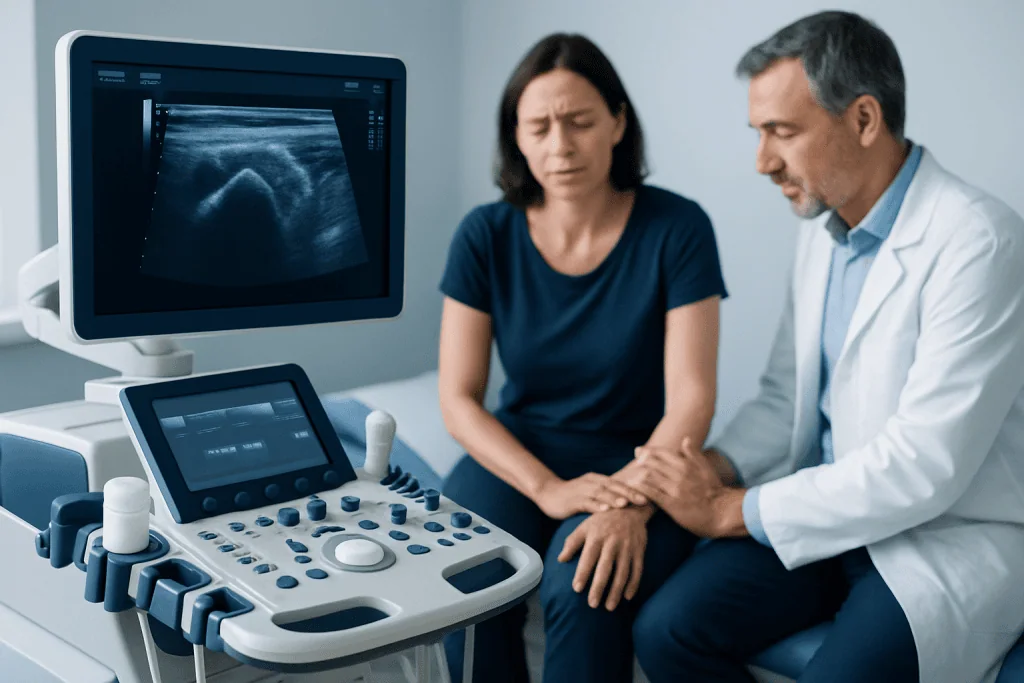
Imaging may also help. X-rays can show joint space narrowing or other changes typical of osteoarthritis. Ultrasound or MRI may be useful when soft tissues, early inflammation, or less obvious joint damage are suspected. If symptoms strongly suggest a specific condition, a doctor may refer the patient to a rheumatologist, orthopedist, endocrinologist, or another specialist. In some cases, supportive care is enough, but in others a more targeted plan is needed, including physical therapy and rehabilitation or advanced imaging.
Treatment options and what usually helps
Treatment depends on the cause, not just the symptom. For temporary joint aches linked to overuse or a mild viral illness, doctors often recommend rest, hydration, sleep, gradual return to activity, and short-term symptom relief if appropriate. Mechanical joint pain may improve with weight management, low-impact exercise, muscle strengthening, and posture or movement correction.
When inflammation is the main problem, treatment may involve medications that reduce immune-driven joint damage, along with monitoring over time. If a thyroid disorder, anemia, or sleep disorder is contributing, treating that underlying condition often improves both pain and energy. Patients with severe joint degeneration or structural damage may need orthopedic assessment; in selected situations, this can include knee replacement or hip replacement after a full evaluation.
Self-care works best when it is realistic and consistent. Helpful measures may include gentle stretching, pacing activities during flare-ups, using supportive footwear, maintaining a regular sleep schedule, and avoiding smoking. It is wise to be cautious with supplements or internet remedies that promise to “cure” arthritis or chronic fatigue. Evidence for many of these claims is limited, and some products may interact with medicines or delay proper treatment.
Near the end of the care pathway, some people benefit from coordinated specialist input. Acibadem International’s multidisciplinary specialists and JCI-accredited hospitals evaluate and treat joint conditions for international patients when more detailed assessment or treatment planning is needed.
What patients can do now and when to seek medical care
While waiting for an appointment, it can help to keep a simple symptom diary. Recording which joints hurt, whether swelling is visible, how long morning stiffness lasts, sleep quality, recent infections, and activities that worsen symptoms can make the medical visit more productive. Gentle movement is usually better than complete inactivity unless there is an acute injury or a doctor has advised otherwise.
People should consider scheduling a routine medical visit if symptoms last more than a few weeks, keep returning, interfere with work or sleep, or come with swelling or prolonged morning stiffness. Evaluation is also reasonable if fatigue is new, disproportionate, or not explained by poor sleep or overexertion. Early assessment can be especially important when inflammatory arthritis is possible, because timely treatment may help protect long-term joint function.
Urgent medical care is appropriate if there is a hot, red, swollen joint; fever with severe joint pain; sudden inability to bear weight; chest pain; shortness of breath; confusion; severe weakness; or signs of dehydration. These symptoms can point to infection, injury, or another condition that should not wait. If there is concern for a long-term inflammatory condition, learning about related disorders such as osteoarthritis may also help patients understand why a tailored diagnosis matters.
Frequently asked questions
Can stress alone make joints hurt and tiredness worse?
Stress can worsen pain perception, disturb sleep, and increase fatigue, so symptoms may feel more intense during stressful periods. However, stress should not be assumed to be the only cause, especially if there is swelling, fever, prolonged stiffness, or symptoms that keep returning.
Is joint pain with fatigue always a sign of arthritis?
No. Arthritis is one possible explanation, but infections, thyroid disease, anemia, poor sleep, medication effects, and fibromyalgia can also cause this symptom combination. A medical evaluation helps separate joint disease from whole-body causes.
How long should someone wait before seeing a doctor?
If symptoms are mild and clearly follow overuse or a short viral illness, a brief period of self-care may be reasonable. If they last more than a few weeks, keep coming back, or interfere with daily life, a doctor should assess them sooner.
What tests are commonly done for joint pain and fatigue?
Doctors often start with a history, physical examination, and selected blood tests such as blood counts, inflammation markers, and thyroid tests. Imaging like X-rays, ultrasound, or MRI may be used if the joint pattern suggests injury, osteoarthritis, or inflammatory disease.
Can poor sleep really cause both sore joints and low energy?
Yes. Poor sleep can increase pain sensitivity, slow recovery, and create a cycle in which discomfort and fatigue worsen each other. Sleep problems can also exist alongside another condition, so improving sleep is helpful but may not answer the whole problem.
Are supplements enough to treat joints hurt and tired symptoms?
Supplements are not a substitute for diagnosis, and evidence for many products is limited or mixed. Some may be useful in selected cases, but treatment should be based on the underlying cause and reviewed with a qualified doctor.
References
- Centers for Disease Control and Prevention
- National Institute of Arthritis and Musculoskeletal and Skin Diseases
- American College of Rheumatology
- National Health Service
- Mayo Clinic
This article is for general information only and is not a substitute for professional medical advice. Please consult a qualified doctor about your individual situation.
Joint and spine care in Turkey — expert assessment & treatment
JCI-accredited · board-certified surgeons · reply within 24h
Add us as a Preferred Source to see more of our trusted health content across Google Search, AI Overviews and Discover.

More from the Health Library

Heart Palpitations at Night: What Patients Need to Know

Lunges: A Complete Medical Overview

Pepita Seeds — Explained by Medical Evidence, Not Myths

Impaired Fasting Glucose: An Evidence-Based Guide for Patients

Twin Flame: What Patients Need to Know

Bowman’s Capsule: An Evidence-Based Guide for Patients
Orthopedic Surgery & Traumatology Specialists at Acibadem

Fzt. A.Sercan Soyarslan
Physical Medicine & Rehabilitation
Dr. Abdullah Yener İnce
Orthopedic Surgery & Traumatology
Dr. Adnan Abbasoğlu
Orthopedic Surgery & Traumatology
Prof. Dr. Ahmet Alanay
Orthopedic Surgery & Traumatology