Juvenile Rheumatoid Arthritis Treatment: How It Works, Results and What to Expect

Juvenile rheumatoid arthritis is an older term; juvenile idiopathic arthritis, or JIA, is the term commonly used today. Early treatment can reduce symptoms, limit joint damage and support normal participation in school, play and daily life.
Key Takeaways
- Juvenile rheumatoid arthritis is an older term; juvenile idiopathic arthritis, or JIA, is the term commonly used today.
- Early treatment can reduce symptoms, limit joint damage and support normal participation in school, play and daily life.
- Treatment may include anti-inflammatory medicines, disease-modifying medicines, biologic therapies, eye screening and physiotherapy.
- There is no single procedure that cures JIA; care is adjusted over time according to symptoms, examination findings and inflammation control.
- A child with persistent joint swelling, stiffness, limping, unexplained pain or eye symptoms should be assessed by a qualified clinician.
Juvenile rheumatoid arthritis treatment, now more commonly described as treatment for juvenile idiopathic arthritis (JIA), aims to control inflammation early, relieve pain and stiffness, protect joints and eyes, and help children remain active. Care is individualized and usually combines pediatric rheumatology follow-up, medication, exercise-based rehabilitation and regular monitoring.
Overview: How juvenile rheumatoid arthritis treatment works
Juvenile rheumatoid arthritis treatment works by reducing inappropriate immune-system inflammation that causes joint swelling, pain, stiffness and loss of movement. The condition is now usually called juvenile idiopathic arthritis (JIA). It is not one disease but a group of inflammatory arthritis conditions that begin before age 16 and persist for at least six weeks after other causes have been considered.
The main treatment goals are to achieve inactive disease or the lowest possible disease activity, prevent joint damage, maintain strength and mobility, and support a child’s emotional well-being, growth and everyday routines. Treatment is not limited to relieving pain: it also targets the inflammation that can affect joints and, in some children, the eyes or other parts of the body.
Care is usually led by a pediatric rheumatologist and coordinated with pediatricians, physiotherapists, occupational therapists, ophthalmologists, nurses and, when needed, orthopedists and mental health professionals. The plan is reviewed regularly because JIA symptoms and a child’s needs can change as they grow.
At what age does juvenile arthritis typically start?
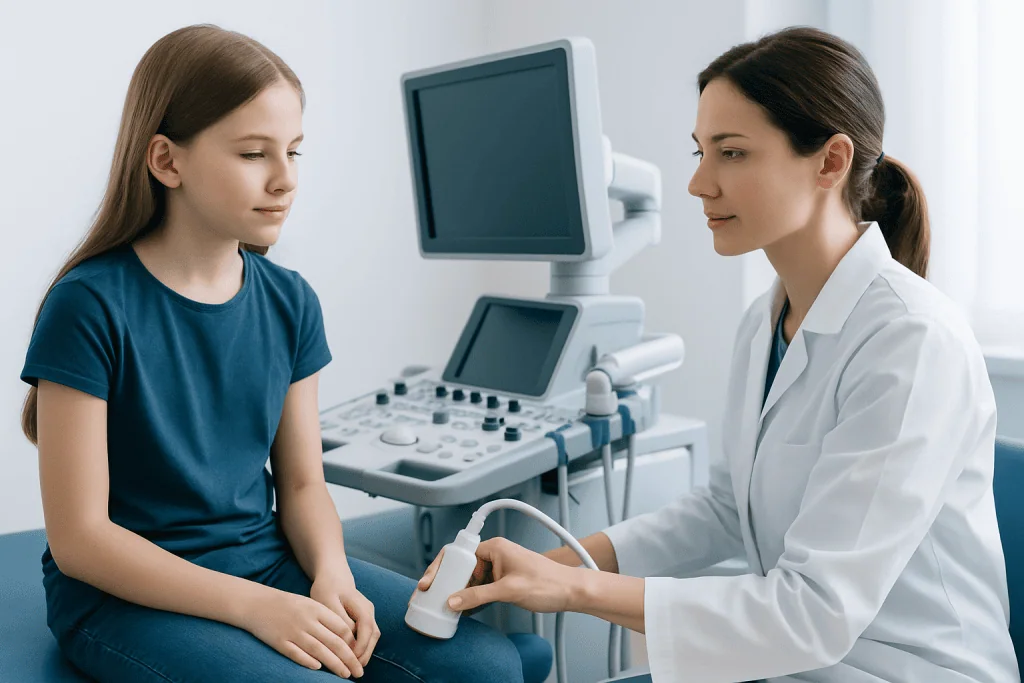
Juvenile arthritis begins before the age of 16 by definition. It can start at almost any point in childhood, including the toddler years, school age or adolescence. Some forms are more often diagnosed in younger children, while others may begin more commonly around adolescence.
Symptoms do not always look like adult arthritis. A young child may limp after waking, avoid using one hand, seem unusually clumsy, resist walking, or become irritable during dressing and bathing. Older children may describe stiffness, joint pain, tiredness or difficulty taking part in sports.
Not every episode of joint pain is arthritis. Viral illnesses, injuries and other conditions can also cause aches or temporary swelling. Persistent swelling, reduced movement, morning stiffness or symptoms lasting several weeks deserve medical assessment rather than relying on home observation alone.
Can children get rheumatoid arthritis?

Children can develop chronic inflammatory arthritis, but it is usually classified as juvenile idiopathic arthritis rather than adult rheumatoid arthritis. “Juvenile rheumatoid arthritis” is an older term that may still be used in everyday conversation. Some subtypes of JIA have features that resemble rheumatoid arthritis in adults, including inflammation in multiple joints and certain blood test findings.
JIA is an autoimmune or autoinflammatory condition, meaning the immune system contributes to inflammation in the body’s own tissues. It is not caused by a child being active, by poor posture, or by something a parent did. The precise cause is not fully understood and is likely to involve a combination of genetic susceptibility and environmental influences.
A diagnosis should be made by a clinician with experience in pediatric inflammatory conditions. This matters because the type of JIA, its severity and whether other organs are involved all influence treatment decisions and follow-up needs.
Candidacy and assessment before treatment
Any child suspected of having JIA may benefit from assessment by a pediatric rheumatology team. There is no single test that confirms every case. Diagnosis is based on the pattern and duration of symptoms, joint examination, medical history and tests used to look for inflammation, assess overall health and exclude other explanations.
Blood tests may include markers of inflammation and selected immune-related tests. Imaging such as ultrasound, X-ray or MRI may be used when it will clarify joint inflammation or help assess structural changes. Results are interpreted alongside the clinical examination; a normal blood test does not necessarily rule out JIA.
Children with some forms of JIA need routine slit-lamp eye examinations with an ophthalmologist, even if their eyes look and feel normal. This is because uveitis, an inflammation inside the eye, can develop without early symptoms. Screening schedules are tailored to the child’s JIA subtype, age and test results.
- Persistent joint swelling or restricted movement supports the need for assessment.
- Morning stiffness, limping and reduced ability to play are important clues.
- Previous infections, skin changes, fever patterns and family history can help guide diagnosis.
- Growth, vaccination status and current medicines are reviewed before treatment choices are made.
What are the treatment options for juvenile rheumatoid arthritis in children?
Juvenile rheumatoid arthritis treatment is tailored to the JIA subtype, the number and location of affected joints, eye involvement, symptom burden and the child’s response over time. Many children need a combination of approaches rather than one treatment alone. The clinical team uses a treat-to-target approach, adjusting care to reach and maintain good inflammation control.
Nonsteroidal anti-inflammatory drugs may be used to reduce pain and stiffness, particularly while a longer-term treatment is taking effect. For inflammation limited to one or a few joints, a specialist may recommend an injection of corticosteroid medication into the affected joint. Short courses of corticosteroids may occasionally be considered for significant inflammation, but long-term systemic use is generally avoided when possible because of potential effects on growth and other body systems.
When arthritis is persistent, affects several joints, or involves certain higher-risk features, disease-modifying antirheumatic drugs may be recommended. These medicines work on the immune pathways that drive inflammation and can help protect joints over the longer term. If disease activity remains insufficiently controlled, biologic medicines or targeted synthetic medicines may be appropriate for selected children under specialist supervision.
Physiotherapy supports range of motion, strength, balance and confidence with movement. Occupational therapy may help with hand function, school activities, fatigue management or supportive equipment. A balanced approach to activity is important: movement is beneficial, but a child may need temporary modifications during a flare. Emotional support and practical communication with the school can also make a meaningful difference.
The treatment journey: step by step and what to expect
After diagnosis or strong clinical suspicion, the team establishes a baseline by documenting joint findings, function, growth, laboratory results and eye-screening needs. The child and family discuss the likely benefits, limitations and monitoring requirements of treatment choices. Shared decision-making is especially important for adolescents, who should be included in age-appropriate discussions about their care.
Early in treatment, follow-up may be more frequent so the team can see whether swelling, stiffness, pain, energy levels and daily function are improving. Blood tests may be scheduled to monitor inflammation and the safety of particular medicines. Families should not change or stop prescribed treatment without discussing it with the specialist, even if a child seems well.
Improvement can occur at different speeds. Pain and stiffness may improve relatively soon with some measures, while disease-modifying and biologic medicines often require time before their full effect can be assessed. A treatment plan may be stepped up, changed or simplified based on disease activity, side effects, test results and a child’s quality of life.
As inflammation becomes controlled, the focus shifts toward maintaining remission or low disease activity, preserving fitness and monitoring for relapse. Some children can eventually reduce or stop specific medicines under specialist guidance, while others require longer-term treatment. Regular reviews remain important even during periods when symptoms are minimal.
Benefits, risks and recovery timeline
The expected benefits of effective treatment include less swelling and stiffness, improved movement, greater participation in school and activities, better sleep and reduced risk of long-term joint damage. Good inflammation control also helps protect a child’s developing body and supports healthy physical function over time. Treatment success is assessed by more than pain alone; joint examination, function, laboratory results and eye health may all be considered.
Risks depend on the therapy used. Anti-inflammatory medicines can affect the stomach, kidneys or blood pressure in some circumstances. Disease-modifying and biologic medicines can increase susceptibility to certain infections and may require blood monitoring. Injection-site reactions, nausea, headache, fatigue or changes in laboratory values can occur with some treatments. The prescribing team explains individual risks, infection precautions and when to contact them.
There is no universal recovery timeline because JIA follows different courses in different children. A flare may improve over days to weeks, while reaching stable disease control can take months and may require adjustments to treatment. Physical rehabilitation is usually gradual and designed to help the child return safely to age-appropriate activities rather than following a fixed timetable.
Parents and caregivers can help by keeping follow-up appointments, recording symptoms or medication concerns, encouraging appropriate movement and supporting consistent routines. Heat, gentle stretching or rest may ease symptoms for some children, but these measures do not replace medical treatment for active inflammation.
Does JIA go away in adulthood?
JIA may become inactive for long periods in some people, including during childhood or adolescence, but it does not always go away permanently. Some children achieve remission and can eventually stop treatment with careful medical supervision. Others continue to have active arthritis, intermittent flares or related health needs into adult life.
The course depends on the JIA subtype, age at onset, joints and other organs involved, response to treatment and other individual factors. Early recognition and appropriately targeted treatment can improve the likelihood of maintaining joint function and reducing inflammation-related complications, although no clinician can predict the course for every child.
As an adolescent approaches adulthood, a planned transition from pediatric to adult rheumatology services can support continuity of care. This process helps the young person understand their diagnosis, medications, monitoring and how to seek help if symptoms return.
When to seek medical care
A child should be evaluated promptly if a joint is swollen, warm, painful or difficult to move; if they have persistent morning stiffness or a limp; or if pain and limited movement continue without a clear injury. A pediatric clinician can decide whether referral to pediatric rheumatology is appropriate. Early assessment is useful because inflammation may be present even when a child reports little pain.
Urgent medical care is needed if a child has a painful red eye, light sensitivity, vision changes, high fever with severe illness, sudden inability to bear weight, or a hot swollen joint with significant pain. These symptoms can have causes other than JIA and should not be managed by waiting for a routine appointment.
Families seeking coordinated assessment can discuss options with experienced pediatric rheumatology services. Acibadem International’s multidisciplinary specialists and JCI-accredited hospitals provide diagnosis and treatment planning for international patients with pediatric inflammatory conditions.
Frequently asked questions
Is juvenile rheumatoid arthritis treatment lifelong?
Not always. Some children reach sustained inactive disease and may be able to reduce or stop selected medicines under specialist supervision. Others need ongoing treatment or periodic treatment adjustments to prevent flares and protect joint function.
What is the first-line treatment for juvenile idiopathic arthritis?
First-line care depends on the type and severity of JIA. It may include anti-inflammatory medication, physiotherapy and, for one or a few inflamed joints, a joint corticosteroid injection. Persistent or more extensive disease may require disease-modifying or biologic medicines.
Can exercise make juvenile arthritis worse?
Appropriate activity is usually beneficial because it supports joint movement, strength, bone health and well-being. During a flare, activity may need to be adapted to pain, swelling and fatigue. A physiotherapist can recommend safe, individualized exercises and activity modifications.
Why does a child with JIA need eye examinations?
Some children with JIA can develop uveitis, an inflammation inside the eye that may not cause noticeable symptoms at first. Regular specialist eye screening can identify inflammation early, when treatment can help protect vision. The required screening frequency depends on the child’s risk profile.
Can diet cure juvenile rheumatoid arthritis?
No specific diet has been proven to cure JIA. Nutritious, balanced eating supports growth, energy and general health, and families may benefit from nutrition advice if appetite, weight or medication effects are concerns. Dietary supplements or restrictive diets should be discussed with the child’s clinical team.
What should parents track between rheumatology appointments?
It can be helpful to note joint swelling, morning stiffness, limping, pain patterns, fatigue, fevers, skin changes, eye symptoms, medication use and any side effects. Information about school attendance, sleep and participation in daily activities can also help the team judge how well treatment is working.
References
- American College of Rheumatology
- Arthritis Foundation
- National Institute of Arthritis and Musculoskeletal and Skin Diseases
- American Academy of Pediatrics
- European Alliance of Associations for Rheumatology
This article is for general information only and is not a substitute for professional medical advice. Please consult a qualified doctor about your individual situation.
Rheumatoid Arthritis in Turkey — costs, top hospitals & a free quote
JCI-accredited · board-certified surgeons · reply within 24h
Add us as a Preferred Source to see more of our trusted health content across Google Search, AI Overviews and Discover.

Physical Medicine & Rehabilitation
Restoring movement and function after injury, surgery or neurological conditions.
153 specialists in this unit