Keppra: An Evidence-Based Guide for Patients

Keppra is a prescription medicine used to reduce or prevent certain seizures. It does not cure epilepsy, but it can help control seizures when taken as prescribed.
Key Takeaways
- Keppra is a prescription medicine used to reduce or prevent certain seizures.
- It does not cure epilepsy, but it can help control seizures when taken as prescribed.
- Common side effects include sleepiness, dizziness, and irritability; mood or behavior changes need prompt medical attention.
- Keppra should not be stopped suddenly unless a doctor specifically advises it.
- Dose adjustments may be needed in kidney disease, older adults, and some children.
Keppra is the brand name for levetiracetam, a prescription anti-seizure medicine used to help prevent certain types of seizures. For many patients, it is effective and generally well tolerated, but it still requires medical supervision, regular follow-up, and attention to possible side effects or mood changes.
What Keppra Is and What It Is Used For
Keppra is the brand name for levetiracetam, an anti-seizure medicine used to help prevent seizures in children and adults. It is prescribed for certain seizure types and may be used alone or together with other anti-seizure medicines, depending on the person’s diagnosis and seizure pattern.
Patients often ask whether Keppra “treats epilepsy.” The short answer is that it helps control seizures, but it does not cure the underlying tendency to have them. In many people, seizure control improves significantly when the medicine is taken consistently as directed.
Keppra is commonly chosen because it has relatively few interactions with other medicines compared with some older anti-seizure drugs. It is available in different forms, including tablets and liquid, which can make treatment easier for people of different ages and needs. For people being evaluated for recurring seizures or epilepsy, a neurologist can decide whether levetiracetam is an appropriate option.
How Keppra Works in the Brain
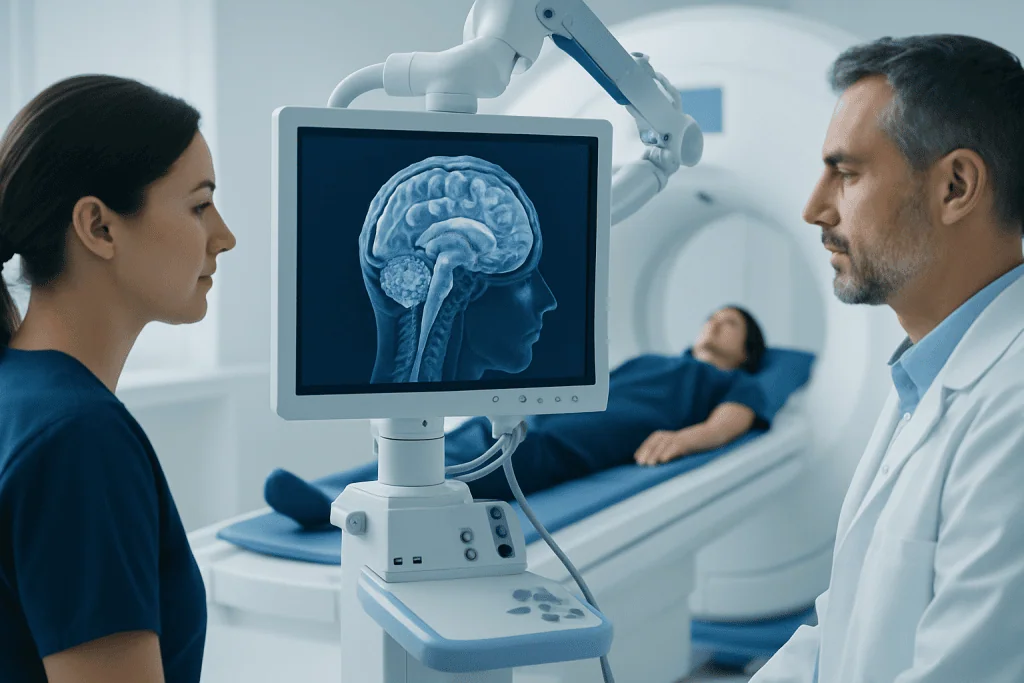
Keppra works differently from many other anti-seizure medicines. It affects signaling between nerve cells in the brain and helps reduce the abnormal electrical activity that can trigger seizures. Although its exact mechanism is complex, the overall goal is to make seizures less likely to happen.
Because seizure disorders vary from person to person, response to treatment also varies. Some patients notice fewer seizures soon after starting Keppra, while others need dose adjustments or a combination approach with other treatments. A doctor will consider seizure type, age, kidney function, and other medical conditions before recommending it.
Keppra is not a rescue treatment for an active seizure. Instead, it is a maintenance medicine meant to be taken regularly to reduce the chance of future seizures. If a patient has repeated seizures despite treatment, further neurological assessment may be needed, sometimes alongside neurology care and medication review.
Who May Be Prescribed Keppra

Doctors may prescribe Keppra for focal seizures, myoclonic seizures, and primary generalized tonic-clonic seizures in selected patients. It can be used in adults and in many children, though the exact use depends on age, diagnosis, and whether the medicine is being used alone or with other anti-seizure drugs.
Keppra may be considered when a patient needs a medicine with a practical dosing schedule and a lower risk of drug interactions. This can be especially relevant for people who take several prescriptions for other health conditions. However, “lower interaction risk” does not mean “no risk,” so all medicines, supplements, and over-the-counter products should still be reviewed with a clinician.
Some people need extra caution before starting Keppra. This includes patients with kidney disease, a history of depression or significant mood symptoms, older adults, pregnant people, and those planning pregnancy. In these situations, the benefits and risks should be discussed carefully with a neurologist or prescribing physician.
How to Take Keppra Safely
Keppra should be taken exactly as prescribed, at the same times each day. It may be taken with or without food. Taking it consistently is important because missed doses can increase the risk of breakthrough seizures.
If a dose is missed, the patient should follow the instructions given by the prescribing doctor or pharmacist. In general, double-dosing is not recommended unless a clinician specifically says so. If missed doses happen often, it is worth discussing reminders, pill organizers, or a simpler routine with the care team.
Keppra should not be stopped suddenly unless a doctor advises it. Abruptly stopping anti-seizure medicine can raise seizure risk and, in some cases, may cause serious complications. If treatment needs to be changed, doctors usually reduce the dose gradually and monitor symptoms closely.
Some patients may also need regular follow-up to review seizure frequency, side effects, kidney function, and overall safety. When seizures remain difficult to control, a broader treatment plan may include further testing or specialized epilepsy surgery assessment in carefully selected cases.
Possible Side Effects and Important Warnings
Like all medicines, Keppra can cause side effects. Common ones include sleepiness, tiredness, dizziness, headache, and weakness. Some people also notice irritability, restlessness, or changes in concentration, especially when first starting treatment or after a dose increase.
Mood and behavior changes are particularly important to watch for. A small number of patients may develop depression, agitation, anger, anxiety, or unusual behavior. If these symptoms appear or become intense, medical advice should be sought promptly, especially if there are thoughts of self-harm or marked changes in personality.
More serious reactions are less common but can occur. These may include severe allergic reactions, significant rash, worsening coordination, or extreme drowsiness. Patients and families should read the medicine information provided with the prescription and contact a clinician if side effects are persistent, severe, or concerning.
- Common side effects: drowsiness, dizziness, fatigue, headache, irritability
- Less common but important: mood changes, depression, aggression, balance problems
- Urgent concerns: suicidal thoughts, severe rash, facial swelling, trouble breathing, major behavior changes
Special Considerations: Pregnancy, Children, Kidney Health, and Daily Life
Pregnancy requires individualized planning for any anti-seizure medicine, including Keppra. Uncontrolled seizures can be harmful, but medicine exposure also needs careful review. Patients who are pregnant, may become pregnant, or are breastfeeding should speak with their doctor before making any medication changes.
In children, Keppra is often used because it is available in child-friendly forms and can be practical to dose. Even so, parents and caregivers should watch for changes in sleep, learning, mood, appetite, or behavior and report concerns to the prescribing clinician.
Kidney function matters because levetiracetam is removed from the body through the kidneys. People with reduced kidney function may need dose adjustments. Older adults may also be more sensitive to sleepiness, dizziness, or balance problems, which can increase fall risk.
Daily life questions are common. Some patients should avoid driving, operating machinery, or activities at height until they know how Keppra affects them and until seizure control is discussed with a doctor. Alcohol may worsen drowsiness or reduce alertness, so patients should ask their clinician whether it is safe for them.
Monitoring, Follow-Up, and What to Do if Seizures Continue
Good seizure care is not only about starting a medicine. Follow-up visits help the doctor understand whether Keppra is controlling seizures, whether side effects are manageable, and whether the dose still fits the patient’s needs over time. Patients may find it helpful to keep a seizure diary that notes timing, duration, triggers, missed doses, and recovery afterward.
If seizures continue, the reason is not always medication failure. Breakthrough seizures can happen because of missed doses, poor sleep, illness, alcohol use, stress, or interactions with other treatments. Sometimes the diagnosis itself needs review, since not all episodes that look like seizures are caused by epilepsy.
Further evaluation may include EEG testing, brain imaging, or referral to a specialist center. Some people benefit from broader care that looks at related causes such as brain tumor or other neurological conditions. Near the end of the care pathway, patients seeking international care may wish to know that Acibadem International’s multidisciplinary specialists and JCI-accredited hospitals diagnose and treat seizure disorders with individualized planning.
When to Seek Medical Care
Patients should contact a doctor if they develop new or worsening side effects, mood changes, unusual irritability, worsening balance, or seizures that are becoming more frequent. Medical review is also important if a person misses multiple doses, has trouble taking the medicine regularly, or thinks the prescription is not working as expected.
Emergency care is needed if a seizure lasts longer than usual, if repeated seizures happen without full recovery between them, or if breathing problems, serious injury, or prolonged confusion occur. Urgent help is also appropriate for severe allergic reactions, such as swelling of the face or throat, difficulty breathing, or widespread rash.
Anyone with thoughts of self-harm, severe depression, or sudden major behavior changes should receive prompt medical attention. If the diagnosis remains uncertain or seizures are difficult to control, a specialist evaluation through neurosurgery or advanced neurology services may be considered when clinically appropriate.
Frequently asked questions
Is Keppra the same as levetiracetam?
Yes. Keppra is a brand name, and levetiracetam is the generic name of the same medicine. A doctor or pharmacist can explain whether a brand or generic version is being prescribed.
What is Keppra used for?
Keppra is used to help prevent certain types of seizures. It may be prescribed alone or together with other anti-seizure medicines, depending on the patient’s diagnosis and response to treatment.
What are the most common Keppra side effects?
Common side effects include drowsiness, dizziness, tiredness, headache, and irritability. Some people also notice mood or behavior changes, which should be discussed with a doctor promptly if they are significant.
Can Keppra be stopped suddenly?
Keppra should usually not be stopped suddenly unless a doctor specifically advises it. Abrupt discontinuation can increase seizure risk, so any change is typically done gradually under medical supervision.
Does Keppra cause mood changes?
It can in some people. Irritability, anxiety, depression, anger, or other behavioral changes may occur, and patients or families should seek medical advice if these symptoms are new, intense, or concerning.
Is Keppra safe during pregnancy?
Pregnancy planning should always be discussed with the prescribing doctor. The right decision depends on the person’s seizure history, overall health, and the balance between seizure control and medication safety.
What should a patient do if Keppra does not seem to work?
They should not change the dose on their own. Instead, they should speak with their doctor, who may review missed doses, possible triggers, side effects, the diagnosis, or whether another treatment plan is needed.
This article is for general information only and is not a substitute for professional medical advice. Please consult a qualified doctor about your individual situation.
Explore treatments in Turkey — costs, top hospitals & a free quote
JCI-accredited · board-certified surgeons · reply within 24h
Add us as a Preferred Source to see more of our trusted health content across Google Search, AI Overviews and Discover.

More from the Health Library

Rabeprazole: A Complete Medical Overview

Bisoprolol — Explained by Medical Evidence, Not Myths

Paresthesia of Skin: An Evidence-Based Guide for Patients

Thought Stopping: What Patients Need to Know

Mast Cells: An Evidence-Based Guide for Patients