Knee ache remedy: What Works at Home, What Doesn’t, and When to See a Doctor

Evidence-backed first steps for a mild knee ache are rest, ice, compression, elevation, and reducing aggravating activity for a short time. Gentle movement and strengthening usually help recovery more than complete bed rest, once serious injury has been ruled out.
Key Takeaways
- Evidence-backed first steps for a mild knee ache are rest, ice, compression, elevation, and reducing aggravating activity for a short time.
- Gentle movement and strengthening usually help recovery more than complete bed rest, once serious injury has been ruled out.
- Some popular remedies, such as supplements or topical products, have mixed evidence and should not replace medical evaluation.
- Red-flag symptoms include inability to bear weight, a locked knee, marked swelling, deformity, fever, or pain after significant injury.
- Persistent or recurring knee pain may reflect conditions such as arthritis, tendon problems, meniscus injury, or ligament damage.
A practical knee ache remedy often begins with rest, ice, compression, elevation, and temporary activity changes, especially after mild overuse or a minor strain. Home care can help many short-term knee aches, but severe pain, major swelling, instability, fever, or trouble bearing weight need medical assessment.
A practical approach to knee ache relief at home
A sensible knee ache remedy usually starts with a few simple steps that are supported by clinical practice: rest from aggravating activity, apply ice, use light compression, elevate the leg when possible, and return to gentle movement as pain allows. This approach is most appropriate for mild pain after overuse, a minor twist, or temporary strain, when there is no major swelling, deformity, or inability to walk.
Not every sore knee needs the same remedy, because “knee ache” is a symptom rather than a diagnosis. The knee may hurt because of overuse, age-related wear, tendon irritation, a cartilage or meniscus problem, inflammation, or an injury to the ligaments. Home care can ease symptoms, but it works best when the pain is mild and there are no warning signs of a more serious problem.
A useful way to think about home treatment is to separate what is evidence-backed from what is mostly anecdotal. Cooling the joint, temporary activity modification, and gradual strengthening have the strongest practical support for uncomplicated knee pain. By contrast, braces for every type of pain, herbal creams, supplements, and internet “hacks” may help some people but have mixed or limited evidence and should not delay a proper diagnosis.
What can cause knee pain
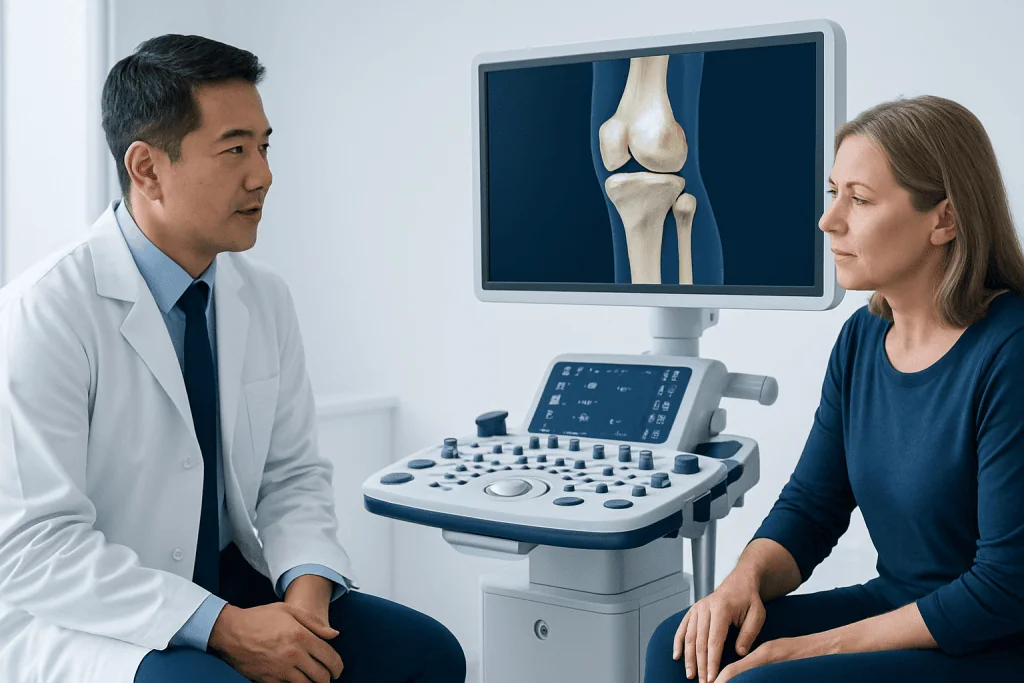
The knee is a large, hard-working joint made up of bone, cartilage, ligaments, tendons, and the surrounding muscles. Pain can arise from any of these structures, which is why the location and pattern of the pain matter. Pain at the front of the knee may suggest kneecap-related strain, while pain along the joint line may occur with cartilage or meniscus irritation.
Common non-emergency causes include overuse from running, climbing stairs, squatting, gardening, or sports; age-related joint wear; tendon irritation; and mild sprains. Some people develop pain because the muscles around the hip and thigh are weak or tight, changing how force passes through the knee. Others have pain from inflammatory conditions or referred pain from the hip or lower back.
Longer-lasting knee pain may be linked to knee osteoarthritis, while sudden pain after a twist may raise concern for a meniscus or ligament injury. A painful, swollen knee can also sometimes be related to arthritis of the knee or, more rarely, infection or crystal-related inflammation. Because causes vary so much, persistent symptoms deserve professional evaluation rather than repeated self-treatment alone.
Evidence-backed home remedies: what usually helps

For a mild knee ache, relative rest is often the best first step. That means reducing activities that trigger pain, such as running, jumping, deep squats, or prolonged kneeling, rather than complete immobility. Short-term activity modification lowers strain on irritated tissue while allowing everyday movement, which is generally healthier for the joint than strict bed rest.
Ice can help in the first day or two after a flare, especially if there is mild swelling or the knee feels warm after activity. A cold pack wrapped in a cloth may be used for short periods at a time to improve comfort. Compression with an elastic bandage and elevation can also reduce mild swelling, provided the wrap is supportive but not tight enough to cause numbness, tingling, or skin color changes.
Gentle range-of-motion exercises are often helpful once severe injury has been ruled out. Early, comfortable movement can reduce stiffness and support circulation. As symptoms settle, many people benefit from guided strengthening and stretching, especially for the quadriceps, hamstrings, gluteal muscles, and calves. When symptoms persist or return, structured physical therapy and rehabilitation may help address weakness, balance, and movement patterns that keep the pain going.
For some people, a simple support such as a sleeve or basic brace may improve confidence and comfort during activity. However, supports should be viewed as an aid rather than a cure. Footwear with good support and avoiding sudden increases in exercise can also be useful parts of a knee ache remedy plan.
Remedies with mixed evidence or limited benefit
Many popular knee pain remedies sound appealing, but the evidence is uneven. Heat may feel soothing for stiffness or chronic muscle tightness, but it is usually less useful than ice right after a new flare with swelling. Alternating heat and cold is commonly recommended, yet it has limited high-quality evidence and should be guided by which one actually improves symptoms without worsening them.
Topical gels or patches may reduce pain for some people, particularly when pain is close to the surface or related to soft tissue irritation. Even so, not every topical product has the same evidence behind it, and “natural” ingredients do not always mean stronger or safer results. Likewise, dietary supplements such as glucosamine, collagen, turmeric, or similar products have mixed study findings and should not be relied on as a primary treatment for persistent knee problems.
Massage, foam rolling, and acupuncture may help certain people feel better, especially if tight muscles around the knee contribute to discomfort. These approaches can sometimes support symptom control, but they do not correct structural problems such as an unstable ligament, a locked meniscus, or advanced joint degeneration. If a remedy seems to help only briefly while the knee continues to swell, buckle, or lose motion, it is important to seek medical advice rather than repeating temporary fixes.
- More evidence-backed: rest from aggravating activity, ice, compression, elevation, gradual exercise, weight management when relevant
- Mixed evidence: heat, braces for nonspecific pain, massage, acupuncture, supplements, many “natural” creams
- Not advisable: pushing through severe pain, prolonged immobilization without medical advice, aggressive stretching after acute injury
What not to do when the knee hurts
One of the most common mistakes is doing too much too soon because the pain briefly improves. Knees often feel better before irritated tissues are fully settled, so returning immediately to impact exercise, heavy lifting, or repeated stairs can restart the problem. A gradual return to activity is usually safer than testing the joint with intense movement.
Another unhelpful strategy is complete inactivity for many days without clear reason. Prolonged rest can worsen stiffness and muscle weakness, which may increase knee discomfort over time. Unless a clinician has advised temporary immobilization, gentle walking and comfortable range-of-motion exercises are generally better than staying in bed.
People should also avoid assuming every knee ache is “just arthritis” or “just aging.” New swelling, catching, giving way, or loss of motion can point to a treatable injury. Repeatedly using pain relief methods without understanding the cause may delay diagnosis of problems that benefit from targeted care, such as a meniscus tear or ligament injury.
When to seek medical care
Seek medical care promptly if knee pain is accompanied by red-flag symptoms such as an inability to bear weight, a visibly deformed joint, major swelling that appears quickly, a locked knee that will not fully bend or straighten, fever, redness and warmth with feeling unwell, numbness, or pain after a significant fall, twist, or sports injury. These symptoms can suggest fracture, significant ligament or cartilage injury, infection, or another condition that should not be managed at home alone.
Medical assessment is also a good idea if the pain lasts more than a few days without improving, keeps returning, interferes with sleep, or limits normal walking, work, or exercise. A doctor may examine how the knee moves, check for swelling or instability, and decide whether imaging is needed. In some cases, an X-ray helps assess bone and arthritis changes, while MRI may be used when soft tissues such as ligaments, cartilage, or meniscus are suspected.
Treatment depends on the cause. Some people need supervised rehabilitation, others benefit from medication or injections, and some injuries may require orthopedic review. For ongoing mechanical symptoms such as locking, catching, or instability, a specialist may discuss options including knee arthroscopy when appropriate. Near the end of the care pathway, Acibadem International’s multidisciplinary specialists and JCI-accredited hospitals evaluate and treat knee conditions for international patients.
How doctors diagnose and treat persistent knee pain
Diagnosis starts with the story: when the pain began, where it is felt, what makes it worse, whether there was an injury, and whether symptoms include swelling, clicking, locking, or giving way. A physical exam can reveal tenderness, fluid in the joint, reduced range of motion, or looseness in the ligaments. This helps distinguish overuse pain from structural injury or inflammatory disease.
Not all knee pain needs imaging immediately. X-rays are often useful for suspected fracture or osteoarthritis, while ultrasound may help with some soft tissue or fluid-related issues. MRI is typically reserved for cases where the result would change management, such as suspected meniscus tear, ligament injury, or unexplained persistent pain despite conservative treatment.
Treatment is matched to the underlying problem. Conservative options can include targeted exercise therapy, weight management, supportive devices, and symptom-relieving medicines recommended by a clinician. If there is significant joint damage or advanced arthritis that no longer responds to non-surgical measures, orthopedic teams may discuss further options such as knee replacement in carefully selected patients.
Prevention and self-care for future flare-ups
Many knee aches can be reduced by building strength and avoiding sudden spikes in load. Regular exercise that strengthens the quadriceps, hamstrings, gluteal muscles, and core helps the knee absorb force more efficiently. Low-impact options such as walking, cycling, swimming, or water exercise can be especially helpful for people who find running or jumping aggravates symptoms.
Technique and equipment matter too. Warm up before sport, increase training gradually, wear supportive shoes, and replace worn footwear when needed. If kneeling or squatting is part of work or home activities, using pads, changing position regularly, and taking breaks may reduce repeated strain on the joint.
Weight management can also make a meaningful difference for some people, particularly when pain is related to wear-and-tear changes. Just as important is listening to early warning signs: recurring soreness after activity, swelling, or stiffness the next day often means the knee needs a lower load, better recovery, or medical review. A knee ache remedy works best when it is paired with understanding the cause and protecting the joint over time.
Frequently asked questions
What is the best knee ache remedy to try first at home?
For mild knee pain without red-flag symptoms, the most practical first steps are rest from aggravating activity, ice, compression, elevation, and gentle movement as tolerated. This approach can help calm irritation and swelling after minor overuse or a small strain. If pain is severe, the knee is unstable, or walking is difficult, home care alone is not enough.
Should heat or ice be used for a sore knee?
Ice is usually more helpful early on, especially if the knee is swollen, warm, or painful after recent activity or a minor injury. Heat may be more soothing for stiffness or chronic tightness around the joint. The choice can depend on symptoms, but heat should be used cautiously if the knee is actively inflamed or swollen.
Is walking good for knee pain?
Gentle walking is often beneficial because it keeps the joint moving and can reduce stiffness. However, if walking causes limping, sharp pain, or worsening swelling, activity should be reduced and the knee assessed. The goal is comfortable movement, not pushing through significant pain.
Do knee braces help with knee aches?
A simple sleeve or brace may improve comfort and provide a feeling of support for some people. It can be helpful as part of a broader plan that includes exercise, activity modification, and evaluation of the cause. A brace is not a substitute for diagnosis when the knee locks, gives way, or remains swollen.
When should someone see a doctor for knee pain?
A doctor should assess knee pain right away if there is major swelling, deformity, fever, inability to bear weight, a locked knee, or pain after a significant injury. Medical advice is also important if symptoms do not improve within a few days, keep returning, or interfere with daily life. Persistent pain may need imaging or specialist treatment.
Can supplements cure knee pain?
Supplements do not cure most causes of knee pain, and the evidence for products such as glucosamine, collagen, or turmeric is mixed. Some people feel symptom relief, but results are not consistent and they should not replace proven treatments. Ongoing or worsening pain needs a proper medical evaluation.
References
- American Academy of Orthopaedic Surgeons
- National Institute of Arthritis and Musculoskeletal and Skin Diseases
- National Health Service
- American College of Rheumatology
- Mayo Clinic
This article is for general information only and is not a substitute for professional medical advice. Please consult a qualified doctor about your individual situation.
Joint and spine care in Turkey — expert assessment & treatment
JCI-accredited · board-certified surgeons · reply within 24h
Add us as a Preferred Source to see more of our trusted health content across Google Search, AI Overviews and Discover.

More from the Health Library



Related Specialists

Dr. Özgün Özçelik
Radiology
Prof. Dr. Çiğdem Ünal Gülmeden
Aesthetic Plastic & Reconstructive Surgery
Dr. Işıl Kesimci
Intensive Care
Prof. Dr. Mehmet Ada
Otorhinolaryngology