Knee Knocking Treatment: How It Works, Results and What to Expect
Knock knees, medically called genu valgum, are often a normal stage of leg development in young children. Persistent, worsening or one-sided knee knocking should be assessed to identify possible bone, growth or metabolic causes.
Key Takeaways
- Knock knees, medically called genu valgum, are often a normal stage of leg development in young children.
- Persistent, worsening or one-sided knee knocking should be assessed to identify possible bone, growth or metabolic causes.
- Adults and skeletally mature adolescents with painful significant malalignment may be candidates for corrective osteotomy.
- Recovery after knock knee surgery is gradual and includes protected weight-bearing, physiotherapy and follow-up imaging.
- Treatment aims to improve alignment, reduce uneven joint loading and support comfortable movement rather than create a particular appearance.
Knee knocking treatment depends on age, the degree of leg alignment, symptoms and the underlying cause. Many young children need observation only, while persistent or painful knock knees may benefit from specialist assessment, guided growth procedures or corrective osteotomy surgery.
Knee Knocking Treatment: What It Involves
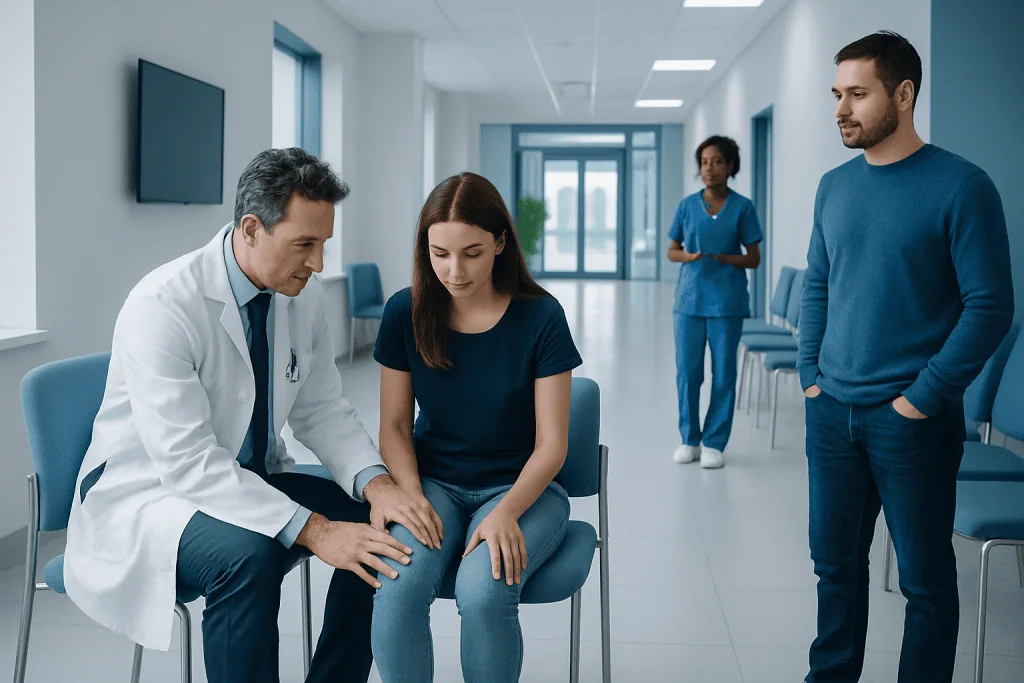
Knee knocking treatment is tailored to the person’s age, symptoms, leg alignment and cause of the condition. In many children, knees that angle inward are a normal developmental pattern that improves naturally as growth continues. When the alignment is severe, persists beyond the expected age, affects one leg more than the other, or causes pain and difficulty walking, an orthopedic assessment can clarify whether treatment is needed.
Knock knees are known medically as genu valgum. When standing with the knees together, the ankles remain apart. Mild alignment differences may not cause symptoms, but marked malalignment can place more load on one side of the knee and may contribute to fatigue, instability, kneecap discomfort or earlier joint wear in some people.
Treatment may range from reassurance and monitoring to addressing an underlying nutritional, hormonal or bone condition. For children who are still growing, guided growth may gradually correct the alignment. For adults or adolescents who have finished growing and have substantial symptoms or deformity, a bone realignment operation called osteotomy may be considered.
Who May Need Assessment or Treatment?
It is common for children to develop a degree of knock-kneed alignment between approximately ages 2 and 5. The legs usually become more neutral with further growth. A clinician may recommend observation when the child is comfortable, the alignment is symmetrical and development is otherwise typical.
Further assessment is more important when knee knocking is pronounced, progressing, painful, uneven between the legs, present outside the usual developmental period, or associated with a limp. A history of injury, infection, bone disease, vitamin D deficiency, kidney disease or a family history of skeletal conditions may also guide evaluation.
In adults, genu valgum may develop or become more noticeable after previous trauma, arthritis, ligament problems, bone healing in an altered position, or longstanding alignment differences. The decision to treat is not based on appearance alone. It considers pain, functional limitations, joint health, physical examination findings and standing leg X-rays.
- Observation: often appropriate for young children with typical developmental knock knees.
- Underlying-cause care: may include treatment of nutritional or metabolic bone conditions where identified.
- Guided growth: may be suitable for selected children with growth remaining.
- Osteotomy: may be considered for symptomatic, significant deformity after growth has finished.
How Knock Knee Correction Surgery Works
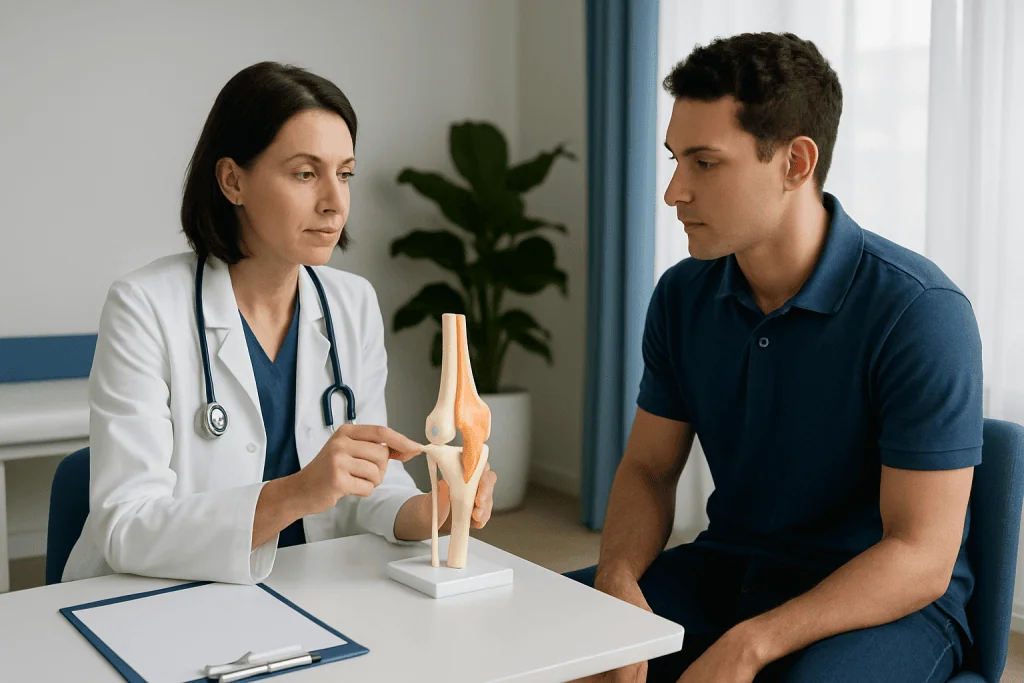
Corrective surgery for significant knock knees is commonly an osteotomy. This procedure changes the angle of the leg by carefully cutting and repositioning bone, usually near the lower end of the thigh bone (femur) or, in some cases, the upper shin bone (tibia). The goal is to bring the weight-bearing line closer to a healthier position across the knee.
Before surgery, the orthopedic team performs detailed planning using full-length standing X-rays and sometimes additional imaging. These images help measure the deformity, identify where it originates and determine the correction required. Surgeons also consider cartilage condition, ligament stability, knee motion and the person’s everyday activity goals.
During osteotomy, the surgeon creates a planned bone cut, adjusts the alignment and stabilizes the bone with a plate and screws or another fixation method. Depending on the technique, a small wedge of bone may be removed or an opening wedge may be created and supported with graft material when needed. The bone then heals gradually in its corrected position.
In growing children, guided growth is different from osteotomy. Small implants are placed near one side of a growth plate to slow growth there temporarily, allowing the other side to gradually catch up and improve alignment. This approach requires careful timing and regular follow-up because correction occurs as the child grows.
What Happens Before, During and After the Procedure?
Preparation usually includes an orthopedic consultation, medical history, physical examination and standing alignment X-rays. Blood tests, anesthesia assessment and discussion of medicines may be needed before an operation. The surgeon explains the planned correction, expected rehabilitation, possible need for mobility aids and the importance of attending follow-up appointments.
On the day of surgery, anesthesia is used so the patient does not feel the operation. The surgical team makes an incision near the planned bone correction site, performs the osteotomy, verifies alignment with imaging and secures the bone in its new position. The length of hospitalization varies with the procedure, general health, pain control and mobility progress.
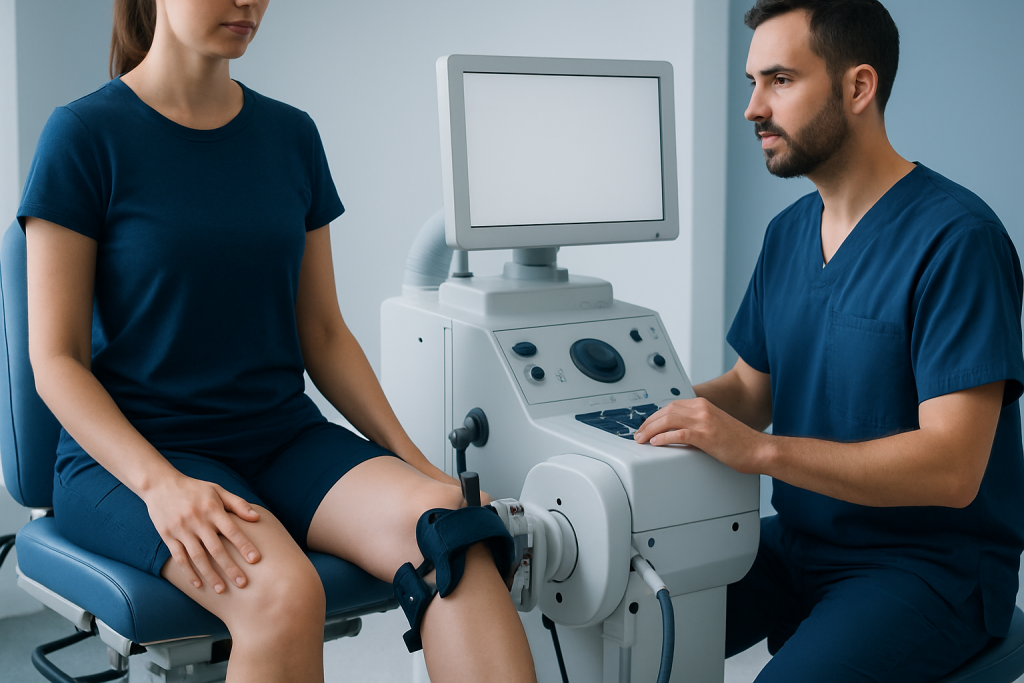
After surgery, pain relief, wound care and prevention of blood clots are important parts of care. The operated leg may initially be swollen and stiff. A physiotherapist teaches safe transfers, exercises to maintain movement and strength, and appropriate use of crutches or a walker. Weight-bearing instructions vary according to the exact osteotomy and stability of the fixation.
Corrective osteotomy is a specialized form of knee realignment treatment that may help preserve the natural joint in selected people. It is not the same as knee replacement, although both may be considered in different clinical situations when knee alignment and arthritis are involved.
How Long Does It Take to Walk After Knock Knee Surgery?
Most people begin standing and taking assisted steps with crutches or a walker soon after knock knee surgery, often within the first few days, if their surgeon advises it is safe. However, being able to take a few protected steps is different from walking normally. The permitted amount of weight on the operated leg depends on the location of the osteotomy, the fixation method and the surgeon’s assessment of bone stability.
Some patients can bear weight as tolerated relatively early, while others need partial or minimal weight-bearing for several weeks. Crutches are commonly needed during the early recovery period. Physiotherapy helps restore knee movement, leg strength, balance and a normal walking pattern as healing progresses.
Bone healing takes time. Follow-up X-rays are used to check that the osteotomy is consolidating before activity is advanced. Return to independent walking may take several weeks to a few months, and recovery of strength and confidence can continue for longer. The individual surgical team provides the safest timeline because it is based on the exact procedure and healing progress.
How Painful Is Knock Knee Surgery?
Knock knee surgery causes postoperative pain and soreness, particularly during the first days and weeks, because bone and surrounding soft tissues need to heal. Pain experiences vary widely. Modern anesthesia, prescribed pain medicines, icing when advised, elevation, gentle movement and physiotherapy are used together to make recovery as manageable as possible.
Patients may notice stiffness, swelling, bruising and discomfort around the incision or bone correction site. These symptoms should gradually improve. Physiotherapy exercises can be challenging at first, but they are designed to restore safe knee motion and muscle control rather than force painful movement.
It is important to contact the surgical team promptly for pain that becomes suddenly severe or is not relieved by the prescribed plan, as well as increasing redness, drainage, fever, marked calf swelling, chest pain or shortness of breath. These symptoms do not always indicate a complication, but they need timely medical evaluation.
Can You Actually Fix Knock Knees?
Yes, knock knees can often be improved or corrected when treatment is appropriate, but the best approach depends on why they developed and whether growth remains. In young children with typical developmental genu valgum, the body commonly corrects the alignment naturally without surgery. Treatment is not necessary simply because the knees touch.
When a correctable underlying cause is found, such as a nutritional or metabolic bone problem, addressing that condition can be an essential part of care. For selected growing children with persistent significant deformity, guided growth can gradually improve alignment. For mature adolescents and adults, osteotomy can provide a more direct correction of a substantial bone alignment problem.
Even after successful correction, results depend on factors such as joint cartilage health, body weight, muscle strength, activity demands, rehabilitation participation and whether arthritis is already present. Surgery is planned to improve alignment and function, not to promise a completely symptom-free knee or prevent every future joint problem. Related concerns such as knee arthritis may also influence treatment planning.
How Much Time Does It Take to Get Rid of Knock Knees?
The time needed to improve knock knees varies considerably. In young children with a normal developmental pattern, alignment may change gradually over months to years as they grow. Regular observation by a clinician may be all that is required when the child has no pain, limp or concerning associated features.
Guided growth works gradually and often takes many months because it relies on remaining growth. The child needs periodic X-rays so the orthopedic team can monitor correction and decide when an implant should be removed or adjusted. The exact pace cannot be predicted in advance because growth rates differ between children.
After osteotomy, the bone generally needs several months to heal sufficiently for increasing activity, while full rehabilitation may take longer. Return to high-impact sport, heavy physical work or demanding activities is individualized and should wait for the surgeon’s approval. A realistic plan includes not only bone healing but also regaining strength, knee motion and confidence in movement.
Acibadem International’s multidisciplinary orthopedic, rehabilitation and diagnostic teams at JCI-accredited hospitals support international patients undergoing assessment and treatment for lower-limb alignment conditions.
Benefits, Risks and When to Seek Medical Care
Potential benefits of successful knock knee correction include improved leg alignment, more balanced loading through the knee, better walking comfort and improved ability to take part in daily activities. For some people, correcting marked malalignment may help protect a healthier part of the knee joint. Benefits should be weighed against the recovery commitment and the person’s specific joint condition.
As with any operation, osteotomy carries risks. These include infection, bleeding, blood clots, nerve or blood vessel injury, delayed or failed bone healing, stiffness, persistent pain, overcorrection or undercorrection, and irritation from surgical hardware. Some people later need another procedure, such as hardware removal or additional correction. The orthopedic surgeon discusses individual risks before treatment.
When to seek medical care: Medical review is advised for a child or adult with worsening knee alignment, a limp, knee or hip pain, repeated falls, one leg that looks different from the other, limited activity, swelling, or a history of injury. Urgent care is appropriate after surgery for breathing difficulty, chest pain, sudden significant calf swelling, uncontrolled pain, fever, wound drainage or rapidly spreading redness.
A consultation with an orthopedic specialist can help distinguish a normal developmental variation from a condition that needs investigation. A personalized plan may include monitoring, rehabilitation, management of contributing conditions or surgical correction when the expected benefits justify it.
Frequently asked questions
What is the main treatment for knee knocking?
The main treatment depends on age and severity. Young children with typical developmental knock knees often need only observation, while persistent or symptomatic deformity may require treatment of an underlying cause, guided growth or corrective osteotomy.
How long does it take to walk after knock knee surgery?
Many patients start assisted walking with crutches or a walker soon after surgery, according to their surgeon’s instructions. Independent walking and a more natural gait usually return gradually over weeks to months as bone healing and strength improve.
How painful is knock knee surgery?
Pain and stiffness are expected after osteotomy, especially early in recovery, but they are managed with anesthesia, prescribed medicines and rehabilitation support. Pain should improve over time; severe or worsening pain should be discussed promptly with the surgical team.
Can you actually fix knock knees?
Many cases can be improved, and some can be corrected, with the right treatment for the person’s age and cause. Natural growth may correct developmental knock knees in children, while guided growth or osteotomy may be options for selected persistent cases.
How much time does it take to get rid of knock knees?
Natural improvement in children can take months or years as the legs grow. Guided growth typically works over months, while osteotomy recovery includes several months of bone healing and longer rehabilitation for full function.
Do exercises correct knock knees?
Exercises can strengthen the hips, thighs and core, improve movement control and support comfort, but they do not usually change a significant bony alignment deformity after growth has finished. A physiotherapist or orthopedic clinician can recommend exercises suited to the individual.
References
- American Academy of Orthopaedic Surgeons
- American Academy of Pediatrics
- National Institute of Arthritis and Musculoskeletal and Skin Diseases
- OrthoInfo, American Academy of Orthopaedic Surgeons
- National Health Service
This article is for general information only and is not a substitute for professional medical advice. Please consult a qualified doctor about your individual situation.
Joint and spine care in Turkey — expert assessment & treatment
JCI-accredited · board-certified surgeons · reply within 24h
Add us as a Preferred Source to see more of our trusted health content across Google Search, AI Overviews and Discover.

More from the Health Library

Related Specialists
Fzt. Atilla Murat Ünver
Physical Medicine & Rehabilitation
Dr. Özgür Güler
Anesthesiology
Fzt. Fırat Çenberci
Physical Medicine & Rehabilitation
Assoc. Prof. Dr. Emel Ur Özçelik
Neurology