Knee Replacement Recovery Timeline: What to Expect

Recovery after knee replacement happens gradually, with early walking and exercises starting soon after surgery. Pain, swelling, stiffness, and fatigue are common at first and usually improve with time and rehabilitation.
Key Takeaways
- Recovery after knee replacement happens gradually, with early walking and exercises starting soon after surgery.
- Pain, swelling, stiffness, and fatigue are common at first and usually improve with time and rehabilitation.
- Physical therapy, home exercises, and safe daily activity are central to regaining strength and movement.
- Most people return to many normal activities within weeks, but full recovery can take several months.
- Warning signs such as fever, worsening redness, chest pain, or sudden calf swelling need prompt medical attention.
A knee replacement recovery timeline is different for each person, but most patients improve step by step over several weeks and months. Knowing what to expect can make recovery feel more manageable and help patients take an active role in healing.
Overview of the Knee Replacement Recovery Timeline
The knee replacement recovery timeline describes the period after surgery when the body heals and the new joint begins to function more comfortably. Recovery often starts immediately after the operation, with supervised movement, pain control, and walking assistance introduced early. Although patients often notice progress within the first few weeks, complete recovery usually takes longer and continues in stages.
Most people move through a similar general pattern, but no two recoveries are exactly the same. Age, overall health, muscle strength before surgery, the condition of the knee, and how closely rehabilitation instructions are followed can all affect the pace of healing. Some people recover quickly in daily activities, while others need more time for stiffness, balance, or confidence to improve.
In the first days after surgery, the main goals are to control pain, reduce swelling, begin gentle movement, and lower the risk of complications such as blood clots. Over the following weeks, attention shifts toward improving knee bending and straightening, rebuilding leg strength, and gradually returning to walking, climbing stairs, and other routine tasks.
By the later stages of recovery, many patients can enjoy better mobility and less pain than before surgery. However, occasional swelling, tightness, or fatigue may continue for several months. Understanding this gradual pattern can help set realistic expectations and reduce frustration during the healing process.
What to Expect in the First Days and Weeks
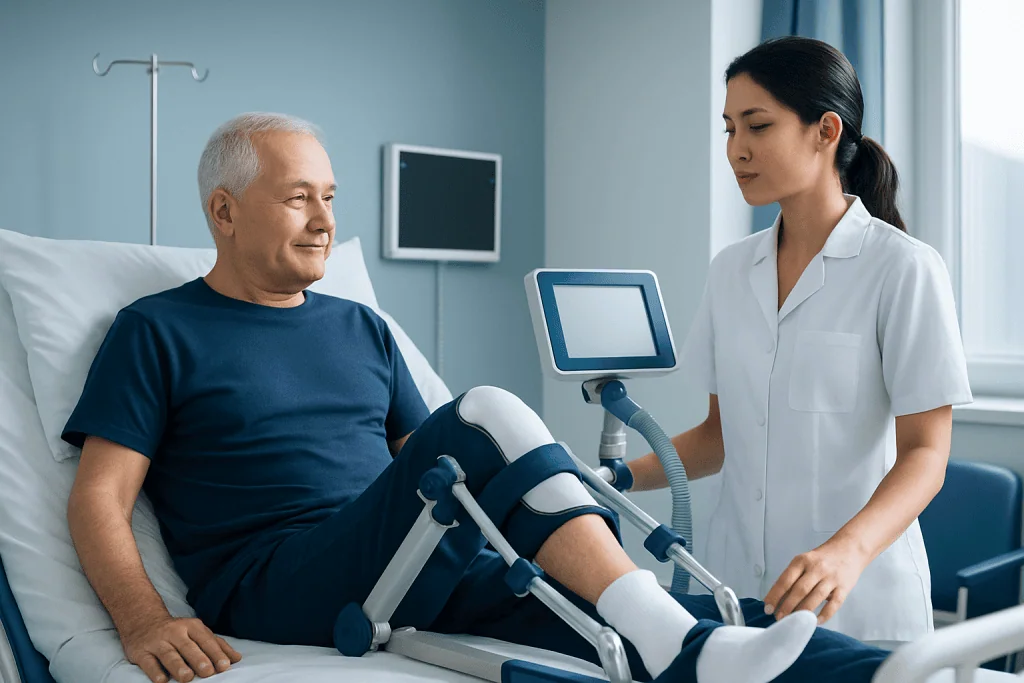
Right after knee replacement surgery, it is common to feel soreness, stiffness, and swelling around the knee. Pain is usually managed with a combination of medicines and supportive measures such as icing, leg elevation, and guided movement. Hospital staff often encourage standing and taking a few steps as soon as it is safe, sometimes on the day of surgery or the day after.
During the first one to two weeks, walking usually begins with a walker or crutches. Patients may find that getting in and out of bed, using the bathroom, and climbing a few steps requires planning and support at first. It is also normal to feel tired more easily than expected, because surgery places stress on the body and sleep may be disrupted during early recovery.
By about two to six weeks, many people are moving more independently and may transition from a walker to a cane, depending on balance and strength. Swelling and discomfort are often still present, especially after activity, but they generally become more manageable. Range-of-motion exercises and short walks are usually increased gradually during this period.
Recovery milestones can vary, but many patients notice small improvements week by week rather than day by day. It can help to focus on steady progress, such as needing less support to walk, bending the knee a little further, or being able to sit and stand more comfortably.
Common Symptoms During Recovery

Several symptoms are expected during recovery after knee replacement. Pain around the surgical area is common, especially during movement and exercise, but it should gradually improve over time. Swelling can affect the knee, lower leg, and sometimes even the foot or ankle, particularly later in the day or after walking.
Stiffness is another frequent concern. Many patients describe the knee as feeling tight, heavy, or difficult to bend normally in the early stages. This usually improves with regular exercises and continued movement, although some stiffness may persist for months before the knee feels more natural.
Bruising, warmth around the incision, and mild numbness near the scar can also happen. These changes are often part of normal healing. Sleep disturbance, reduced appetite, temporary mood changes, and fatigue are also common after major surgery and do not necessarily mean that something is wrong.
Even when symptoms are expected, they should gradually trend in a better direction. Sudden worsening pain, rapidly increasing swelling, drainage from the wound, or symptoms that interfere more and more with daily life deserve medical review. A doctor can help distinguish normal healing from a complication.
Factors That Affect Recovery Speed
Many factors can influence how quickly someone moves through the knee replacement recovery timeline. Good general health, a healthy body weight, strong muscles before surgery, and careful participation in rehabilitation often support smoother recovery. On the other hand, conditions such as diabetes, circulation problems, smoking, or severe joint stiffness before surgery may slow healing.
The type of knee problem that led to surgery can also matter. Many people need the operation because of advanced knee osteoarthritis, which may have already reduced strength and mobility before surgery. Entering surgery with significant pain or limited movement can make early rehabilitation more challenging, though meaningful improvement is still very possible.
Home support is another important part of recovery. Patients who have help with meals, transport, medication schedules, and household tasks may find it easier to focus on walking, exercises, and rest. Mental readiness also matters, because motivation, patience, and realistic expectations often support better participation in rehabilitation.
Following post-operative instructions carefully is one of the most important factors patients can control. This includes wound care, medication use, safe activity, and follow-up visits. If progress seems slow, it does not always mean the surgery was unsuccessful; many people simply recover at a different pace.
Rehabilitation, Exercise, and Daily Activity
Rehabilitation is one of the most important parts of recovery after knee replacement. Guided exercise helps restore knee movement, improve muscle strength, and support balance and walking. Depending on the patient’s needs, rehabilitation may include hospital-based therapy, outpatient care, or a structured home plan such as physical therapy and rehabilitation.
Early exercises often focus on gently straightening and bending the knee, tightening the thigh muscles, and moving the ankle to support circulation. As healing continues, exercises usually progress to walking practice, stair training, and strengthening the muscles around the knee and hip. Regular practice is important, but overdoing activity can increase swelling and discomfort, so balance is essential.
Daily activity usually returns in stages. Many people can manage short walks, basic self-care, and simple household tasks within the first few weeks, while driving, office work, or shopping may take longer depending on comfort, reaction time, and which knee was operated on. Jobs that require long standing, lifting, kneeling, or climbing often need a longer recovery period.
Low-impact activities are generally favored during long-term recovery. Walking, cycling, and swimming are commonly recommended once approved by the surgeon. High-impact sports and activities that put repetitive heavy stress on the joint may be discouraged to help protect the replacement over time.
Pain Relief, Wound Care, and Follow-Up
Pain control is a central part of early recovery. Doctors commonly use a plan that may include more than one type of pain-relief method, along with icing, positioning, and timed movement. Good pain management is not only about comfort; it also helps patients participate more fully in walking and exercise.
Wound care instructions should be followed exactly as given by the surgical team. The incision should be kept clean and dry, and dressings should be changed only as advised. Patients are usually told what to watch for, including unusual drainage, worsening redness, or separation of the wound edges.
Follow-up visits allow the team to check healing, mobility, and progress in rehabilitation. In some cases, imaging such as MRI is used later to investigate ongoing pain or soft tissue concerns, although routine follow-up after knee replacement more commonly relies on physical examination and X-rays. If recovery is slower than expected, the doctor may adjust the rehabilitation plan or evaluate for stiffness, infection, or other causes.
Some patients undergoing knee replacement benefit from coordinated care involving orthopedic surgeons, rehabilitation specialists, pain management teams, and nursing staff. Near the end of recovery planning, patients may also discuss long-term activity goals and ways to protect the new joint in everyday life.
Prevention of Complications and Self-Care at Home
Good self-care at home can support healing and reduce the risk of complications. Patients are often advised to keep moving regularly, avoid sitting still for long periods, and use prescribed blood-thinning measures or compression devices if recommended. Gentle ankle movements, short walks, and changing position often help circulation during the first days and weeks.
Managing swelling is another major part of self-care. Resting with the leg elevated, applying ice as instructed, and pacing activity can help reduce discomfort. Supportive footwear, clear walking paths, and handrails may also improve safety and lower the chance of falls while balance is still improving.
Nutrition and hydration also matter. A balanced diet with adequate protein, vitamins, and fluids can support wound healing and recovery of strength. Smoking cessation is strongly encouraged, because smoking can impair circulation and slow healing after surgery.
It is also helpful to protect the knee without becoming overly inactive. Patients should follow the care team’s instructions on walking aids, exercise progression, bathing, and returning to work or travel. At centers such as Acibadem International, multidisciplinary specialists in JCI-accredited hospitals care for international patients who need evaluation and treatment for orthopedic recovery concerns.
When to See a Doctor
Most discomfort after surgery improves gradually, but certain symptoms need prompt medical attention. Patients should contact a doctor if they develop fever, chills, increasing redness around the incision, worsening wound drainage, or pain that becomes significantly worse instead of better. These symptoms can suggest infection or another complication that should not be ignored.
Urgent care is also important for possible blood clot or lung symptoms. New calf pain, marked swelling in one leg, sudden shortness of breath, or chest pain should be assessed right away. These symptoms are not typical signs of routine recovery and need immediate medical evaluation.
Patients should also seek advice if they cannot bear weight, if the knee suddenly becomes unstable, or if stiffness is so severe that progress stops completely. Persistent sleep problems, low mood, or difficulty managing medications are also worth discussing, because recovery includes both physical and emotional adjustment.
Regular follow-up with the orthopedic team helps ensure that healing stays on track. Asking questions early is often the best way to prevent small issues from becoming larger setbacks. If there is uncertainty about whether a symptom is normal, it is safest to check with a qualified doctor.
Frequently asked questions
How long does knee replacement recovery usually take?
Many patients see meaningful improvement within the first 6 to 12 weeks, but full recovery often continues for several months. Some swelling, stiffness, or fatigue can last longer as the knee continues to heal and adapt.
When can someone walk after knee replacement surgery?
Walking often starts very soon after surgery, sometimes the same day or the next day, with help from hospital staff. Most patients use a walker or crutches at first and gradually reduce support as strength and balance improve.
Is pain normal during knee replacement recovery?
Yes, pain and soreness are expected in the early stages of recovery. The important pattern is that pain should gradually improve over time, especially with proper medication, icing, rest, and rehabilitation.
How long does swelling last after knee replacement?
Swelling is common for weeks after surgery and may continue to come and go for several months, especially after activity. Elevation, icing, and pacing daily movement often help control it.
When can a patient drive after knee replacement?
The timing varies depending on which knee was replaced, pain control, strength, and whether the patient can react safely. A doctor should confirm that driving is safe before the patient returns to it.
What activities should be avoided after knee replacement?
High-impact activities such as jumping, running, or contact sports may be discouraged because they can place extra stress on the artificial joint. Low-impact options such as walking, cycling, and swimming are often preferred once approved by the care team.
References
- American Academy of Orthopaedic Surgeons
- National Institute for Health and Care Excellence
- National Health Service
- Arthritis Foundation
This article is for general information only and is not a substitute for professional medical advice. Please consult a qualified doctor about your individual situation.
Joint and spine care in Turkey — expert assessment & treatment
JCI-accredited · board-certified surgeons · reply within 24h
Add us as a Preferred Source to see more of our trusted health content across Google Search, AI Overviews and Discover.

Orthopedics & Spine
Care for bones, joints and the musculoskeletal system, including joint replacement, sports injuries and trauma.
125 specialists in this unit