

Knee Replacement Success Rates: What Results Are Realistic?

Most people experience less pain and better daily function after knee replacement. Success means improvement in quality of life, not always a perfectly normal-feeling knee.
Key Takeaways
- Most people experience less pain and better daily function after knee replacement.
- Success means improvement in quality of life, not always a perfectly normal-feeling knee.
- Rehabilitation, muscle strength, and realistic expectations strongly affect outcomes.
- Implants can last many years, but longevity varies from person to person.
- Complications are uncommon but can affect recovery and final results.
Knee replacement surgery usually provides meaningful pain relief and improved function for people with advanced knee joint damage. Realistic results depend on overall health, the condition of the joint, the type of procedure, and how well rehabilitation is followed.
Overview: What Knee Replacement Success Rates Really Mean
When people ask about knee replacement success rates, they often want to know one simple thing: will the surgery help them feel and move better? In most cases, the answer is yes. Knee replacement is designed to reduce pain, improve function, and make daily activities such as walking, climbing stairs, and getting up from a chair easier. It is commonly recommended when knee arthritis or severe joint damage has not improved enough with medicines, physical therapy, injections, weight management, or activity changes.
Success, however, can mean different things to different people. For one person, success may be sleeping through the night without knee pain. For another, it may be returning to golf, gardening, travel, or regular exercise. Many patients gain substantial benefit, but a replaced knee does not always feel exactly like a natural, healthy knee. Some stiffness, numbness near the scar, or awareness of the artificial joint can remain even after a technically successful operation.
Doctors usually look at several outcomes when discussing success: pain relief, range of motion, ability to walk and do daily activities, satisfaction, implant survival, and absence of major complications. A realistic discussion includes both the strong track record of this procedure and the fact that recovery takes time. Improvement often continues for months after surgery as swelling decreases and strength returns.
What Results Are Realistic After Surgery?
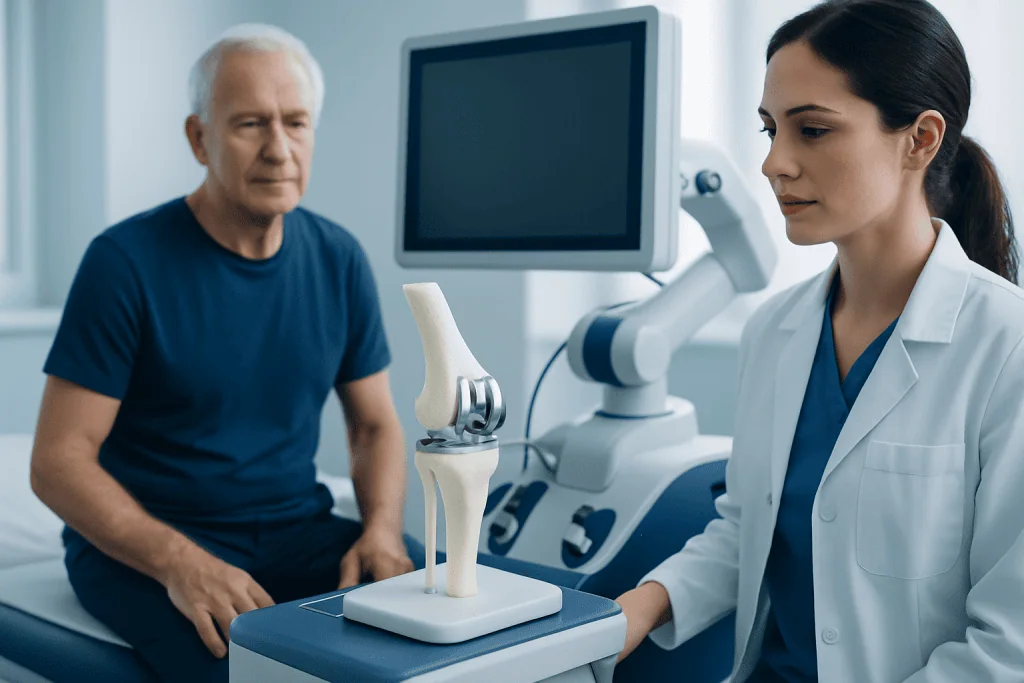
Most people can realistically expect noticeable pain reduction and better knee function after recovery. Many are able to walk farther, stand longer, and return to routine activities with less discomfort. Everyday tasks such as shopping, household chores, and light recreational activities often become much easier. The largest gains are usually seen in people who had significant pain and disability before surgery.
At the same time, it is helpful to keep expectations balanced. A knee replacement can improve movement, but it may not restore the knee to the way it felt decades earlier. Deep squatting, kneeling, running, or high-impact sports may remain difficult or may be discouraged to help protect the implant. Some patients continue to notice occasional swelling, tightness, clicking sounds, or weather-related discomfort, even when the joint is functioning well.
Recovery also follows a gradual path. In the early weeks, pain, swelling, and fatigue are normal parts of healing. Many patients are more comfortable with walking and basic self-care within weeks, but strength, confidence, and endurance usually take longer to rebuild. Full recovery may continue over several months, especially after knee replacement surgery for advanced joint disease.
- Common realistic goals include less pain, improved walking, and better daily independence.
- Many people return to low-impact activities such as swimming, cycling, and golf.
- High-impact activities may not be advised after surgery.
- The best result is often a strong, stable, less painful knee rather than a perfectly “normal” one.
What Affects Knee Replacement Outcomes?
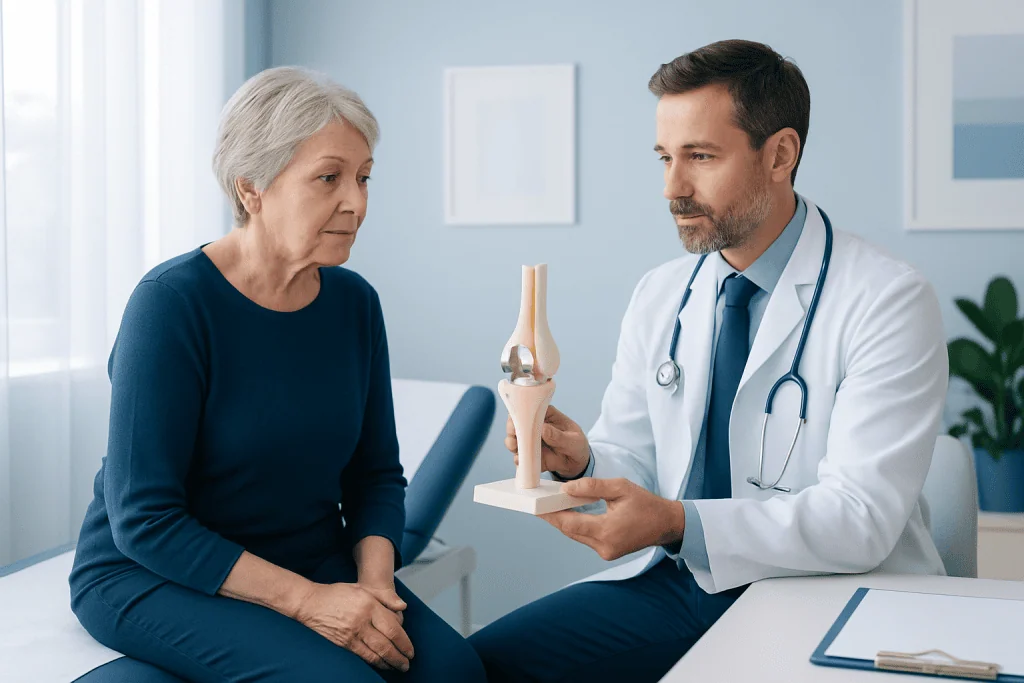
Several factors influence knee replacement results. The underlying reason for surgery matters. Patients with advanced osteoarthritis often do very well, while those with more complex joint deformity, prior fractures, inflammatory disease, or previous surgeries may have a more challenging recovery. The condition of the surrounding muscles, ligaments, bone, and alignment of the leg can also affect the final outcome.
General health plays an important role as well. Conditions such as obesity, diabetes, heart disease, poor circulation, smoking, or chronic inflammatory disorders can increase the risk of complications and may slow healing. Mental well-being matters too. Anxiety, depression, sleep problems, and long-standing pain can affect how a person experiences recovery and satisfaction after surgery.
The quality of rehabilitation is another major factor. Knee replacement is not only an operation; it is also a structured recovery process. Physical therapy, home exercises, safe activity progression, and attention to swelling control help build the best possible result. Patients who actively participate in recovery usually regain function more effectively than those who avoid movement because of fear or discomfort.
Choice of procedure can also matter. Some people may be candidates for a full replacement, while others may benefit from a partial procedure in selected cases. An orthopedic specialist can explain whether robotic orthopedic surgery or a more conventional approach is appropriate, based on the knee’s anatomy and the surgeon’s evaluation.
How Long Does a Knee Replacement Last?
One important part of success is durability. Modern knee implants are designed to last many years, and many patients continue to do well long after surgery. Longevity depends on factors such as age, activity level, body weight, implant type, surgical technique, bone quality, and whether complications develop. Younger or very active patients may place more stress on the implant over time than older adults with lower-impact routines.
Implants can wear, loosen, or become unstable over the years, but this does not happen to everyone. Some patients never need another operation, while others may eventually require revision surgery. The need for a second procedure is more likely if there is infection, repeated instability, implant wear, fracture around the implant, or significant changes in alignment.
Protecting the new joint can help support long-term results. Doctors often recommend maintaining a healthy weight, staying active with low-impact exercise, building leg strength, and avoiding repetitive high-impact loading when possible. Regular follow-up can also help identify problems early, even if the knee feels generally well.
Possible Risks and Why Some Patients Are Less Satisfied
Although knee replacement has a strong success record, no surgery can guarantee a perfect result. A small number of patients have ongoing pain, stiffness, swelling, or limited function despite a well-positioned implant. Others may feel disappointed if they expected the knee to feel completely natural or to allow unrestricted sports and kneeling. This is one reason realistic preoperative counseling is so important.
Potential complications include infection, blood clots, bleeding, nerve or blood vessel injury, poor wound healing, stiffness, instability, and implant loosening over time. These problems are not common, but they can affect both recovery and long-term function. Prompt medical attention for fever, increasing redness, drainage, severe calf pain, chest symptoms, or sudden loss of function is essential after surgery.
Sometimes ongoing knee pain after replacement is related to a different issue rather than failure of the implant itself. Hip problems, back problems, nerve pain, scar sensitivity, or muscle weakness can contribute to symptoms. A careful assessment may be needed to rule out conditions such as persistent osteoarthritis in other joints or mechanical issues around the replaced knee.
How Doctors Evaluate Success Before and After Surgery
Before recommending surgery, doctors assess how severe the knee problem is and whether other treatments are still likely to help. This usually includes a medical history, physical examination, X-rays, and sometimes additional imaging or blood tests. The surgeon will review pain levels, walking ability, stiffness, deformity, and how much symptoms interfere with work, sleep, and quality of life.
It is also important to understand the source of the joint damage. The most common reason is knee arthritis, but other causes may include injury, inflammatory disease, or joint damage after infection. Identifying the cause helps guide treatment and gives a clearer picture of likely outcomes.
After surgery, success is evaluated through both clinical findings and the patient’s own experience. Doctors look at wound healing, knee stability, range of motion, swelling, and follow-up imaging when needed. Patients often measure success by how comfortable they feel during daily life, how far they can walk, how well they sleep, and whether they can return to important routines and hobbies.
Improving Results: Recovery, Self-care, and Rehabilitation
Recovery after knee replacement is an active process. Early walking, guided exercises, pain control, and swelling management all support better results. Patients are often encouraged to move the joint safely soon after surgery to reduce stiffness and rebuild confidence. Following the rehabilitation plan closely can make a significant difference in how much motion and strength return.
Good self-care habits help as well. These include taking prescribed medicines as directed, attending physical therapy, keeping follow-up appointments, eating a balanced diet, and avoiding smoking. Weight management can reduce stress on the new joint, and supportive footwear may improve comfort during walking and exercise. Rest is important, but too little movement may slow progress.
Long-term success also depends on staying active in joint-friendly ways. Low-impact activities such as walking, cycling, swimming, and strength training are usually encouraged once the surgeon allows them. In some cases, a broader orthopedic recovery plan may include physical therapy and rehabilitation to improve balance, mobility, and confidence. Near the end of treatment planning, some international patients may choose centers such as Acibadem International, where multidisciplinary specialists in JCI-accredited hospitals diagnose and treat complex knee conditions.
If the damaged joint is only one part of a larger mobility problem, rehabilitation may also focus on hip, spine, and ankle mechanics. This whole-body approach can improve walking patterns and reduce stress on the new knee over time.
When to See a Doctor
A person should speak with a doctor if knee pain is ongoing, limits daily activity, disturbs sleep, or no longer responds well to non-surgical care. Signs such as progressive stiffness, bowing of the leg, recurrent swelling, or a feeling that the knee is giving way may suggest advanced joint damage. An orthopedic evaluation can clarify whether surgery is appropriate or whether other treatments should be tried first.
After knee replacement, medical advice should be sought promptly if there is increasing redness, drainage from the wound, fever, worsening pain instead of gradual improvement, new calf swelling, chest pain, or shortness of breath. These symptoms do not always mean a serious problem, but they should not be ignored. Early assessment can be important for safe recovery.
Even long after surgery, a doctor should review any sudden change in knee function, new instability, repeated swelling, or pain that returns after a period of doing well. Regular follow-up is especially helpful for people with other joint conditions, complex medical histories, or concerns about implant wear over time.
Frequently asked questions
How successful is knee replacement surgery overall?
Knee replacement surgery is generally considered highly successful for relieving pain and improving everyday function. Most patients can walk more comfortably and perform routine activities more easily after recovery, although the exact result varies from person to person.
Will a knee replacement feel completely normal?
Not always. Many people are very satisfied, but the knee may still feel somewhat different from a natural joint, especially when kneeling, squatting, or during weather changes. The main goal is usually a more comfortable, more functional knee rather than a perfect return to the feeling of youth.
How long does it take to recover from knee replacement?
Early recovery often begins within weeks, with gradual improvement in walking and daily tasks. However, strength, flexibility, and endurance usually continue improving for several months, and some people notice progress for up to a year.
What can lower knee replacement success rates?
Complications, severe stiffness, infection, poor muscle strength, smoking, uncontrolled medical conditions, and limited participation in rehabilitation can all affect results. Unrealistic expectations may also lead to disappointment even when the surgery is technically successful.
How long do knee implants usually last?
Many knee implants last for many years, especially when patients follow medical advice and stay active in joint-friendly ways. Longevity depends on age, activity level, body weight, implant type, and whether any complications develop over time.
Who is a good candidate for knee replacement?
A good candidate usually has significant knee pain and reduced function from joint damage that has not improved enough with non-surgical treatment. The decision also depends on general health, imaging findings, activity goals, and a discussion with an orthopedic specialist.
References
- American Academy of Orthopaedic Surgeons
- National Institute of Arthritis and Musculoskeletal and Skin Diseases
- National Health Service
- American Association of Hip and Knee Surgeons
- Arthritis Foundation
This article is for general information only and is not a substitute for professional medical advice. Please consult a qualified doctor about your individual situation.
Joint and spine care in Turkey — expert assessment & treatment
JCI-accredited · board-certified surgeons · reply within 24h
Add us as a Preferred Source to see more of our trusted health content across Google Search, AI Overviews and Discover.

More from the Health Library



Related Specialists

Asst. Prof. Dr. Ebru Kazancı
Neonatal Intensive Care Unit
Prof. Dr. Ayşe Sağduyu Kocaman
Neurology
Dt. Yiğitcan Candaner
Oral & Dental Health
Fzt. Nursena Altınkaya
Physical Medicine & Rehabilitation