Kohlear Implant: An Evidence-Based Patient Guide

A cochlear implant has internal and external parts and does not restore natural hearing, but it may improve access to speech and environmental sounds. Candidacy is based on hearing tests, hearing-aid benefit, communication needs, medical suitability and personal goals rather than one test alone.
Key Takeaways
- A cochlear implant has internal and external parts and does not restore natural hearing, but it may improve access to speech and environmental sounds.
- Candidacy is based on hearing tests, hearing-aid benefit, communication needs, medical suitability and personal goals rather than one test alone.
- Surgery is usually followed by healing, device activation, repeated programming and auditory rehabilitation over months.
- Outcomes vary with factors such as duration of hearing loss, hearing history, nerve health, consistent device use and rehabilitation.
- People with an implant need ongoing hearing care and should follow device-specific safety guidance for MRI, water exposure and contact sports.
A kohlear implant, more commonly spelled cochlear implant, is an electronic hearing device for people with significant sensorineural hearing loss who receive limited benefit from appropriately fitted hearing aids. It bypasses damaged inner-ear cells and stimulates the hearing nerve, followed by structured programming and rehabilitation to help the brain interpret sound.
Overview: What Is a Kohlear Implant?
A kohlear implant, usually called a cochlear implant in clinical practice, is a medical device for people with moderate-to-profound sensorineural hearing loss who gain limited help from hearing aids. It may be used in one ear or both ears, depending on the person’s hearing profile, goals and clinical assessment. Unlike a hearing aid, which amplifies sound entering the ear, an implant converts sound into electrical signals that directly stimulate the auditory nerve.
The device includes an external sound processor worn behind the ear or on the body and an internal receiver and electrode array placed during surgery. The processor captures sound, analyzes it and sends information to the internal implant. The brain must then learn to recognize these new sound signals, which is why follow-up programming and listening rehabilitation are central parts of treatment.
This cochlear implant patient guide is intended to support informed conversations with an ear, nose and throat specialist, audiologist and, when appropriate, a speech and language therapist. An implant can improve access to sound, but its results differ between individuals and it does not recreate typical natural hearing.
How a Cochlear Implant Works and Who May Be a Candidate
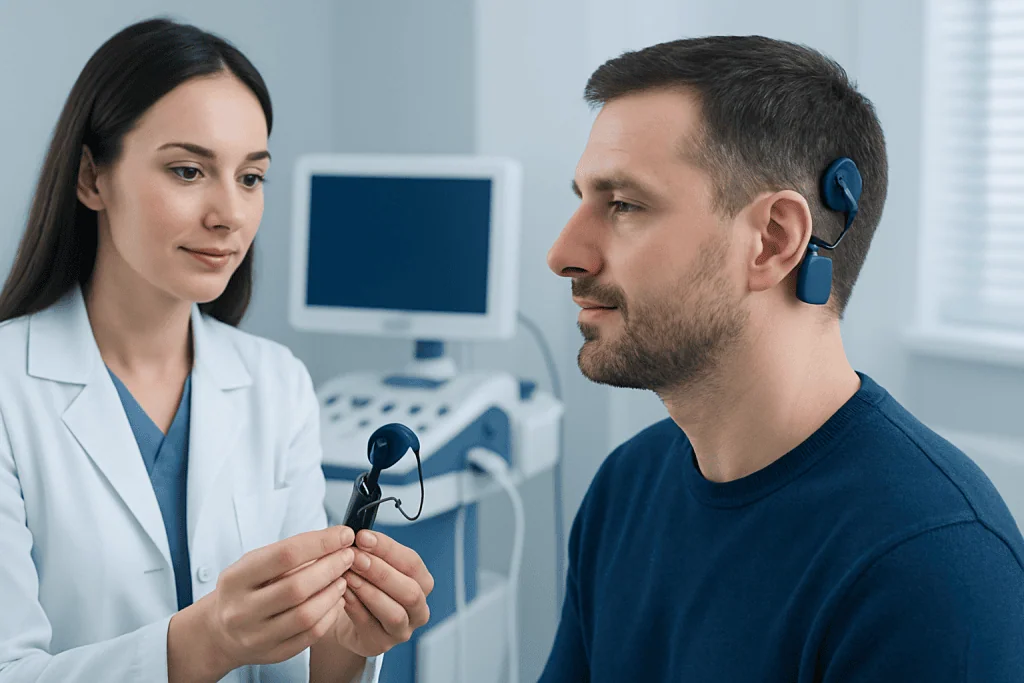
Sound normally travels through the outer and middle ear to the cochlea, a spiral-shaped structure in the inner ear. Tiny sensory cells in the cochlea convert sound vibrations into nerve signals. When these cells are severely damaged, louder sound may not become clearer. A cochlear implant bypasses much of this damaged system by delivering coded electrical stimulation to the auditory nerve.
Cochlear implant candidacy is determined through a detailed cochlear implant patient assessment, including hearing test results, speech understanding with well-fitted hearing aids, ear examination, imaging when needed and discussion of daily communication needs. The team also considers hearing history, hearing-nerve anatomy, medical conditions, expectations and the person’s willingness to attend follow-up appointments and rehabilitation.
Adults who have severe hearing loss and poor speech understanding despite hearing aids may be assessed. Children may be considered when hearing loss limits access to spoken language and hearing aids are not providing sufficient benefit. Clinical guidelines evolve as technology and evidence develop, so eligibility criteria can vary by country, age group and implant center.
What is the 60/60 rule for cochlear implants? The 60/60 rule is a practical referral screen, not a final diagnosis or eligibility rule. It suggests that adults should be referred for a cochlear implant evaluation if their better ear has a pure-tone average of 60 decibels or poorer and they score 60% or less on a word-recognition test. A full cochlear implant evaluation protocol is still required because aided speech testing, medical assessment and individual goals matter.
The Evaluation and Decision-Making Process
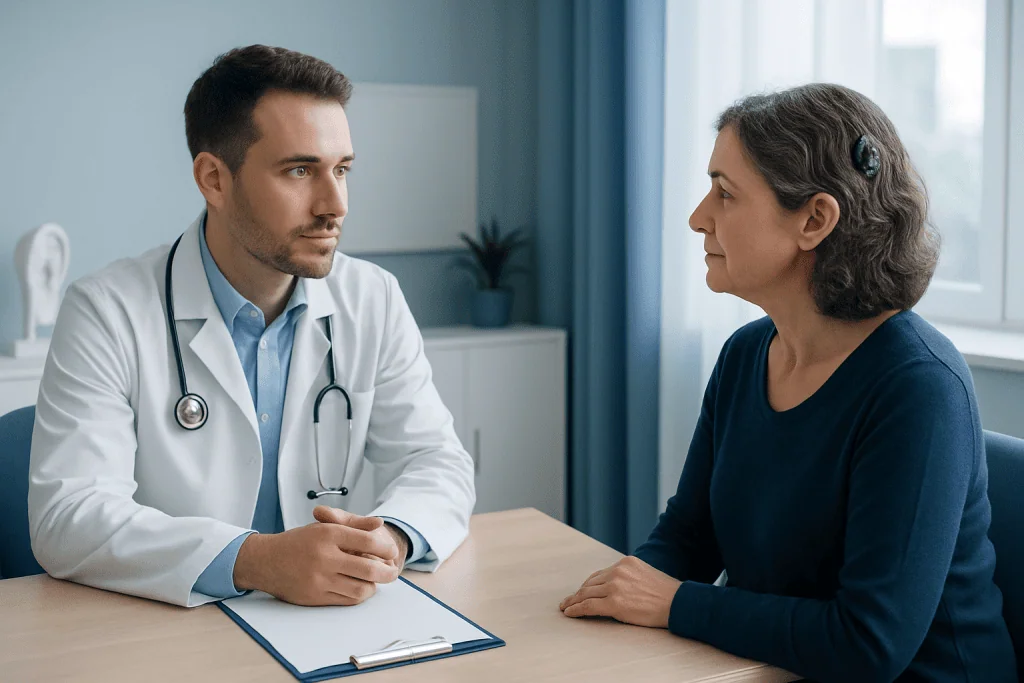
A comprehensive evaluation generally begins with audiology. The audiologist measures hearing thresholds and assesses how well a person understands speech with hearing aids in place. Hearing aids may be checked or optimized first, because the purpose is to determine whether they provide enough meaningful benefit in everyday listening situations.
An ENT surgeon with implant experience reviews the ears and overall health. CT or MRI imaging may be requested to evaluate the cochlea, auditory nerve and structures surrounding the ear. Some people also need balance testing, vaccination review, medical clearance or consultation with other specialists before surgery.
Cochlear implant patient information should include a clear discussion of performance and outcomes. People who lost hearing after developing language may experience speech understanding benefits differently from people born with hearing loss or those with long-standing deafness. For children, the assessment also considers developmental needs, family support and access to consistent rehabilitation.
The decision should be shared and unhurried where possible. It is appropriate to discuss alternatives, including optimized hearing aids, assistive listening technology, captioning, sign language or other visual communication approaches. A cochlear implant is one communication tool, and the best plan reflects the individual’s needs, preferences and environment.
Cochlear Implant Procedure: Step by Step
Before surgery, the implant team explains the chosen device, anesthesia plan, expected recovery and postoperative instructions. The procedure is commonly performed under general anesthesia. The exact approach varies, but the surgeon typically makes an incision behind the ear and creates a small space in the skull bone to secure the internal receiver.
The surgeon then accesses the cochlea and carefully inserts the electrode array. The internal device is tested during or after placement to confirm appropriate function. The incision is closed, and most people go home the same day or after a short hospital stay, depending on their health, surgical course and local practice.
The external processor is not usually activated immediately. Time is allowed for the incision and surrounding tissues to heal. At a later appointment, the audiologist activates the processor and creates the first program, often called a map. Initial sounds can seem unfamiliar, mechanical or quiet; repeated adjustments help make the signal more useful over time.
For people considering surgery, cochlear implant treatment should include surgical planning, audiology support and rehabilitation rather than the operation alone. The implant team can explain how the selected system is used and what follow-up is expected.
Recovery Timeline, Benefits and Possible Risks
In the first days after surgery, mild discomfort, pressure around the ear, temporary dizziness or fatigue can occur. The care team provides instructions for wound care, bathing, activity and pain relief. Healing before activation commonly takes several weeks, though the individual timeline is set by the surgeon.
After activation, appointments are more frequent at first because the settings need to be refined. Listening practice and auditory rehabilitation help the brain learn to use the new input. Some people notice useful environmental sounds early, while speech understanding develops gradually over weeks, months or longer. Regular processor use and follow-up are important contributors to progress.
Potential benefits include improved awareness of sound, better speech understanding in some listening situations, easier communication and reduced listening effort for some users. Benefits vary, and background noise, telephone conversations, music and unfamiliar voices may remain challenging. Hearing aids may still be recommended in the non-implanted ear or alongside an implant in selected situations.
All surgery carries risk. Cochlear implant risks can include infection, bleeding, dizziness, changes in taste, facial nerve injury, ringing in the ear, device failure, need for additional surgery and loss of any remaining hearing in the implanted ear. Meningitis is uncommon but important; vaccination and prompt assessment of concerning symptoms are part of risk reduction. The surgeon explains risks relevant to the individual.
Living With an Implant: Care, Restrictions and Debate
What must I avoid now I have a cochlear implant? A person should follow the manufacturer’s instructions and the implant team’s advice. The external processor is usually removed for swimming, showering and sleeping unless a compatible approved accessory is being used. The internal implant should be considered when planning MRI scans, as MRI conditions differ by device model and may require special precautions, magnet management or an alternative scan.
Contact sports and activities with a risk of impact to the implant area may require protective headgear or individualized advice. Strong static magnets, some security systems and certain medical procedures can require precautions. People should carry their implant identification information, tell healthcare professionals about the device before imaging or procedures, and contact their team if the processor is damaged or sound quality changes unexpectedly.
What is the controversy with cochlear implants? Discussion around cochlear implants includes cultural, ethical and personal perspectives, particularly within Deaf communities. Some people view deafness primarily as a cultural and linguistic identity rather than a condition needing medical intervention, and may raise concerns about pressure on families to choose implantation for children. Respectful cochlear implant patient education acknowledges these perspectives, supports access to sign languages and communication choices, and recognizes that an implant decision should be informed, voluntary and family-centered.
There are also practical questions about unequal access, long-term support, device upgrades and variable outcomes. Transparent counseling is important: an implant may be highly valuable for some people, while others may prefer different communication approaches or decide that surgery is not right for them.
When to Seek Medical Care
Prompt medical assessment is important for sudden hearing loss, a rapid decline in hearing, severe ear pain, ear discharge, new one-sided hearing loss, severe dizziness or facial weakness. Sudden sensorineural hearing loss is time-sensitive, and a person should seek urgent evaluation rather than waiting to see whether it improves.
After cochlear implant surgery, the surgical team should be contacted for increasing redness, swelling, drainage, fever, severe or worsening headache, persistent vomiting, unusual neck stiffness, significant dizziness or a sudden change in facial movement. Emergency care is appropriate for severe symptoms, confusion, trouble breathing or other signs of a serious acute illness.
People who notice that hearing aids no longer provide enough clarity, especially in conversation, should ask for a specialist audiology assessment rather than assuming that hearing loss cannot be treated further. Acibadem International’s multidisciplinary specialists and JCI-accredited hospitals support diagnosis and treatment planning for international patients considering cochlear implants.
Frequently asked questions
What is the 60/60 rule for cochlear implants?
The 60/60 rule is a referral guideline for adults who may benefit from a formal cochlear implant assessment. It refers to a hearing level of 60 dB or poorer in the better ear and word recognition of 60% or less. It does not confirm candidacy, because aided speech testing, medical findings and personal communication needs are also assessed.
What is the regret rate for cochlear implants?
There is no single reliable regret rate that applies to all cochlear implant users, ages, devices or healthcare settings. Many recipients report meaningful benefit, but outcomes and satisfaction vary with hearing history, expectations, rehabilitation and support. A preoperative discussion should cover likely benefits, limitations and alternatives so that the decision is well informed.
What must I avoid now I have a cochlear implant?
Avoid getting the external processor wet unless it is specifically designed and prepared for water use. Follow the implant manufacturer’s MRI instructions and tell all healthcare professionals that an implant is present before scans or procedures. Seek individual advice before contact sports, activities with a risk of head impact and exposure to strong magnets.
What is the controversy with cochlear implants?
The main debate includes cultural and ethical perspectives within Deaf communities, especially concerning implantation in children. Some people emphasize the value of Deaf identity and sign language, while others value the potential auditory access an implant can provide. Respectful care supports informed choice and does not treat one communication approach as right for everyone.
How long does it take to hear after cochlear implant surgery?
The processor is usually activated after the surgical site has healed, often several weeks after surgery. Sounds may be noticeable at activation, but they can initially seem unfamiliar. Understanding speech generally improves through repeated programming, daily use and rehabilitation over time.
Can a cochlear implant restore normal hearing?
No. A cochlear implant provides electrically coded sound information rather than natural hearing. It can improve sound awareness and speech understanding for many people, but the quality of sound and degree of benefit vary. Continued audiology care helps users make the most of the device.
References
- World Health Organization
- National Institute on Deafness and Other Communication Disorders
- American Academy of Otolaryngology–Head and Neck Surgery
- American Cochlear Implant Alliance
- National Institute for Health and Care Excellence
This article is for general information only and is not a substitute for professional medical advice. Please consult a qualified doctor about your individual situation.
Explore treatments in Turkey — costs, top hospitals & a free quote
JCI-accredited · board-certified surgeons · reply within 24h
Add us as a Preferred Source to see more of our trusted health content across Google Search, AI Overviews and Discover.