Lack of Energy Headaches: Possible Causes and When to Seek Care
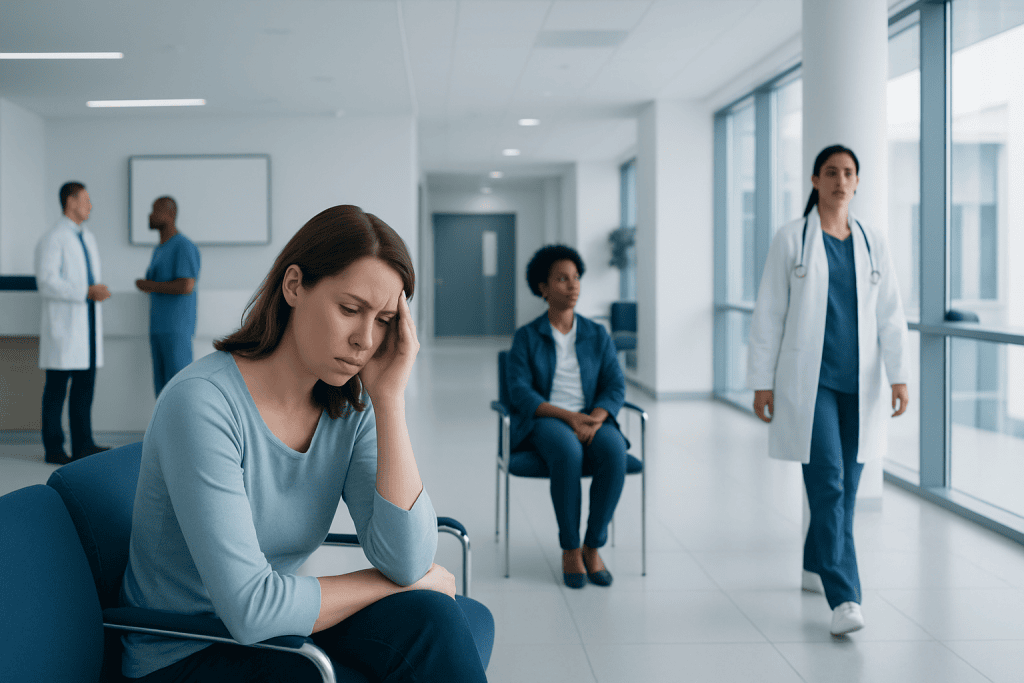
Headache plus low energy is a symptom pattern, not a diagnosis by itself. Common triggers include sleep deprivation, dehydration, skipped meals, stress, viral illness, and migraine.
Key Takeaways
- Headache plus low energy is a symptom pattern, not a diagnosis by itself.
- Common triggers include sleep deprivation, dehydration, skipped meals, stress, viral illness, and migraine.
- Ongoing symptoms may point to anemia, thyroid problems, sleep disorders, depression, medication effects, or other medical conditions.
- Red flags include a sudden severe headache, confusion, weakness, fever with neck stiffness, chest pain, or symptoms after head injury.
- Treatment depends on the cause and may include hydration, sleep correction, nutrition, stress management, or targeted medical care.
Lack of energy headaches commonly happen when headache and fatigue share the same trigger, such as poor sleep, dehydration, stress, infection, anemia, or migraine. Most cases are not dangerous, but sudden, severe, persistent, or unusual symptoms should be assessed by a doctor.
Overview: Why headache and low energy often happen together
Lack of energy headaches usually mean a person has both a headache and unusual tiredness at the same time. In many cases, the two symptoms come from the same underlying issue rather than one directly causing the other. Common examples include not sleeping well, not drinking enough fluids, skipping meals, recovering from an infection, or living with ongoing stress.
This symptom combination is very common because the brain and body are closely linked to sleep, hydration, hormones, blood sugar, and emotional health. When any of these are out of balance, a person may feel mentally drained, physically weak, and headachy. The experience can range from a dull pressure-type headache with sluggishness to a migraine attack that leaves someone exhausted before, during, or after the pain.
Most episodes improve once the trigger is corrected. Still, symptoms that keep returning, interfere with daily life, or come with warning signs deserve medical attention. The goal is not only to relieve the headache, but also to understand why energy levels have dropped.
What lack of energy headaches can feel like
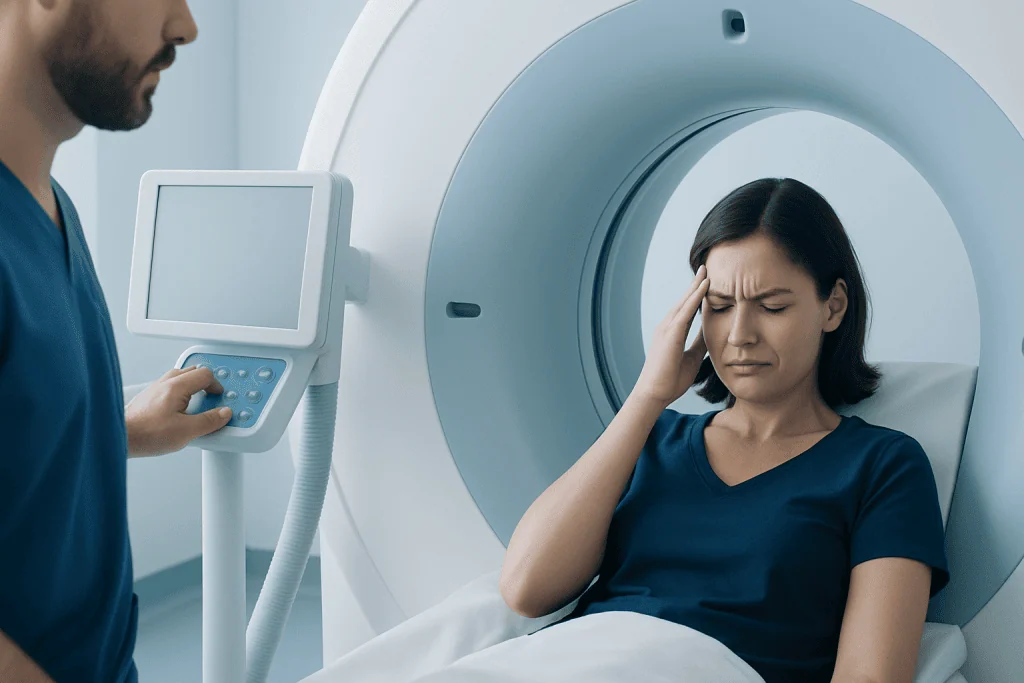
The headache itself may feel different depending on the cause. Some people notice a tight band or pressure around the forehead or back of the head, which is often seen with tension-type headaches. Others develop throbbing or one-sided pain, nausea, sensitivity to light or sound, or worsening with activity, which can suggest migraine.
Low energy may show up as sleepiness, reduced stamina, trouble concentrating, slowed thinking, body heaviness, or the feeling of being “run down.” A person may also notice dizziness, irritability, poor motivation, or needing more rest than usual. These symptoms can appear before a headache, at the same time, or linger after the headache improves.
Additional clues may help point toward the cause. For example:
- Dehydration: thirst, dry mouth, darker urine, lightheadedness
- Low blood sugar or missed meals: shakiness, sweating, hunger, weakness
- Viral illness: fever, body aches, sore throat, congestion
- Anemia: shortness of breath on exertion, paleness, rapid heartbeat
- Sleep problems: loud snoring, morning headaches, daytime sleepiness
Common causes and risk factors

The most frequent causes of lack of energy headaches are everyday, reversible factors. Poor sleep is one of the most common. Even one or two nights of insufficient or disrupted sleep can trigger headache, brain fog, and daytime fatigue. Dehydration is another frequent cause, especially in hot weather, during exercise, with vomiting or diarrhea, or when fluid intake is low.
Diet-related triggers also matter. Skipping meals, eating irregularly, drinking too much alcohol, or suddenly changing caffeine intake can all lead to low energy and headache. Emotional stress can produce muscle tension, poor sleep, and changes in appetite, which together make symptoms more likely. Sedentary habits or overexertion may also contribute, depending on the person.
Medical conditions should be considered when symptoms are recurrent or out of proportion to lifestyle factors. These may include anemia, thyroid disorders, viral infections, sinus disease, chronic pain, anxiety, depression, sleep apnea, and medication side effects. Some people feel very tired during or after recurrent headache conditions such as headache disorders or migraine. Less commonly, more serious causes such as meningitis, severe uncontrolled high blood pressure, or neurological problems may be responsible.
Risk factors include a history of headaches or migraine, poor sleep habits, high stress, dehydration risk, chronic illness, heavy menstrual bleeding, pregnancy, shift work, and using medications that can cause drowsiness or rebound headaches. Tracking when symptoms happen can help identify personal patterns.
How doctors evaluate these symptoms
Evaluation begins with the pattern of symptoms. A doctor will usually ask when the headache started, how often it happens, what it feels like, how long it lasts, and whether tiredness begins before or after the pain. Questions about sleep, fluid intake, meals, stress, recent infections, menstrual history, mood, medications, caffeine, and alcohol are also important.
A physical examination may include blood pressure, temperature, hydration status, and a focused neurological exam. Depending on the history, a doctor may also look for signs of sinus disease, anemia, thyroid enlargement, or sleep-related breathing problems. If symptoms fit a typical headache pattern and there are no red flags, extensive testing is not always needed.
Tests may be recommended when the cause is unclear or a medical condition is suspected. These can include blood tests for anemia, iron levels, infection, thyroid function, vitamin deficiencies, or blood sugar problems. In selected cases, imaging such as MRI or CT scan may be used, especially if there is a new severe headache, abnormal neurological findings, head injury, or a change from a person’s usual pattern.
The main aim of diagnosis is to separate common, manageable causes from conditions needing urgent treatment. A careful history is often the most helpful tool.
Treatment options depend on the cause
There is no single treatment for lack of energy headaches because management depends on what is driving the symptoms. If dehydration, skipped meals, poor sleep, or alcohol are responsible, symptoms often improve with fluids, rest, regular nutrition, and time. Short-term use of doctor-approved pain relief may help some people, but frequent use can sometimes worsen headache patterns over time.
If migraine is the cause, treatment may include lifestyle adjustment, trigger management, and medicines used to stop attacks or prevent them. For persistent or severe cases, assessment by a neurology team may be useful, and some patients may benefit from neurology evaluation to identify the best long-term plan.
When an underlying health problem is found, treatment focuses on that condition. Examples include iron replacement for iron-deficiency anemia, thyroid treatment for hypothyroidism, management of sleep apnea, or care for anxiety and depression. If medicines are contributing to fatigue or headache, a doctor may review whether alternatives are appropriate.
Supportive care also matters. Many people improve when they restore a regular sleep schedule, pace demanding activities, hydrate consistently, and reduce prolonged screen strain. A person should seek individualized advice before starting supplements or making major medication changes.
Prevention and self-care that can help
Self-care is most effective when it is practical and consistent. Regular sleep is one of the best ways to reduce both headaches and low energy. Going to bed and waking at similar times, limiting late caffeine, and creating a quiet sleep environment can make a noticeable difference. Hydration also matters throughout the day, not only after symptoms begin.
Eating balanced meals on a regular schedule helps prevent energy dips and headaches related to low blood sugar or missed meals. Many people also benefit from identifying personal triggers such as excess caffeine, alcohol, prolonged fasting, stress, or intense screen exposure. Gentle movement, fresh air, and breaks from prolonged sitting can support both circulation and energy.
A symptom diary can be very useful. Recording the timing of headaches, sleep quality, menstrual cycles, meals, stress, and any associated symptoms may reveal patterns that are easy to miss otherwise. This information can make a medical visit more productive and help tailor treatment.
If headaches are frequent, severe, or changing over time, self-care alone may not be enough. In that situation, professional assessment is the safest next step.
When to seek medical care
Medical care is important if headache and fatigue are persistent, recurrent, or affecting work, school, sleep, or daily activities. A person should also arrange an evaluation if there are signs of anemia, thyroid disease, depression, sleep apnea, or if over-the-counter measures are no longer helping.
Urgent care is needed for a sudden severe headache that peaks quickly, a headache after head injury, or symptoms such as confusion, fainting, weakness, numbness, trouble speaking, seizures, chest pain, or shortness of breath. Fever with neck stiffness, a new headache during pregnancy, or a new headache in older adulthood also deserve prompt medical attention.
People living with cancer, immune system problems, or significant cardiovascular disease should not ignore new headaches with unusual fatigue. These groups may need earlier assessment even when symptoms seem mild. Timely evaluation can rule out serious causes and guide safe treatment.
For international patients who need further assessment, Acibadem International’s multidisciplinary specialists and JCI-accredited hospitals diagnose and treat headache-related conditions with appropriate imaging and specialist care when needed.
Frequently asked questions
Can tiredness itself cause a headache?
Yes. Physical or mental exhaustion, especially when linked to poor sleep, stress, or overexertion, can contribute to headache. In many people, tiredness and headache happen together because they share the same trigger.
Are lack of energy headaches usually serious?
Most are related to common issues such as dehydration, missed meals, stress, minor infections, or not sleeping well. They are more concerning when the headache is sudden, severe, new, persistent, or comes with neurological symptoms or fever.
Why do migraines make some people feel drained?
Migraine can affect the whole nervous system, not just cause head pain. Many people feel fatigue, difficulty concentrating, and low energy before the headache starts, during the attack, or in the recovery period afterward.
Could anemia cause headache and low energy?
Yes. Anemia can reduce oxygen delivery to tissues, which may lead to fatigue, weakness, dizziness, and headaches. Blood tests can help confirm whether anemia is present and guide treatment.
How long should someone wait before seeing a doctor?
If symptoms are mild and clearly related to a short-term cause, they may improve within a day or two with rest, hydration, and regular meals. A doctor should be consulted sooner if symptoms keep returning, last longer than expected, or interfere with normal activities.
What is the difference between a tension headache and a headache from illness?
Tension-type headaches often feel like pressure or tightness and may be linked to stress, posture, or fatigue. A headache from illness is more likely to come with fever, body aches, congestion, sore throat, or other signs of infection.
References
- World Health Organization
- Centers for Disease Control and Prevention
- National Institute of Neurological Disorders and Stroke
- American Headache Society
- Mayo Clinic
This article is for general information only and is not a substitute for professional medical advice. Please consult a qualified doctor about your individual situation.
Explore treatments in Turkey — costs, top hospitals & a free quote
JCI-accredited · board-certified surgeons · reply within 24h
Add us as a Preferred Source to see more of our trusted health content across Google Search, AI Overviews and Discover.
Check your numbers in seconds
BMI, calories, due date, blood pressure and 30+ more clinical calculators — free, instant, doctor-reviewed ranges.

More from the Health Library



Related Specialists

Fzt. İkra Tigis
Physical Medicine & Rehabilitation
Prof. Dr. Ilgaz Doğusoy
Thoracic Surgery
Prof. Dr. Gül Başaran
Medical Oncology
Dr. Hüseyin Hüsni Gönençer
Anesthesiology