Lacrosse Ball Massage: What Patients Need to Know
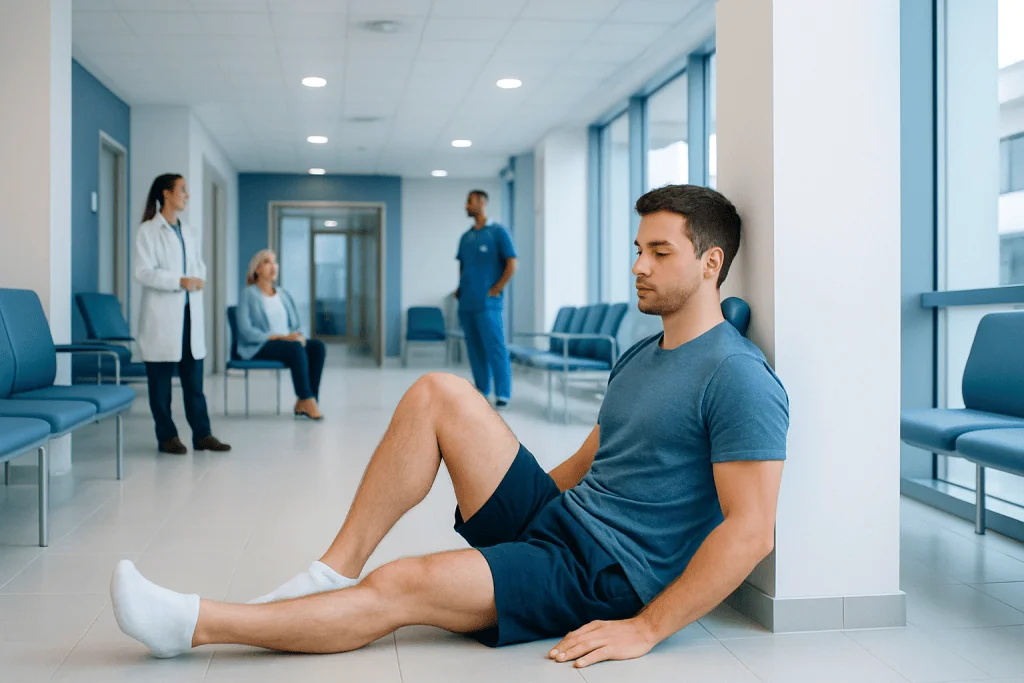
A lacrosse ball can be used for gentle self-myofascial release in accessible muscle areas such as the glutes, upper back and feet. Evidence suggests self-massage may temporarily improve range of motion and reduce the feeling of muscle soreness in some people.
Key Takeaways
- A lacrosse ball can be used for gentle self-myofascial release in accessible muscle areas such as the glutes, upper back and feet.
- Evidence suggests self-massage may temporarily improve range of motion and reduce the feeling of muscle soreness in some people.
- Pressure should be controlled, gradual and tolerable; sharp, burning, tingling or worsening pain is a signal to stop.
- Avoid pressing directly on the spine, joints, front or sides of the neck, bruised areas, open skin and recent injuries.
- Persistent pain, weakness, numbness, swelling or symptoms after trauma should be assessed by a qualified clinician.
Lacrosse ball massage is a form of self-massage that uses a firm small ball to apply pressure to tight or tender muscles. It may provide short-term relief of muscle discomfort and support mobility, but it should not be painful and does not replace assessment or treatment for an injury or ongoing condition.
What Is Lacrosse Ball Massage?
Lacrosse ball massage is a self-care technique in which a person places a firm rubber ball between their body and a wall, floor or other stable surface. By moving slowly or resting gently against the ball, they can apply pressure to selected muscles. It is often described as self-myofascial release, a broad term for techniques intended to ease the sensation of muscle tightness and improve comfortable movement.
The ball is smaller and firmer than many massage balls or foam rollers. This makes it useful for reaching localized areas, such as parts of the buttock, upper back, shoulder-blade region, sole of the foot or muscles around the hip. At the same time, its firmness means that it can create more pressure than is appropriate for some people or body areas.
Lacrosse ball massage is not a way to “break up” knots, realign bones or remove toxins. Muscles and connective tissues are complex living structures, and a brief self-massage session does not permanently change them. More realistically, gentle pressure may influence comfort, relaxation and the nervous system’s perception of tension, allowing temporary improvements in ease of movement.
What Benefits Can It Offer?
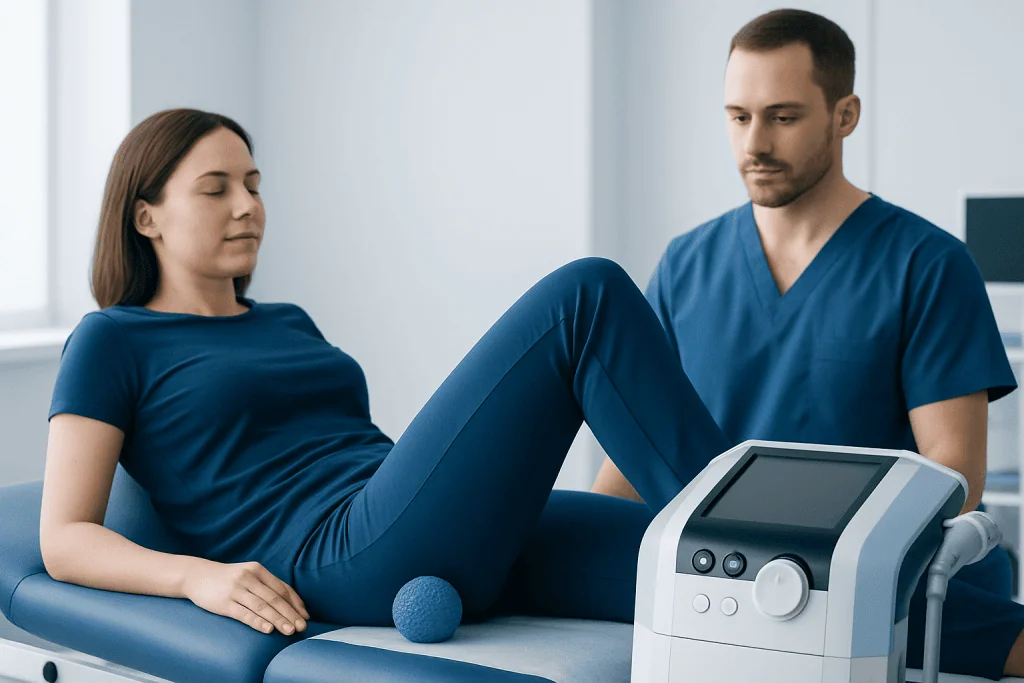
For many healthy adults, a short session of self-massage can feel soothing after exercise, prolonged sitting or repetitive activity. Research on foam rolling and related self-myofascial release methods suggests that these approaches may produce small, short-term improvements in joint range of motion and may lessen the perception of delayed-onset muscle soreness after exercise. Results vary from person to person, and the evidence does not show that a ball massage alone treats the underlying cause of persistent pain.
A lacrosse ball may be a practical tool because pressure can be adjusted. A wall position usually provides less intense pressure and more control than lying on the floor. This may help a person notice which positions feel comfortable and avoid loading a sensitive area too strongly.
Self-massage may also encourage a person to pause, breathe slowly and pay attention to how their body responds. These factors can be helpful parts of a broader recovery routine that includes regular movement, adequate sleep, hydration, appropriate exercise progression and, when needed, professional care.
- It may temporarily reduce the feeling of muscle stiffness or post-exercise soreness.
- It may support warm-up or cool-down routines when paired with active movement.
- It may help some people feel more comfortable during stretching or mobility exercises.
- It should be viewed as a supportive comfort measure, not a diagnosis or cure.
How to Use a Lacrosse Ball Safely
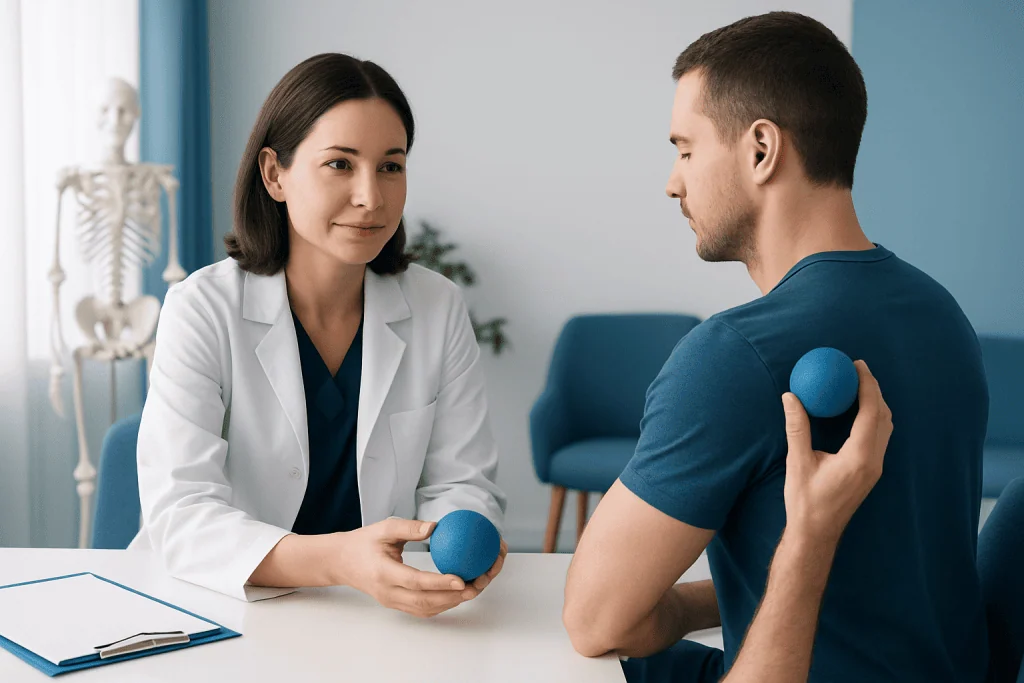
The safest approach is to begin with a wall rather than the floor. Place the ball between the wall and a broad, muscular area, then lean in gradually until the pressure feels noticeable but manageable. Slow movements of a few centimeters can be used to explore the area, or the person can pause on a comfortable spot while breathing steadily. There is no need to force a painful sensation.
Sessions can be brief. A person might spend a short period on one area and then reassess how it feels during normal movement. The goal is to feel the same or better afterward, not bruised, numb or significantly sore. If tenderness remains the next day, reducing the pressure, duration or frequency is sensible.
Common areas for careful use include the fleshy muscles of the upper back beside the shoulder blade, the buttocks, outer hip muscles, calves and soles of the feet. When working near the shoulder, hip or pelvis, the ball should stay on muscle rather than being driven into a joint or bony prominence. Gentle active movements, such as lifting and lowering the arm or slowly bending the knee, may be more comfortable than remaining still.
Pressure should never be applied directly to the spinal column, tailbone, ribs, front of the neck, throat, abdomen, groin or the area behind the knee. A ball should also not be used to press on arteries, veins or areas where a pulse can be felt. If the technique causes electric-shock sensations, tingling, numbness, dizziness or pain that spreads down an arm or leg, it should be stopped promptly.
Common Uses and Important Technique Limits
People commonly use a lacrosse ball for the gluteal muscles after sitting, the chest and shoulder region after desk work, or the plantar surface of the foot after activity. For the foot, rolling gently while seated may be a controlled option. For the upper back, a wall-based technique can help avoid excessive pressure. Direct pressure over the lower back can be uncomfortable for some people and may not be appropriate when back pain is unexplained or accompanied by leg symptoms.
A tender point is not necessarily a “trigger point” that needs to be released. Tenderness can occur for many reasons, including recent exercise, protective muscle guarding, altered movement patterns, irritated joints or sensitized nerves. Pressing harder is unlikely to provide a better result and can aggravate symptoms.
People should avoid trying to massage through acute pain from a strain, sprain or impact injury. In the first stages after an injury, protection, relative rest and clinical advice may be more appropriate than deep pressure. If a person has recurrent pain in one region, a physiotherapist or doctor can help identify contributing factors such as training load, posture, strength, mobility or an underlying medical condition.
Self-massage works best as one part of an individualized plan. For example, a person with activity-related discomfort may benefit from gradual strengthening, suitable footwear, changes in exercise volume and rehabilitation guidance rather than relying solely on a ball. The appropriate plan depends on the location, duration and cause of symptoms.
Who Should Take Extra Care or Avoid It?
Not everyone should use firm pressure techniques without medical guidance. People with reduced sensation from peripheral neuropathy, including some people with diabetes, may not accurately feel excessive pressure or skin injury. Those with fragile skin, poor circulation, a bleeding disorder or easy bruising should also be cautious. The same applies to people taking anticoagulant or antiplatelet medicines, unless their clinician has confirmed that self-massage is appropriate.
A lacrosse ball should not be used over open wounds, rashes, skin infections, unexplained lumps, varicose veins that are painful or inflamed, recent surgical sites, fractures, severe osteoporosis or areas affected by cancer treatment without advice from the relevant care team. Pregnant people can often remain active, but should seek individualized guidance before applying sustained deep pressure to the abdomen, pelvis or other painful areas.
People with a history of blood clots should not massage a swollen, warm, red or painful limb. These symptoms require urgent clinical assessment because they can have causes that are not safe to treat with self-massage. Similarly, new calf pain after travel, surgery, immobility or hospitalization should not be assumed to be muscle tightness.
When in doubt, it is reasonable to choose gentler options, such as comfortable walking, heat or cold when appropriate, light mobility exercises, or consultation with a qualified health professional. Safety is more important than achieving deep pressure.
When to Seek Medical Care
Medical advice is recommended for pain that is severe, persists beyond a reasonable recovery period, repeatedly returns or interferes with sleep, work, walking or normal exercise. Assessment is also important when pain began after a fall, collision, sudden twist or other injury, particularly if there is inability to bear weight, visible deformity, major swelling or loss of normal movement.
A person should stop using a lacrosse ball and arrange prompt evaluation if they develop numbness, tingling, weakness, loss of coordination, pain radiating into an arm or leg, or new bowel or bladder changes. These symptoms may indicate nerve involvement and need professional assessment rather than increasingly intense self-treatment.
Urgent medical care is needed for chest pain, shortness of breath, fainting, sudden one-sided weakness, or a swollen and painful limb that is red or warm. These symptoms are not typical effects of ordinary muscle tightness. It is also important to seek care for fever, unexplained weight loss, night sweats or pain that is constant and not related to activity.
At Acibadem International, multidisciplinary specialists and JCI-accredited hospitals can assess musculoskeletal symptoms and develop appropriate treatment plans for international patients. A clinician may recommend rehabilitation, imaging or other care only when indicated by the person’s symptoms and examination.
Making Self-Massage Part of a Balanced Routine
A useful lacrosse ball routine is brief, gentle and followed by movement. After working on a comfortable muscle area, a person can try a few easy bodyweight movements, such as shoulder circles, a short walk, ankle movements or controlled hip exercises. This may help them assess whether the technique has improved comfort in a meaningful way.
For exercise-related tightness, gradual progression is usually more valuable than aggressive recovery methods. Increasing training volume, intensity or duration slowly gives muscles and tendons time to adapt. Rest days, varied movement, adequate nutrition and sleep also support recovery. Pain that increases from one session to the next is a reason to reduce activity and seek guidance if it does not settle.
It can help to keep expectations realistic. Some people feel immediate but temporary relief, while others notice little change. Neither response necessarily signals a serious problem. The most appropriate strategy is the one that is safe, comfortable and supports a person’s ability to return to normal activities without worsening symptoms.
If muscle pain is ongoing, individualized rehabilitation can identify whether mobility work, strength training, ergonomic changes or a different approach is needed. A qualified doctor or physiotherapist can advise on the safest methods for the person’s health history and goals.
Frequently asked questions
Is lacrosse ball massage good for muscle knots?
Lacrosse ball massage may temporarily ease the feeling of localized muscle tightness or tenderness for some people. However, a painful area does not always represent a simple muscle knot, and forceful pressure is not necessary. If pain is persistent, spreading or worsening, professional assessment is more appropriate than repeated self-massage.
How long should a person use a lacrosse ball on one spot?
A short, gentle period is generally enough to assess comfort and response. Rather than focusing on a strict time target, the person should use tolerable pressure and stop if pain increases. Bruising, lingering soreness or numbness suggests the pressure or duration was too much.
Can a lacrosse ball massage help back pain?
It may temporarily help some people with mild muscular upper-back discomfort, especially when used against a wall and away from the spine. It does not treat every cause of back pain. Back pain with leg weakness, numbness, bowel or bladder changes, fever or trauma needs medical evaluation.
Is it safe to use a lacrosse ball on the neck?
Direct pressure on the front or sides of the neck should be avoided because important blood vessels, nerves and airway structures are located there. The cervical spine is also a sensitive area for deep pressure. Neck pain accompanied by headache, dizziness, arm symptoms or recent injury should be assessed by a clinician.
Should lacrosse ball massage hurt?
It should create manageable pressure, not sharp, burning, electric or escalating pain. Mild tenderness may occur in a tight muscle, but pain is not a sign that the method is working better. The person should reduce pressure or stop if symptoms are unpleasant or persist afterward.
Can people on blood thinners use a lacrosse ball for massage?
People taking blood-thinning medicines may bruise or bleed more easily and should ask their prescribing clinician before using deep self-massage. Firm pressure may not be suitable, especially over areas that already bruise easily. Gentler mobility work may be a safer alternative until individualized advice is available.
References
- American College of Sports Medicine
- National Institute of Arthritis and Musculoskeletal and Skin Diseases
- National Health Service
- Mayo Clinic
- Cleveland Clinic
This article is for general information only and is not a substitute for professional medical advice. Please consult a qualified doctor about your individual situation.
Explore treatments in Turkey — costs, top hospitals & a free quote
JCI-accredited · board-certified surgeons · reply within 24h
Add us as a Preferred Source to see more of our trusted health content across Google Search, AI Overviews and Discover.

More from the Health Library
Related Specialists
Assoc. Prof. Dr. Özgür Timurkaynak
Dermatology
Prof. Dr. Nevzat Özcan
Interventional Radiology
Dr. Hakan Kutlu
Infectious Diseases & Clinical Microbiology
Prof. Dr. A.Sibel Erdamar Çetin
Pathology