Lactobacillus Acidophilus — Explained by Medical Evidence, Not Myths

Lactobacillus acidophilus is a normal, beneficial bacterium found in the human body and in some fermented foods and supplements. It may support digestive and vaginal health, but benefits vary by strain, dose, and individual health needs.
Key Takeaways
- Lactobacillus acidophilus is a normal, beneficial bacterium found in the human body and in some fermented foods and supplements.
- It may support digestive and vaginal health, but benefits vary by strain, dose, and individual health needs.
- Not all probiotic products have the same quality or evidence behind them.
- Most healthy people tolerate acidophilus well, but it can cause mild gas or bloating at first.
- People with severe illness or weakened immunity should ask a doctor before using probiotic supplements.
- Persistent symptoms such as diarrhea, abdominal pain, fever, or unusual vaginal symptoms need medical evaluation.
Lactobacillus acidophilus is a type of beneficial bacterium often called a probiotic. It naturally lives in parts of the body such as the intestines and vagina, and evidence suggests it may help in some situations, although it is not a cure-all and not every product works the same way.
Overview: What Lactobacillus Acidophilus Is
Lactobacillus acidophilus is a species of bacteria that is commonly described as a probiotic, meaning a live microorganism that may provide a health benefit when consumed in adequate amounts. It is part of the broader Lactobacillus group and is naturally found in the human gastrointestinal tract, mouth, and vagina. It is also used in some yogurts, fermented foods, and dietary supplements.
Medical evidence does support some uses of probiotics, but it is important to separate realistic benefits from popular myths. Lactobacillus acidophilus does not “cleanse” the body, permanently fix digestion, or replace medical treatment. Instead, it may help support the balance of normal microorganisms in certain situations, especially after disruption from illness, diet changes, or some medicines.
Another important point is that probiotic effects are often strain-specific. In other words, one product containing Lactobacillus acidophilus may not work the same way as another. The exact strain, how the product is stored, and whether enough live organisms reach the body all influence the likely effect.
How It Works in the Body
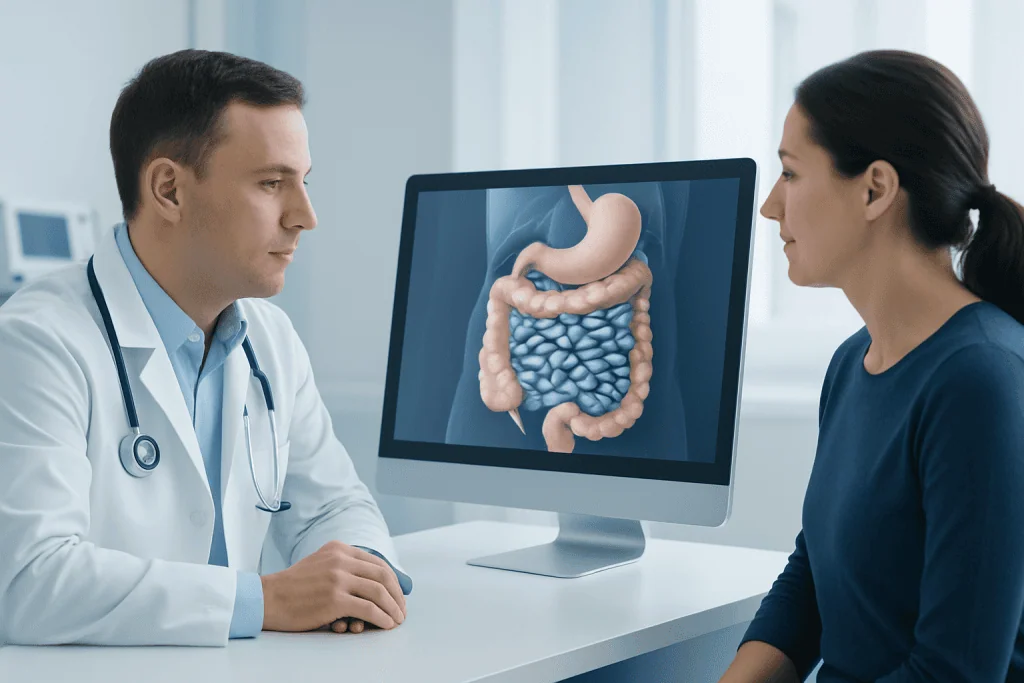
Lactobacillus acidophilus mainly works by interacting with the body’s natural microbiome, the community of microorganisms that live on and inside the body. In the gut, helpful bacteria may support a healthier environment by helping maintain acidity, competing with less helpful microbes, and influencing the intestinal barrier. Some probiotics may also communicate with the immune system in ways that help keep responses balanced.
In the vagina, lactobacilli are especially important because they help maintain an acidic pH. This acidic environment makes it harder for certain unwanted organisms to grow. When the balance of vaginal bacteria changes, symptoms can sometimes develop, and a clinician may assess whether an infection or another condition is present, including vaginal infections.
Even so, probiotics should not be viewed as a simple way to “rebalance” every health problem. The microbiome is complex, and a person’s diet, age, medications, hormone levels, and underlying medical conditions all affect how probiotics behave. This is why evidence is stronger for some uses than for others.
What Evidence-Based Benefits May Be Possible

Research suggests that Lactobacillus acidophilus may be helpful for some digestive complaints, but the strength of evidence depends on the condition being considered. It may reduce the chance of certain types of antibiotic-associated diarrhea in some people, especially when used as part of a broader probiotic approach. It may also be included in plans focused on gut support for symptoms such as bloating or irregular bowel habits, though it does not treat every cause of these symptoms.
There is also ongoing interest in acidophilus for vaginal health. Because lactobacilli are part of the normal vaginal flora, some products aim to support that natural balance. However, probiotic supplements are not a substitute for a proper diagnosis if someone has discharge, odor, itching, pain, or recurrent symptoms. Conditions involving digestive discomfort or female reproductive health can overlap with other concerns, so a doctor may investigate issues such as irritable bowel syndrome or infection depending on symptoms.
Some people use acidophilus during or after antibiotic treatment because antibiotics can reduce both harmful and helpful bacteria. This approach may be reasonable for certain individuals, but the timing, product choice, and overall health context matter. For persistent digestive symptoms, medical assessment may include gastroenterology evaluation to rule out infections, inflammation, food intolerance, or other causes.
Claims that Lactobacillus acidophilus boosts immunity in a broad, guaranteed way, promotes major weight loss, cures skin problems, or treats chronic disease are not well supported. Probiotics may play a small supportive role in health, but they are not a replacement for evidence-based diagnosis, nutrition, or treatment.
Food Sources, Supplements, and Product Quality
Lactobacillus acidophilus can be found in some fermented dairy products, including certain yogurts and cultured milk drinks. It may also appear in non-dairy fermented foods, although labels do not always list the exact bacterial species. For many healthy adults, getting probiotics through food can be a practical option because fermented foods also provide nutrients such as protein, calcium, or other beneficial compounds.
Supplements are available in capsules, tablets, powders, and liquids. These products may contain Lactobacillus acidophilus alone or combined with other probiotic strains. Quality can vary widely between brands, and a higher number of organisms listed on the label does not automatically mean better results. Stability during storage and whether the product contains the studied strain are both important.
People who are considering a supplement should look for clear labeling, expiration dates, and storage instructions. It is also wise to be cautious with products making very broad promises. If symptoms suggest an underlying digestive disorder, a specialist may recommend further testing or endoscopy rather than relying only on over-the-counter probiotics.
Safety, Side Effects, and Who Should Be Cautious
For most healthy people, Lactobacillus acidophilus is generally considered safe when taken in foods or in appropriately used supplements. The most common side effects are mild and temporary, such as gas, bloating, or a change in bowel habits when starting a new product. These symptoms often improve as the body adjusts.
However, probiotic supplements are not risk-free for everyone. People with severely weakened immune systems, central venous catheters, critical illness, recent major surgery, or certain serious intestinal conditions should ask a doctor before using them. In these settings, even organisms that are usually considered beneficial can rarely cause problems.
People with ongoing digestive symptoms should also avoid assuming that a probiotic is the answer. Abdominal pain, blood in the stool, unexplained weight loss, fever, persistent vomiting, or prolonged diarrhea need medical care. Sometimes evaluation by check-up and diagnosis is more important than trying multiple supplements.
How Doctors Evaluate Symptoms Linked to Probiotic Use or Microbiome Concerns
Doctors do not usually test for Lactobacillus acidophilus itself in routine care unless there is a specific reason. Instead, they focus on a person’s symptoms, medical history, diet, medications, and any warning signs. For digestive concerns, this may include asking about bowel habit changes, antibiotic use, food triggers, travel, stress, and previous gastrointestinal conditions.
Depending on the situation, evaluation may include stool tests, blood tests, breath tests, imaging, or endoscopic procedures. Vaginal symptoms may require an examination and laboratory testing to identify the true cause, because discharge or irritation can result from different infections or noninfectious conditions. Self-treating repeatedly with probiotics can delay diagnosis if symptoms keep returning.
This evidence-based approach matters because the same complaint can have many causes. For example, diarrhea may be related to infection, medication use, inflammatory bowel disease, food intolerance, or stress. Bloating may come from constipation, diet, swallowing air, or functional gut disorders. Probiotics may sometimes help, but accurate diagnosis guides the safest and most effective care.
Practical Self-Care and When to Seek Medical Care
If someone wants to try Lactobacillus acidophilus, it is sensible to do so as part of a broader health plan rather than as a stand-alone solution. Helpful habits include eating a balanced diet rich in fiber, staying well hydrated, being physically active, and using antibiotics only when prescribed. Fermented foods may be a reasonable place to start for many people, unless a doctor has advised otherwise.
It can also help to keep expectations realistic. A probiotic is more likely to offer modest support than dramatic change, and benefits may take time. If symptoms clearly worsen after starting a product, stopping it and discussing this with a healthcare professional is appropriate. People with milk allergy or other dietary restrictions should check labels carefully, since some probiotic products may contain dairy or other additives.
Medical care should be sought for severe or persistent diarrhea, fever, dehydration, blood in the stool, significant abdominal pain, unexplained weight loss, or vomiting that does not settle. Vaginal symptoms such as strong odor, unusual discharge, pelvic pain, bleeding, or recurring irritation also deserve professional assessment. For international patients who need evaluation, Acibadem International’s multidisciplinary specialists and JCI-accredited hospitals provide diagnosis and treatment tailored to the underlying cause rather than relying on myths about probiotics alone.
Frequently asked questions
What is Lactobacillus acidophilus used for?
Lactobacillus acidophilus is mainly used as a probiotic to support digestive or vaginal health. It may be considered during or after antibiotic use and in some cases of mild digestive imbalance, but it is not a treatment for every symptom.
Is Lactobacillus acidophilus the same as yogurt?
No. Lactobacillus acidophilus is one type of bacterium, while yogurt is a food that may contain live bacteria, sometimes including acidophilus. Not all yogurts contain the same strains or amounts of live cultures.
Can Lactobacillus acidophilus help after antibiotics?
It may help some people reduce the risk of antibiotic-associated diarrhea, especially when used in an evidence-based probiotic product. However, results vary, and a doctor or pharmacist can help decide whether it is appropriate for the individual situation.
Are there side effects from Lactobacillus acidophilus?
Most side effects are mild, such as gas, bloating, or temporary bowel changes. People who are seriously ill, immunocompromised, or recovering from major surgery should seek medical advice before taking probiotic supplements.
Can Lactobacillus acidophilus treat a vaginal infection?
It should not be used as a substitute for diagnosis or treatment of a suspected vaginal infection. Because itching, discharge, odor, and pain can have different causes, proper medical evaluation is important before choosing treatment.
How long does it take for Lactobacillus acidophilus to work?
If it helps, the effect is usually gradual rather than immediate. Some people notice changes within days to a few weeks, while others may not notice any clear benefit, especially if the product or strain is not well matched to their needs.
References
- World Health Organization
- National Center for Complementary and Integrative Health
- National Institutes of Health Office of Dietary Supplements
- American Gastroenterological Association
- International Scientific Association for Probiotics and Prebiotics
This article is for general information only and is not a substitute for professional medical advice. Please consult a qualified doctor about your individual situation.
Persistent digestive symptoms? Get evaluated in Turkey
JCI-accredited · board-certified surgeons · reply within 24h
Add us as a Preferred Source to see more of our trusted health content across Google Search, AI Overviews and Discover.

More from the Health Library


Related Specialists

Fzt. Necla Aleyna Yiğit
Physical Medicine & Rehabilitation
Dr. Kumsal Kurucu
Acibadem Life Clinical Service
Dr. Tülin Turan Hizli
Pediatrics
Dr. Şirin Zeynep Haskalp Arıkan
Pediatrics