Lacunar Infarct: What Patients Need to Know

A lacunar infarct is a small stroke that affects deep parts of the brain. Symptoms may be subtle, but sudden weakness, numbness, speech change, or balance problems need urgent medical attention.
Key Takeaways
- A lacunar infarct is a small stroke that affects deep parts of the brain.
- Symptoms may be subtle, but sudden weakness, numbness, speech change, or balance problems need urgent medical attention.
- High blood pressure is the most common risk factor, along with diabetes, smoking, and high cholesterol.
- Diagnosis usually involves a neurological exam and brain imaging such as CT or MRI.
- Treatment focuses on urgent stroke care and long-term prevention of another stroke.
A lacunar infarct is a type of stroke caused by blockage in one of the brain’s small, deep arteries. Although the affected area is small, it can still cause important symptoms and should be treated as a medical emergency and a warning sign for future stroke risk.
Overview
A lacunar infarct is a small area of brain tissue damage caused by blockage of one of the tiny arteries that supply deep brain structures. In simple terms, it is a type of ischemic stroke, meaning blood flow is interrupted and brain cells do not get enough oxygen. Even though the stroke is small, it can affect movement, sensation, coordination, speech, or thinking depending on where it occurs.
These strokes often happen in deeper parts of the brain such as the basal ganglia, thalamus, internal capsule, or pons. Because these areas act as important communication pathways, a small injury can still lead to noticeable symptoms. Some people recover well, while others may be left with lasting problems if treatment is delayed or risk factors are not controlled.
Lacunar infarcts are closely linked to disease of the brain’s small blood vessels. Long-term high blood pressure can damage vessel walls, making them narrow or blocked over time. This is why a lacunar infarct is often not just an isolated event, but also a sign that a person may have underlying vascular risk that needs careful medical attention.
How a Lacunar Infarct Differs From Other Strokes
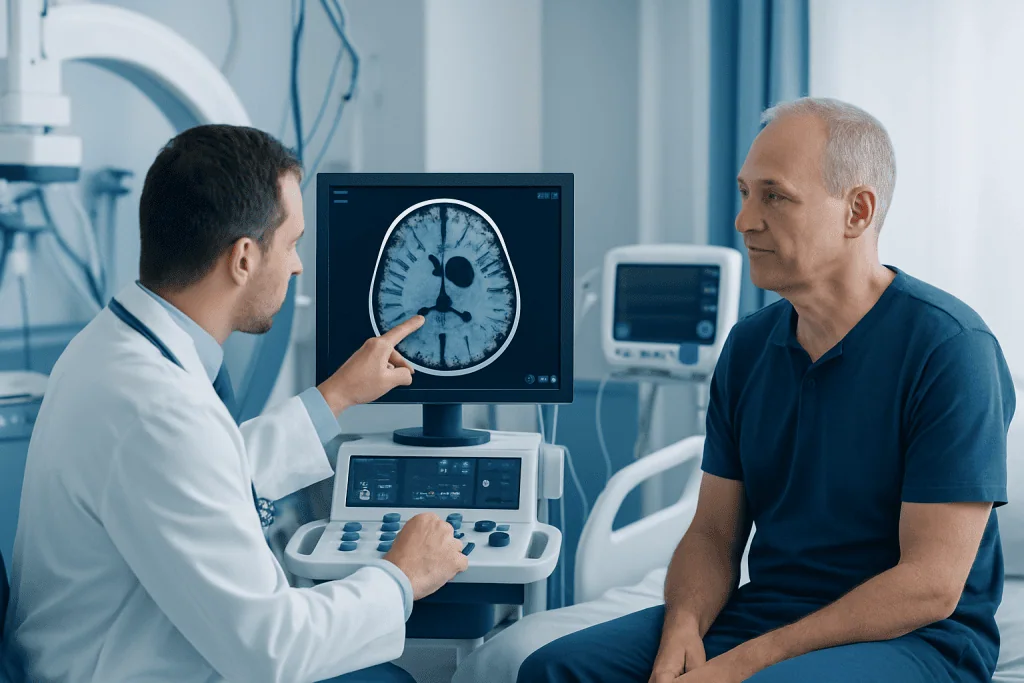
Many patients hear the word “stroke” and imagine a large vessel blockage or bleeding in the brain. A lacunar infarct is different because it involves very small penetrating arteries rather than major brain arteries. It does not usually come from a large clot traveling from the heart or neck, although a doctor may still check for those causes depending on the situation.
Symptoms can also look different. Some lacunar strokes cause clear one-sided weakness or numbness, while others lead to clumsiness, slurred speech, or difficulty with walking. In some cases, symptoms are mild enough that a person delays seeking care, but mild symptoms can still represent a true stroke and should never be ignored.
Repeated lacunar infarcts over time may contribute to problems with memory, mood, balance, or walking speed. This pattern is part of the broader group of stroke-related conditions and small vessel disease. Recognizing a first event early creates an important opportunity to reduce the risk of additional injury.
Symptoms

The symptoms of a lacunar infarct usually start suddenly. They depend on the exact area of the brain affected, but common complaints include weakness of the face, arm, or leg on one side of the body; numbness or altered sensation on one side; slurred speech; clumsiness of the hand; trouble walking; or poor coordination. Some people also feel that one side of the body is heavy or difficult to control.
Unlike some other strokes, a lacunar infarct may not always cause severe headache, loss of consciousness, or vision loss. However, absence of these signs does not make it less important. Any sudden neurological change should be treated as urgent, especially if it affects strength, speech, balance, or sensation.
Stroke symptoms are often summarized by the FAST warning signs:
- Face drooping
- Arm weakness
- Speech difficulty
- Time to call emergency services
Some lacunar infarcts are described as “silent” because they do not cause obvious immediate symptoms and are found later on brain imaging. Even silent infarcts matter, since they may be linked to a higher risk of future stroke, mobility problems, or cognitive decline.
Causes and Risk Factors
The most common cause of a lacunar infarct is long-term damage to the brain’s small arteries, often called small vessel disease. High blood pressure is the leading contributor. Over time, elevated pressure can thicken and stiffen vessel walls, making blood flow less reliable and increasing the chance of blockage.
Other important risk factors include diabetes, high cholesterol, smoking, obesity, physical inactivity, older age, and a history of prior stroke or transient ischemic attack. Conditions that affect blood vessels throughout the body, including kidney disease and vascular disease, may also increase risk. Although lacunar infarcts are often associated with small vessel disease, a clinician may evaluate for other possible causes of ischemic stroke depending on the person’s age, symptoms, and medical history.
In some patients, imaging of the brain may also show changes related to carotid artery disease or other vascular conditions that deserve attention, even if they are not the direct cause of the lacunar infarct. This broader assessment helps guide prevention. Risk factor control is one of the most important parts of care because preventing a second stroke is often just as important as treating the first one.
How Doctors Diagnose It
Diagnosis begins with a medical history and neurological examination. A doctor will ask when symptoms started, whether they came on suddenly, and which body functions were affected. Time matters in any suspected stroke because some treatments depend on how long symptoms have been present.
Brain imaging is essential. A CT scan is often the first test because it can quickly help rule out bleeding. An MRI is more sensitive for detecting small deep infarcts and may be especially useful when symptoms suggest a lacunar stroke but the CT scan is not definitive. In some cases, specialists may also use advanced neuroradiology evaluation to better understand the location and pattern of injury.
Additional tests may include blood pressure assessment, blood tests, heart rhythm monitoring, and imaging of blood vessels in the head and neck. These tests help confirm the diagnosis, look for contributing factors, and guide prevention. If weakness, speech difficulty, or walking problems continue, rehabilitation assessment is often arranged early in recovery.
Treatment Options and Recovery
A lacunar infarct is treated as an acute stroke. If the patient arrives quickly after symptom onset, the stroke team assesses whether emergency therapies may be appropriate. The exact treatment depends on timing, imaging findings, current medications, and the person’s overall health. Some patients may be treated with antiplatelet medicines, while others need a different plan based on the cause of the stroke.
After the immediate phase, treatment shifts toward preventing another event. This often includes careful blood pressure control, cholesterol management, diabetes treatment, smoking cessation, exercise, and a heart-healthy diet. Many patients also benefit from rehabilitation to improve strength, balance, coordination, speech, or daily functioning. Depending on the deficits, doctors may recommend stroke rehabilitation as part of recovery.
Recovery varies widely. Some people improve within days to weeks, especially if symptoms are mild. Others need longer support. The outlook is often better than with large strokes, but repeated lacunar infarcts can still lead to lasting disability. Follow-up with a neurology or neurology team is important to track progress and adjust prevention strategies over time.
For international patients who need specialist assessment, Acibadem International’s multidisciplinary teams in JCI-accredited hospitals diagnose and manage stroke-related conditions with coordinated neurological and rehabilitation care.
Prevention and Self-care
Preventing a lacunar infarct mainly means protecting the small blood vessels of the brain. The single most important step for many patients is keeping blood pressure in a healthy range. This usually involves regular monitoring, taking prescribed medicines consistently, limiting excess salt, staying active, and attending follow-up visits.
Good diabetes control, treatment of high cholesterol, and avoiding tobacco are also central. Patients are often encouraged to follow a balanced eating pattern rich in vegetables, fruit, whole grains, legumes, and healthy fats. Limiting alcohol, maintaining a healthy weight, and sleeping well may also support vascular health.
Self-care after a lacunar infarct includes taking medications exactly as prescribed and not stopping them without medical advice. If a person notices new weakness, numbness, speech changes, or sudden imbalance, they should seek emergency care right away rather than waiting to see if symptoms pass. Family members can help by learning stroke warning signs and supporting lifestyle changes at home.
When to Seek Medical Care
Emergency medical care is needed right away for any sudden possible stroke symptom, even if it seems mild or improves quickly. This includes one-sided weakness or numbness, face drooping, slurred speech, confusion, trouble walking, severe sudden imbalance, or a sudden loss of coordination. Prompt treatment may improve outcomes and helps doctors determine the cause.
A non-emergency medical appointment is also important after any known lacunar infarct, silent infarct found on imaging, or repeated brief neurological symptoms. Follow-up allows a doctor to review blood pressure, diabetes, cholesterol, medications, and rehabilitation needs. People with a family history of stroke or multiple vascular risk factors should also discuss prevention with a qualified clinician.
If a patient has ongoing symptoms, recurrent events, or uncertainty about the diagnosis, a specialist may recommend further evaluation through neurology or related stroke services. Early assessment can clarify what happened and support a safer long-term plan.
Frequently asked questions
Is a lacunar infarct a real stroke?
Yes. A lacunar infarct is a type of ischemic stroke caused by blockage of a small artery deep in the brain. Although the affected area is small, it still requires urgent medical evaluation and long-term prevention.
Can a lacunar infarct cause permanent damage?
It can. Some people recover well with little lasting impairment, while others may have ongoing weakness, numbness, balance trouble, or speech changes. Recovery depends on the area of the brain involved, how quickly care was received, and whether more strokes are prevented.
What is the most common risk factor for lacunar infarct?
High blood pressure is the most important and most common risk factor. Over time, it can damage the walls of the tiny arteries that supply the deep parts of the brain, increasing the chance of blockage.
Can symptoms of a lacunar infarct be mild?
Yes. Some lacunar strokes cause subtle symptoms such as clumsiness, mild one-sided numbness, or slight slurred speech. Even mild or short-lived symptoms should be treated as urgent because they may signal an active stroke or a transient ischemic attack.
How is a lacunar infarct diagnosed?
Doctors diagnose it using a neurological examination and brain imaging, usually a CT scan and often an MRI. They may also check blood vessels, heart rhythm, blood pressure, and blood tests to understand risk factors and rule out other causes.
Can lacunar infarcts be prevented?
Many can be reduced in risk through good blood pressure control, diabetes management, cholesterol treatment, exercise, and not smoking. Taking prescribed medications regularly and attending follow-up appointments are also important parts of prevention.
This article is for general information only and is not a substitute for professional medical advice. Please consult a qualified doctor about your individual situation.
Explore treatments in Turkey — costs, top hospitals & a free quote
JCI-accredited · board-certified surgeons · reply within 24h
Add us as a Preferred Source to see more of our trusted health content across Google Search, AI Overviews and Discover.
Check your numbers in seconds
BMI, calories, due date, blood pressure and 30+ more clinical calculators — free, instant, doctor-reviewed ranges.

More from the Health Library

Disorganized Behavior: What Patients Need to Know

Tongue Piercing Piercing: What Patients Need to Know

Raw Meat: What Patients Need to Know

Hepatosplenomegaly: A Complete Medical Overview

Cardiomegaly: An Evidence-Based Guide for Patients