Large Breasts: A Complete Medical Overview

Large breasts are not automatically a medical problem; treatment depends on symptoms, function and personal goals. Macromastia is the clinical term used when breast size causes significant physical or emotional burden.
Key Takeaways
- Large breasts are not automatically a medical problem; treatment depends on symptoms, function and personal goals.
- Macromastia is the clinical term used when breast size causes significant physical or emotional burden.
- Supportive bras, skin care, activity adjustments and physiotherapy may help manage symptoms.
- Rapid one-sided enlargement, a new lump, nipple discharge or skin changes should be assessed promptly.
- Breast reduction surgery may be considered when non-surgical measures do not adequately relieve symptoms.
Large breasts are often a normal variation in body shape, but breast size can sometimes contribute to neck, shoulder or back discomfort, skin irritation, difficulties with exercise, and emotional distress. A healthcare professional can help identify contributing factors, rule out new breast changes, and discuss practical or surgical treatment options when symptoms affect daily life.
Overview: when large breasts become a health concern
Large breasts are common and are usually a normal part of physical development and body diversity. Breast size is influenced by inherited traits, hormones, body weight, age, pregnancy history and other factors. Some people feel entirely comfortable with their breast size, while others experience physical symptoms or practical difficulties that affect work, sleep, exercise, clothing choices, or self-confidence.
When breast size is associated with ongoing discomfort or reduced day-to-day function, clinicians may use the term macromastia. In more severe cases, the term gigantomastia may be used. These terms describe the impact of breast volume rather than defining a particular cup size, because cup sizing varies between brands and countries.
Large breasts alone do not increase the likelihood of breast cancer. However, any new or unexplained breast change deserves appropriate assessment, regardless of breast size. A clinician can distinguish long-standing, symmetrical breast fullness from changes that require further investigation.
Possible symptoms and daily effects
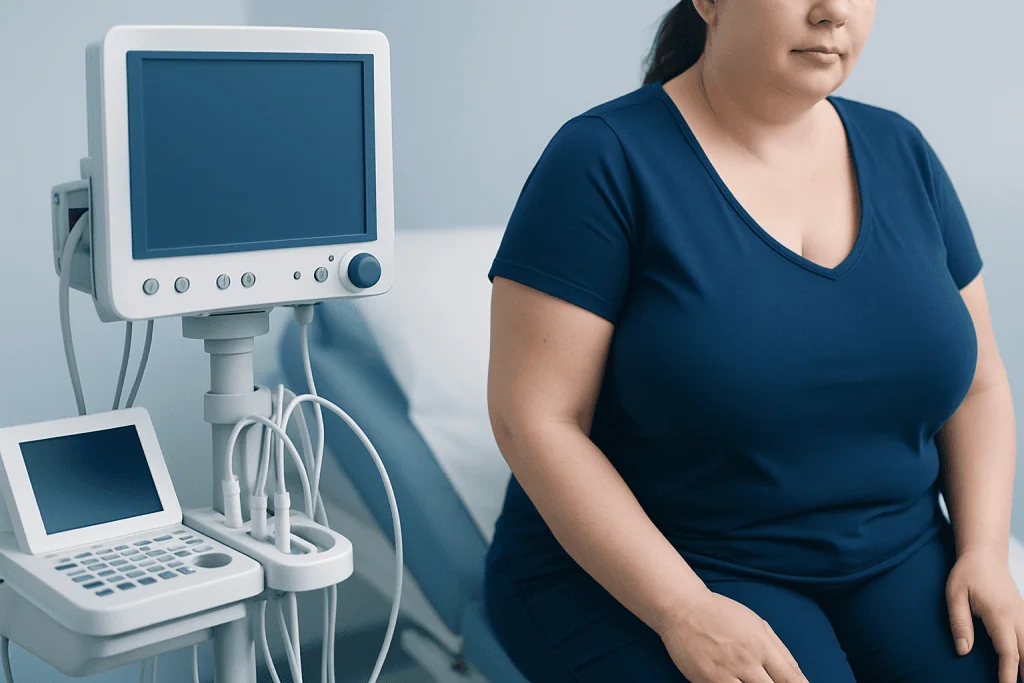
The effects of large breasts vary greatly. Their weight can place sustained strain on the upper body, particularly when posture and muscle strength do not fully compensate. Symptoms may develop gradually and can become more noticeable during prolonged standing, desk work, walking, or higher-impact exercise.
Common concerns include neck, shoulder and upper-back pain; grooves or pressure marks from bra straps; tension headaches; poor posture; and difficulty finding comfortable, supportive clothing. Some people also report that certain activities, including running, yoga, swimming, or sleeping in certain positions, become uncomfortable or difficult.
Skin-fold problems can occur beneath the breasts, especially in warm weather or with sweating. These may include chafing, itching, redness, odor, or recurrent rash. Emotional effects are also important: unwanted attention, body-image concerns, embarrassment, or avoidance of social and physical activities can affect well-being.
- Persistent pain in the neck, shoulders or upper back
- Recurrent irritation or rash in the breast fold
- Strap grooves, numbness or shoulder discomfort from bra pressure
- Restricted exercise, work activities or sleep
- Distress about appearance or unwanted attention
Why breasts may become large

Breast development is mainly shaped by genetics and normal hormonal changes. During puberty, estrogen and other hormones stimulate breast tissue growth. Breasts may continue to change into early adulthood, and there is a wide normal range in both size and symmetry.
Hormonal shifts during the menstrual cycle, pregnancy, breastfeeding and menopause can temporarily or permanently change breast size and fullness. Weight gain may also increase breast size because breasts contain fatty tissue as well as glandular and connective tissue. Conversely, weight loss may reduce breast volume for some people, although the amount of change is unpredictable and breast tissue does not always decrease proportionately.
Less commonly, unusually rapid or excessive breast growth can be related to marked hormonal sensitivity, certain medications, or a rare condition such as gestational gigantomastia during pregnancy. One breast can naturally be somewhat larger than the other, but a new or rapidly progressing difference should be examined. A clinical assessment is particularly important if enlargement occurs with a lump, skin change, nipple change, fever, or unexplained pain.
How clinicians assess large breasts
Assessment begins with a conversation about symptoms, how long they have been present, medical history, pregnancy or breastfeeding status, medications, weight changes, and the person’s goals. The clinician may ask how pain affects work, exercise, sleep, and emotional well-being. It can be helpful to note recurring symptoms, skin problems, and the types of support garments already tried.
A physical examination may include checking breast symmetry, skin health, tenderness, posture, shoulder strap grooves, and the neck, back and shoulders. The clinician may also examine the breasts and nearby lymph nodes if there is a new concern. This examination is performed respectfully, with consent and appropriate privacy.
Imaging is not routinely needed simply because breasts are large. Mammography, ultrasound, or other tests may be recommended based on age, breast symptoms, family history, screening guidance, or examination findings. Large breasts can sometimes make breast imaging technically more challenging, but imaging centers use positioning techniques designed to obtain appropriate views.
Managing symptoms without surgery
Many people begin with non-surgical measures to reduce discomfort. A properly fitted, supportive bra can improve comfort during daily activities and exercise by distributing breast weight more evenly. A professional bra fitting may be useful, as an incorrect band or strap fit can worsen pressure marks, shoulder pain, and breast movement.
Physiotherapy or a guided exercise plan may help strengthen the upper back, shoulders and core, improve posture, and address movement patterns that contribute to pain. Gentle stretching and gradual activity adjustments can also be useful. These approaches do not reduce breast tissue, but they may improve function and ease muscle-related discomfort.
For irritation beneath the breasts, keeping the area clean and thoroughly dry, choosing breathable fabrics, and changing out of damp clothing promptly can help. A clinician or pharmacist can advise on suitable treatments if a rash persists or appears infected. Pain relief options may be considered with a healthcare professional, taking into account other health conditions and medications.
Weight management, when appropriate and desired, may change breast size for some people and can reduce strain on the back and shoulders. It should not be presented as a required solution: breast size is not solely determined by weight, and a person can have symptomatic macromastia at any body size.
Breast reduction surgery and other treatment options
Breast reduction surgery, also called reduction mammoplasty, removes a planned amount of breast tissue, fat and skin and reshapes the breast. It may be an option for people whose symptoms remain significant despite supportive measures, or whose breast size substantially limits daily activities. The decision is personal and should be based on symptoms, health, expectations, and future plans such as pregnancy or breastfeeding.
Before surgery, a plastic surgeon reviews medical history, breast health, smoking or nicotine use, medications, body weight considerations, and individual goals. They explain expected scars, changes in breast shape and sensation, potential effects on breastfeeding, recovery needs, and possible complications. As with any operation, risks can include bleeding, infection, delayed wound healing, changes in nipple sensation, asymmetry, scarring, and the need for further treatment.
Recovery commonly involves temporary swelling, soreness and activity restrictions. Follow-up care is important for wound checks and recovery guidance. Surgery can offer meaningful relief for suitable patients, but it is not necessary for everyone with large breasts; non-surgical support remains appropriate for many people.
Acibadem International’s multidisciplinary specialists and JCI-accredited hospitals can assess symptoms related to large breasts and discuss appropriate treatment options with international patients.
When to seek medical care
A routine medical appointment is advisable when breast size is causing persistent pain, repeated skin irritation, difficulty with exercise, sleep disruption, numbness or tingling in the shoulders or arms, or distress that affects quality of life. A primary care clinician, gynecologist, breast specialist, physiotherapist, or plastic surgeon may be involved depending on the main concern.
Prompt assessment is important for a new lump, a sudden change in breast size or shape, swelling on one side, persistent localized pain, nipple discharge that is bloody or occurs without squeezing, nipple inversion that is new, or skin dimpling, thickening, redness, or a rash that does not improve. These signs do not necessarily indicate a serious condition, but they should not be self-diagnosed.
Urgent medical attention is appropriate if breast redness, warmth, severe pain, fever, or feeling unwell develops, especially during breastfeeding or after surgery, as infection may need timely treatment. People should also continue recommended breast cancer screening based on their age, risk factors, and local guidance.
Frequently asked questions
Are large breasts normal?
Yes. Large breasts are usually a normal physical variation, and there is no single breast size that is considered medically normal or abnormal. They become a health concern when they cause persistent physical symptoms, skin problems, functional limitations, or significant emotional distress.
Can large breasts cause back and shoulder pain?
They can contribute to neck, shoulder and upper-back discomfort by increasing strain on muscles and affecting posture. Pain can have several causes, so a clinician should assess ongoing symptoms rather than assuming breast size is the only explanation.
Will losing weight make breasts smaller?
Breasts contain fatty tissue, so weight loss may reduce breast volume for some people. However, the amount of change differs from person to person because breast tissue also includes glandular and connective tissue. Weight loss is not a reliable or required treatment for symptomatic large breasts.
Can large breasts affect breastfeeding?
Large breasts do not automatically prevent successful breastfeeding. Some people may find positioning, latch visibility, or breast support more challenging, and a lactation specialist can provide practical help. Breast reduction surgery may affect milk production or milk transfer, depending on the technique used.
Do large breasts increase breast cancer risk?
Breast size itself is not considered a breast cancer risk factor. Everyone should be aware of new breast changes and follow screening recommendations that match their age, personal history, and family risk.
When is breast reduction medically considered?
Breast reduction may be considered when breast-related symptoms are ongoing and substantially affect daily life despite well-fitted support garments, skin care, activity adjustments, or other conservative measures. A plastic surgeon can explain whether surgery is suitable and discuss benefits, limitations, recovery, and risks.
References
- American College of Obstetricians and Gynecologists
- American Society of Plastic Surgeons
- National Cancer Institute
- Mayo Clinic
- World Health Organization
This article is for general information only and is not a substitute for professional medical advice. Please consult a qualified doctor about your individual situation.
Joint and spine care in Turkey — expert assessment & treatment
JCI-accredited · board-certified surgeons · reply within 24h
Add us as a Preferred Source to see more of our trusted health content across Google Search, AI Overviews and Discover.

More from the Health Library

Gel Nail Extensions — Explained by Medical Evidence, Not Myths

Yerba Mate: An Evidence-Based Guide for Patients

Zinc and Magnesium: An Evidence-Based Guide for Patients

Fluticasone Salmeterol: What Patients Need to Know

Sleeping Heart Rate: A Complete Medical Overview