Large Cell: What Patients Need to Know

“Large cell” is a descriptive laboratory term, not always a complete diagnosis by itself. Large cell carcinoma most commonly refers to a subtype of non-small cell lung cancer, although large-cell tumors can arise in other organs.
Key Takeaways
- “Large cell” is a descriptive laboratory term, not always a complete diagnosis by itself.
- Large cell carcinoma most commonly refers to a subtype of non-small cell lung cancer, although large-cell tumors can arise in other organs.
- Modern pathology uses immunohistochemistry and molecular testing to classify tumors more precisely.
- Symptoms depend on where a tumor begins; persistent respiratory symptoms, unexplained weight loss, or coughing blood need prompt medical review.
- Treatment is individualized and may include surgery, radiation therapy, systemic medicines, and supportive care.
Large cell is a pathology term describing cells that appear large and abnormal under a microscope. It is most often discussed in relation to large cell carcinoma, including uncommon forms of lung cancer, and needs careful testing to identify the exact diagnosis and guide treatment.
What Does “Large Cell” Mean?
Large cell is a term a pathologist may use after examining tissue or cells under a microscope. It means that the cells look larger than expected and may have features that suggest they are abnormal. On its own, however, the phrase does not explain where the cells came from, whether they are cancerous, or what treatment is needed.
In cancer care, the term is often associated with large cell carcinoma. Historically, this described a poorly differentiated cancer whose cells did not clearly fit another category on initial microscopic examination. With newer laboratory techniques, many tumors once called large cell carcinoma can now be classified more specifically.
The best next step after hearing this term is to ask for the full pathology diagnosis. That report usually identifies the organ involved, the tumor type, relevant test results, and whether additional testing is needed. A treating doctor can place these findings in the context of scans, symptoms, and overall health.
Where Large Cell Carcinoma Can Occur
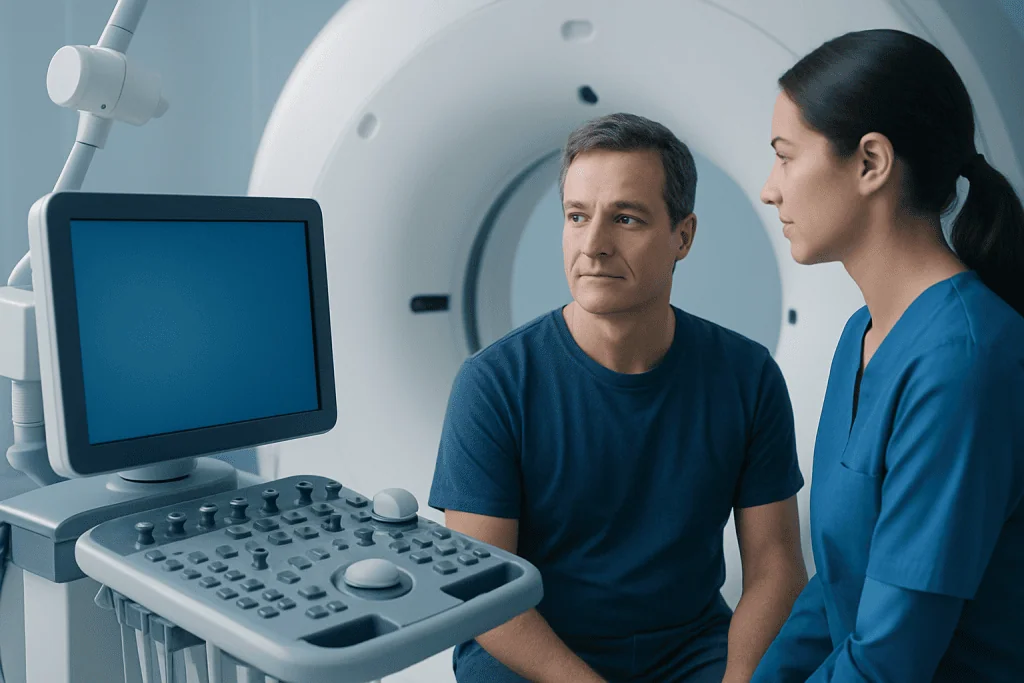
Large cell carcinoma is most commonly discussed as a lung cancer diagnosis. It has traditionally been included among non-small cell lung cancers, alongside adenocarcinoma and squamous cell carcinoma. In current practice, specialists aim to identify a more precise subtype whenever enough tissue and testing are available.
An important but uncommon lung tumor is large cell neuroendocrine carcinoma. This is a high-grade neuroendocrine cancer with features that can differ from other non-small cell lung cancers. It requires expert pathology review because treatment planning may be influenced by its neuroendocrine characteristics and the stage of disease.
“Large cell” can also appear in the names of cancers that start elsewhere, such as large cell lymphoma or large cell neuroendocrine tumors. These conditions are not the same disease. The organ of origin and the complete pathology wording are essential, so people should avoid drawing conclusions from the words “large cell” alone.
Possible Symptoms and How They Vary

Symptoms are determined primarily by the location and extent of a tumor, rather than by the term large cell itself. A lung tumor may cause a cough that does not go away, chest discomfort, shortness of breath, wheezing, coughing up blood, recurrent chest infections, hoarseness, tiredness, or unintended weight loss. Some lung cancers are found on imaging before they cause symptoms.
These symptoms are common and can result from many non-cancerous conditions, including infections, asthma, chronic lung disease, or reflux. Their presence does not confirm cancer. Still, a persistent or changing symptom deserves assessment, especially in people with a history of smoking, substantial secondhand smoke exposure, or other lung disease.
If large cells are identified in a lymph node, blood-related sample, or tissue from another organ, symptoms may be different. They can include a growing lump, persistent fever, night sweats, unexplained fatigue, abdominal changes, or organ-specific symptoms. Medical evaluation helps establish the cause rather than relying on symptoms alone.
Causes and Risk Factors
Cancer develops when genetic changes allow cells to grow and divide in an uncontrolled way. In most individual cases, it is not possible to identify one single cause. The term large cell describes appearance and classification; it does not, by itself, identify why a cancer developed.
For lung cancers, tobacco smoking is the strongest preventable risk factor. Risk also increases with secondhand smoke exposure, radon, asbestos and some workplace chemicals, air pollution, prior chest radiation, chronic lung disease, and certain inherited factors. Having a risk factor does not mean a person will develop cancer, and people who have never smoked can also develop lung cancer.
Risk factors vary for large-cell tumors in other parts of the body. For example, some lymphomas are associated with immune-system changes, age, certain infections, or prior treatments, while many cases have no clearly identifiable cause. A specialist can explain which factors are relevant to a particular confirmed diagnosis.
- Stopping smoking at any age benefits lung and overall health.
- Home radon testing may be appropriate in areas where radon is known to occur.
- Workplace safety measures can reduce exposure to harmful dusts and chemicals.
How Doctors Confirm a Diagnosis
A diagnosis should not be based on imaging alone. A scan may show a suspicious area, but a tissue sample is usually needed to determine what it is. Depending on the location, this may be obtained through bronchoscopy, a needle biopsy guided by CT or ultrasound, surgery, or another targeted procedure.
A pathologist examines the sample and may use immunohistochemistry, a set of stains that detects proteins in cells. These tests can help establish where a tumor started and distinguish among cancer subtypes. For selected cancers, molecular testing may look for genetic changes or biomarkers that could affect treatment options.
Once cancer is confirmed, staging tests show whether it is confined to its original site or has spread. For a suspected lung cancer, this may include CT, PET imaging, brain imaging when appropriate, and assessment of lymph nodes. The final diagnosis often involves a multidisciplinary discussion among pathologists, radiologists, surgeons, medical oncologists, radiation oncologists, and other clinicians.
Treatment Options and Supportive Care
Treatment for a large cell cancer is based on the exact tumor type, where it began, its stage, biomarker results, symptoms, and the person’s general health and preferences. Care is individualized, and a treatment plan may change if additional pathology or molecular findings become available.
For localized lung cancers, surgery may be considered when the tumor can be safely removed and the person is fit for an operation. Radiation therapy may be used instead of surgery in some situations, or before or after other treatments. Systemic treatment may include chemotherapy, immunotherapy, targeted therapy for tumors with suitable biomarkers, or combinations of these approaches.
Large cell neuroendocrine carcinoma and cancers originating outside the lung may be treated differently from conventional non-small cell lung cancer. This is why accurate classification matters. Lung cancer treatment may involve coordinated planning across several specialties, with attention to both cancer control and quality of life.
Supportive or palliative care can be valuable at any stage, alongside active cancer treatment. It addresses symptoms such as breathlessness, pain, fatigue, appetite changes, anxiety, and sleep problems. It is not limited to end-of-life care and can help people remain as comfortable and active as possible during treatment.
Prevention, Monitoring, and Everyday Self-Care
Not all large cell cancers can be prevented, but several measures can lower cancer risk. Avoiding tobacco, seeking help to stop smoking, limiting secondhand smoke exposure, and following occupational safety guidance are meaningful steps. A balanced diet, regular movement within personal ability, sleep, and recommended vaccinations support general health, although they cannot guarantee prevention.
Some people at high risk for lung cancer may qualify for annual low-dose CT screening. Eligibility depends on age and smoking history and varies by country and guideline. Screening is intended for people without symptoms; anyone with concerning symptoms should seek medical assessment rather than wait for a screening appointment.
After a diagnosis, it can help to keep copies of pathology reports, scan results, medication lists, and appointment notes. Questions for the care team may include: What is the complete diagnosis? Has the tissue had all appropriate testing? What is the stage? What are the goals and possible effects of each treatment option? A second pathology review may be appropriate for rare or complex diagnoses.
When to Seek Medical Care
Medical care should be sought promptly for coughing up blood, severe or worsening shortness of breath, new chest pain, confusion, fainting, or sudden weakness. Emergency services may be needed for severe symptoms, particularly if breathing is difficult or chest pain is intense.
A doctor should also assess a cough lasting more than a few weeks, recurring chest infections, unexplained weight loss, persistent hoarseness, a new or enlarging lump, ongoing fever, drenching night sweats, or fatigue that is not improving. These symptoms often have causes other than cancer, but early evaluation provides clarity and allows treatment when needed.
People who receive a pathology report mentioning large cell, carcinoma, neuroendocrine features, or lymphoma should arrange a discussion with the clinician who ordered the test. Acibadem International’s multidisciplinary specialists and JCI-accredited hospitals diagnose and treat complex cancer conditions for international patients, with care plans based on the confirmed diagnosis and individual needs.
Frequently asked questions
Is large cell cancer always lung cancer?
No. The phrase “large cell” can appear in the names of several cancers and can also be a descriptive finding in a pathology report. Large cell carcinoma is often associated with the lung, but the complete diagnosis and organ of origin must be confirmed by a pathologist.
Is large cell carcinoma the same as non-small cell lung cancer?
Large cell carcinoma of the lung has traditionally been considered a type of non-small cell lung cancer. However, modern pathology can often reclassify it into a more specific subtype using special stains and molecular tests. This more detailed classification can influence treatment decisions.
How is large cell carcinoma diagnosed?
Doctors generally need a biopsy to diagnose cancer type accurately. The tissue is examined under a microscope and may undergo immunohistochemistry and molecular testing. Imaging tests are then used to assess the extent of disease and help plan treatment.
Can large cell carcinoma be treated?
Yes, treatment options are available, but the recommended approach depends on where the cancer started, its stage, test results, and a person’s overall health. Options may include surgery, radiation therapy, chemotherapy, immunotherapy, targeted treatments, and symptom-focused supportive care.
Does a pathology report saying “large cells” mean cancer?
Not necessarily. Large cells may be mentioned as a microscopic observation, and the meaning depends on the surrounding report and tests. A doctor or pathologist can explain whether the findings are benign, inflammatory, suspicious, or cancerous.
Should a person get a second opinion for a large cell diagnosis?
A second opinion can be useful when a diagnosis is rare, unclear, or likely to involve major treatment decisions. It may include review of biopsy slides by an experienced pathologist and discussion with a multidisciplinary cancer team. Seeking a second opinion does not delay care when it is arranged promptly.
References
- National Cancer Institute
- American Cancer Society
- World Health Organization
- International Agency for Research on Cancer
- National Comprehensive Cancer Network
This article is for general information only and is not a substitute for professional medical advice. Please consult a qualified doctor about your individual situation.
Oncology care in Turkey — second opinion and treatment plan
JCI-accredited · board-certified surgeons · reply within 24h
Add us as a Preferred Source to see more of our trusted health content across Google Search, AI Overviews and Discover.